
Rabi Lamichhane And NHRC Report Bring Gen Z Protest Fallout Back Into Focus
Rabi Lamichhane’s Nakkhu Prison issue and the NHRC’s recommendation to investigate several public figures have brought the Gen Z protest violence back into Nepal’s political spotlight.
· 4 min read
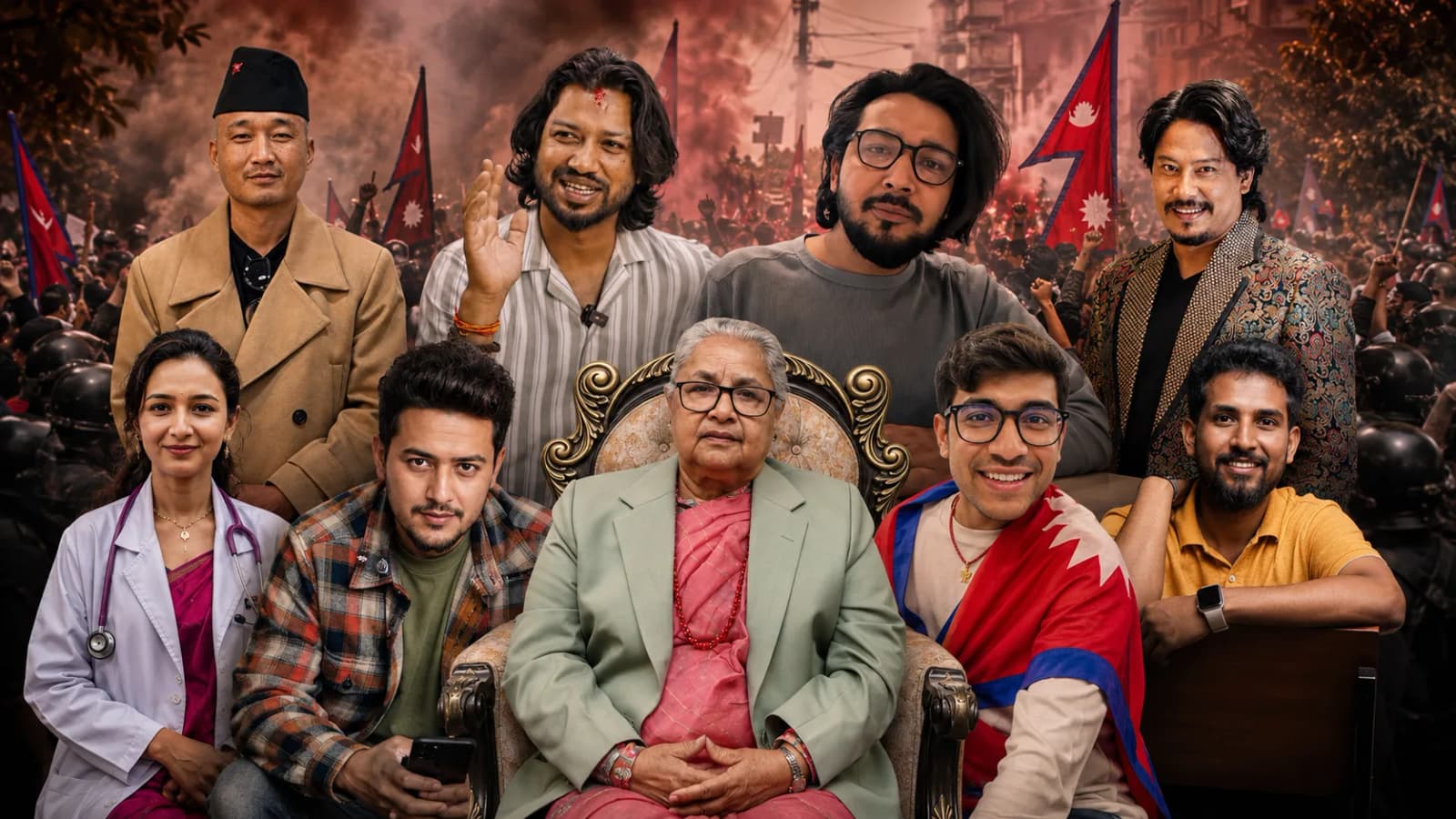
The investigation into Nepal’s Gen Z movement and the violence that followed has again become a major national issue. Rastriya Swatantra Party chair Rabi Lamichhane’s case connected to Nakkhu Prison and the National Human Rights Commission’s recommendation to investigate several public figures have brought the matter back into public debate.
The issue is linked to the Bhadra 23–24 Gen Z protests, which began as youth-led anger against corruption, poor governance and restrictions on social media. The movement later turned violent in several places, leading to deaths, injuries, vandalism and serious questions about public safety, political responsibility and state response.
Rabi Lamichhane’s Nakkhu Prison Issue
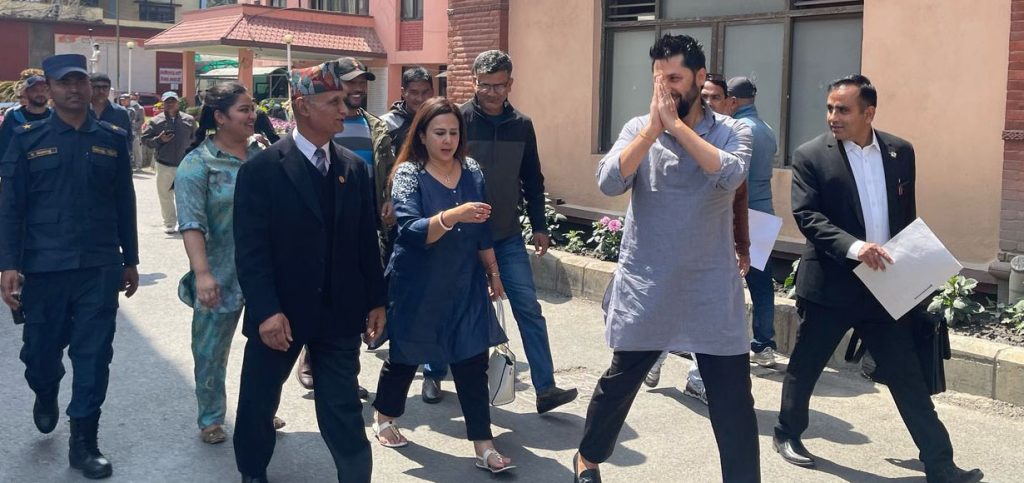
Rabi Lamichhane has come under attention after questions were raised about how he left Nakkhu Prison during the unrest. The matter has become sensitive because Lamichhane is not only a former home minister but also the chair of a major national political party.

One of the main questions is whether proper legal and prison procedures were followed at the time. Reports have pointed to confusion over whether Lamichhane was given an official letter while leaving the prison. This has made the case important not only politically but also legally, as it raises questions about prison security, official documents and decision-making during a chaotic situation.
Lamichhane’s side has maintained that he left under the circumstances created by the unrest. However, authorities are expected to examine records, statements and documents to determine what exactly happened. The final conclusion will depend on investigation and legal review.
NHRC Recommends Probe Against Public Figures
Separate from the Rabi Lamichhane issue, the National Human Rights Commission has recommended further investigation against several public figures, activists, organizers and online personalities connected to the Gen Z movement. The NHRC has asked authorities to examine whether speeches, social media posts and public statements made before or during the protests helped encourage violence, unrest or disturbance of public peace.
The names mentioned in the recommendation include former Prime Minister Sushila Karki, Sudan Gurung, Ganesh Karki, Sulav Kharel, Bablu Gupta, Rakshya Bam, Krishna Karki, Dr Toshima Karki, Rajiv Khatri, Shom Sharma, KP Khanal, Dipak Bohara, Manish Jha, Jwala Sangroula, Hemraj Thapa, Bimal Pant, Khemraj Saud, Purushottam Yadav, Aman Pratap Adhikari, Vivek Thapaliya, Sisan Baniya, Ashika Tamang, Asimman Basnet, Bhagya Neupane, Tank Dahal, Victor Poudel, Ankit Malla, Umesh Bohara, Shiva Yadav, Binod Deuwa, Saru Sunuwar, Bhim Upadhyay, Ravi Kiran Hamal, Hari Dhakal, Nishchal Basnet, Om Prakash Aryal, Gauri Bahadur Karki, Pashupati Khadka, Durga Prasai, Urja Baral, Jerry Tamrakar, Hemsagar Bidrohi, Buddha Chhiring, Santosh Rajawadi, Amit Khanal, Dipak Devkota, Gaurab Baral, Himani Rajya Laxmi Singh and Nishan Mainali.
However, being named in an investigation recommendation does not mean anyone has already been proven guilty. The NHRC has recommended that authorities investigate their possible role and take legal action only if evidence shows responsibility.
Why This Issue Matters
The Gen Z protest fallout has now become more than just a protest-related matter. It has become a wider question of accountability. On one side, there are questions about violence, deaths, injuries and damage during the movement. On the other side, there are questions about whether public figures, activists and influencers played any role in making the situation more tense through speeches, statements or online posts.
Rabi Lamichhane’s case adds another layer to the issue because it connects the protest unrest with prison security and official procedure. The NHRC report adds pressure from the human rights side by recommending investigation into the role of public figures and their public messaging.
What Happens Next
The next step will depend on how the government, police and legal authorities act on these matters. Investigators may need to study social media posts, public speeches, video records, prison documents, security reports and witness statements.
For now, the Gen Z movement case has entered a new phase. The focus is shifting from street protests to legal accountability, official records and public responsibility. The public will now be watching whether the investigation is fair, whether victims get justice, and whether the legal process can separate facts from political blame.
Published May 27 in Gen Z