
Nepal’s Asset Investigation Commission Faces Questions After Current PM And Ministers Reportedly Left Out
Nepal’s asset investigation commission is facing public questions after reports claimed that the current Prime Minister, Cabinet ministers, judges, army officials and constitutional office holders are outside the probe’s mandate.
· 3 min read
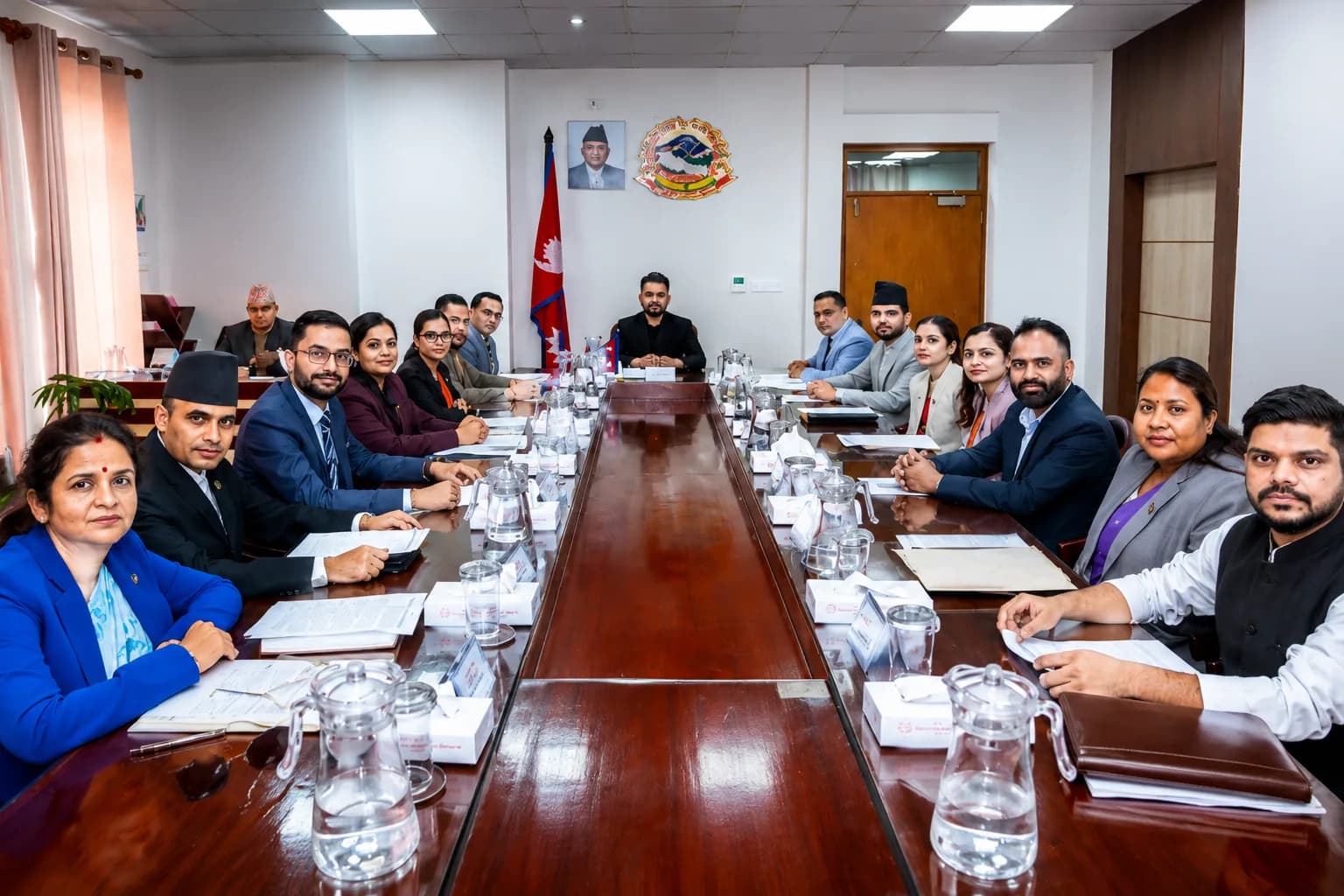
Nepal’s newly formed asset investigation commission has come under public debate after reports said the current Prime Minister and Cabinet ministers will not be investigated by the commission. The commission was created to examine the assets of senior public officials who have held office since 2006, but its mandate reportedly excludes several powerful groups, including the current government, first-time ministers and lawmakers, judges, military officials, constitutional office holders, the former king, former presidents and former vice presidents.
The commission was formed under the leadership of former Supreme Court justice Rajendra Kumar Bhandari. Earlier reports described the panel as a body meant to investigate the assets of political leaders and senior officials from the post-2006 political period. The government had presented the move as part of a wider anti-corruption effort, with officials saying the investigation would be based on evidence and legal standards.
However, the latest report has raised questions about whether the commission’s work will be broad enough. Many people expected the commission to look into the assets of both past and present officials. But if the current Prime Minister and Cabinet ministers are outside the scope, critics may argue that the probe is incomplete or politically selective.

The issue has become more sensitive because asset investigations are directly linked to public trust. In Nepal, many citizens have long demanded strict checks on leaders, ministers and senior officials who may have earned wealth through misuse of power. A commission like this can be important only if people believe it is fair, independent and able to investigate powerful people without fear or pressure.
According to reports, the commission is currently collecting asset details and complaints related to officials covered under its mandate. It has been given one year to complete its work. A recent report also said more than 250 complaints had already been filed against high-ranking officials, showing strong public interest in the investigation process.
The controversy has also drawn political reaction. UML chairman K. P. Sharma Oli has criticized the process and reportedly said he will not cooperate with the commission. This has added another layer of tension, as the asset probe is now becoming not only a legal and administrative issue, but also a political one.
For now, the biggest question is simple: will the commission be seen as a serious anti-corruption step, or will it lose public confidence because of who it leaves out? The answer will depend on how clearly the government explains the commission’s mandate and how independently the commission carries out its investigation.
Published Jun 4 in Politics