
Ramesh Prasai Proposes Up To 50% Tax Hike On Alcohol And Cigarettes To Fund Free Healthcare In Nepal
Lawmaker Ramesh Prasai has urged the government to increase taxes on alcohol and cigarettes by up to 50% and use the extra revenue to provide free healthcare for poor and low-income citizens in Nepal.
· 3 min read
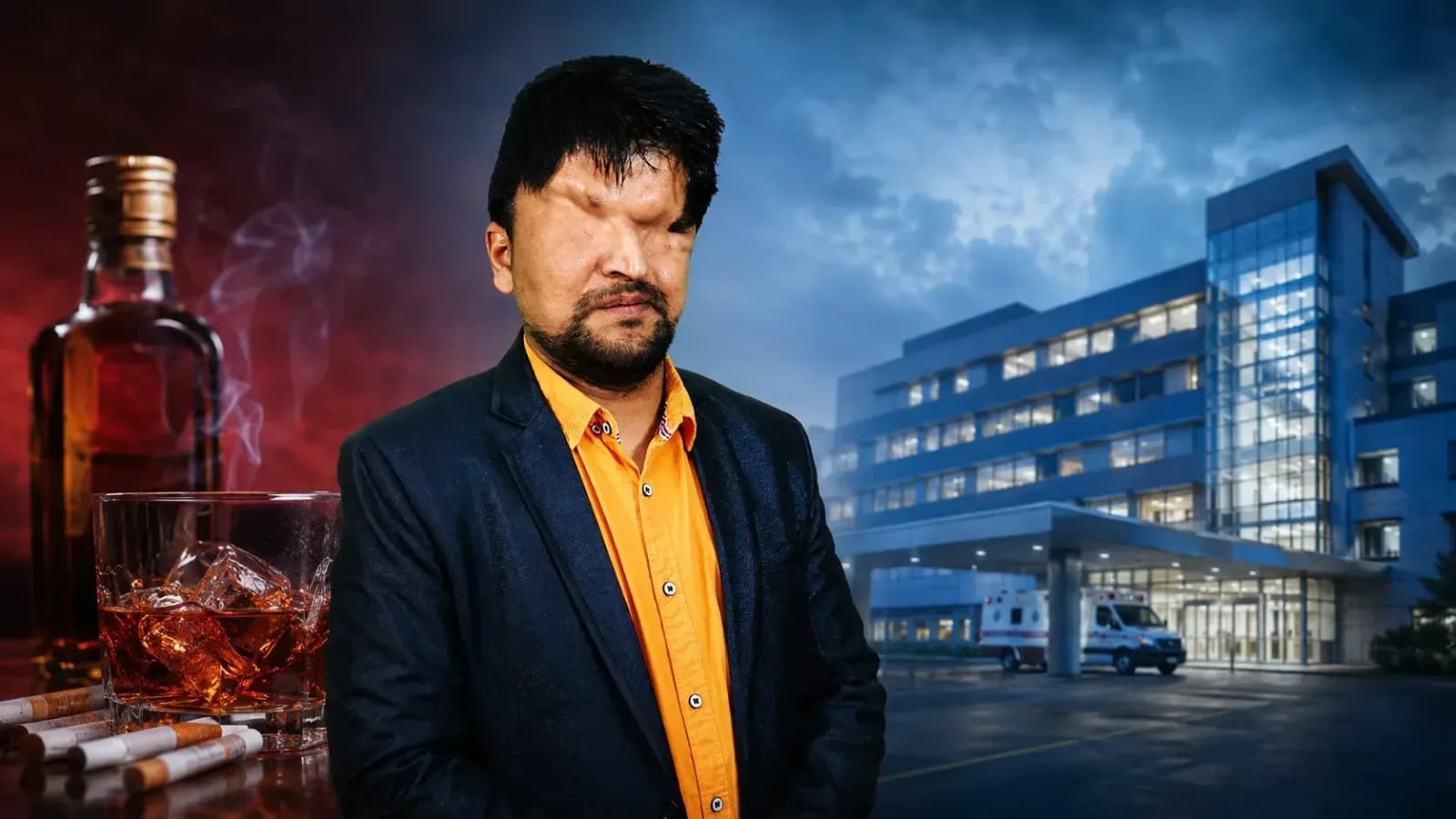
Lawmaker Ramesh Prasai has urged the government to increase taxes on alcohol and cigarettes by up to 50 percent, saying the additional revenue should be used to provide free healthcare services for poor and low-income citizens across Nepal.
Prasai’s proposal has started discussion around the idea of using higher taxes on harmful products, often called “sin tax,” to support public health. Alcohol and tobacco products are linked to several health problems, and higher taxes are often used by governments to both reduce consumption and collect revenue for public services.
According to the proposal, the extra tax collected from alcohol and cigarette sales should be directed toward healthcare support for people who cannot afford treatment. Prasai argued that the government should use revenue from products that harm public health to help citizens who are struggling to access medical care.

The idea connects two major public concerns in Nepal: the rising cost of medical treatment and the easy availability of alcohol and tobacco products. Many poor families still face financial pressure when someone in the family gets sick, especially when treatment requires hospital admission, medicines, tests, or long-term care.
If implemented, the tax increase could make alcohol and cigarettes more expensive. Supporters of such a policy may argue that higher prices can discourage excessive use, especially among young people and low-income groups. At the same time, the collected revenue could help fund healthcare programs, free treatment schemes, or financial aid for poor patients.
However, such a proposal would also need careful planning. The government would have to decide how the revenue would be collected, how it would be separated from the general budget, and how it would reach the people who truly need healthcare support. Without strong monitoring, there may be concerns that the additional money may not be used for its intended purpose.
Public health experts in many countries have supported higher taxes on tobacco and alcohol because these products create long-term health and social costs. In Nepal’s case, the proposal could become part of a wider debate on healthcare financing, tax policy, and the responsibility of the state toward poor citizens.
For now, Prasai’s call has brought attention to a simple but important question: should the government collect more tax from harmful products and use that money directly to help poor citizens get medical treatment?
The proposal has not only raised discussion about taxation but also about fairness in public spending. If the government moves forward with such a policy, people will likely expect a clear plan showing where the money goes and how it benefits patients in real life.
Published May 18 in Politics