
Constitution Amendment Task Force Faces Credibility Test After Four Opposition Parties Walk Out
Government Constitution Amendment Task Force Reaches Final Report Stage But Four Opposition Parties Leave Over Questions On Its Legitimacy, Mandate And Protection Of Basic Constitutional Values
· 5 min read
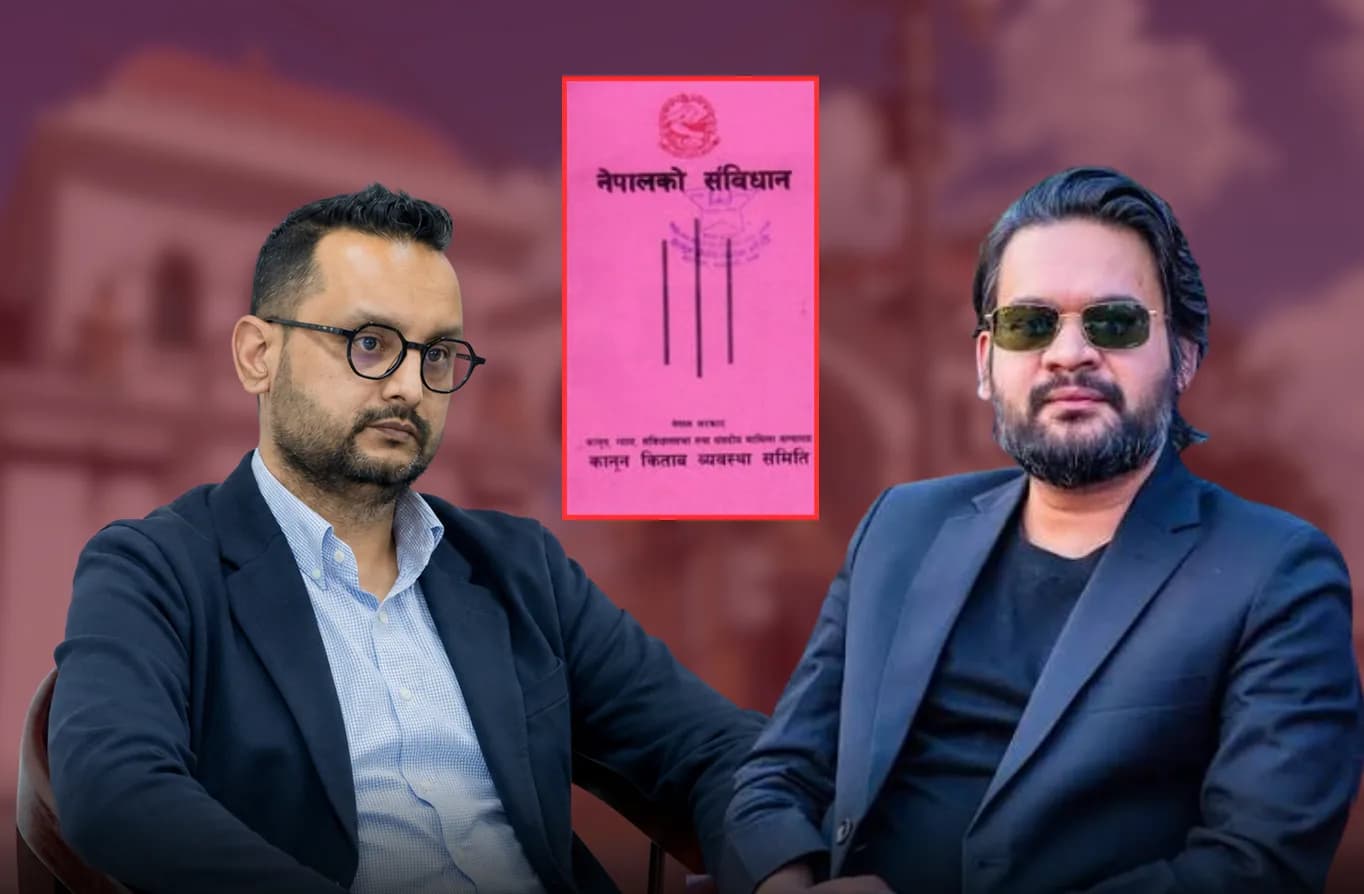
The government formed task force preparing a discussion paper on constitutional amendment has reached the final stage of report writing, but its credibility has come under serious question after four opposition parties announced their withdrawal from the process.
Representatives from the Communist Party of Nepal, Janata Samajbadi Party, Loktantrik Samajbadi Party, and Rastriya Janamorcha submitted a joint letter on Monday, July 6, saying they would no longer take part in the meetings of the task force. The parties have questioned the mandate, legitimacy, and purpose of the task force, while also demanding that the entire discussion paper process be cancelled.
The task force was formed by the government to prepare a discussion paper for possible changes to the Constitution. It was created on March 30 under the leadership of Asim Shah, the political advisor to Prime Minister Balendra Shah. The decision followed the government’s 100 point governance reform agenda, which included a plan to build national consensus on constitutional amendment.

The agenda, approved during the first cabinet meeting of the Balendra Shah led government on March 27, stated that the Office of the Prime Minister and Council of Ministers would form a task force within seven days to prepare a constitutional amendment discussion paper. The task force held its first meeting on April 7.
Over the past three months, the task force collected views and recommendations from several groups and individuals. It held discussions with the former President, former Prime Ministers, constitutional experts, legal practitioners, private sector representatives, and other stakeholders. According to task force member Mohan Lal Acharya, more than 44,000 suggestions have been received from across the country.
However, the exit of four participating opposition parties has created a major political challenge for the task force just before it prepares to submit its report to the government. The report is expected to be submitted to Prime Minister Shah within the given deadline in the middle of July.
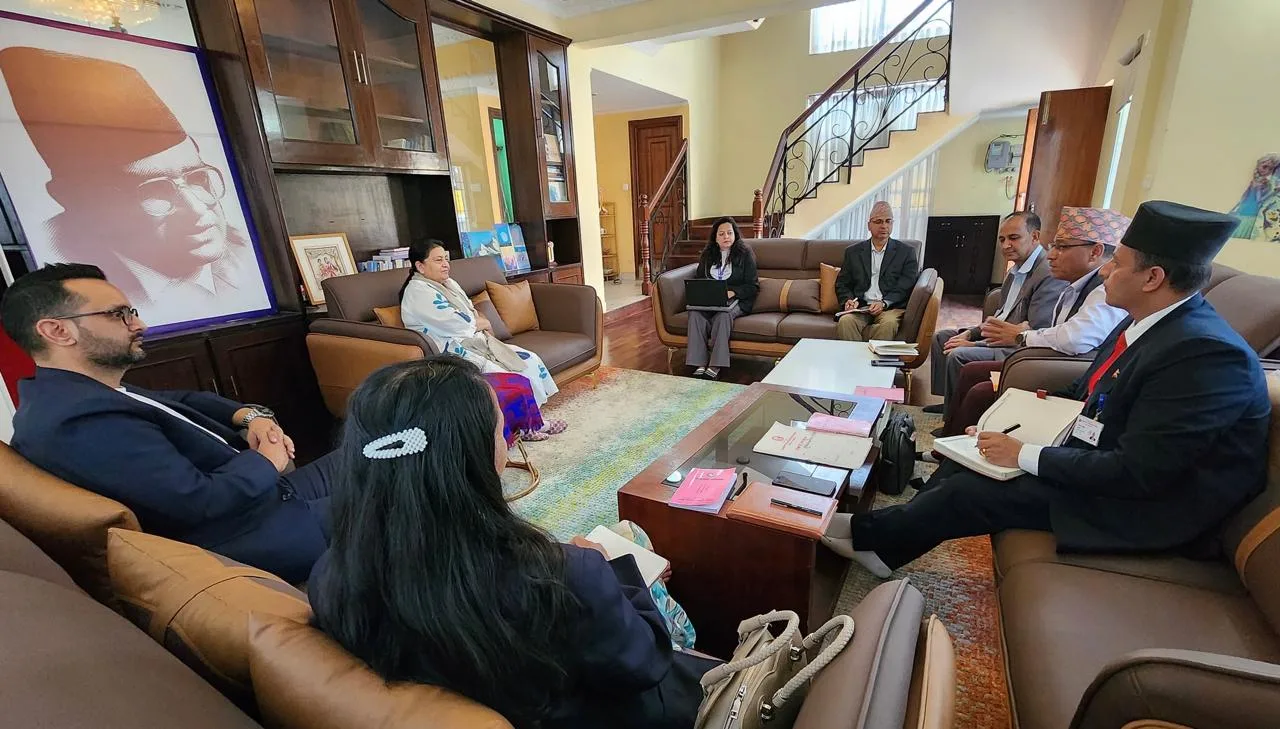
In their joint letter, the opposition representatives said the task force’s recommendation collection process appeared to be opening up all articles and clauses of the Constitution. They claimed this raised serious concern that the process could move beyond amendment and turn into an attempt to rewrite the entire Constitution.
The letter was signed by Dev Gurung from the Communist Party of Nepal, Surendra Jha from the Janata Samajbadi Party, Laxman Lal Karna from the Loktantrik Samajbadi Party, and Manoj Bhatta from the Rastriya Janamorcha. They informed task force coordinator Shah that they would not participate in meetings from July 6 onward.
The parties also said they could not clearly understand whether the government wanted a limited constitutional amendment or a full constitutional rewrite. They argued that the task force must not move forward without a clear political understanding on which issues need amendment and why.
In the six point letter, the parties demanded that the government clearly state its commitment to protecting the preamble of the Constitution and the articles and clauses connected to the country’s basic constitutional values. They said the government must first hold an all party meeting of leaders represented in the Federal Parliament to build national consensus.
The withdrawing parties also alleged that the process could threaten the basic structure of the Constitution, which they said was achieved through long political struggle, people’s movements, and sacrifices. They argued that constitutional amendment should not be treated as a general administrative exercise and must be handled with broad political agreement.
Questions have also been raised over the leadership of the task force. Some political leaders and legal practitioners have questioned why Asim Shah was appointed as coordinator, saying he is neither a member of the Federal Parliament nor a constitutional expert. These concerns were reportedly raised during discussions called by the task force.
Despite the withdrawal of the opposition parties, the task force has continued its work. Mohan Lal Acharya, a House of Representatives member from the Rastriya Swatantra Party who is also part of the task force, said the concerns were raised only after the report writing process had already started.
Acharya said the parties stayed in the task force for 83 days and took part in discussions with several stakeholders before raising questions about the very name and scope of the task force. He said the task force had shown flexibility and was ready to discuss concerns, but the opposition parties still decided to leave.
According to Acharya, it is not wrong to discuss different constitutional issues as long as the process does not go against the basic structure of the Constitution. He said discussion does not automatically mean that changes will be made to every part of the Constitution.
He also said the task force would move forward only on issues where there is common consensus, while issues without agreement could remain open for further discussion. Acharya argued that limiting the scope of discussion would be unfair to the thousands of people who submitted suggestions from across the country.
The task force’s credibility had already been questioned earlier because the main opposition party, Nepali Congress, never sent its representative. Another opposition party, CPN UML, attended two meetings before deciding not to participate further. The latest exit of four more parties has made the process more politically sensitive.
The Constitution of Nepal is seen as a major achievement of the country’s political struggle. Any attempt to amend it is expected to involve wide political consultation, public trust, and clear purpose. The withdrawal of opposition parties has now raised serious questions over whether the current task force can carry the process forward with enough confidence and legitimacy.
As the task force prepares to submit its report, the government faces a key challenge. It must now decide whether to continue with the existing process or take fresh steps to build wider political agreement. The coming days will be important in determining whether the constitutional amendment discussion moves ahead smoothly or becomes a deeper political dispute.
Published Jul 9 in Politics