
Cancer Treatment Support Nearly Doubles As Nepal Faces Rising Disease Burden
The number of cancer patients receiving government treatment support in Nepal has nearly doubled over the past four years, reflecting the country's growing cancer burden. Health experts warn that tobacco use, unhealthy diets, alcohol consumption, obesity, and physical inactivity are driving the rise, while stressing that early detection remains the best way to improve survival.
· 2 min read
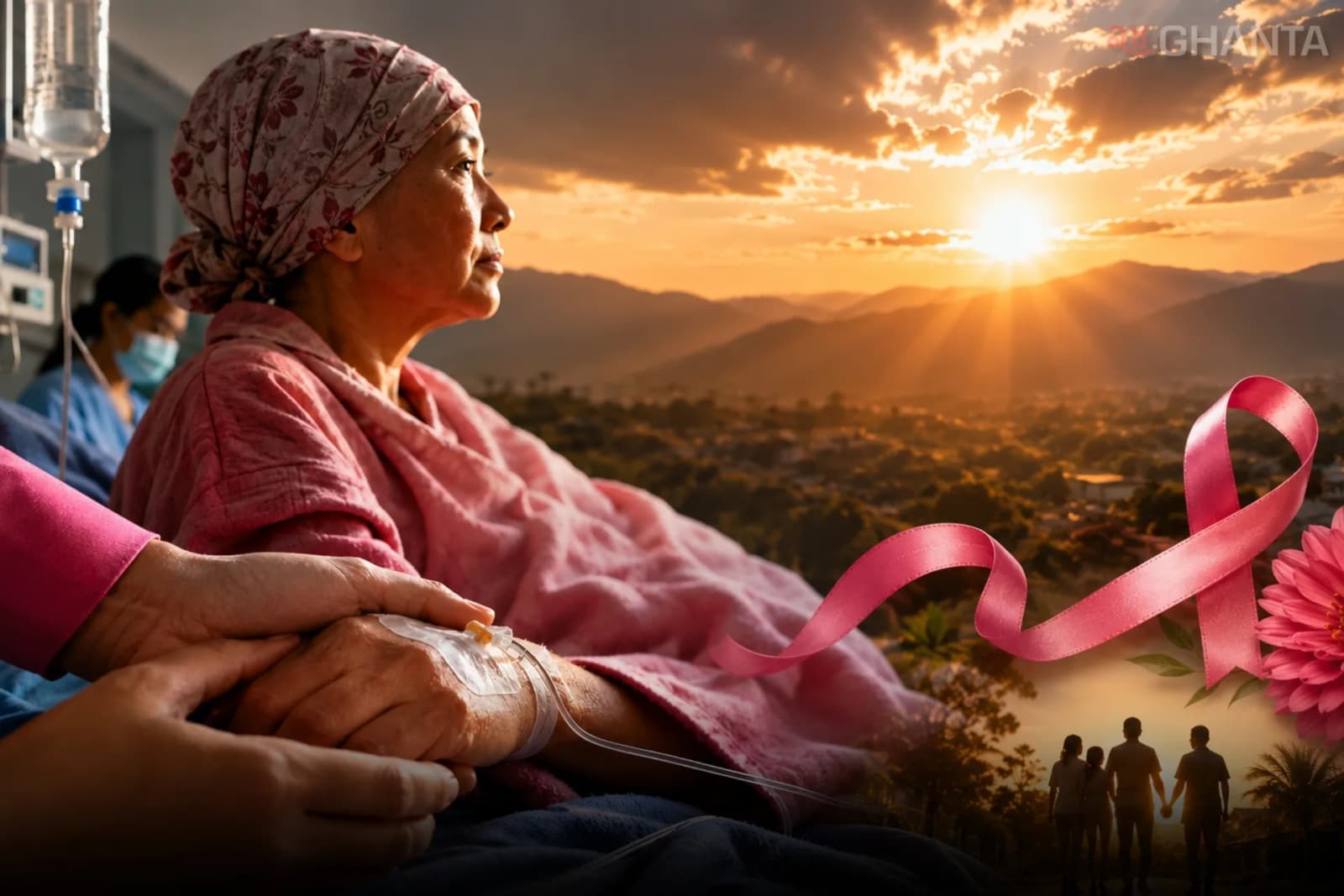
The Government of Nepal, through the Ministry of Health and Population, has reported a sharp increase in the number of cancer patients receiving financial treatment support, with beneficiaries rising from 15,187 in fiscal year 2077/78 to 28,678 in fiscal year 2081/82. The increase reflects Nepal's growing cancer burden, prompting health authorities to expand access to treatment assistance of up to Rs 100,000 per patient, while several provincial governments provide additional financial support to reduce the cost of care and encourage timely treatment.
Cancer Burden Continues To Rise

Health officials say the growing number of patients is linked to several preventable risk factors, including tobacco use, alcohol consumption, unhealthy diets, obesity, physical inactivity, air pollution, and increasing life expectancy. Tobacco remains the single largest preventable cause of cancer in Nepal, contributing to thousands of new cases every year. Experts also note that delayed diagnosis and limited access to specialised cancer services outside major cities continue to affect treatment outcomes.
Lung And Cervical Cancer Remain Major Concerns
Lung cancer remains the most commonly diagnosed cancer in Nepal, largely due to smoking and long-term exposure to indoor and outdoor air pollution. Among women, cervical cancer continues to be one of the leading causes of cancer-related illness and death, despite being highly preventable through HPV vaccination and regular cervical screening. Breast cancer is also among the fastest-growing cancers affecting Nepali women.
Early Detection Can Save Lives
Doctors emphasise that many cancer cases can be prevented or treated successfully if detected early. They recommend avoiding tobacco and excessive alcohol, eating a balanced diet rich in fruits and vegetables, maintaining a healthy weight, exercising regularly, receiving recommended vaccinations such as HPV and hepatitis B, and undergoing routine health screenings. Health authorities say strengthening awareness campaigns, expanding screening programmes, and improving access to cancer care across Nepal will be critical in reducing future cancer deaths.
Published Jun 28 in Health