24 Ghanta

Search

40 results for "Constitution"

What Did Nepal Tell the World? Foreign Minister Briefs Parliament on UNGA Mission

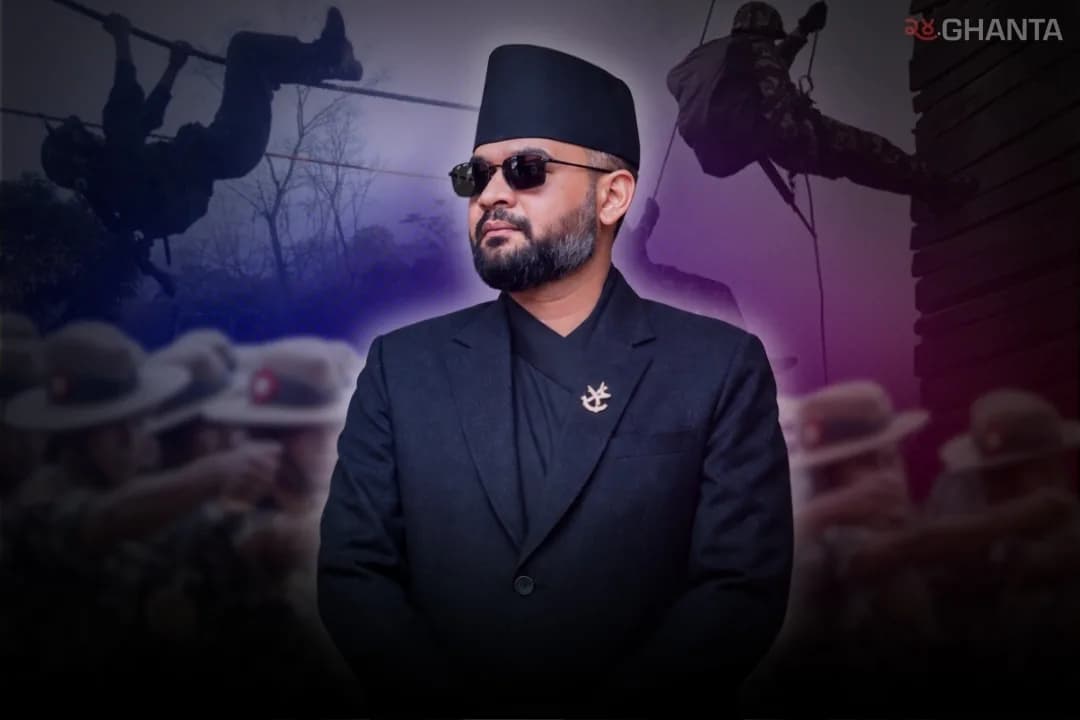
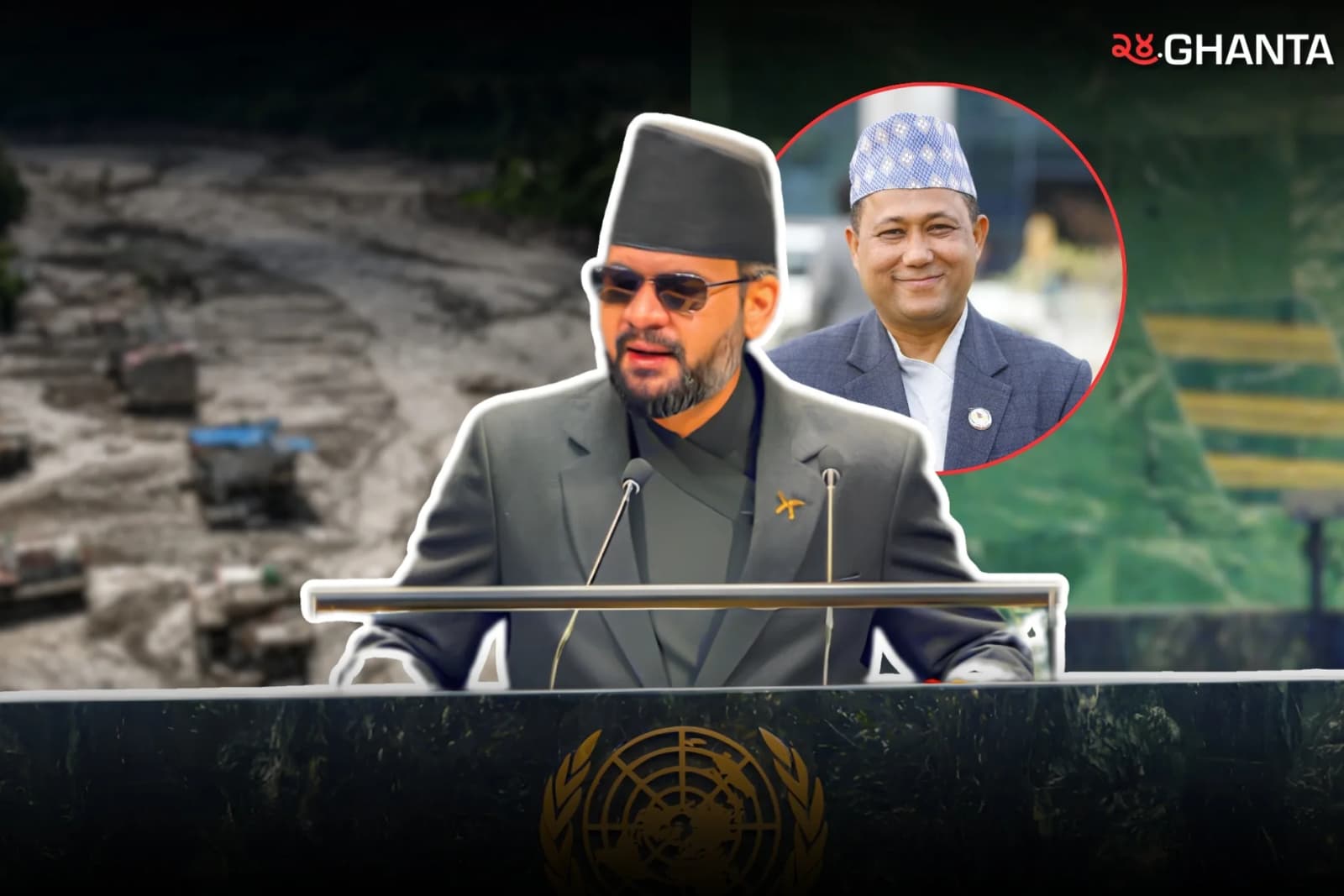
Foreign Minister Shisir Khanal briefed the House of Representatives on October 2 about Nepal’s participation in the 81st United Nations General Assembly, saying Prime Minister Balendra Shah’s address helped push Nepal’s call for climate justice at the global level. Nepal’s delegation also used meetings in New York to raise the country’s climate risks, recent disaster losses, reconstruction needs and other national priorities with international partners.

5 days ago
Nepal Takes Climate Case Global

Six Months of Balen Government: How Much Has Actually Changed?

Prime Minister Balendra Shah’s government has completed six months in office, after beginning its term with a 100-point governance reform agenda covering administration, corruption control, public services, laws and the economy. At its first 100-day review, the government claimed 87.2% overall progress and said 70 of the 100 agenda items had been implemented, but six months into the term, several promised legal and institutional reforms remain unfinished.

Sep 28
Balen Government Completes Six Months

Arrest Does Not Mean Handcuffs: Supreme Court Sets Limits for Nepal Police

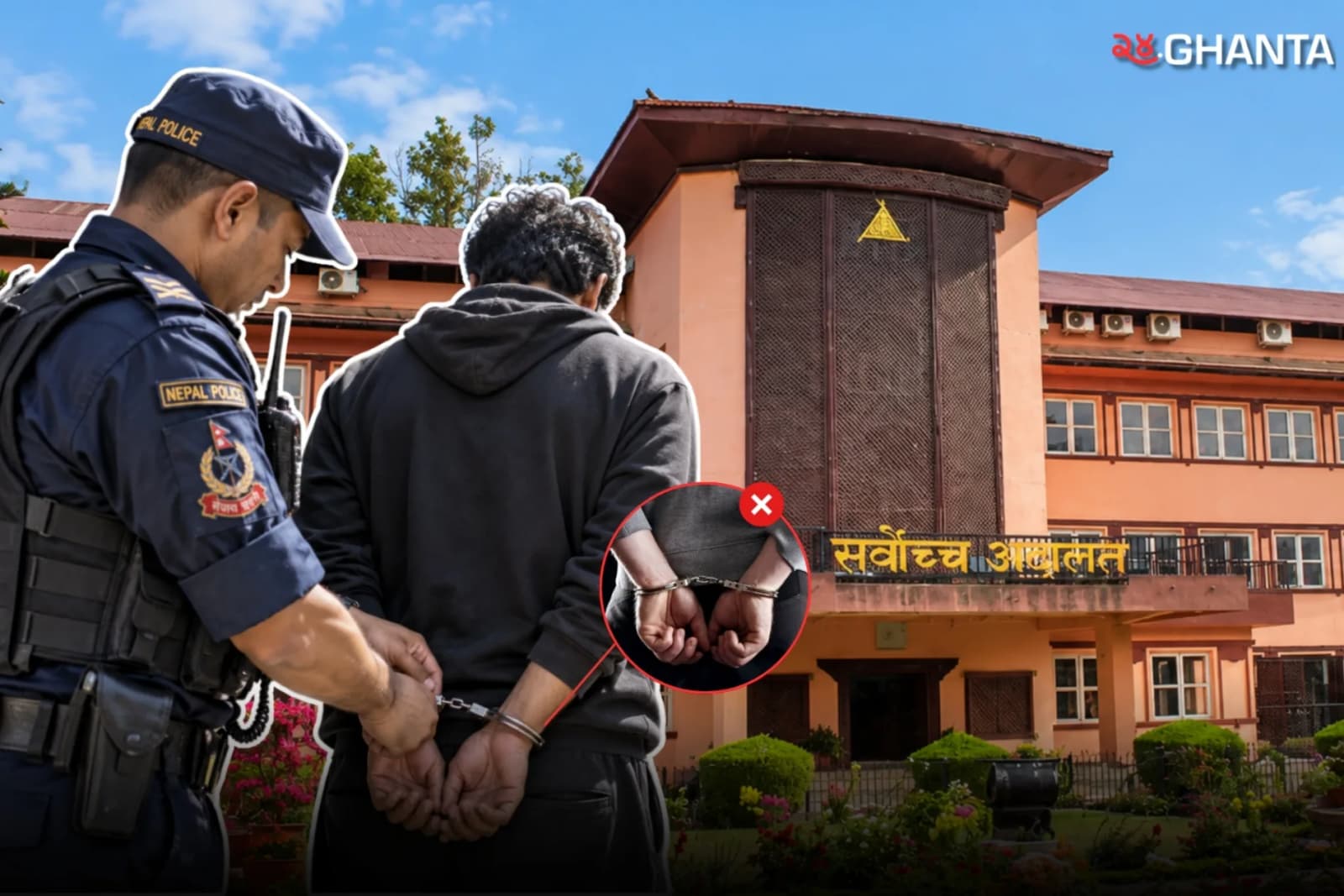
The Supreme Court has ordered Nepal Police to stop routinely handcuffing every person arrested for investigation, ruling that restraints should be used only after an objective assessment finds a genuine risk of escape, violent resistance, or harm to the arrested person or others. The interim order, issued by a joint bench of Justices Nahakul Subedi and Shanti Singh Thapa, also requires police to record why handcuffs were considered necessary in each case.

Sep 22
Court Limits Routine Police Handcuffing

No More Open Trash In Public Places? Nepal Proposes To Make Covered Dustbins Mandatory Within 3 Months

The Government of Nepal has registered a new Waste Management Bill in the House of Representatives that proposes mandatory covered dustbins in public places within three months after the law comes into effect. The bill aims to improve waste management by defining the responsibilities of individuals, local governments and other authorities while promoting waste segregation and cleaner public spaces.

Sep 17
Nepal Plans Cleaner Public Spaces

One Year Ago, Nepal Turned to Sushila Karki After Gen Z Protests Changed the Country

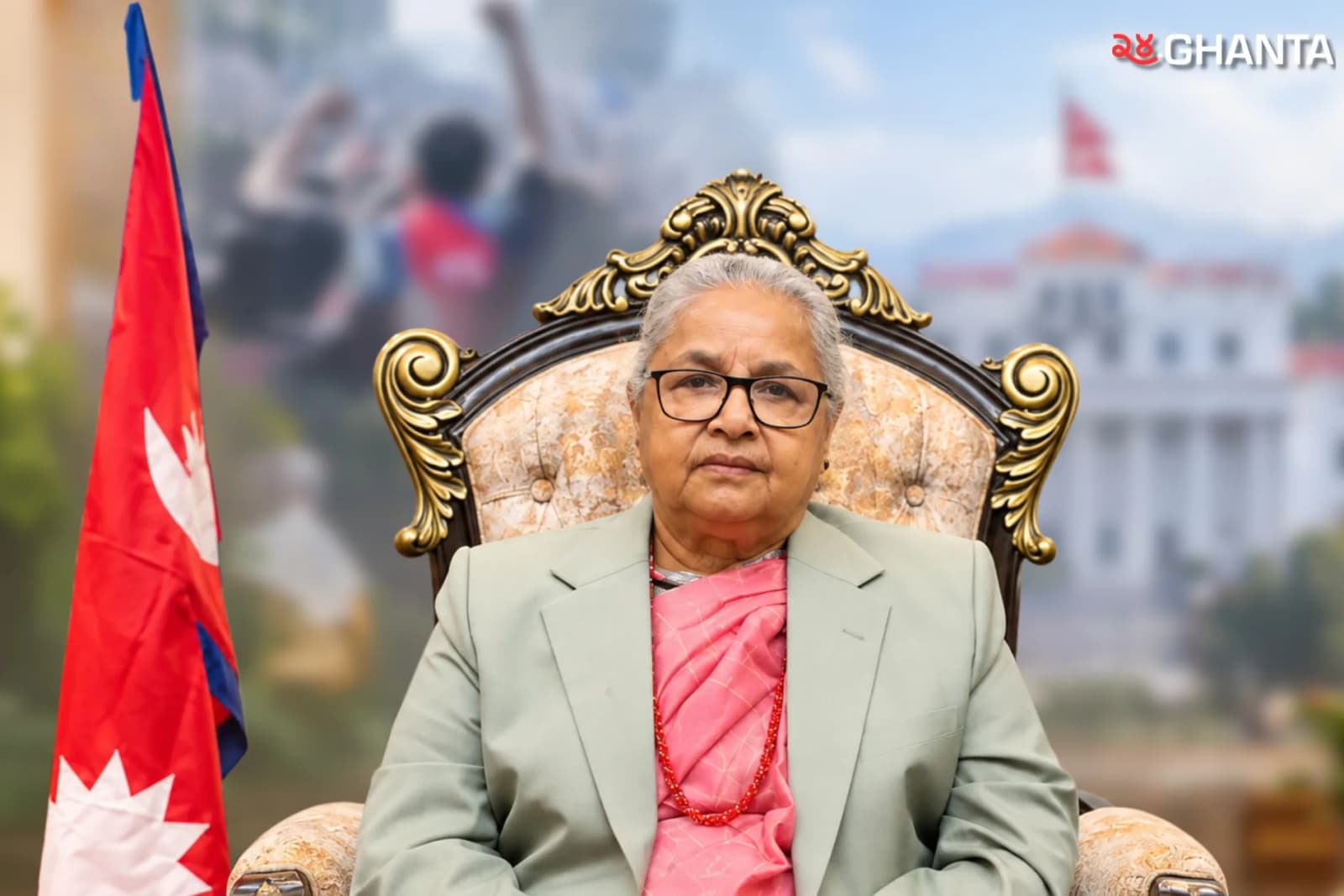
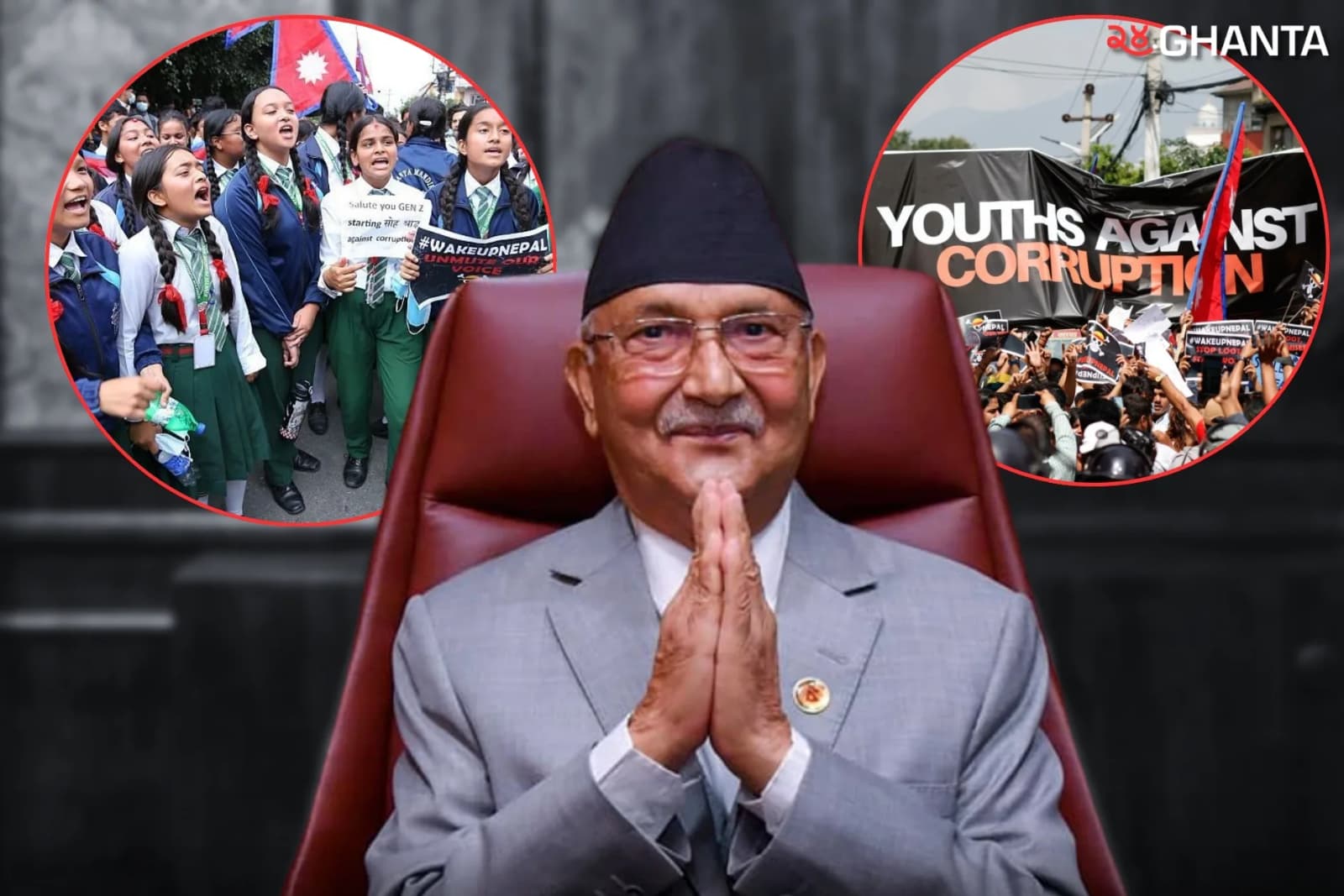
One year ago, on September 12, 2025, former Chief Justice Sushila Karki was sworn in as Nepal’s first woman Prime Minister, taking charge of an interim government after the Gen Z movement, deadly unrest and the resignation of KP Sharma Oli pushed the country into an extraordinary political crisis. Karki, already known as Nepal’s first female Chief Justice and for her strong anti-corruption image, was given the immediate responsibility of restoring stability and taking the country toward a new House of Representatives election within six months.

Sep 13
Gen Z Changed Nepal’s Leadership

Khushbu Oli Pushes Death Penalty Debate for Heinous Crimes: Can Nepal’s Law Actually Change?

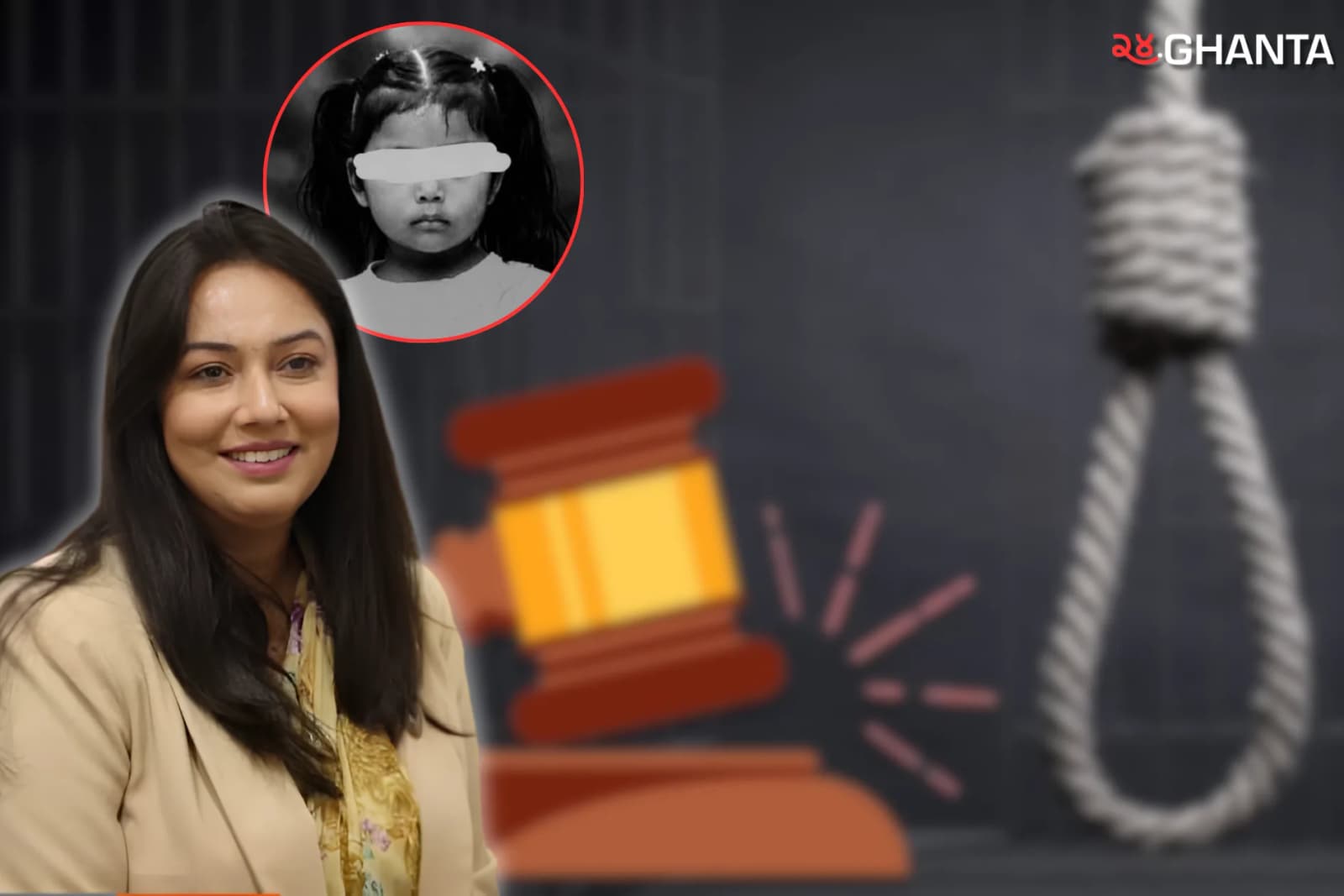
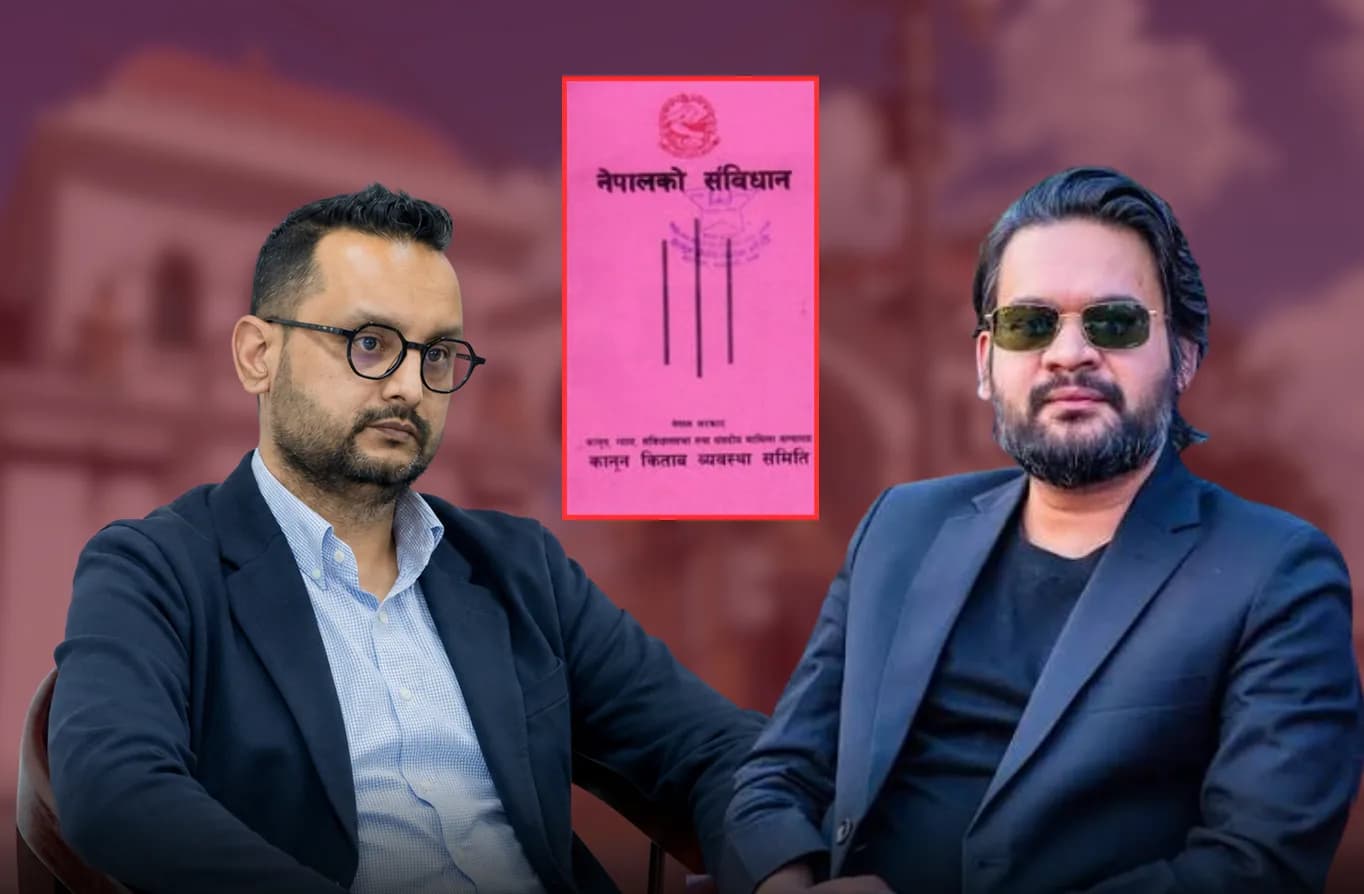
RPP lawmaker Khushbu Oli has called for Nepal to debate whether the death penalty should be considered for heinous crimes such as rape and murder, arguing that discussion should go beyond simply increasing prison terms. She also urged a review of the statute of limitations in rape cases and questioned whether Nepal’s existing constitutional and international commitments should stand in the way of tougher punishment.
Aug 24
Oli Pushes Death Penalty Debate

Why Nepal Has No Death Penalty

Nepal cannot simply introduce the death penalty because Article 16(2) of the Constitution prohibits capital punishment. Nepal is also bound by the Second Optional Protocol to the ICCPR, which commits the country to abolition. However, Nepal can still pursue stronger laws, better investigations, victim protection, prevention, and greater accountability within its legal framework.

Aug 24
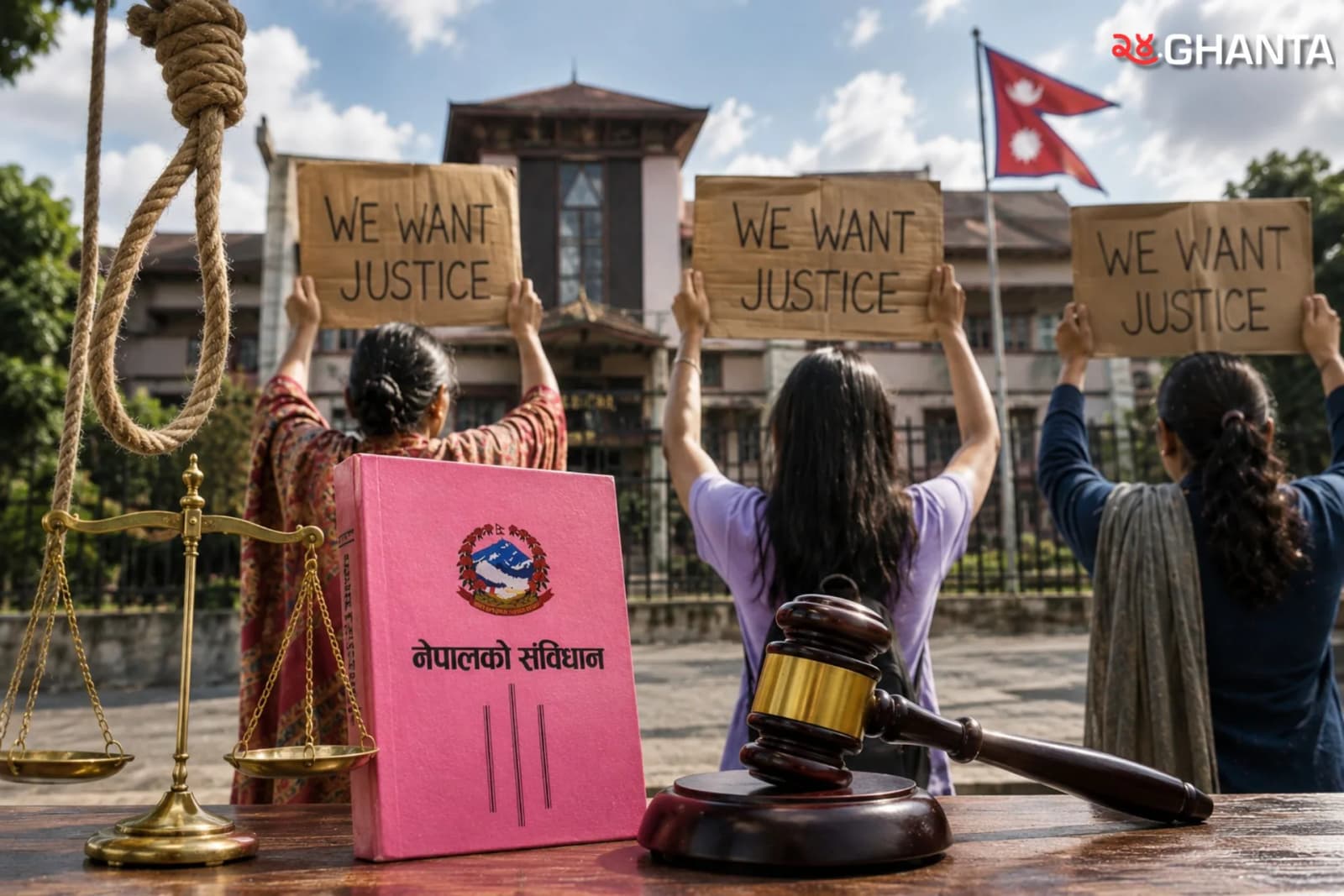
Citizens demanding justice while the Constitution, legal system, and death penalty debate stand at the center of the national conversation.

Why Sobita Gautam Says Nepal Cannot Introduce the Death Penalty Despite Public Demands

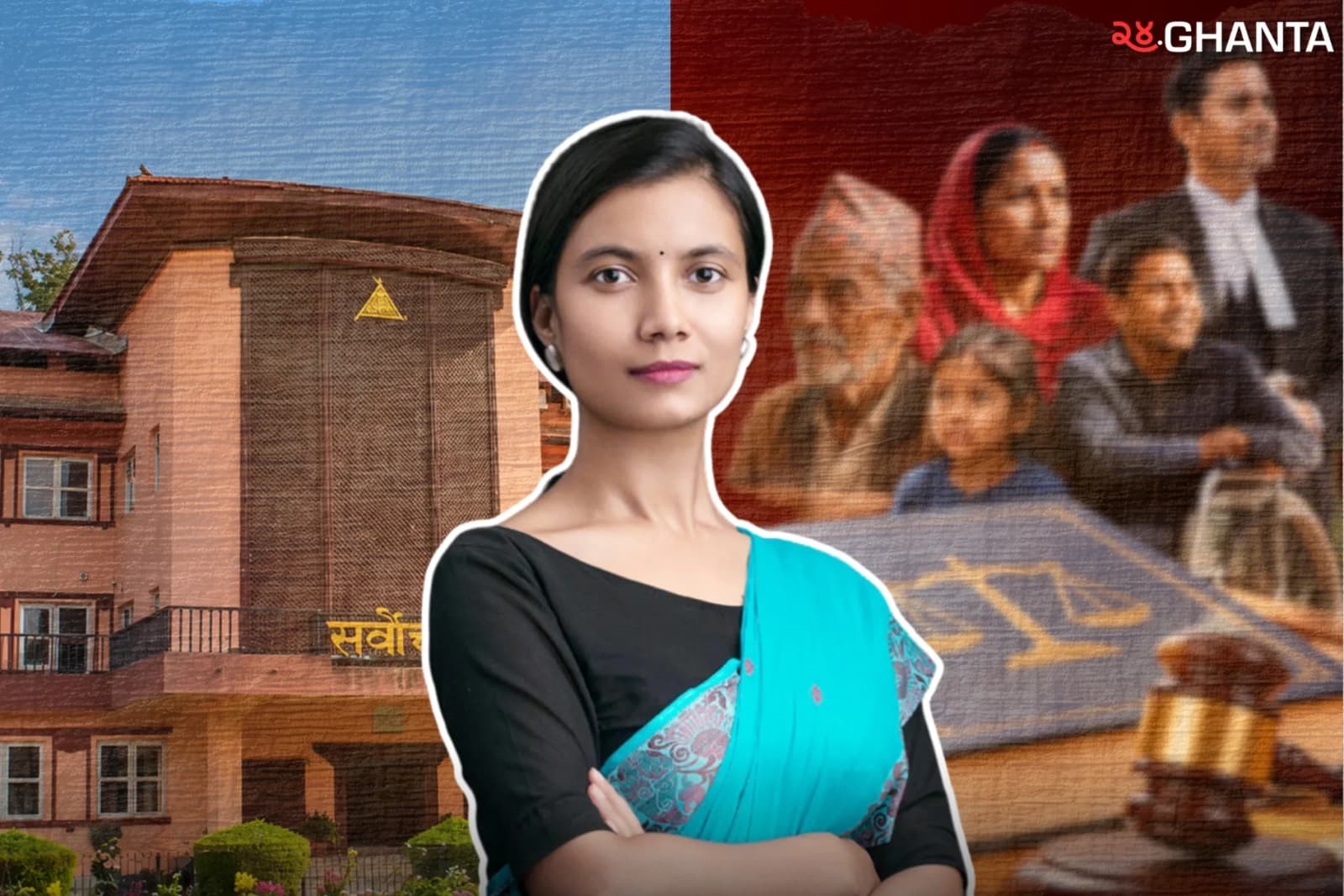
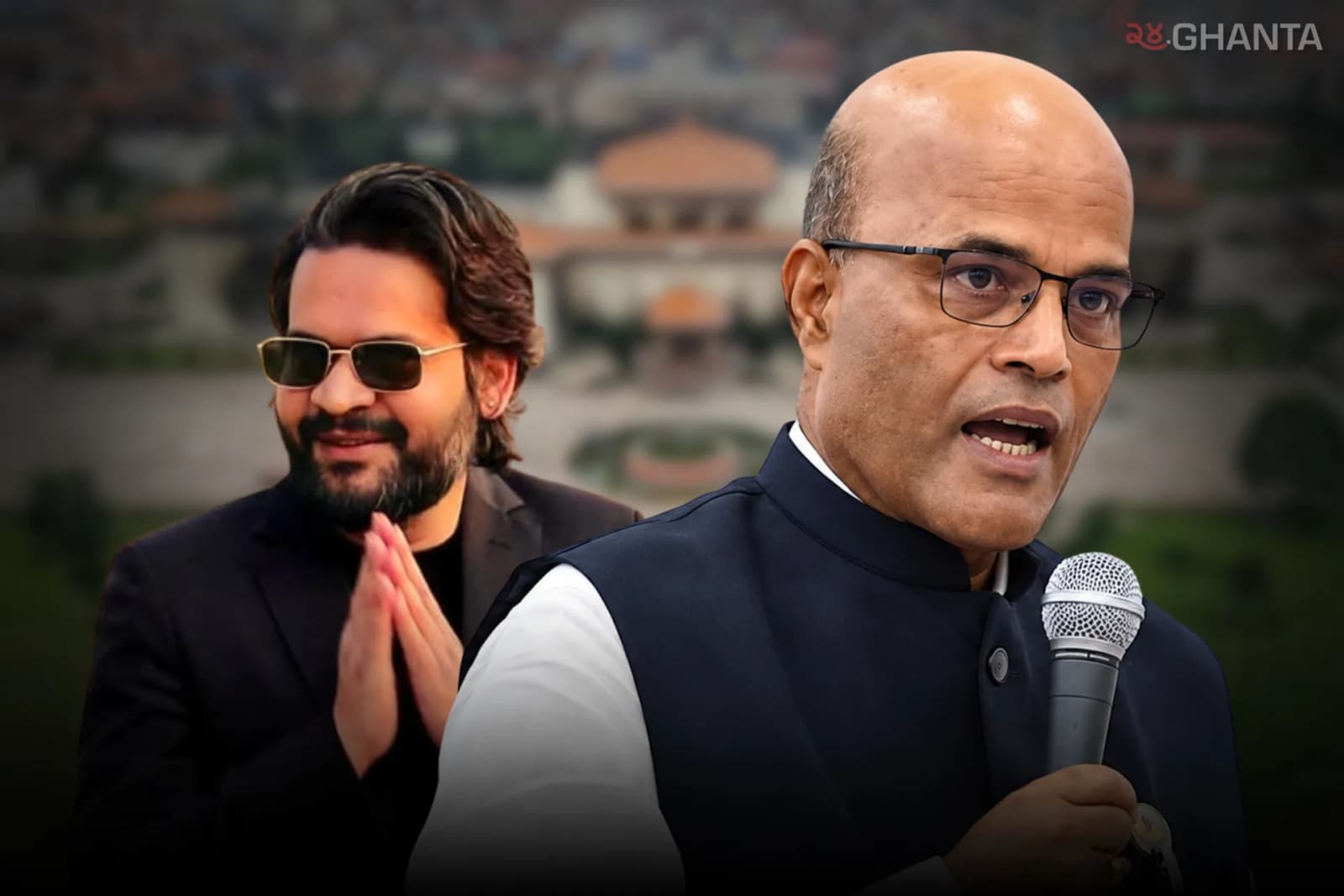
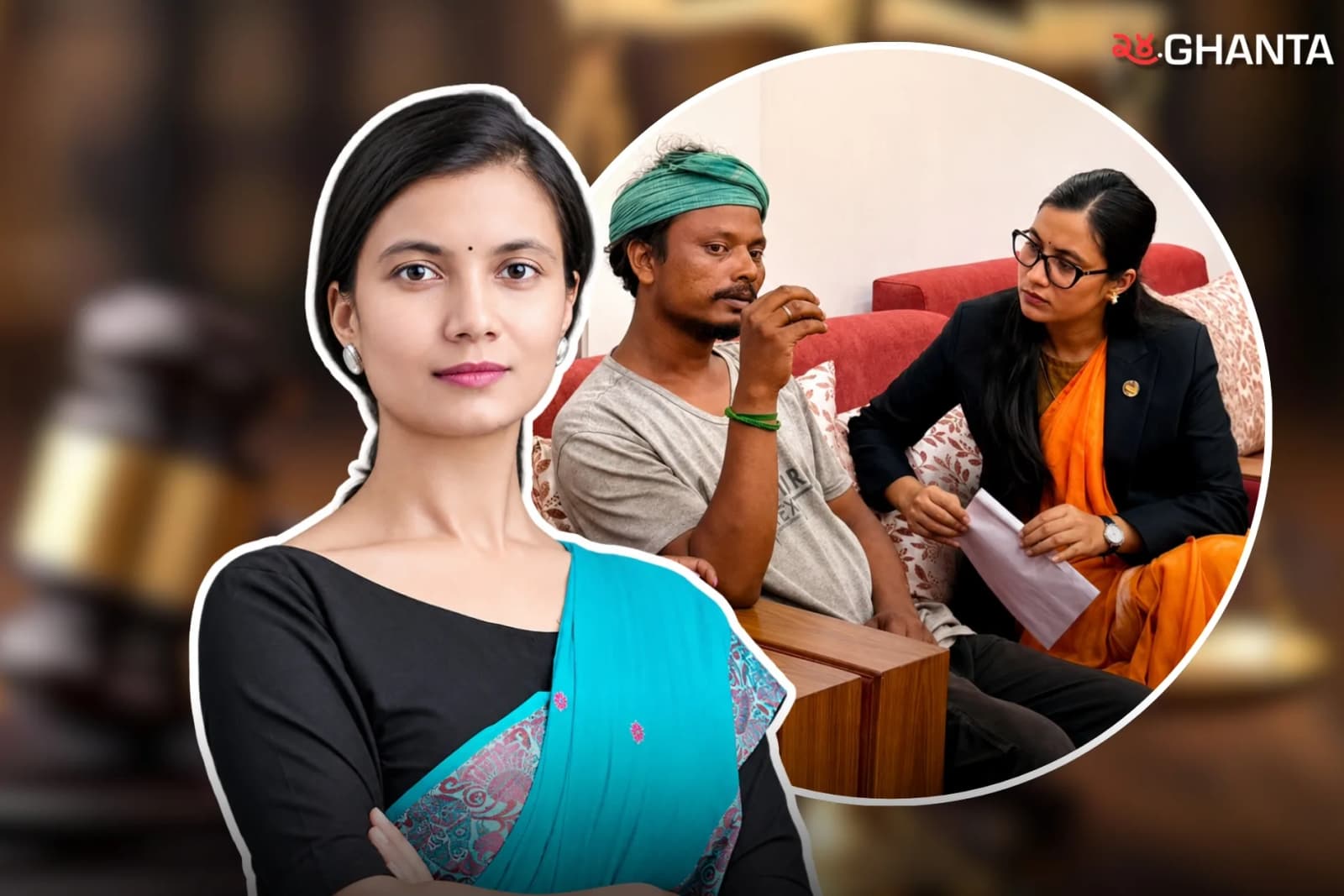
Law Minister Sobita Gautam says Nepal cannot introduce the death penalty under its current constitutional and international legal framework, despite growing public demands following the Garima Chaudhary case. Instead, the government, following talks involving Home Minister Sudan Gurung, Gautam and Garima's parents, reached a three-point agreement that includes a seven-day review of laws and punishments for heinous crimes.

Aug 23
Why Sobita Gautam Says Nepal Cannot Introduce the Death Penalty Despite Public Demands

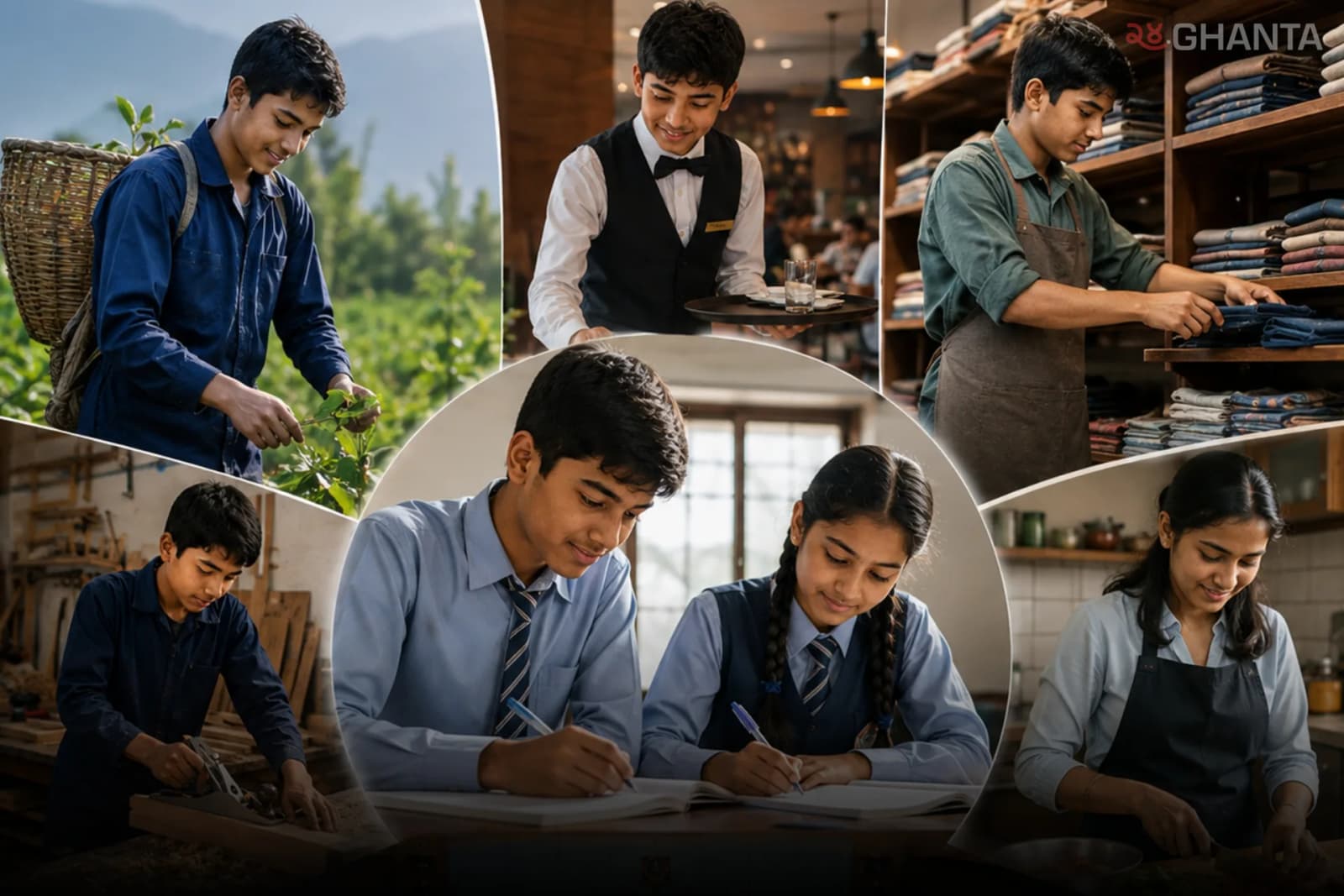
School Won’t Give Your Certificate? School Rules Nepali Students & Parents Should Know

Nepal’s education laws give students specific protections when schools delay or refuse Transfer Certificates, especially for children who have not completed basic education. But the rules also allow schools to require certain dues before issuing a TC, so the answer depends on the student’s grade, certificate type, and situation. Parents can also challenge certain refusals, and schools may face fines for violating specific legal provisions.

Aug 19
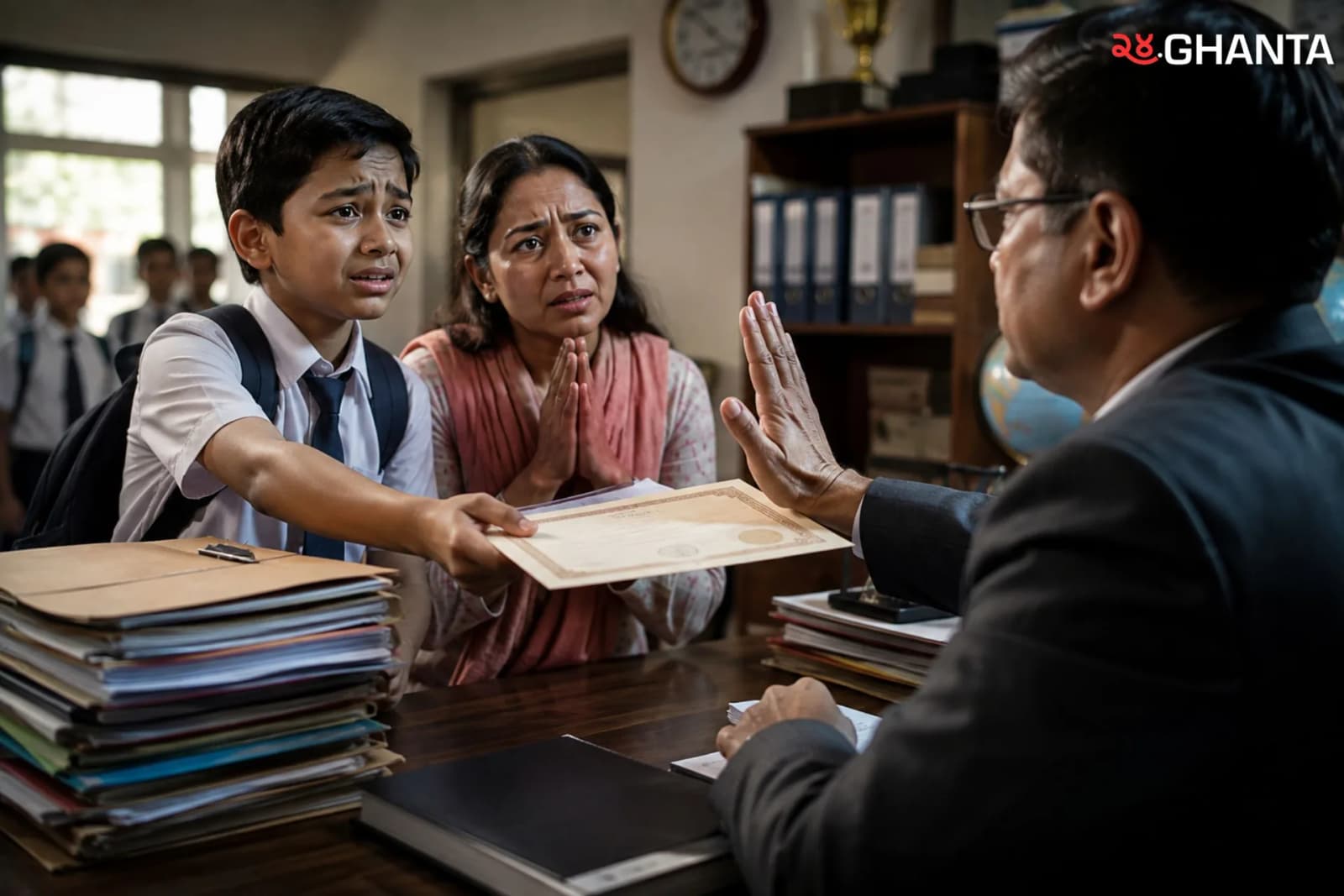
A student and parent challenge a school for refusing to release a Transfer Certificate.

Nepal Police Seeks Call Interception Power, Raising Fresh Privacy Concerns

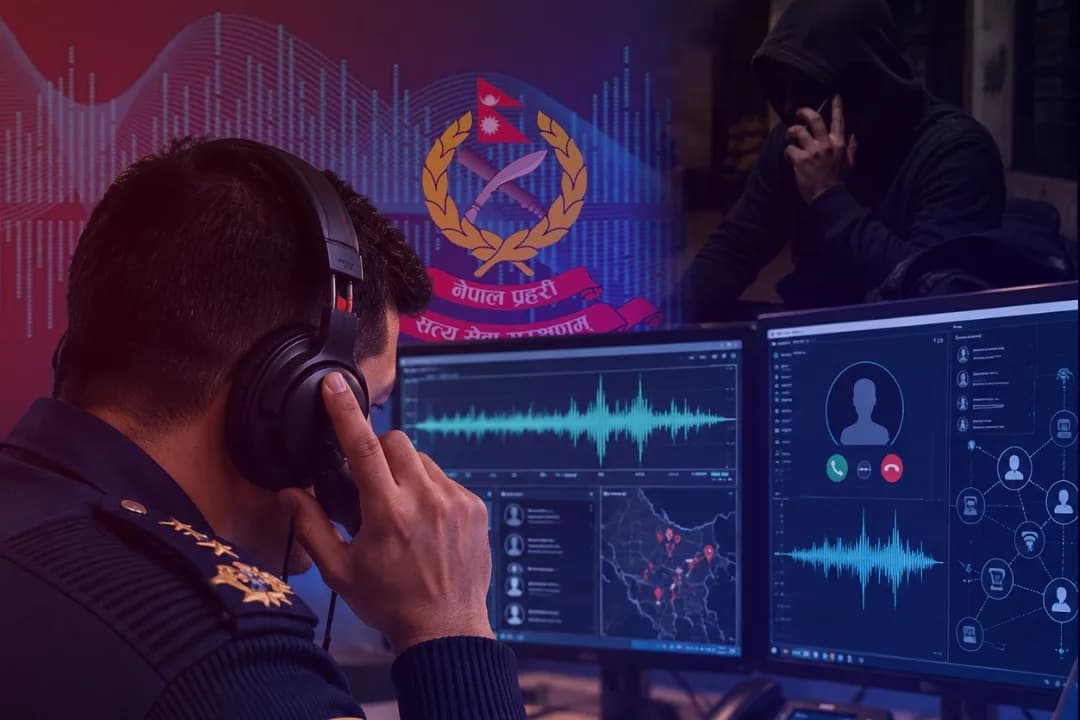
Nepal Police has requested legal powers to intercept telephone calls and digital communications in real time during serious criminal investigations. While police argue the move is necessary to fight technology-based crimes, lawyers and rights advocates warn that such powers could threaten citizens’ constitutional right to privacy without strong safeguards.

Aug 12
Nepal Police Wants Power To Tap Calls

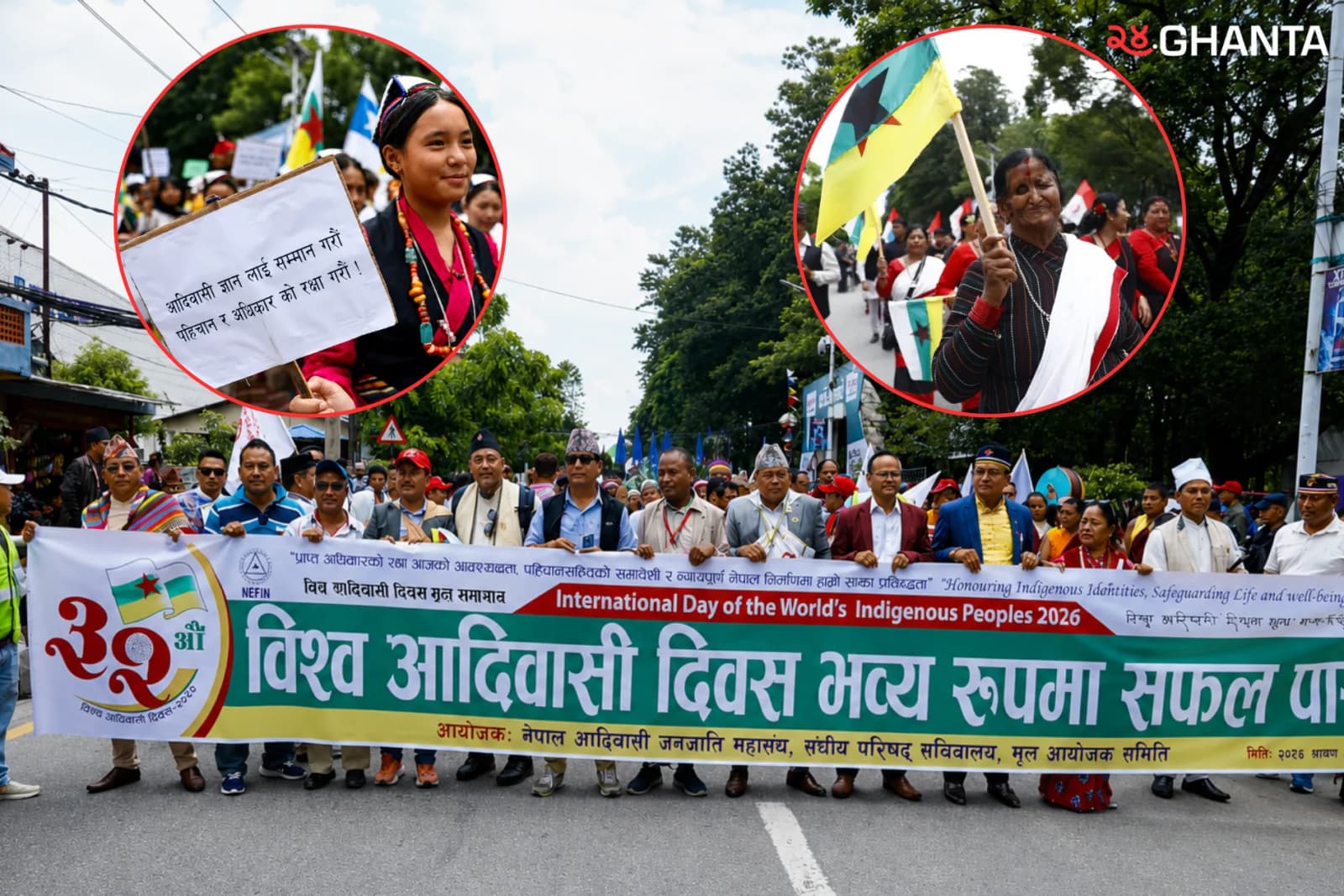
More Than a Festival: Thousands Gather in Kathmandu to Celebrate Indigenous Identity and Rights

Kathmandu turned into a vibrant showcase of Nepal’s Indigenous heritage on Sunday as communities gathered for the 32nd World Indigenous Peoples Day, bringing traditional clothing, music, dance, food and cultural displays to the capital. Beyond the celebration, NEFIN used the occasion to highlight continuing concerns involving identity, language, cultural preservation, land, natural resources, representation and constitutional rights.

Aug 9
Indigenous Nepal Celebrates Culture, Rights

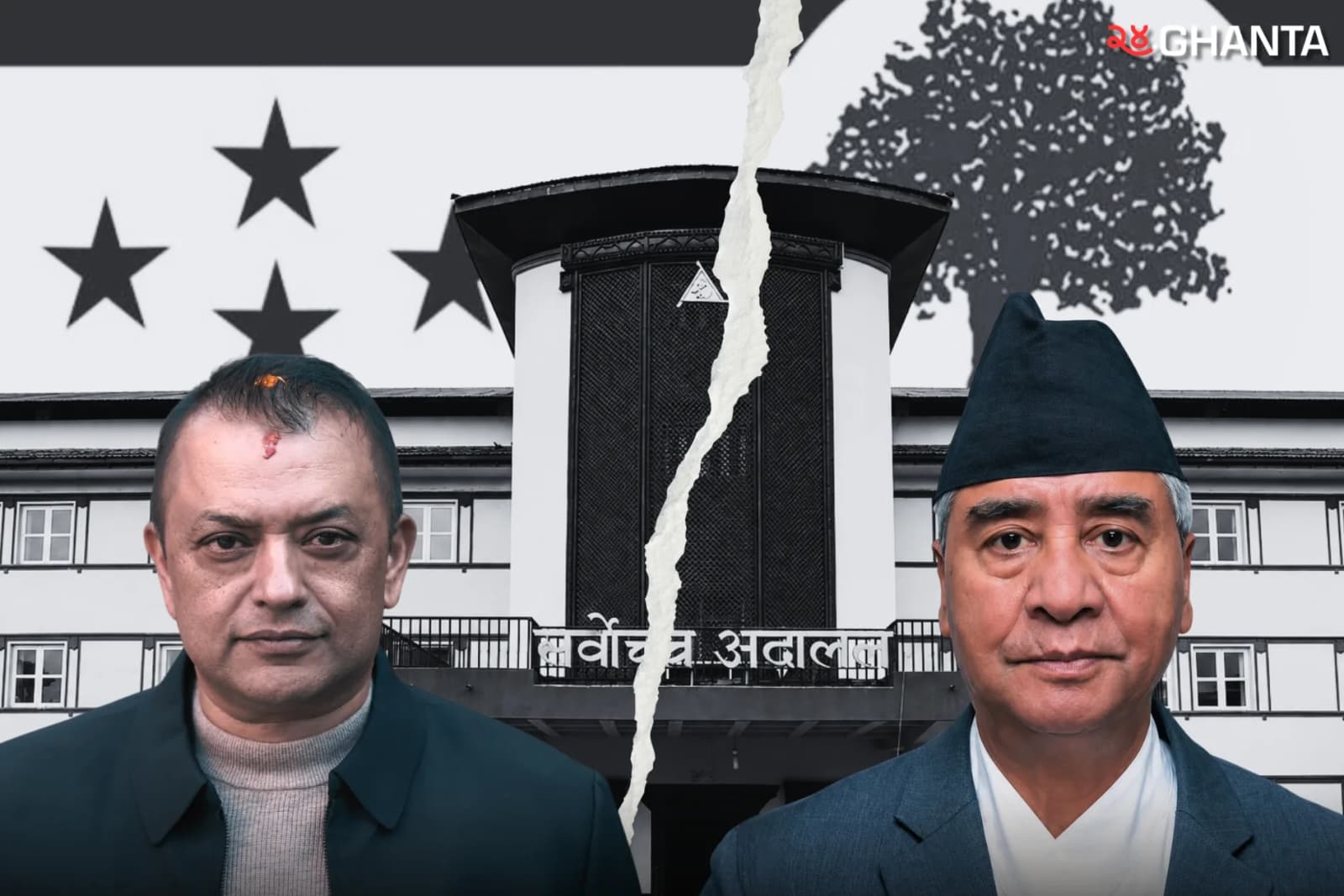
Supreme Court Reopens Congress Power Fight: Is a Party Split Now Less Likely?

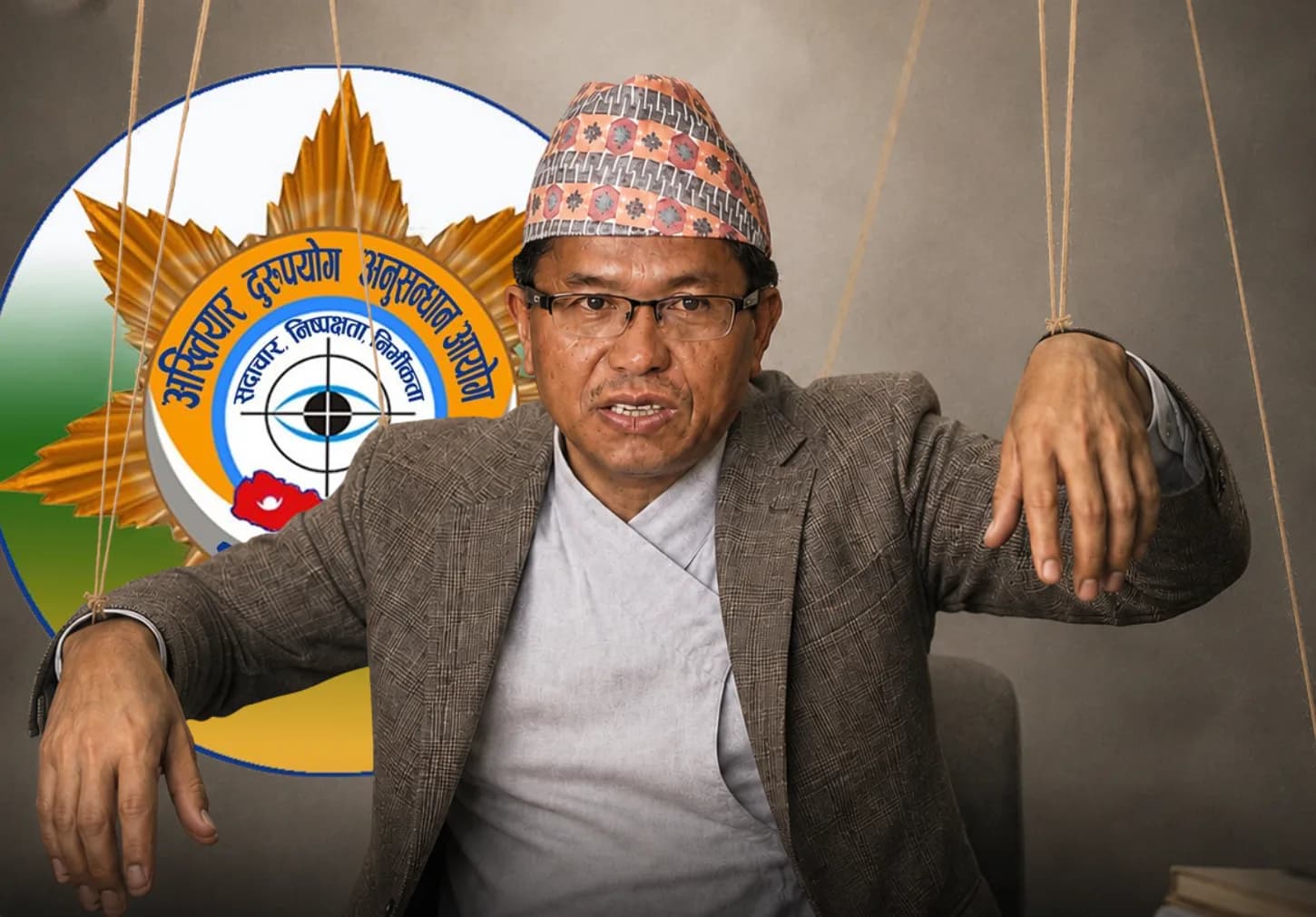
The Supreme Court has reopened the Nepali Congress leadership dispute by allowing Sher Bahadur Deuba and Purna Bahadur Khadka to seek a review of the April 17 ruling that upheld Gagan Thapa’s leadership. Thapa remains the legally recognised party president for now, but the fresh court process has disrupted convention planning and appears to have reduced the immediate possibility of the Deuba camp breaking away to form another party.

Aug 7
Court Reopens Congress Leadership Battle

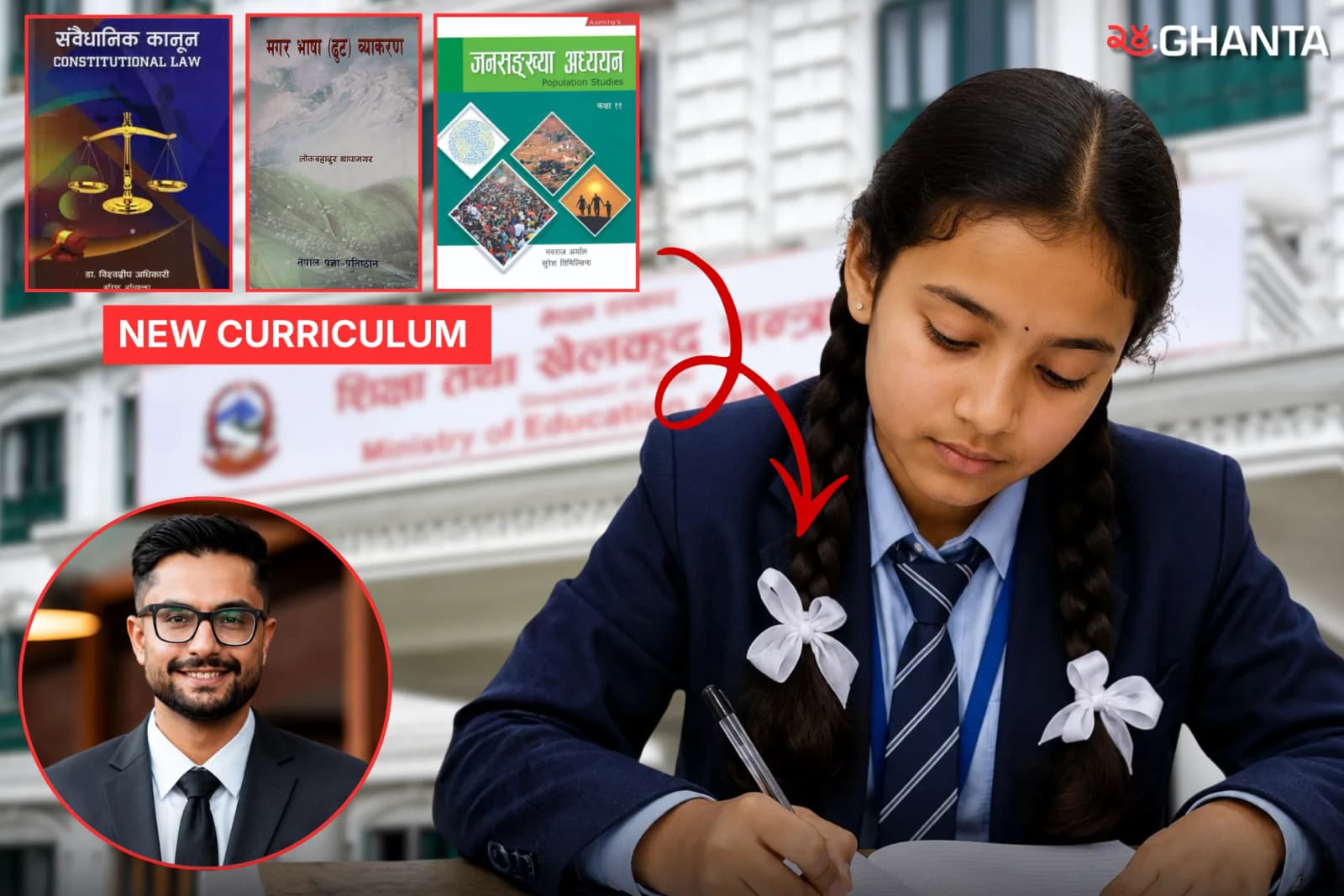
Nepal Has 300+ School Curriculums, But How Many Actually Reach Classrooms?

Nepal is preparing eight new curriculum packages for Classes 6–12, covering mother languages, Population Studies, Tantra Shastra and law-related education, with the proposals awaiting final approval from the Ministry of Education and Sports. The expansion pushes the number of school-level curriculums developed beyond 300, but shortages of students and qualified teachers mean some government-developed curriculums still never make it into actual classrooms.

Aug 4
Eight New Curriculums Await Approval

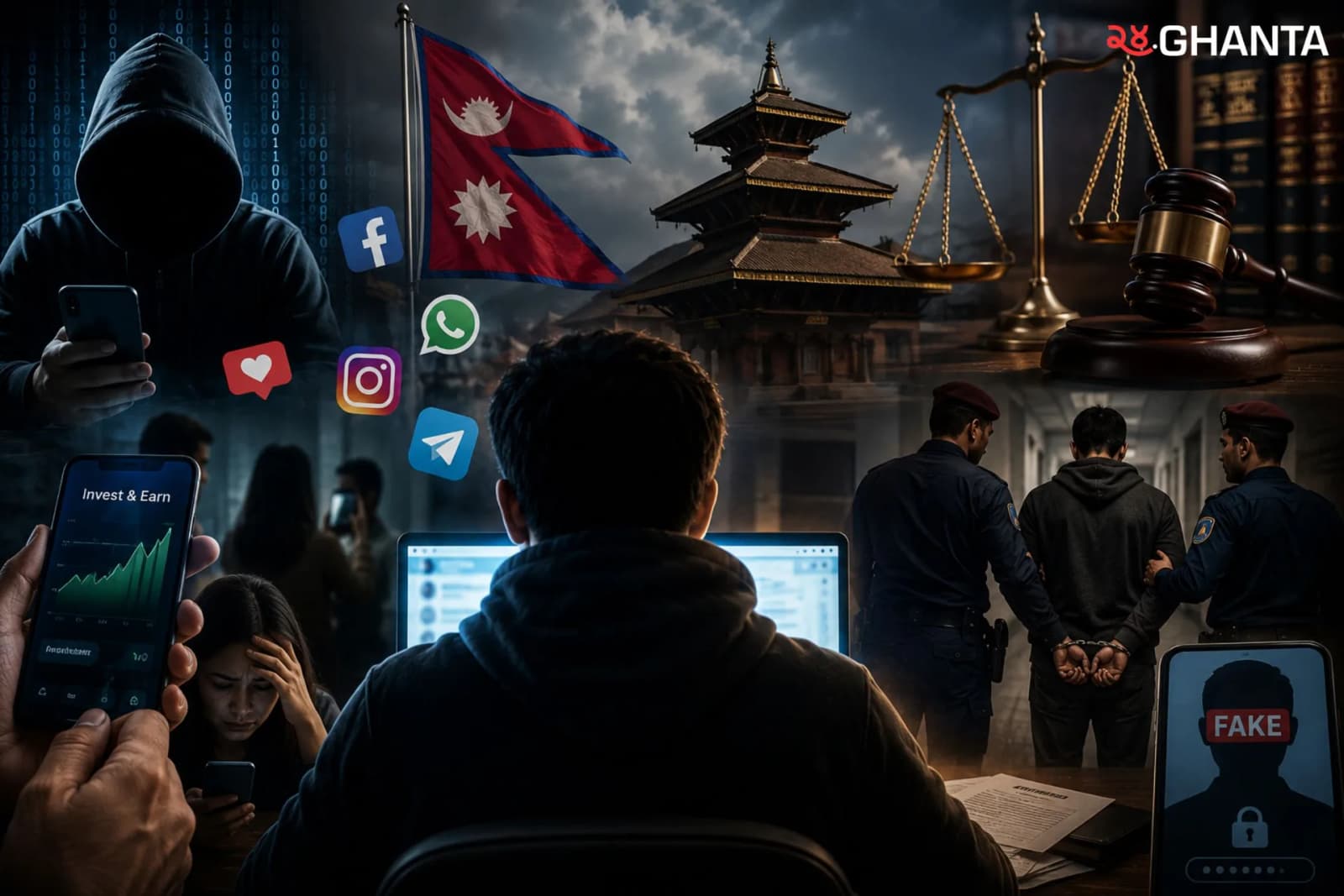
Nepal’s Cybercrime and Social Media Laws: Tested Against Real Cases

As social media becomes a bigger part of everyday life, Nepal faces the challenge of protecting free expression while addressing cybercrime. This article examines how laws on hacking, online fraud, defamation, and privacy are applied through real cases and what they mean for ordinary internet users.

Jul 31
The image shows how social media misuse, online scams, privacy violations, and hacking can lead to police investigations and legal consequences in Nepal

Oli Says Nepal’s Gen Z Uprising Was More Frightening Than the Maoist Conflict—Why His Comparison Is Dividing Opinion

CPN-UML chair KP Sharma Oli has described the violence and destruction during Nepal’s September 8–9, 2025 Gen Z uprising as more frightening than the tactics used during the Maoist conflict, while accusing the post-protest political transition of violating the Constitution. His remarks have reopened debate over responsibility for the deadly crackdown, the destruction that followed, the dissolution of Parliament and whether the two very different periods of violence should be compared at all.

Jul 23
Oli Reopens Nepal’s Protest Debate

The Story Behind Nepal's Chuchche Map And The Debate Over Nepal's New Coins

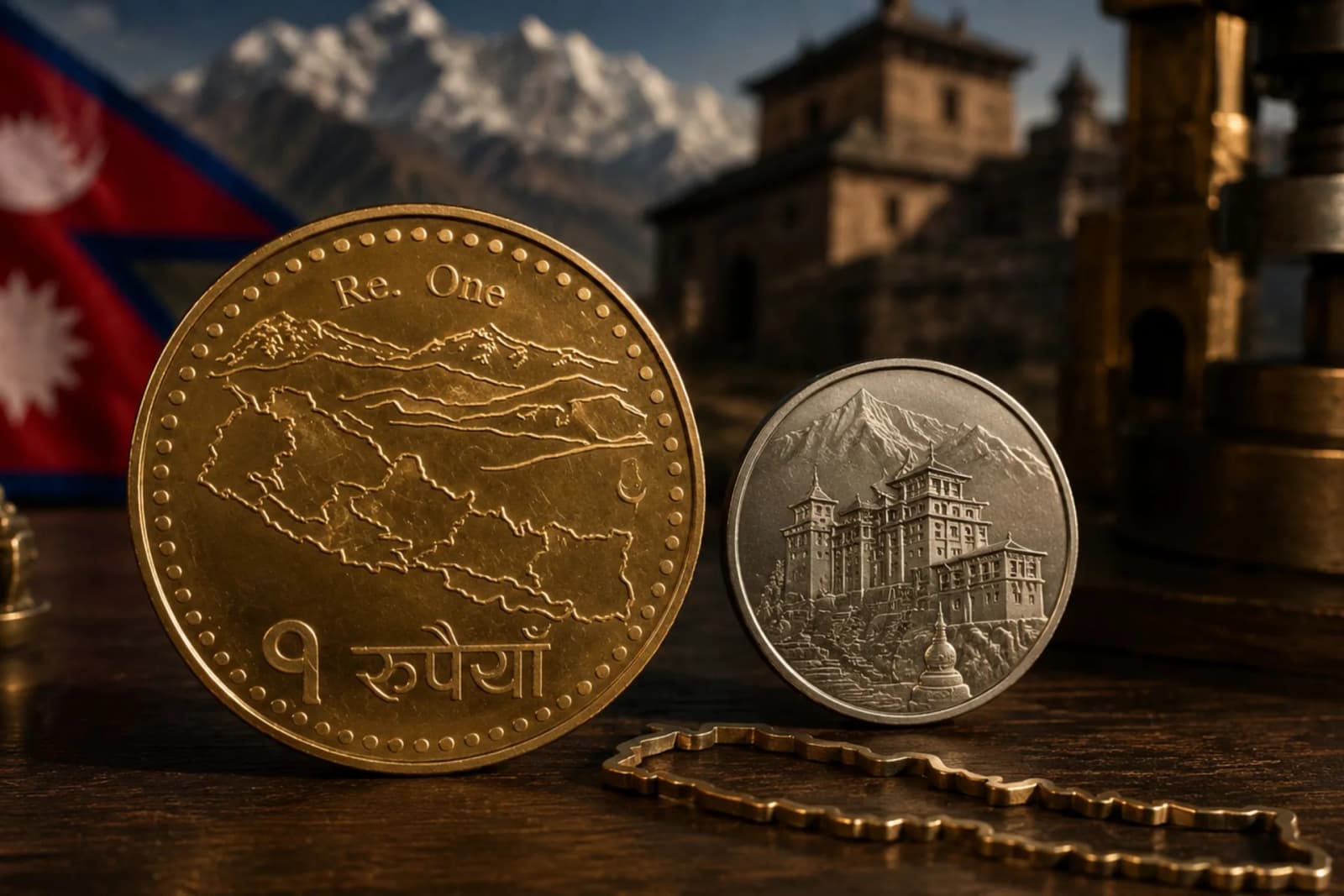
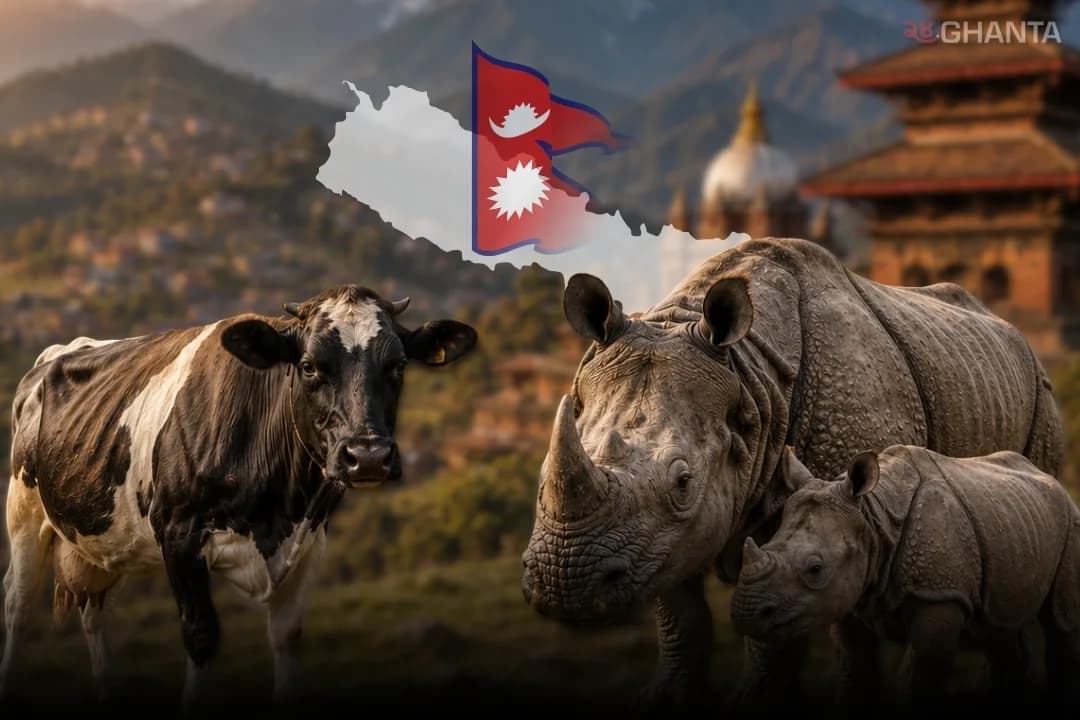
Nepal's Cabinet has approved a redesign of the Re. 1 and Rs. 2 coins, with reports that the Re. 1 coin will feature Lo Ghyakar Monastery instead of the country's map. Critics call it a sidelining of a national symbol, while officials call it a cost-driven technical update. The move has revived debate over how national identity is represented on Nepal's currency.

Jul 22
The image represents Nepal’s current map bearing Re. 1 coin, its proposed monastery based redesign, and the wider debate over cost, heritage and national symbolism.

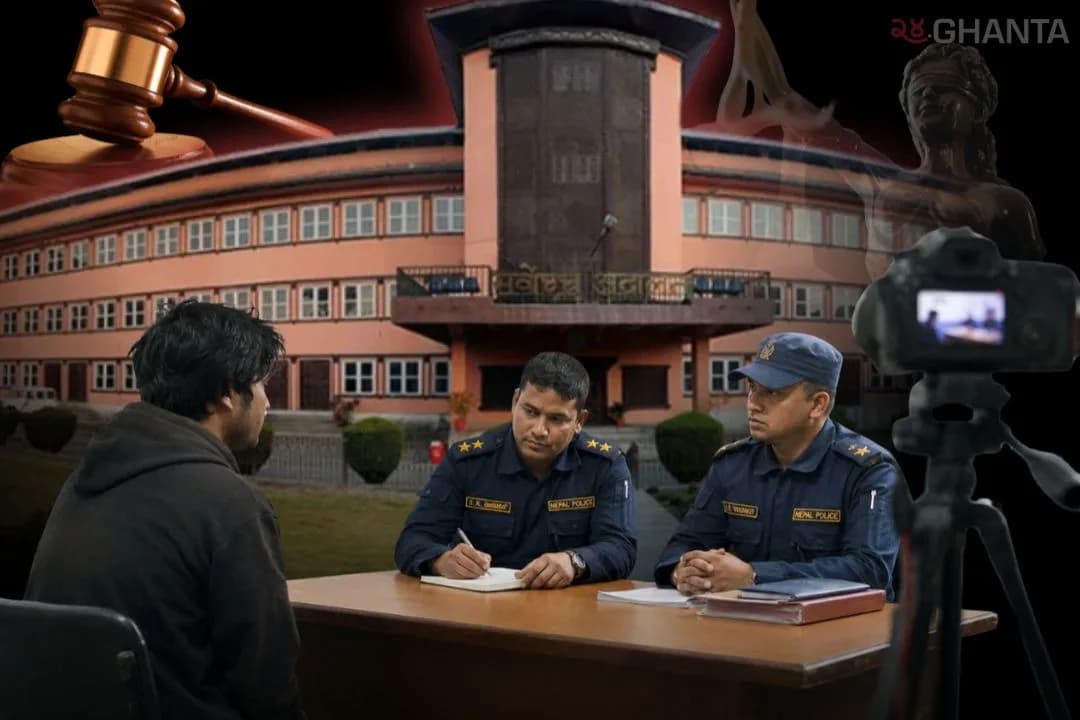
Arrested In Nepal: Know What Police Can And Cannot Legally Do

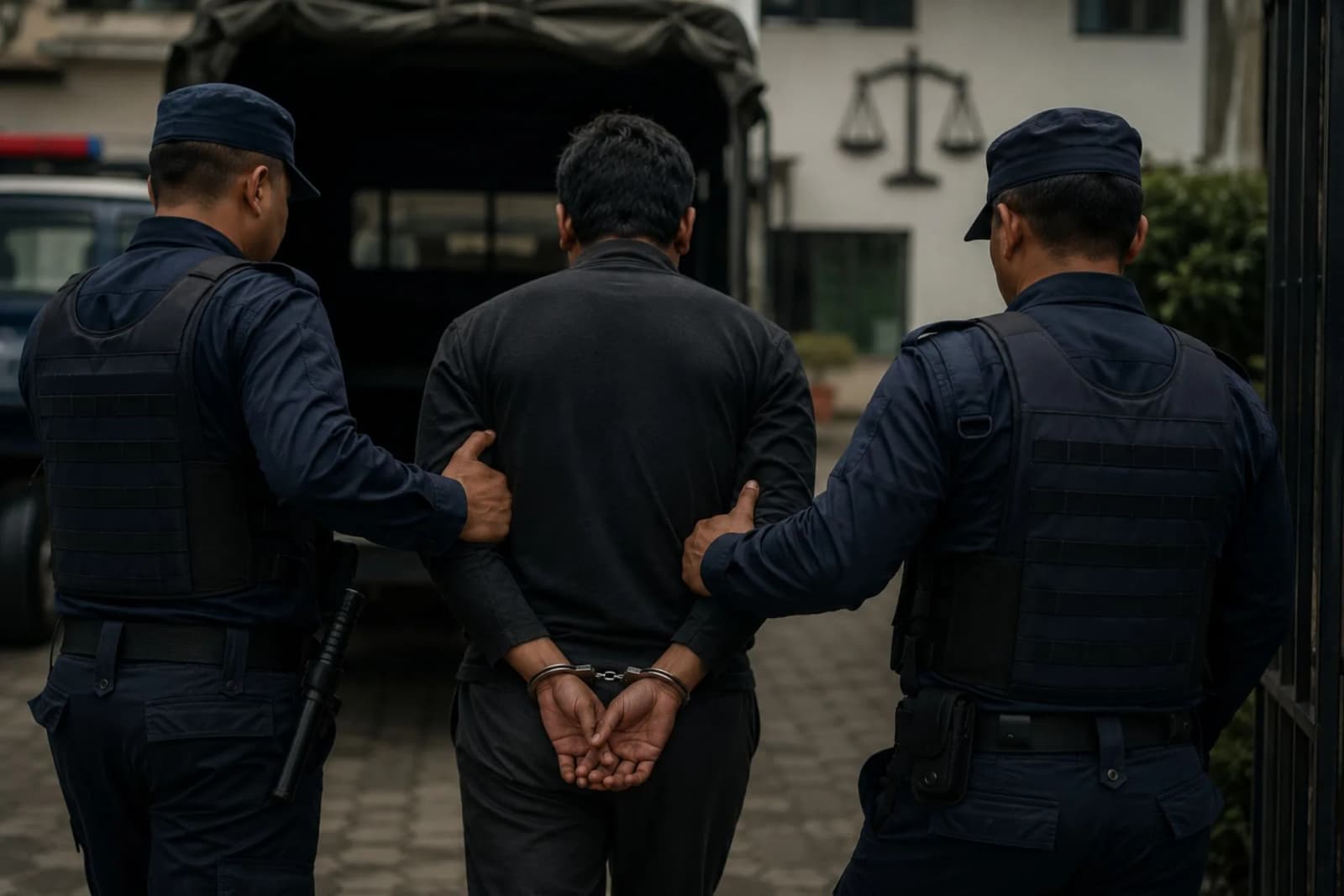
Being arrested in Nepal does not mean losing your rights or being found guilty. Police must have a lawful reason, explain the arrest, allow access to a lawyer, present the detainee before a judicial authority within 24 hours, and protect them from torture or unlawful detention.

Jul 19
Police escort a handcuffed suspect during an arrest, highlighting the legal procedures and rights guaranteed to every detainee.

Can Citizens Legally Record Police Officers in Nepal? Constitution and Existing Laws Explained

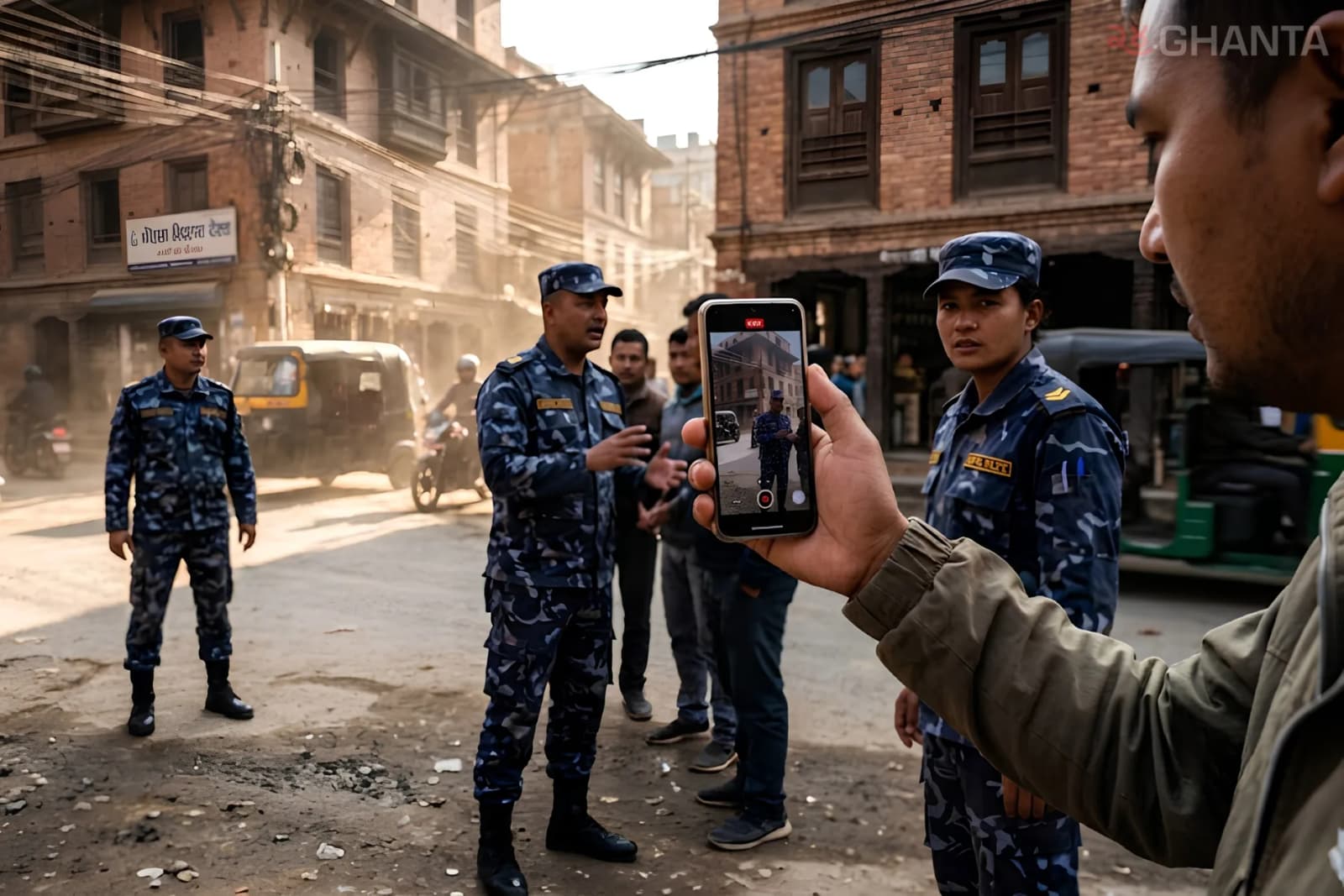
A legal discussion published by law student Bibek Chaudhary examines whether citizens in Nepal have the constitutional right to record police officers performing official duties in public places. The analysis concludes that no existing law explicitly prohibits such recordings and argues that they are protected under the rights to freedom of expression and access to information.

Jul 15
Can Citizens Legally Record Police Officers in Nepal? Constitution and Existing Laws Explained

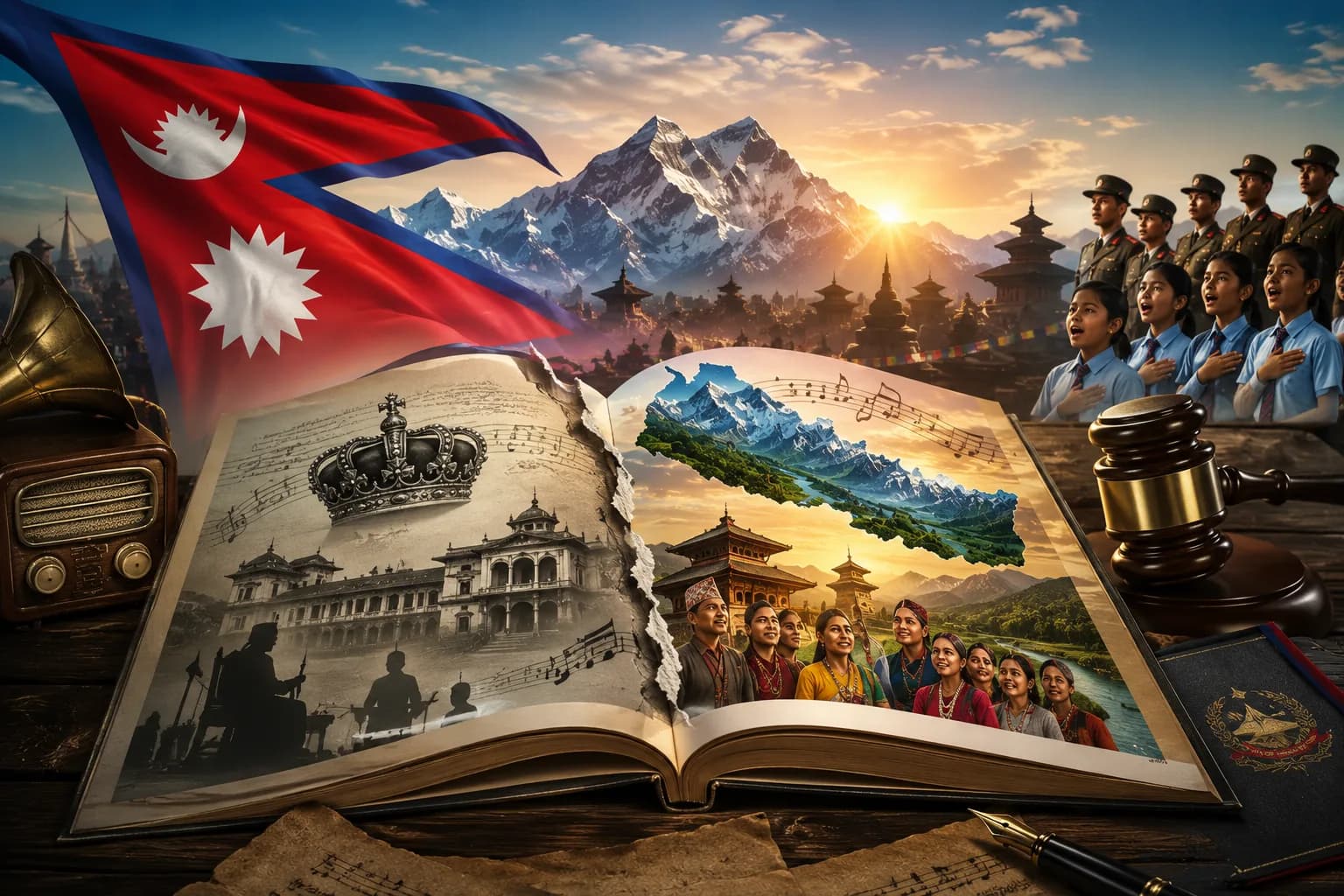
"Sayaun Thunga Phool Ka: The Song Nepal Sings But Rarely Understands"

Nepal’s national anthem is more than a patriotic song it marks the country’s shift from praising a king to celebrating its people, diversity, sacrifice, and shared identity. This article explores what its 46 words really mean, how the anthem was chosen, and the legal rules most Nepalis still do not know.

Jul 12
Nepal's journey from a monarchy-centered anthem to a people-centered national identity rooted in unity, diversity, history, and constitutional values.

The Hidden Victims: Why Male Domestic Abuse Is Rarely Discussed

This article explores why male victims of domestic abuse are rarely discussed, using survivor stories, data from Nepal, the UK and the US, and Nepal’s gender-neutral legal framework to show that abuse can affect anyone, but stigma, shame and fear of not being believed often keep male victims silent.

Jul 10
The image shows a man silently suffering from domestic abuse, highlighting that victims can be men too.