
Dolpa Mud Flood Kills Woman, Injures Six as Early Monsoon Disaster Renews Concerns Over Nepal's Preparedness
A mud flood triggered by continuous monsoon rainfall swept through Gairigaun in Dolpa at around 3:00 a.m., killing one woman and injuring six others. As rescue efforts continue, the tragedy has renewed concerns over Nepal's disaster preparedness, particularly in remote mountain communities where emergency response and early warning systems remain limited.
· 2 min read
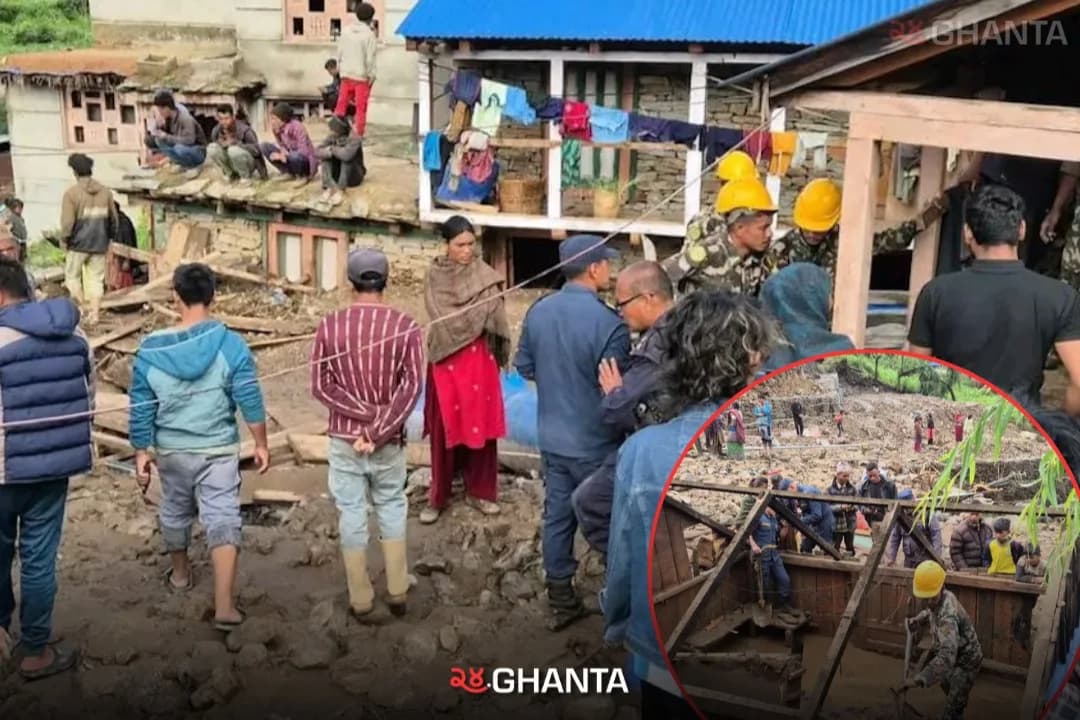
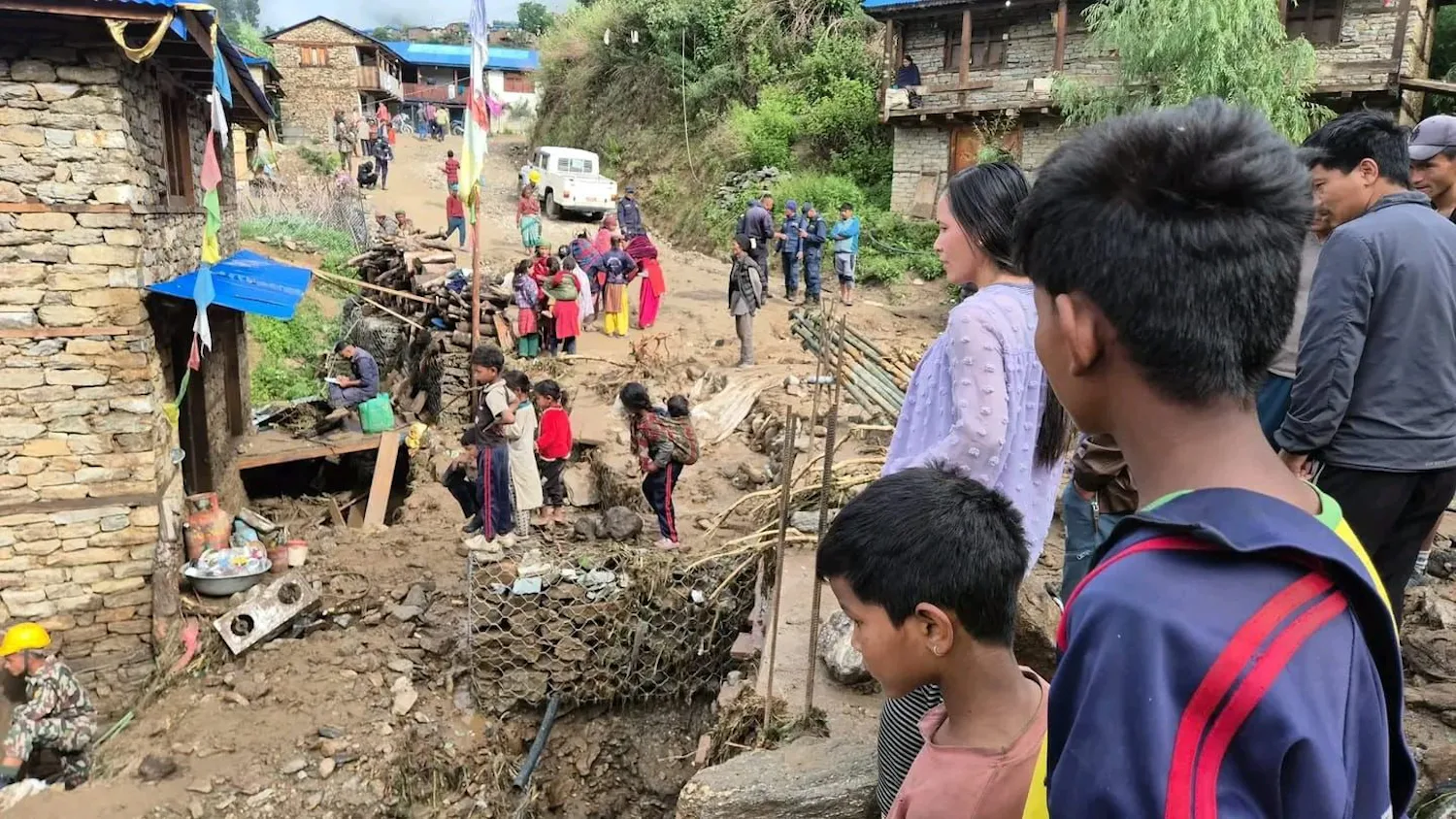
Kathmandu, 5 July, 2026 — A woman was killed and six others were injured after a mud flood swept through Gairigaun in Jagadulla Rural Municipality-5 of Dolpa early Saturday morning, following continuous heavy rainfall that triggered overflowing streams and sent mud and debris crashing into the village.
The flood struck at around 3:00 a.m., when mud-filled water from Dhulakhola and nearby streams entered the settlement while residents were asleep. The victim was identified as Anandi BK, estimated to be 56 years old. The injured were rescued and taken for medical treatment as security personnel and local residents continued search, rescue, and relief operations.
The disaster comes shortly after the onset of Nepal's 2026 monsoon season. According to the Department of Hydrology and Meteorology (DHM), the monsoon entered eastern Nepal on June 19, several days later than its average arrival date, before gradually advancing across the country. Meteorologists have also forecast below-average seasonal rainfall overall, although localized heavy downpours remain capable of triggering deadly flash floods and landslides.

Despite forecasts of a weaker monsoon, intense rainfall has already caused flooding and landslides in several districts. Earlier this season, the DHM reported that Nepal recorded its highest pre-monsoon rainfall in 45 years, leaving soils saturated in many areas before the official monsoon began and increasing the risk of flood-related disasters.
The latest tragedy has also renewed attention on Nepal's disaster preparedness, particularly after recent flooding in Kathmandu exposed vulnerabilities in the capital's urban infrastructure. During heavy rainfall, parts of Kathmandu have experienced waterlogging as stormwater drainage systems struggle to cope with rapid runoff. Urban planners have long attributed recurring flooding to inadequate drainage capacity, rapid urban expansion, encroachment on natural waterways, and insufficient maintenance of drainage networks. These challenges have repeatedly disrupted transportation and affected low-lying neighborhoods during intense rain events.
If flooding can overwhelm parts of the nation's capital, the risks are even greater in remote mountain districts such as Dolpa, where many settlements have limited road access, difficult terrain, fewer emergency resources, and slower rescue response times. During the monsoon, these communities face heightened threats from flash floods, debris flows, and landslides, making early warning systems and rapid emergency response especially critical.
Authorities have not yet released a detailed assessment of the damage in Gairigaun, and rescue and relief operations remain underway.
Published Jul 5 in Nepal