
How Much Money Did the 2026 FIFA World Cup Generate?
FIFA expected the 2026 World Cup to generate around $11 billion, but post-tournament reporting suggests revenue may have climbed to a record $15 billion, driven by ticketing, hospitality, and resale fees.
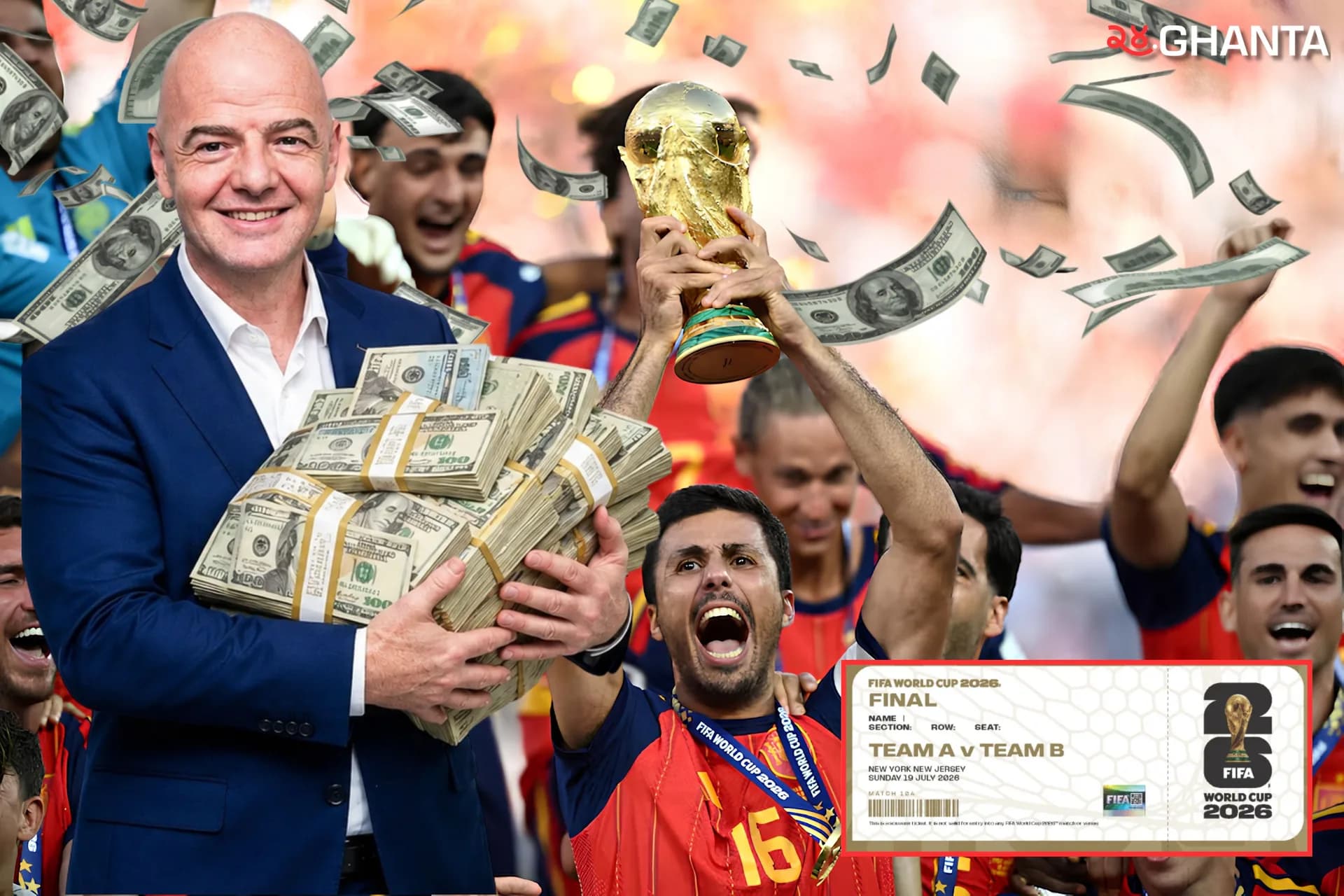
The FIFA World Cup is one of the biggest sporting events a person can witness. For fans, it offers weeks of drama, national pride, historic goals, and unforgettable moments. For broadcasters, sponsors, advertisers, and football’s governing body, however, it is also one of the most valuable commercial events in the world.
Every World Cup generates billions of dollars through television rights, sponsorship agreements, ticket sales, hospitality packages, licensing, and other commercial activities. But the 2026 tournament appears to have taken the business of football to an entirely different level.
Before each tournament, FIFA publishes financial projections showing how much it expects to earn during the four-year commercial cycle ending with the World Cup. For the 2023–2026 cycle, FIFA had already raised its revenue expectations several times as commercial demand for the expanded tournament increased.

Official FIFA financial documents showed that the organization expected to generate around $13 billion during the full 2023–2026 cycle, with almost $9 billion expected to be recognized in 2026 alone. The World Cup was expected to provide the majority of that income.
However, reports published near the end of the tournament suggested that FIFA’s eventual earnings may have gone far beyond those projections.
The Guardian reported that FIFA was preparing to announce approximately $15 billion in revenue from the 2026 World Cup, around $4 billion more than an earlier target of $11 billion.
According to the report, FIFA President Gianni Infantino informed the organization’s member associations about the improved financial performance shortly before the final. The increase was reportedly driven largely by hospitality sales and expensive ticketing, particularly FIFA’s official secondary ticket market.
The reported $15 billion figure would make the tournament the most commercially successful World Cup in history.
However, one important distinction must be made.
At present, the figure should be treated as a reported preliminary total, not a final audited financial result. FIFA has not yet published a complete post-tournament financial statement showing exactly how the $15 billion was divided among broadcasting, sponsorship, ticketing, hospitality, licensing, and other sources.
That detailed breakdown is expected to become clearer when FIFA releases its next annual financial report.

Broadcasting Rights: Around $3.9 Billion
FIFA earns money by selling television and digital broadcasting rights to media companies worldwide. Broadcasters pay for permission to show World Cup matches in their markets.
Sponsorship and Marketing: Around $1.8 Billion
Global companies pay FIFA to become official partners or sponsors. In return, they receive advertising exposure, branding rights, and access to World Cup promotional opportunities.
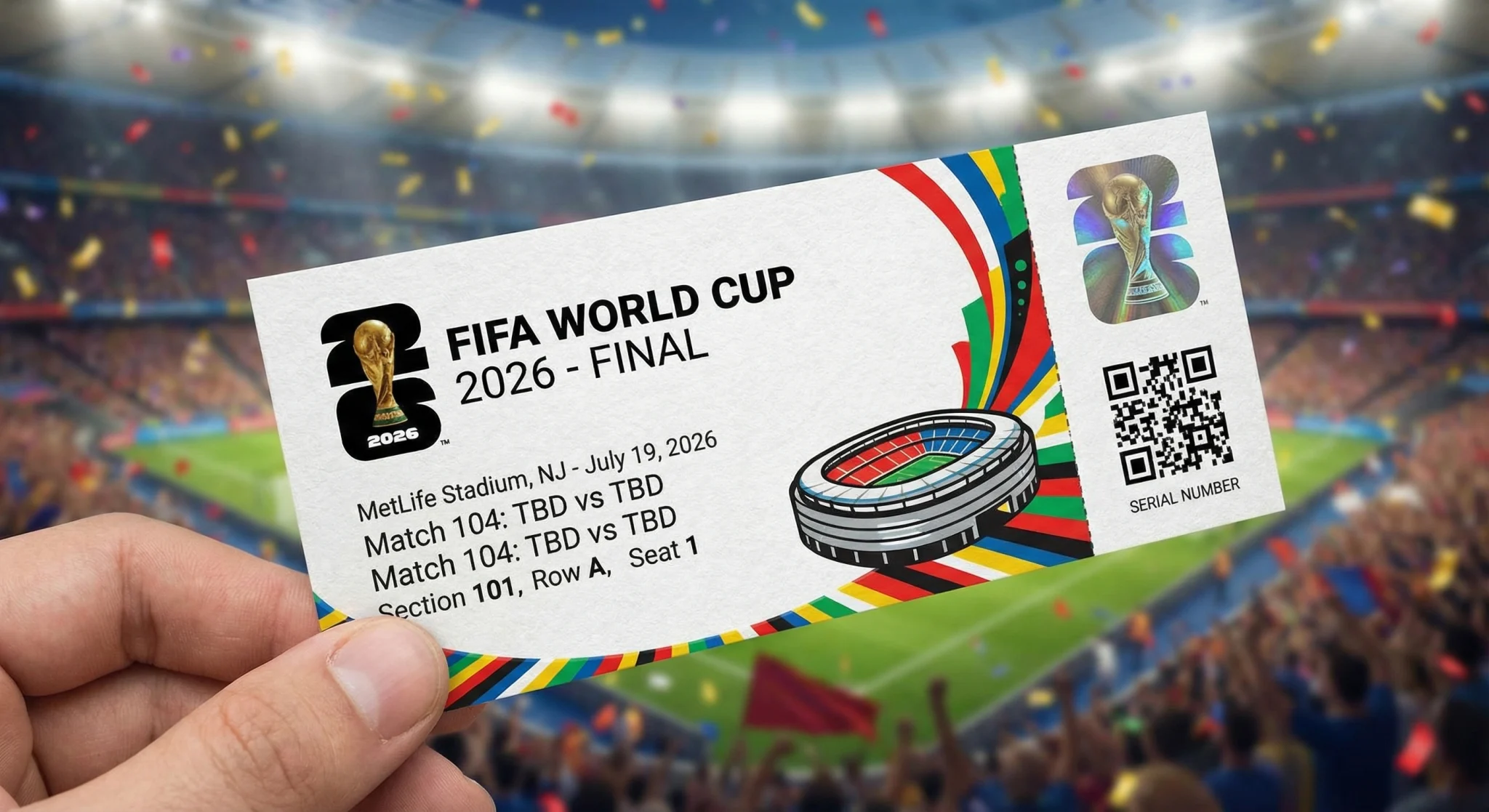
Ticketing and Hospitality: Around $3 Billion
This includes regular match tickets, premium seating, VIP packages, lounges, and other hospitality services. Strong demand and higher ticket prices helped increase this revenue.
Licensing: Around $170 Million
Companies pay FIFA to use official World Cup names, logos, and designs on merchandise such as clothing, video games, toys, and collectibles.
Other Revenue: Around $40 Million
This category includes smaller sources such as digital services, event-related income, financial returns, and other commercial activities.
Reported Total Revenue: Around $15 Billion
Post-tournament reports suggested that FIFA’s overall revenue may have reached approximately $15 billion. However, a final audited category-by-category breakdown has not yet been published.

Published 5 hours ago in Sports