
That Samosa on a Newspaper? Why Food Safety Authorities Say Stop
Serving hot or oily foods such as samosas and pakodas on newspaper may expose the food to substances from printing ink as well as contamination collected by the paper during handling and distribution. Food safety authorities recommend avoiding newspapers for serving, wrapping or absorbing oil from food and using clean, food-grade materials instead.
· 4 min read
Kathmandu, October 5, 2026
Why Your Samosa Shouldn’t Come on Newspaper
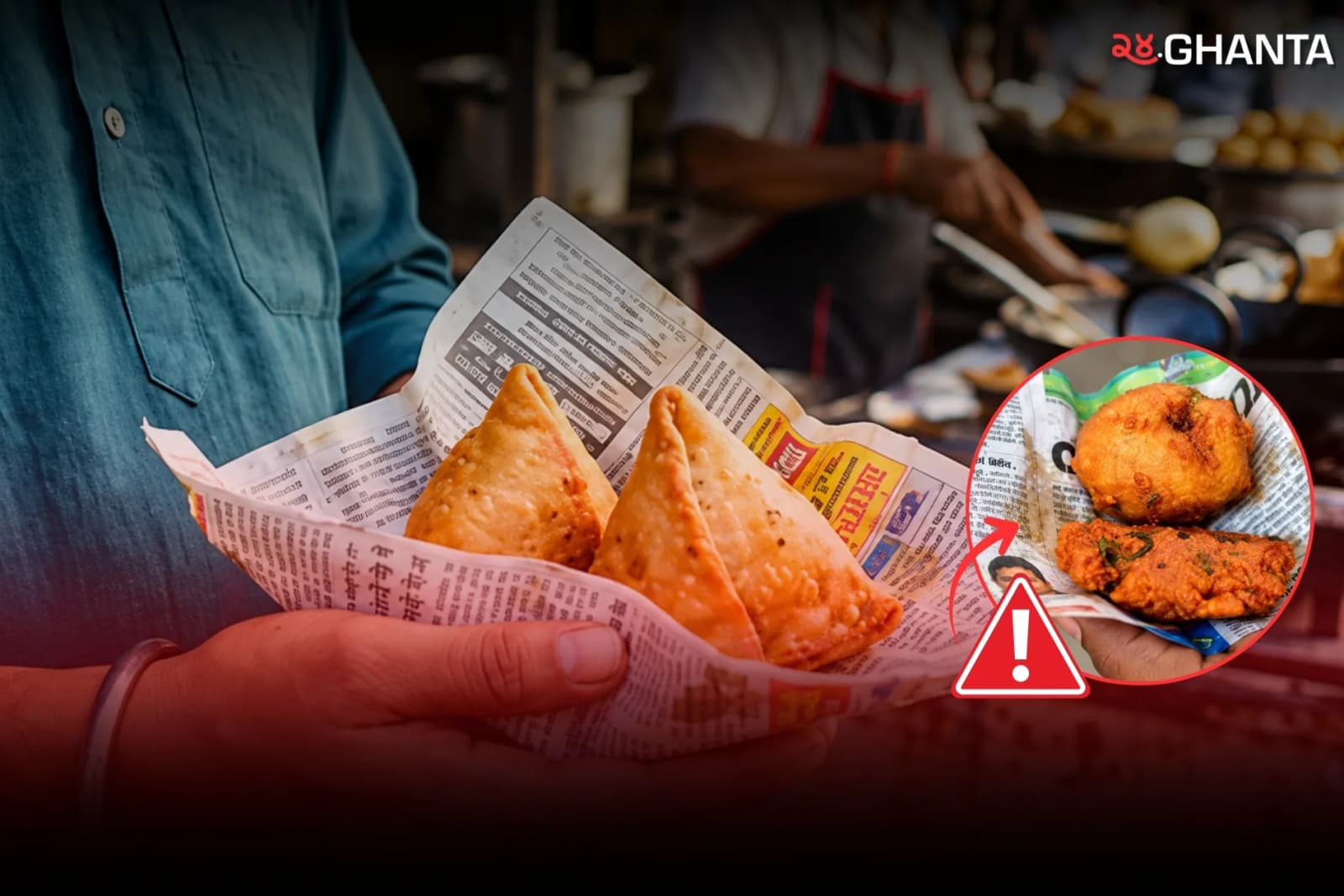
People buying samosas, pakodas and other hot or oily snacks from street vendors and small food shops may sometimes receive them wrapped in or served on old newspapers, but food-safety authorities warn against the practice because substances from printing inks and contaminants present on the paper can potentially transfer to food. The concern applies wherever printed newspaper comes into direct contact with food, particularly when it is used for serving, wrapping, storing or soaking up excess oil, which is why authorities recommend using food-grade packaging instead.
Why Newspaper Is Not Food Packaging
Newspaper is produced for reading, not for direct contact with food.

The Food Safety and Standards Authority of India (FSSAI) has specifically warned consumers and food vendors to stop using newspapers for packing, serving and storing food.
India's Food Safety and Standards (Packaging) Regulations, 2018 prohibit newspapers and similar materials from being used to wrap, cover or serve food or to absorb excess oil from fried foods.
Printing Ink Is One Concern
One of the main concerns is the material used to print newspapers.
According to FSSAI, newspaper inks contain substances that can have negative health effects, while some printing inks may contain chemicals including heavy metals. These substances can potentially migrate from the printed surface into food.
Scientific research has also established that substances associated with printing inks and paper-based packaging can migrate into foods under certain conditions.
This does not mean that eating one samosa from a newspaper will automatically make someone sick. The concern is unnecessary exposure to materials that were never intended to come into direct contact with food.
Hot and Oily Foods Need Extra Attention
Foods such as samosas, pakodas and other fried snacks are particularly relevant because newspapers are commonly used underneath them to absorb excess oil.
FSSAI's rules specifically state that newspaper should not be used for this purpose.
Instead of putting freshly fried food directly onto printed paper, vendors and households should use materials designed and considered safe for food contact.
It Is Not Just About the Ink
Printing ink is only part of the concern.
A newspaper can pass through printing facilities, transportation, distribution points, shops and multiple hands before reaching a food stall or home.
FSSAI warns that newspapers can be exposed to different environmental conditions during distribution and may become contaminated with bacteria, viruses or other pathogens. Those contaminants may then be transferred when the paper comes into direct contact with food.
Four Ways Newspaper Should Not Be Used
Newspaper should not be used to serve food, wrap or pack food, cover food, or absorb excess oil from fried items.
That applies not only to street food businesses but also to household habits such as placing freshly cooked puris or fried snacks directly on old newspaper.
Are the Health Risks Immediate?
It is important not to exaggerate the danger.
Available evidence supports concerns about chemical migration and contamination, but it does not mean that everyone who has eaten food from newspaper will become ill.
The level of exposure can vary depending on the type of ink and paper, the food itself, temperature, fat content and the duration of contact.
The practical food-safety message is therefore simple: avoid unnecessary direct contact between food and newspaper when safer alternatives are available.
What Should You Use Instead?
Food vendors should use clean, approved food-grade packaging and food-contact materials designed for serving or transporting food.
At home, food can be placed on clean plates, stainless-steel utensils or other containers suitable for direct food contact rather than printed newspaper.
Even when the newspaper looks clean or is newly printed, it should not be treated as food-grade packaging.
A Small Habit Worth Changing
Receiving a samosa or pakoda on newspaper may look harmless because the practice has been common for years, but newspaper was never designed to serve as a plate or food wrapper.
Switching to proper food-grade materials is a simple way for vendors and consumers to reduce avoidable chemical and microbial contamination of food.
Published 1 hour ago in Health