US Launches Airstrikes Across Iran After Strait Of Hormuz Ship Attacks
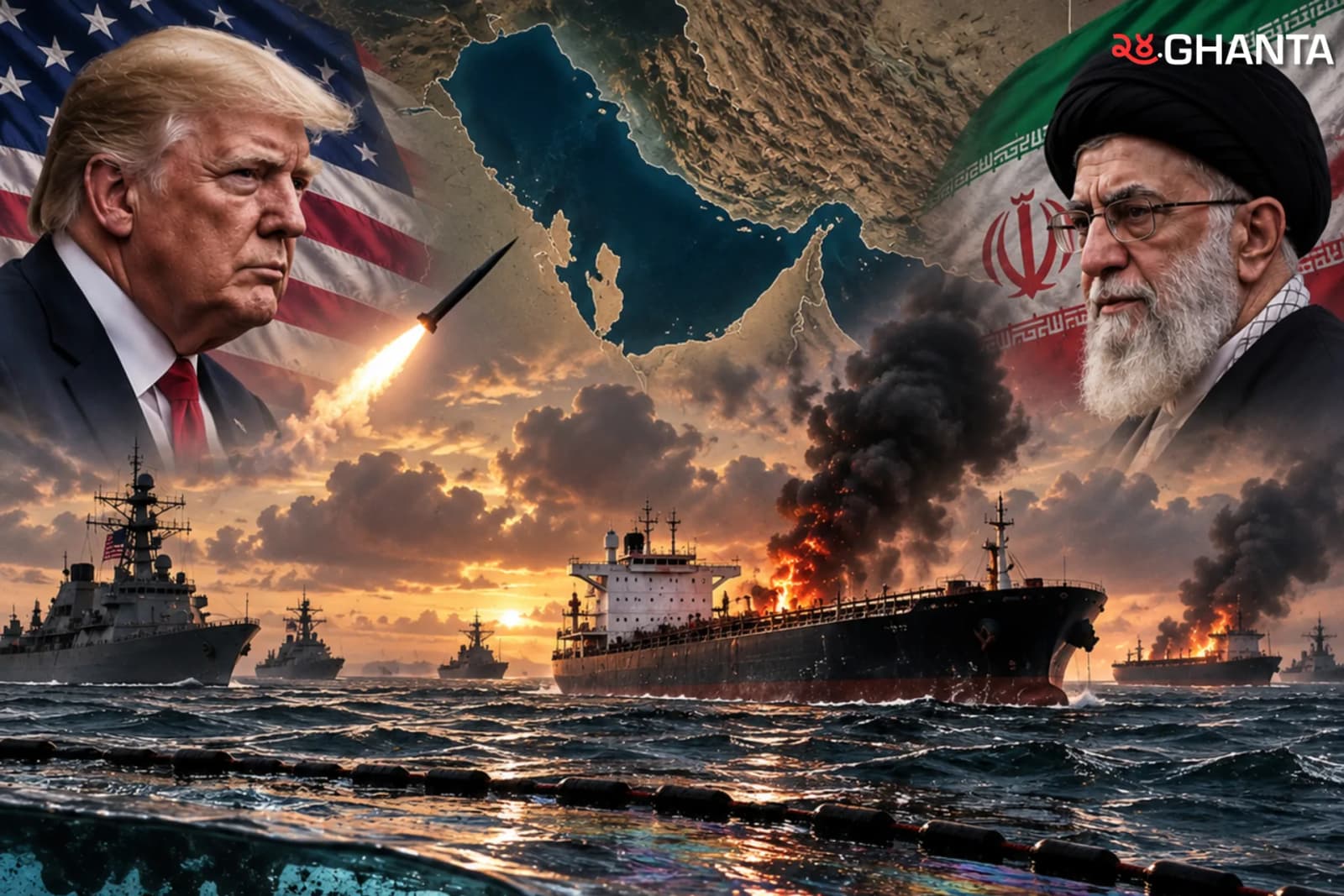
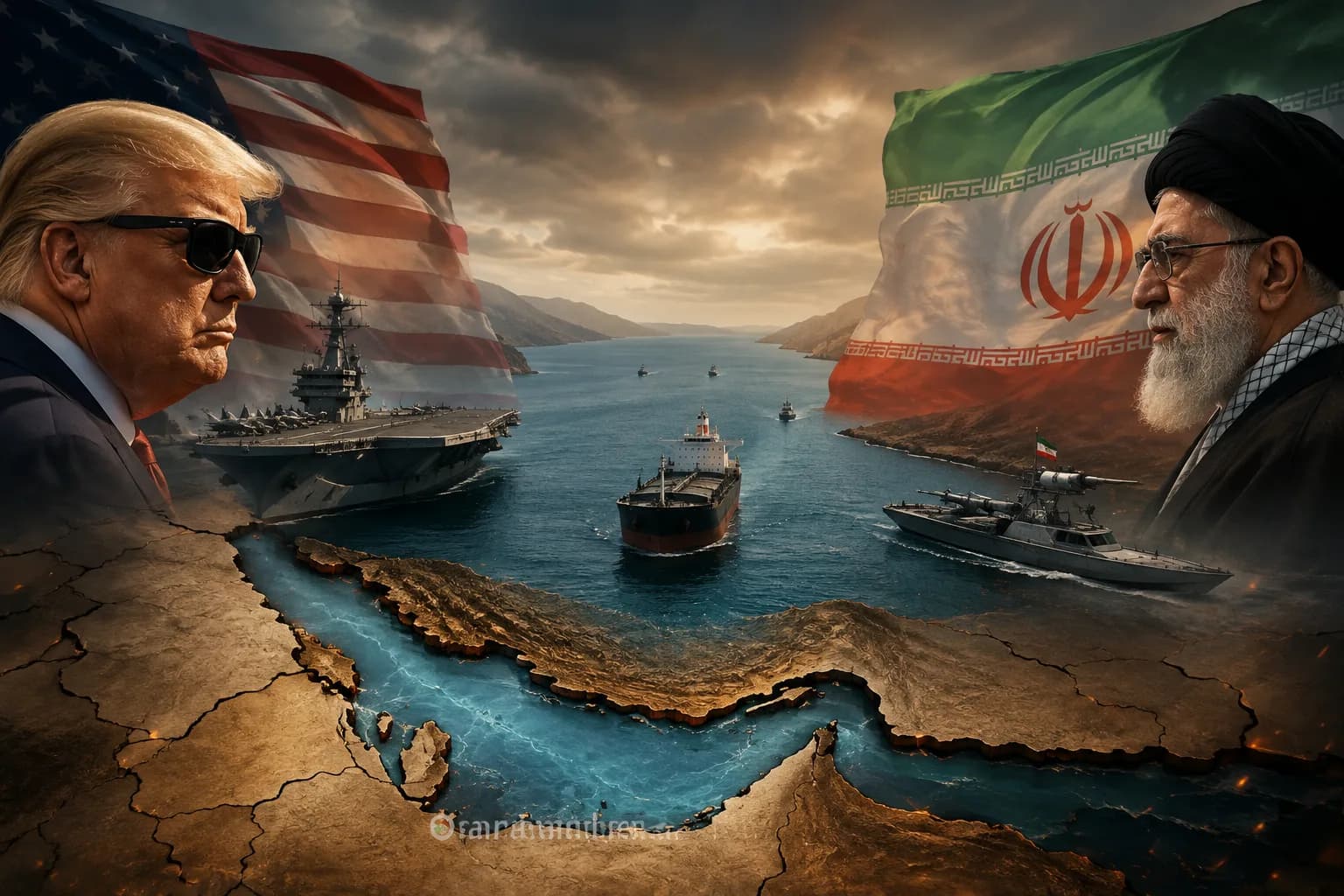
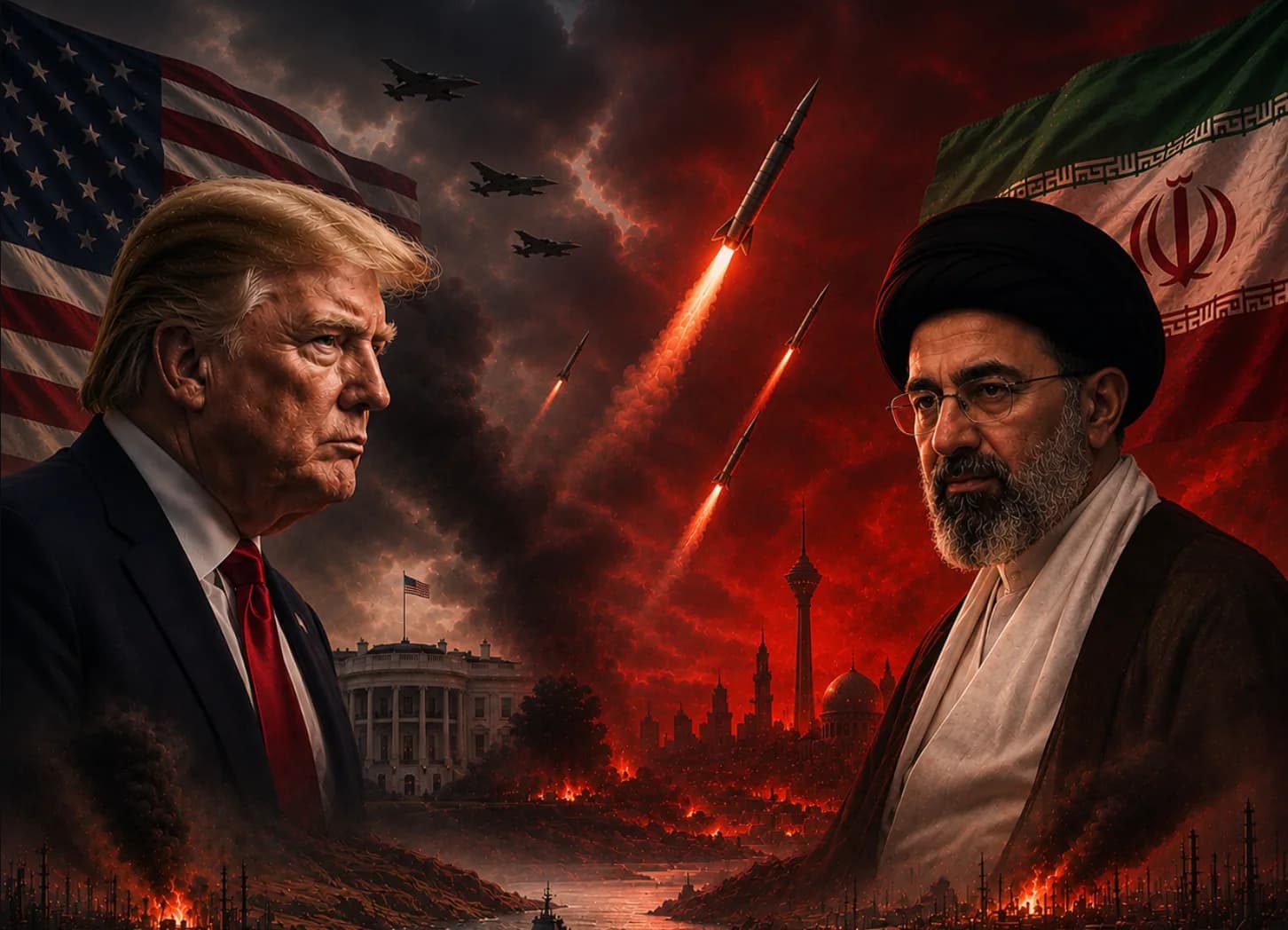
The United States has launched a new wave of large scale airstrikes across Iran after three commercial ships were attacked while passing through the Strait of Hormuz, sharply increasing tensions between Washington and Tehran and raising concerns over regional security and global energy supplies. According to the US Central Command (CENTCOM), the strikes were carried out after three commercial vessels with civilian crews came under attack while transiting the strategic waterway. The United States blamed Iran for the attacks and said the military operation was intended to protect freedom of navigation and hold Tehran accountable. Iranian officials have not confirmed or denied responsibility for the attacks on the ships. CENTCOM said US forces struck more than 80 military targets across Iran using precision weapons. The targets included air defense systems, command and control facilities, coastal radar installations, anti ship missile systems, missile related infrastructure, and more than 60 small boats linked to Iran's Islamic Revolutionary Guard Corps (IRGC). US officials described the operation as one of the largest military actions since the latest round of fighting began. Iranian state media reported explosions in several strategic locations, including Sirik, Bandar Abbas, Qeshm Island, and Kharg Island. Reports from Iranian media said several people were injured after debris struck parts of the Sirik commercial port. Iran's state broadcaster also claimed that many of the US strikes hit civilian areas, although the United States has not commented on that allegation. Iran strongly condemned the US operation. The Khatam al Anbiya Central Headquarters described the strikes as a blatant act of aggression and warned that Iran's armed forces would deliver what it called a strong response. The military also repeated that it would not accept outside interference in the Strait of Hormuz and said commercial shipping should use routes designated by Iran. Iranian Parliament Speaker Mohammad Bagher Ghalibaf accused Washington of violating previous understandings between the two countries and said Iran would not yield to pressure. Foreign Minister Abbas Araghchi also said Iran would not enter negotiations while facing military threats, adding that the United States should first respect earlier agreements before any future talks could move forward. The latest escalation has also affected economic relations. The United States announced that temporary relief from restrictions on Iranian oil exports would end on July 17, restoring tighter measures on Iran's oil trade. US officials said the decision was linked to the latest developments in the Strait of Hormuz and formed part of Washington's broader response to the crisis. Global energy markets reacted quickly to the renewed tensions. Crude oil prices rose by about 2.7 percent to around 72.40 dollars per barrel as investors weighed the possibility of further disruption in one of the world's most important energy shipping routes. The Strait of Hormuz carries a significant share of global oil exports, and any military confrontation in the area has the potential to affect fuel prices and international trade. As tensions continued to rise, Bahrain activated air raid sirens and advised residents to remain calm and move to safe locations as a precaution. Reports also indicated increased military activity across parts of the Gulf region, highlighting fears that the conflict could spread beyond the immediate area. The latest exchange comes despite previous diplomatic efforts aimed at reducing hostilities between the United States and Iran. Analysts say the renewed military action has placed those efforts under severe strain and warned that further retaliation by either side could increase the risk of a wider regional conflict. Governments and financial markets around the world are now closely watching for further military developments as well as any renewed diplomatic efforts to prevent another major escalation.