
Buying Loose Rice And Lentils Could Change Under Nepal’s New Supply Policy
Nepal's proposed National Supply Policy 2083 seeks tighter controls over the way essential food products such as rice, lentils and other grains reach consumers, alongside stronger quality testing, packaging, labeling and market monitoring measures. The wider draft also proposes reforms aimed at controlling artificial shortages, syndicates and unusual price increases, but the policy remains a draft and has not yet taken effect.
· 5 min read
KATHMANDU, August 20, 2026
Nepal’s Ministry of Industry, Commerce and Supplies has prepared the draft National Supply Policy 2083, proposing major changes to how essential goods are supplied and monitored across Nepal, including tighter standards surrounding food products such as rice, lentils and other grains. The proposed measures are intended to improve food quality and consumer protection, strengthen monitoring from entry points and production areas to the retail market, and address problems including adulteration, substandard goods, artificial shortages, syndicates and unusual price increases. The policy is currently only a draft released for feedback and has not yet become an enforced rule.
Loose Food Sales Could Face New Rules
One of the changes attracting attention is the proposed tightening of rules surrounding food products commonly sold loose or unpackaged in Nepal.

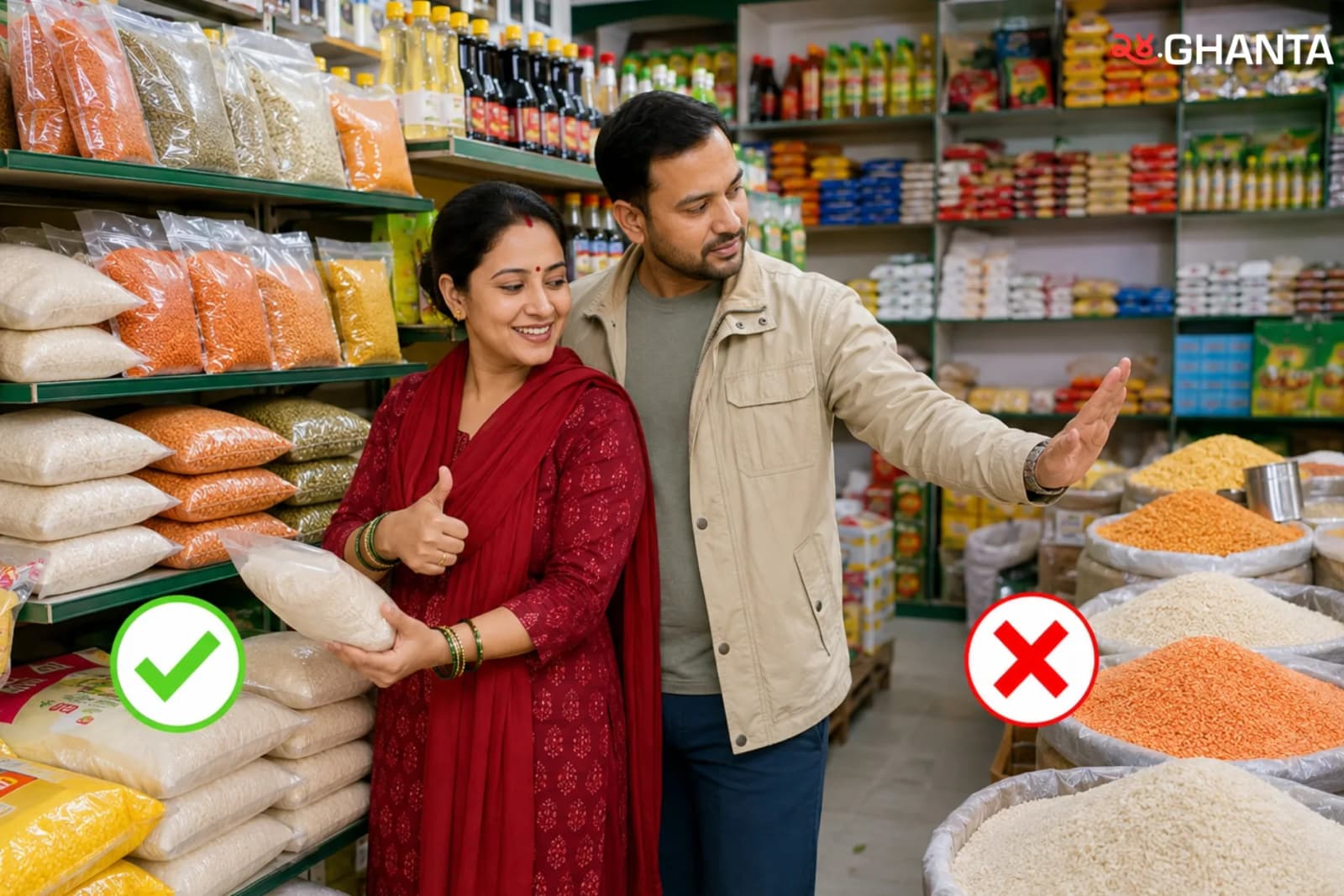
Under the proposal, food products such as rice, lentils and legumes would move toward regulated sale with requirements involving packaging, quality assurance and proper labeling rather than simply reaching consumers through uncontrolled open sale.
For Nepali consumers, this could eventually change the familiar practice of buying quantities of rice, dal and other grains directly from open sacks or containers at local shops.
Why Is The Government Proposing The Change?
Food safety and consumer protection are major reasons behind the proposal.
When products are sold without adequate identification, testing or labeling, it can be harder for consumers and regulators to establish important information about their quality, origin and compliance with standards.
The proposed approach is intended to make the supply chain more accountable while reducing the possibility of adulterated or substandard products reaching consumers.
Quality Testing Gets More Attention
The proposal fits into a wider government push toward stronger quality controls for food entering the market.
Nepal has already been moving toward stricter food-safety requirements. Existing food-safety legislation contains labeling requirements for packaged food, while the government's wider policy direction has also called for quality and pesticide testing of food and agricultural products before they reach consumers.
Under the proposed supply reforms, monitoring would become part of a broader system covering different stages of the supply chain.
Rice And Dal Classified As Essential Goods
The draft does much more than address packaging.
It proposes a new classification of essential and necessary goods and services. Essential food products include staples such as rice, paddy, maize, wheat, flour, millet, buckwheat and barley, alongside lentils and other commonly consumed foods.
Classifying these products as essential is important because disruption to their supply could trigger greater government attention and intervention.
Government Wants Three Months Of Essential Stock
Another major proposal is the creation of stronger national reserves.
The draft proposes maintaining stocks of essential goods sufficient to cover at least three months of national demand. Such reserves are intended to provide additional protection when ordinary supply is disrupted by emergencies, shortages or other unexpected events.
The proposal also gives different responsibilities to federal, provincial and local governments for supply management.
Monitoring From Borders To Markets
The new policy is designed to make monitoring broader rather than focusing only on shops after products have already reached consumers.
The government wants a supply system capable of tracking and regulating goods through different stages, including imports, production, storage, transportation and eventual sale.
This is intended to help authorities identify problems earlier in the supply chain rather than waiting until questionable products have already reached the market.
Targeting Artificial Shortages And Price Hikes
Food quality is only one part of the proposed reform.
The National Supply Policy 2083 also targets syndicates, artificial shortages and unusual price increases. The government argues that weaknesses in market monitoring, dependence on imports, middlemen and a lack of integrated supply information have contributed to problems in Nepal's existing system.
The draft therefore envisions a more technology-based and transparent supply-management system.
Local Governments Could Get Bigger Role
The policy would also change how responsibility is divided among Nepal's three levels of government.
Under the proposed structure, local governments would play an important role in promoting local production and monitoring markets, while provincial authorities would focus on areas including inter-district coordination and storage. The federal government would handle national policy, international trade and strategic reserves.
This differs from the older, more centrally controlled supply-management model.
Will Loose Rice And Dal Be Banned Immediately?
No.
Consumers should not assume that shops have already been prohibited from selling loose rice, lentils or legumes.
The National Supply Policy 2083 is currently a draft, and the Ministry of Industry, Commerce and Supplies has made it public for feedback and suggestions.
That distinction is important: the proposals indicate the direction the government wants the supply system to take, but they should not be treated as rules already being enforced across Nepal.
What Could It Mean For Consumers?
If the proposed measures are finalized and implemented, consumers could eventually see more standardized packaging and labeling and stronger quality controls for everyday food products.
Such a system could make it easier to identify the source and quality of food and hold sellers and suppliers accountable. At the same time, the practical impact on small retailers, local markets, farmers and consumers who traditionally buy grains by weight will depend on the final provisions and how the government chooses to implement them.
For now, the biggest takeaway is simple: Nepal is considering a significant change in how everyday food products are regulated and sold, but the proposed system has not yet become an enforced rule.
Source: Ministry of Industry, Commerce and Supplies, Government of Nepal. “राष्ट्रिय आपूर्ति नीतिको मस्यौदा उपर राय/सुझाव सम्बन्धी सूचना” [Notice Regarding Comments/Suggestions on the Draft National Supply Policy]
Published Aug 20 in Health