
From Screen Time to Family Time: How Alchi Ko Pasal Is Turning Nepali Culture, History and Stories Into Board Games for the Next Generation
What began with a mother wondering how to pass Nepali culture on to her children grew into Alchi Ko Pasal, a homegrown board-game brand turning Nepal’s history, language, folklore and traditions into games that bring children and families together.
· 7 min read
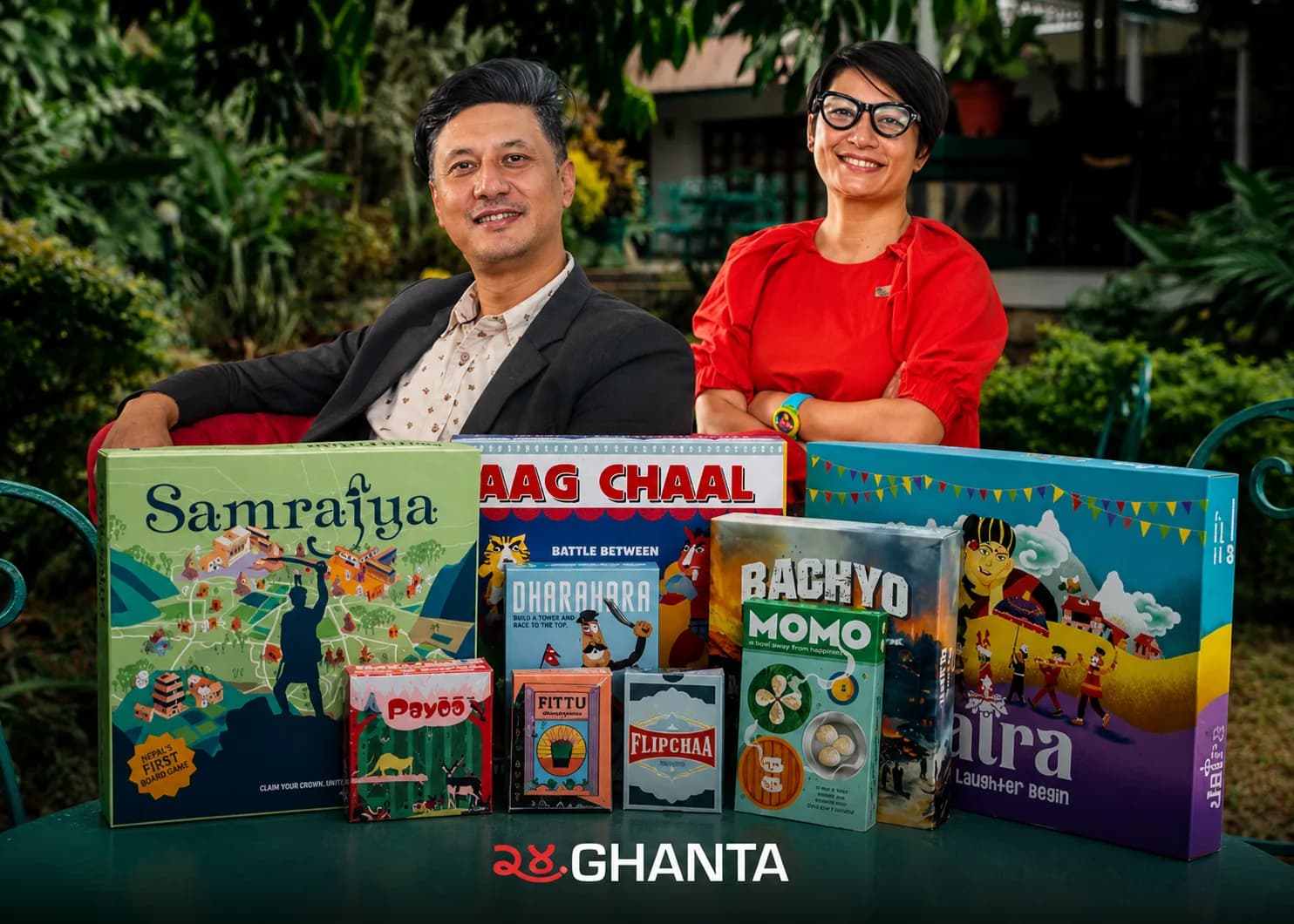
From Screen Time to Family Time: How Alchi Ko Pasal Is Bringing Nepali Culture to the Table
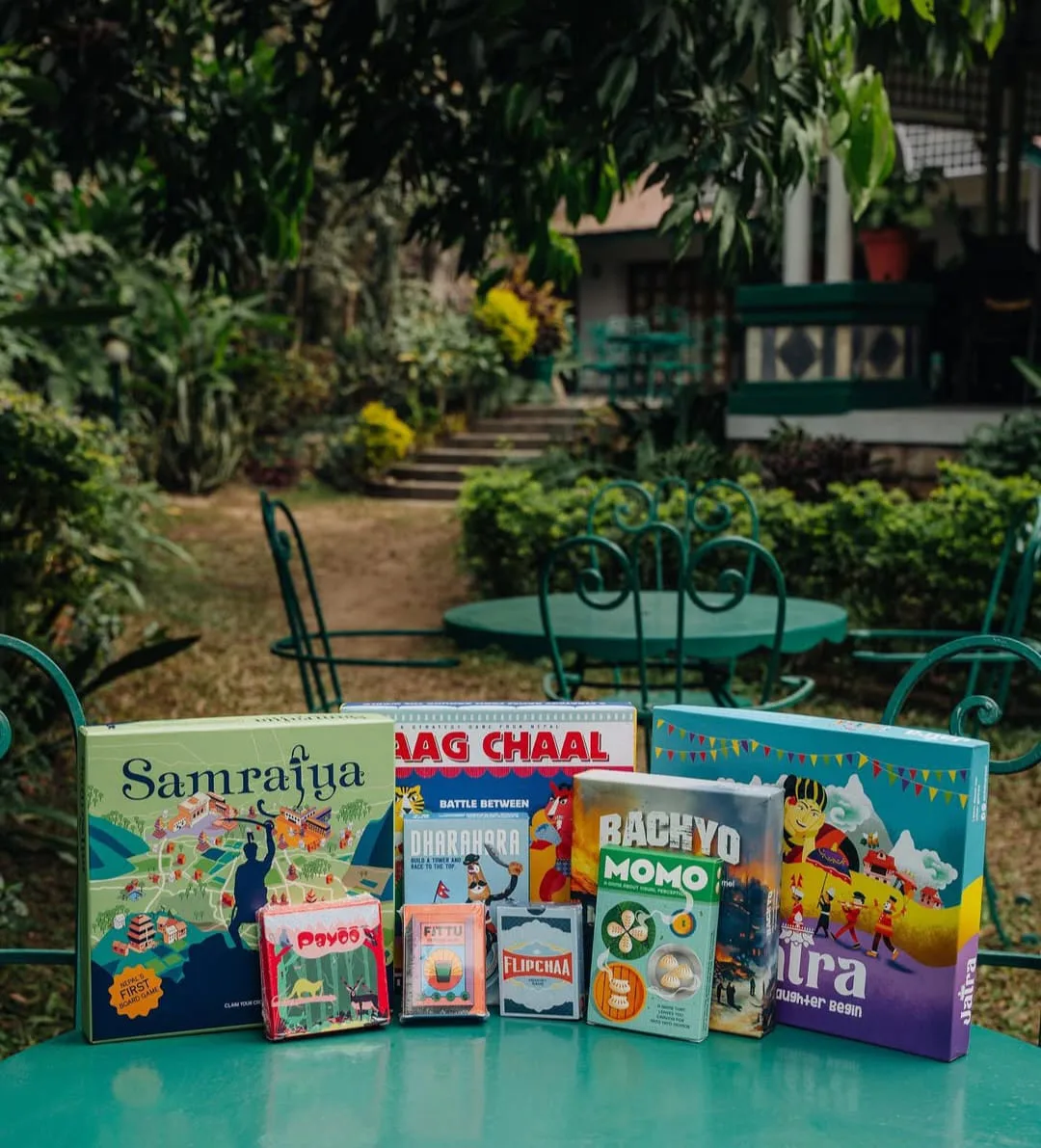
What started with a mother thinking about how her children would connect with Nepal’s culture has grown into a homegrown board-game company putting Nepali history, language, festivals, stories and even monsters onto the family table.
Alchi Ko Pasal, founded by Kreeti Shakya and her team, is building board games rooted in Nepal while pursuing a simple mission: give children and families another reason to put their phones aside, sit together and play.

The brand has since appeared on Shark Tank Nepal and been featured in ECS Living Magazine, but its story began much earlier—with a question about passing culture from one generation to the next.
A Mother's Question That Became a Business
The idea for Alchi Ko Pasal took shape when Shakya was pregnant.
She found herself thinking about how she would introduce her children to Nepal’s culture and stories in a way that was natural, memorable and genuinely enjoyable.
Existing options did not quite provide the experience she was looking for.
That became the seed for Alchi Ko Pasal.
Rather than treating culture as something children only encounter in textbooks, museums or formal lessons, the founders wanted to bring it into an activity families could enjoy together.
Their answer was play.
Through board games, Alchi Ko Pasal began transforming elements of Nepal’s history, heritage, language and everyday life into experiences designed for both children and adults.
Why Call a Company “Alchi”?
In Nepali, “alchi” is usually associated with feeling lazy or not wanting to do anything.
The founders decided to turn that meaning around.
For them, being “alchi” can also mean slowing down—taking a break from constant productivity and creating room for imagination, conversation and meaningful leisure.
That philosophy became particularly relevant in an increasingly screen-dominated world.
The founders had played many board games while living in the United States. From that experience came another question: why couldn't they play games that reflected their own culture, language, humor, history and stories?
That idea eventually became a central part of Alchi Ko Pasal.
Building a Board-Game Business in Nepal
Creating a board-game company in Nepal came with challenges.
The category remains relatively niche, meaning the founders did not have a large existing ecosystem for board-game production, distribution or even customer awareness to rely on.
They had to learn different parts of the business—from designing games and manufacturing them to introducing customers to the idea and finding ways to distribute the products.
But board games offered something other businesses could not.
They combine storytelling, creativity, education and face-to-face interaction in a single product.
For Alchi Ko Pasal, a game is not something people simply buy and finish using. It can become the setting for memories between siblings, friends, parents, children and grandparents.
Getting Families Away From Their Screens
That social experience has become one of the brand's biggest purposes.
Phones, tablets and televisions compete for an increasing share of people's attention. Board games create a reason for everyone to look at one another instead of a screen.
And sometimes, the unexpected moments become the best part.
A child might turn out to be far more strategic than expected. A parent may struggle to remember where a card appeared. A competitive uncle might discover that losing is harder than anticipated.
A grandmother might see a reference to Lakhey and suddenly begin telling younger family members stories they have never heard.
That is the kind of interaction Alchi Ko Pasal hopes its games can create.
For teenagers too, particularly when entertainment outside the home can be expensive or limited, board games can offer something that can be played repeatedly with friends.
Learning Through Play
The games are not designed only for entertainment.
Alchi Ko Pasal says schools including Ullens School and Rato Bangala School have carried its games, while interest from educators and parents has continued to grow.
Depending on the game, children can work on vocabulary, memory, observation, problem-solving, strategy, communication and decision-making.
Players also learn to understand rules, plan ahead, adapt to changing situations and interact with others.
The difference is that those skills are being exercised while playing.
Three Games, Three Different Experiences
Alchi Ko Pasal's catalogue shows how broadly Nepali themes can be incorporated into board games.
Samrajya — History and Strategy
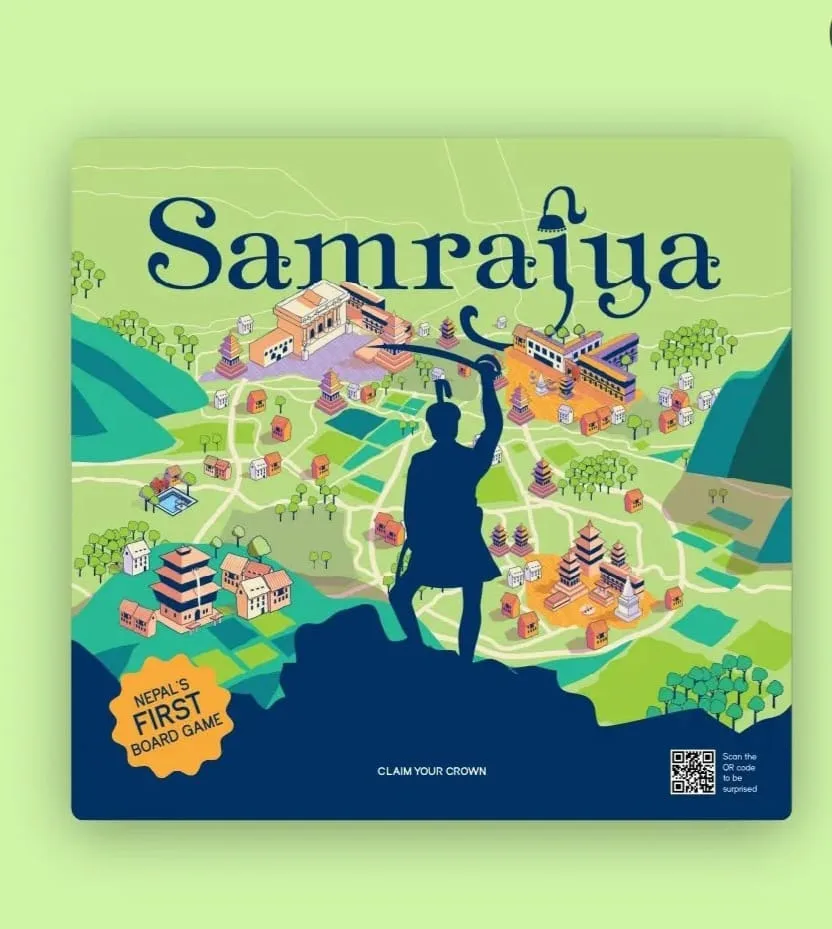
Samrajya brings elements of Nepali history, geography and culture into strategic gameplay inspired by Nepal's unification era.
Rather than simply reading about the period, players interact with themes from it while making decisions and developing strategies.
The game reflects Alchi Ko Pasal's broader goal of making Nepali history something people can actively engage with.
Jatra — Learning Through Play
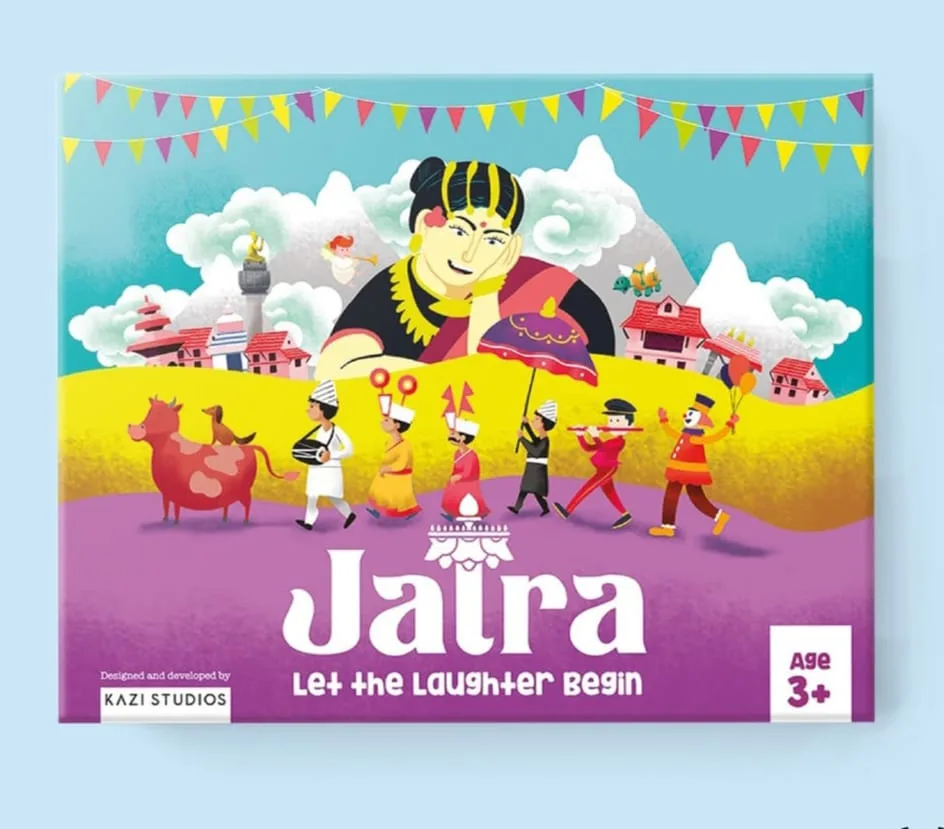
For younger players, Jatra combines learning with colorful, interactive gameplay.
The game can help children with recognition, language familiarity and quick thinking while keeping the experience playful.
Instead of separating education from entertainment, Jatra tries to bring the two together.
Lyapu Lyapu — A Game for the Whole Family
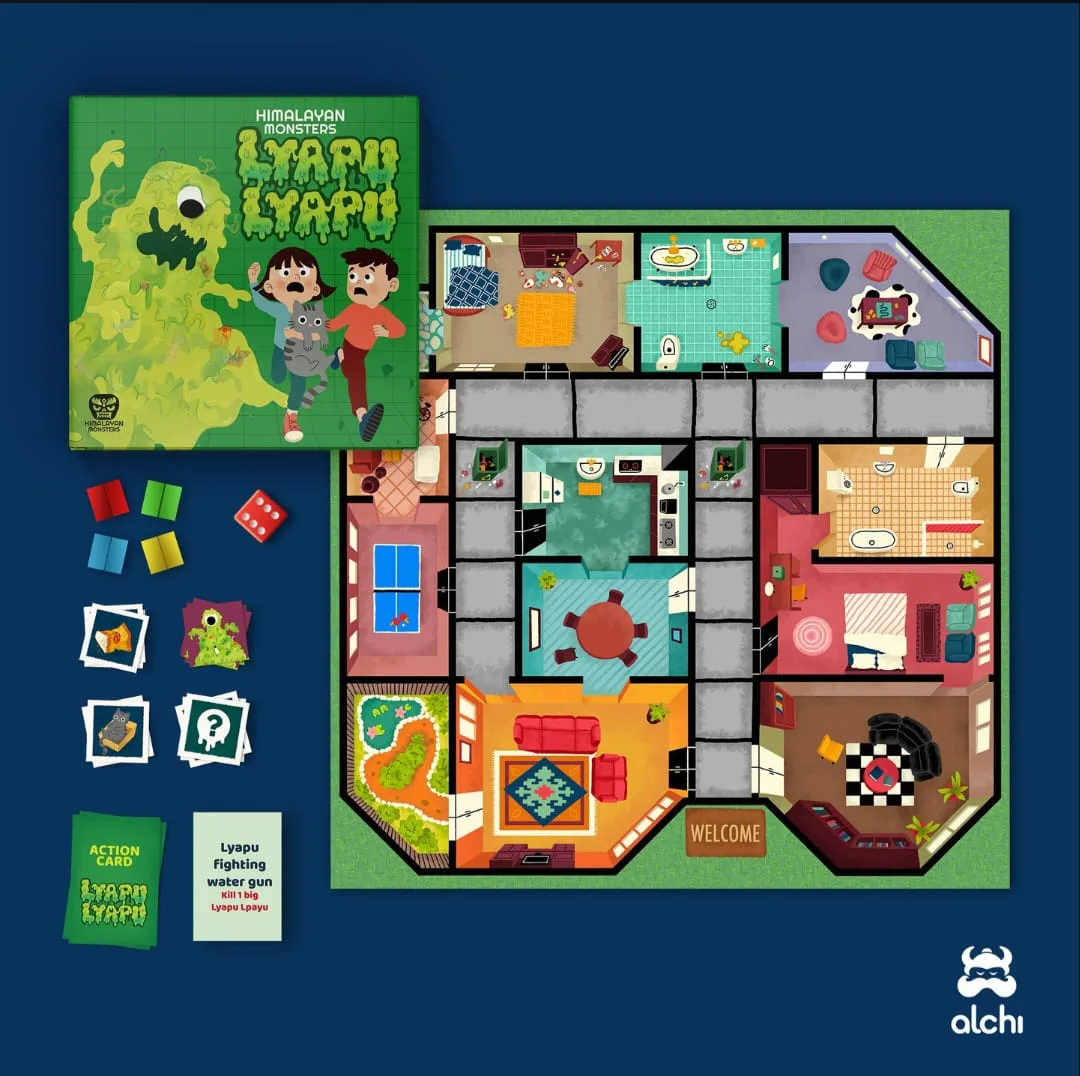
Lyapu Lyapu is designed to be simple to pick up, energetic and highly interactive.
Its accessibility across age groups makes it particularly suited to family gatherings, where children and adults can participate together.
The aim is straightforward: get people talking, competing and laughing around the same table.
And Now, Nepal's Monsters Enter the Game
One of Alchi Ko Pasal's recent additions is Monster Hunter, a game built around Nepali monsters and their stories.
The concept represents another direction for the company: taking characters, folklore and stories familiar to Nepal and presenting them through contemporary entertainment.
It also demonstrates just how much material exists within Nepal's own cultural landscape for new creative products.
What “Made in Nepal” Means to Alchi
For the founders, “Made in Nepal” is more than a manufacturing label.
It represents the belief that high-quality, creatively ambitious products can be designed and built in Nepal.
It is also about representation.
Nepali aesthetics, humor, stories and ideas do not have to remain confined to traditional formats. They can become part of modern products that children want to pick up and families want to share.
For Alchi Ko Pasal, being made in Nepal therefore represents identity, responsibility and a commitment to continuously improving the quality of what the company produces.
Listening to the People Playing
The company's games have also changed as its audience has grown.
Feedback from players has influenced how the team approaches design, helping it think more carefully about accessibility, learning value, fun and replayability.
Instead of simply creating games the founders themselves enjoy, the company says it increasingly designs around how different age groups actually interact with them.
That relationship with players has helped Alchi Ko Pasal evolve from a small creative experiment into a growing Nepali brand.
Taking Nepali Stories Beyond Nepal
The founders now hope to expand both at home and internationally.
The ambition is not only to sell Nepali-made games abroad, but also to introduce international audiences to Nepal through the stories embedded within those games.
At the same time, Alchi Ko Pasal wants to build larger worlds around its products.
Its future vision includes storybooks, animation and merchandise that can extend the characters, lessons and stories found in its games beyond the board itself.
And beneath those ambitions remains the same idea that started the company.
Create something children can play with.
Create something families can experience together.
And create something that makes people look at a Nepali product for the first time and say:
“Oh wow, Nepal ma yesto pani cha?”
For Alchi Ko Pasal, that sense of surprise is followed by something even more important: pride in being able to share a piece of Nepal with friends, children and family.
Key Points
Alchi Ko Pasal creates board games inspired by Nepali culture, history, language and stories.
The idea began when founder Kreeti Shakya was thinking about how to pass Nepal's culture and heritage on to her children.
The brand wants to encourage children and families to spend less time on screens and more time interacting face-to-face.
Its games include Samrajya, Jatra, Lyapu Lyapu and the newer Monster Hunter.
Schools including Ullens and Rato Bangala have carried its games.
The company has appeared on Shark Tank Nepal and has been featured in ECS Living Magazine.
Alchi Ko Pasal hopes to expand internationally while developing storybooks, animation and merchandise around its games.
Photo gallery(4)
Published Aug 15 in Uplift Local