
Government Plans Industrial Security Force, Declares Industrial Areas ‘Peace Zones’
The government has prepared a private investment protection strategy that proposes an Industrial Security Force, peace zones for industrial areas, continuous highway patrols, relief for damaged businesses and at least five years of stability for tax incentives.
· 4 min read
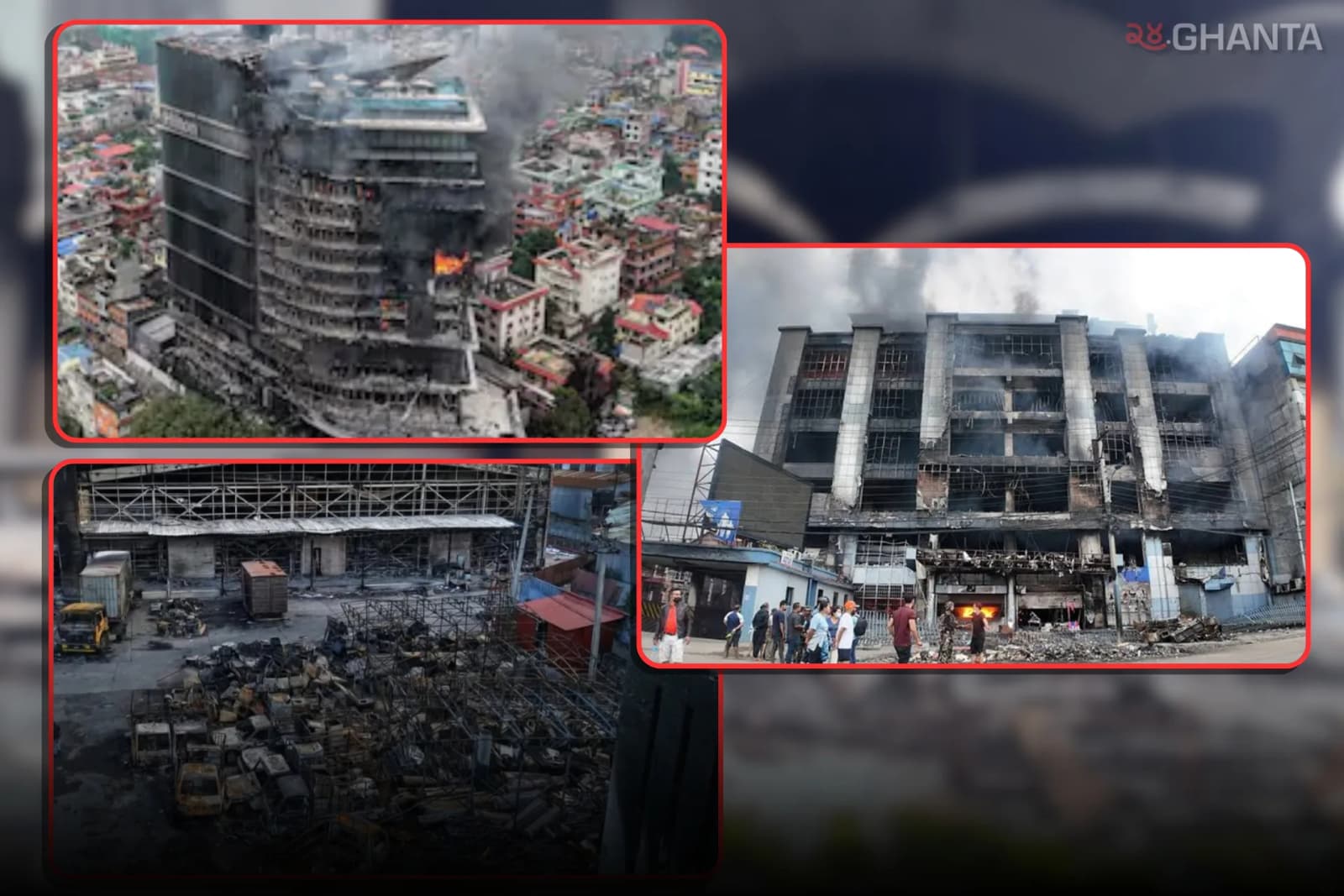
Kathmandu, August 16, 2026: The government has prepared a new Private Investment Protection and Promotion Strategy aimed at creating a safer and more predictable environment for industries and businesses.
One of the major proposals is the establishment of an Industrial Security Force to protect the physical assets of industrial and commercial establishments.
The strategy also proposes declaring industrial areas, industrial corridors, special economic zones and industrial villages as “peace zones”, where disruptive activities would not be allowed.

The move follows significant damage to private businesses and industrial establishments during the Gen-Z protests of September 2025.
According to a National Planning Commission assessment cited by the Ministry of Industry, Commerce and Supplies, public and private properties suffered an estimated Rs 84 billion in physical damage during the protests.
Zero-Tolerance Policy For Attacks On Businesses
The government plans to adopt a zero-tolerance policy toward vandalism, arson, looting and other unlawful activities targeting industrial and commercial establishments.
Businesses and industrial facilities will also be classified according to their security risks, allowing authorities to deploy rapid-response security teams where necessary.
The strategy proposes:
Risk-based security classification of businesses and industries.
Rapid security teams for establishments facing immediate threats.
Designated contact persons at nearby security units.
Protection against attacks, vandalism and arson.
Zero tolerance for attacks on the private property and residences of industrialists and business owners.
Industrial Areas To Be Declared Peace Zones
Under the proposed framework, the government will review and amend existing laws governing industrial security.
The following areas are expected to receive “peace zone” status:
Industrial areas
Industrial corridors
Special economic zones
Industrial villages
The objective is to ensure that industrial operations can continue without disruptions caused by strikes, closures, vandalism, arson or other unlawful activities.
Continuous Security Patrols On Highways
The strategy also focuses on protecting the supply chain.
The government plans to deploy continuous security patrols along highways and strategic highways to ensure the uninterrupted movement of goods and services.
Authorities also plan to launch special searches to recover goods that were looted from industrial and commercial establishments during the protests.
In addition, district and provincial emergency operation centres will operate 24-hour industrial security hotlines to respond to security-related problems.
Relief For Businesses Damaged In Protests
The government has also proposed financial and regulatory relief for businesses affected by vandalism and arson.
Depending on the applicable laws and annual budget, affected businesses could receive exemptions, facilities and concessions for a financial year or a specified period.
Possible measures include:
Discounts or exemptions on business and licence renewals.
Relief on building approval fees.
Exemptions or concessions on electricity and drinking water connection fees.
Relief on integrated property tax.
Concessional loans through banks and financial institutions.
The measures are intended to help damaged businesses resume operations and rebuild their assets.
Tax Incentives To Remain Stable For At Least Five Years
The government also wants to provide greater predictability to investors.
Tax exemptions, facilities and concessions provided under existing tax policies and applicable laws would remain stable for at least five years, according to the strategy.
The government also plans to simplify procedures for registering industries, businesses and companies.
Electronic systems operated by the Department of Industry, Department of Commerce, Supply and Consumer Protection, and Office of the Company Registrar would be interconnected.
This would allow businesses to submit common documents through one system rather than repeatedly providing the same paperwork to different government agencies.
Different Customs Rates For Raw Materials And Finished Goods
The strategy also proposes maintaining at least a two-level difference in customs duty rates between industrial raw materials and finished products, based on an impact assessment.
The measure is intended to support industrialisation, domestic production and employment generation.
Private Sector To Join Coordination Committee
The government plans to establish a Coordination and Facilitation Committee to oversee implementation of the strategy.
The committee will be chaired by the Industry Minister and will include representatives of major private-sector umbrella organisations.
The committee will be responsible for identifying problems faced by entrepreneurs and investors and facilitating their quick resolution.
Why Has The Government Introduced The Strategy?
The Ministry of Industry, Commerce and Supplies says Nepal's productive sector faces risks not only from political unrest but also from natural disasters and other disruptions.
According to the ministry, natural and human-caused disasters result in annual losses equivalent to around 3 percent of GDP.
The government believes a stronger security and investment framework can help create a stable environment for private investment while improving investor confidence and supporting economic growth.
Published Aug 16 in Business