
Hetauda Textile Mill Revival Brings Fresh Push for Cotton Farming in Nepal
The government is encouraging businesses and private investors to expand cotton farming in Nepal as Hetauda Textile Mill resumes operations, with Dang, Banke and Bardiya identified as potential cotton-growing areas.
· 3 min read
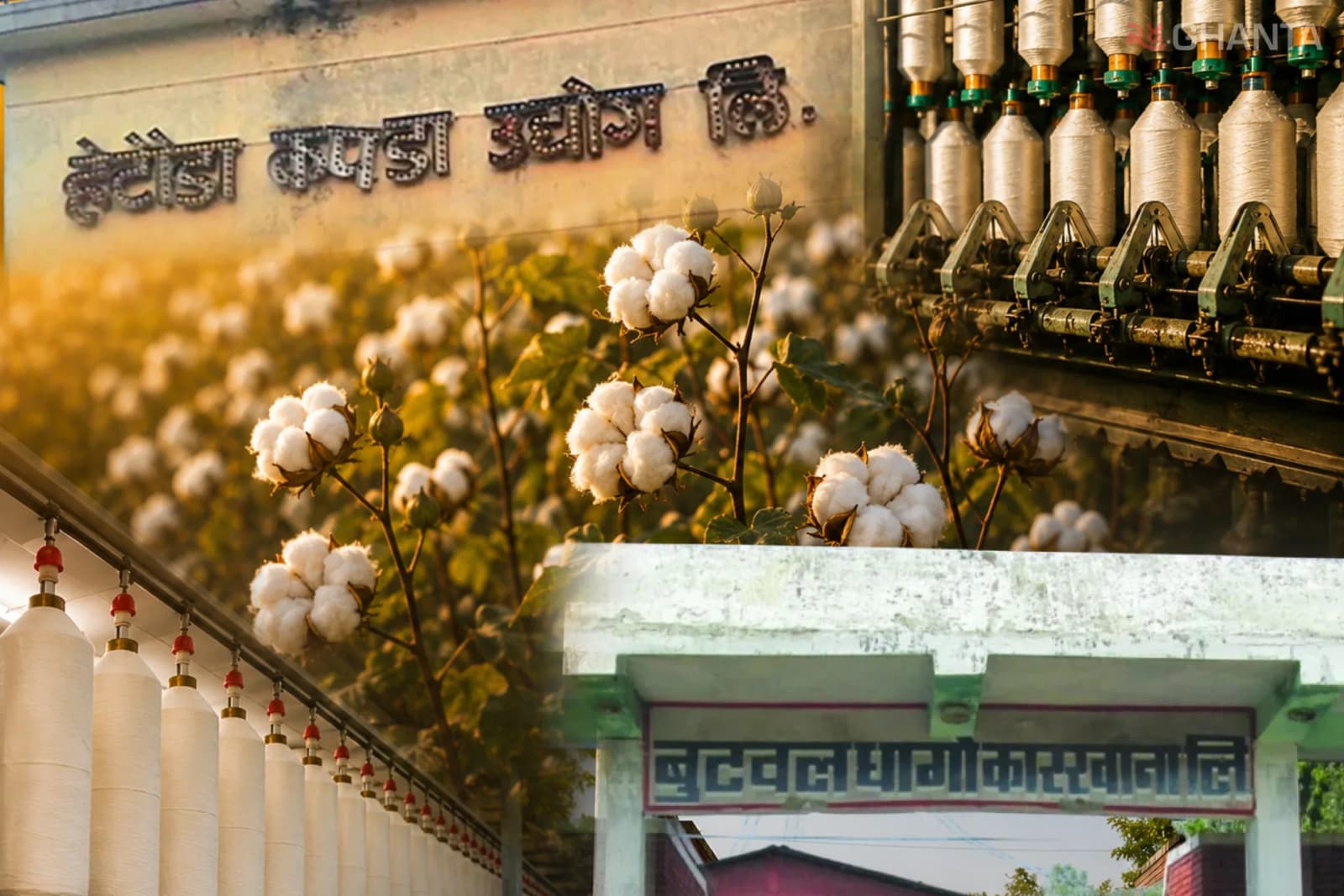
Kathmandu, August 15, 2026: The government's efforts to resume operations at Hetauda Textile Mill have also triggered a renewed push to increase domestic cotton production and reduce Nepal's dependence on imported raw materials.
The Ministry of Industry, Commerce and Supplies has called on businesses and the private sector to invest in commercial cotton farming, with the aim of creating a domestic supply chain for the country's textile industry.
At present, Nepal relies heavily on imported cotton and other raw materials required by textile manufacturers.

Government Wants Cotton Produced Inside Nepal
The government believes expanding cotton farming alongside textile production could help reduce imports while creating new opportunities for farmers and businesses.
The broader objective is to ensure that textile industries can increasingly source their raw materials from domestic producers.
The government expects greater domestic cotton production to:
Reduce dependence on imported cotton.
Support Nepal's textile industry.
Create employment opportunities.
Increase farmers' income.
Help replace some imports with domestic production.
Dang, Banke and Bardiya Identified as Potential Cotton Areas
Industry Minister Gaurikumari Yadav discussed the expansion of cotton farming with Agriculture Minister Geeta Chaudhary.
During the meeting, Chaudhary said areas of Dang, Banke and Bardiya have suitable conditions for cotton cultivation.
Although Nepal has potential for cotton production, commercial farming has not expanded sufficiently to meet the needs of domestic textile industries.
As a result, manufacturers continue to depend on foreign markets for significant quantities of cotton.
Hetauda Textile Mill Creates Demand for Domestic Raw Materials
The renewed operation of Hetauda Textile Mill has increased the government's focus on securing a reliable supply of raw materials.
Rather than relying entirely on imported cotton, officials want domestic production to grow alongside the textile industry.
A stronger local supply chain could connect farmers, cotton producers, yarn manufacturers and textile factories, potentially keeping more economic activity inside Nepal.
Butwal Yarn Factory Revival Also Moving Forward
The government is also working on the possible revival of the Butwal Yarn Factory, which has remained closed for a long period.
Industry Department Director General Jitendra Basnet said the assessment of the factory's assets and liabilities is now in its final stage.
The assessment is expected to help determine the options for bringing the factory back into operation.
Government Sees Larger Economic Benefits
Officials believe the combination of textile production, domestic cotton farming and the possible revival of yarn manufacturing could help establish a stronger textile industry in Nepal.
The government says expanding cotton cultivation could simultaneously support farmers while providing industries with a domestic source of raw materials.
If implemented effectively, the plan could contribute to import substitution, employment generation and higher agricultural income.
Published Aug 16 in Business