
IOE Changes Entrance Exam Details Again After Student Protests
Institute of Engineering (IOE), Tribhuvan University, has reversed its decision to change the BE/B.Arch entrance examination to a 100-mark pattern, restoring the previous 140-mark format. The decision comes after sustained pressure from students and student unions, who argued that the institute's sudden policy changes had disrupted preparation and created uncertainty just weeks before the admission process.
· 3 min read

After weeks of confusion and growing criticism from engineering aspirants, the Institute of Engineering (IOE), Tribhuvan University, has reversed its decision to change the BE/B.Arch entrance examination to a 100-mark pattern, restoring the previous 140-mark format. The decision comes after sustained pressure from students and student unions, who argued that the institute's sudden policy changes had disrupted preparation and created uncertainty just weeks before the admission process.
The latest notice issued by the IOE Entrance Examination Board confirms that the computer-based entrance examination will now consist of 100 objective questions carrying a total of 140 marks, bringing back the marking system that had been used in previous years. This comes despite IOE having already published a revised syllabus based on a new 100-mark structure earlier this admission cycle.
The controversy began when IOE introduced a new entrance examination format, reducing the total marks from 140 to 100. Thousands of students had already started preparing according to the new pattern, purchasing study materials and adjusting their preparation strategies to match the revised marking scheme, but this decision has hampered their preparation all over again.

The uncertainty did not end with the syllabus. IOE also made significant changes to the entrance examination schedule. Unlike previous years, when the engineering entrance examination was held later in the admission season, the institute initially announced that the examination would begin from Ashar 28, considerably earlier than usual. The sudden advancement of the examination date left many students concerned that they would not have enough time to complete their preparation. After repeated dialogues, the Institute changed the date to Shrawan 11, but introduced the aforementioned new marking scheme.
As dissatisfaction grew, student unions and engineering aspirants launched protests, demanding that IOE reconsider both the revised marking system and the increase in exam fee. Student representatives argued that making major academic changes without adequate consultation or sufficient preparation time placed thousands of candidates at a disadvantage.
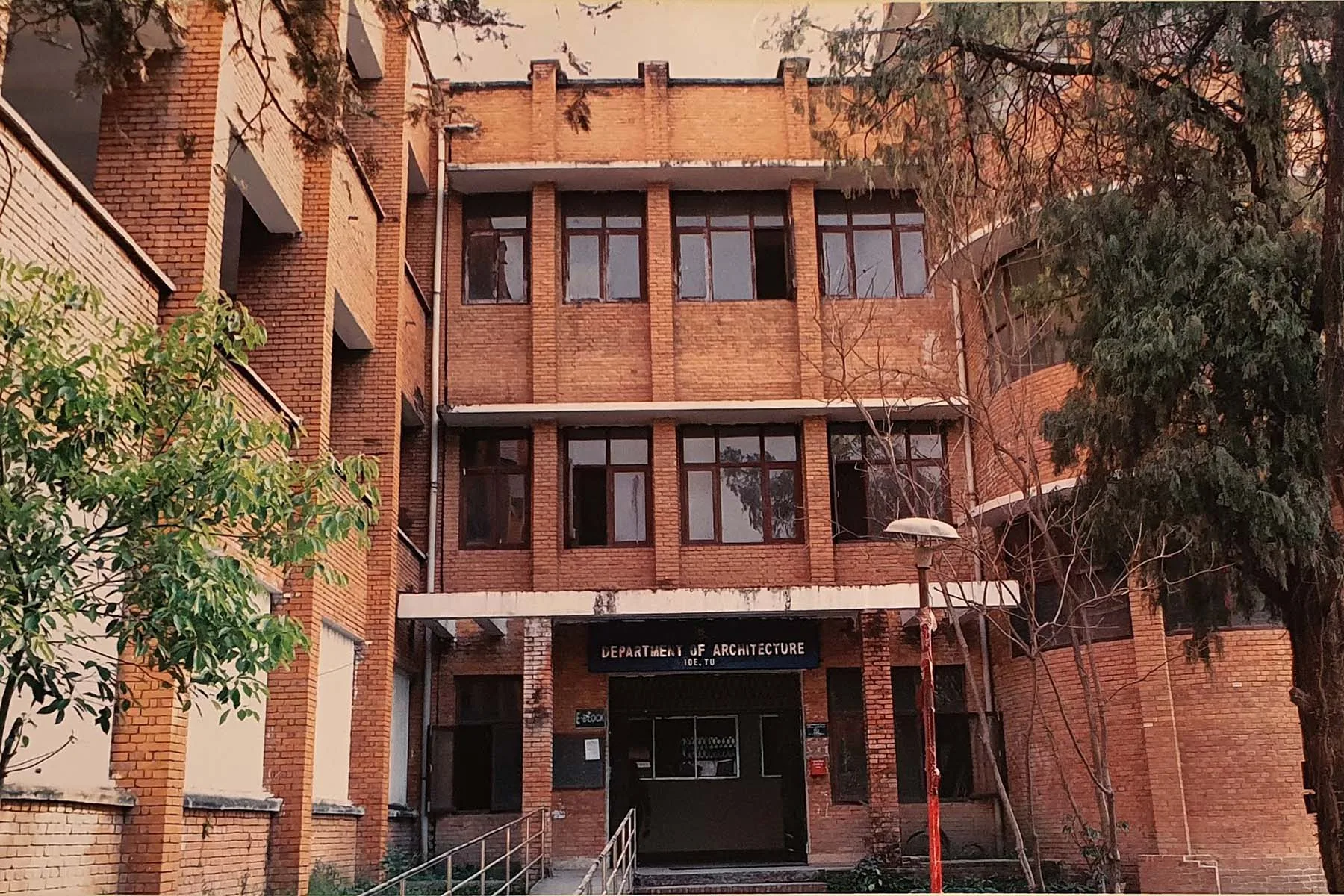
Following discussions between IOE officials and representatives of student organisations, the institute agreed to revise several of its decisions. The application fee was reduced from Rs 2,500 to Rs 2,000, and the previous 140-mark entrance pattern was officially reinstated.
While many students have welcomed the return of the old marking system, the repeated changes have also drawn criticism. Aspirants say they have had to repeatedly adjust their preparation strategy within a short period, creating unnecessary stress and confusion during one of the most competitive entrance examinations in the country.
Education stakeholders have also questioned the institute's decision-making process, arguing that important academic policies such as examination patterns, syllabi and admission schedules should be finalised well in advance to provide certainty for students. They say repeated revisions undermine confidence in the admission process and place an unfair burden on candidates preparing for highly competitive examinations.
With the revised notice now in effect, engineering aspirants will appear for the entrance examination under the restored 140-mark system, but the episode has sparked wider discussions about the need for greater transparency, consistency and better planning in IOE's admission process to avoid similar confusion in future years, as thousands of students depend on this exam for a hope for better future.
Published Jul 7 in Nepal