
Jhapa Tea Factories And Estates Shut Down Amid Ongoing Export Dispute
Tea producers in Jhapa have shut down all tea factories and estates after export disruptions to India remained unresolved for more than 45 days. The closure has affected around 60,000 workers and deepened concerns about the future of Nepal's tea industry.
· 2 min read
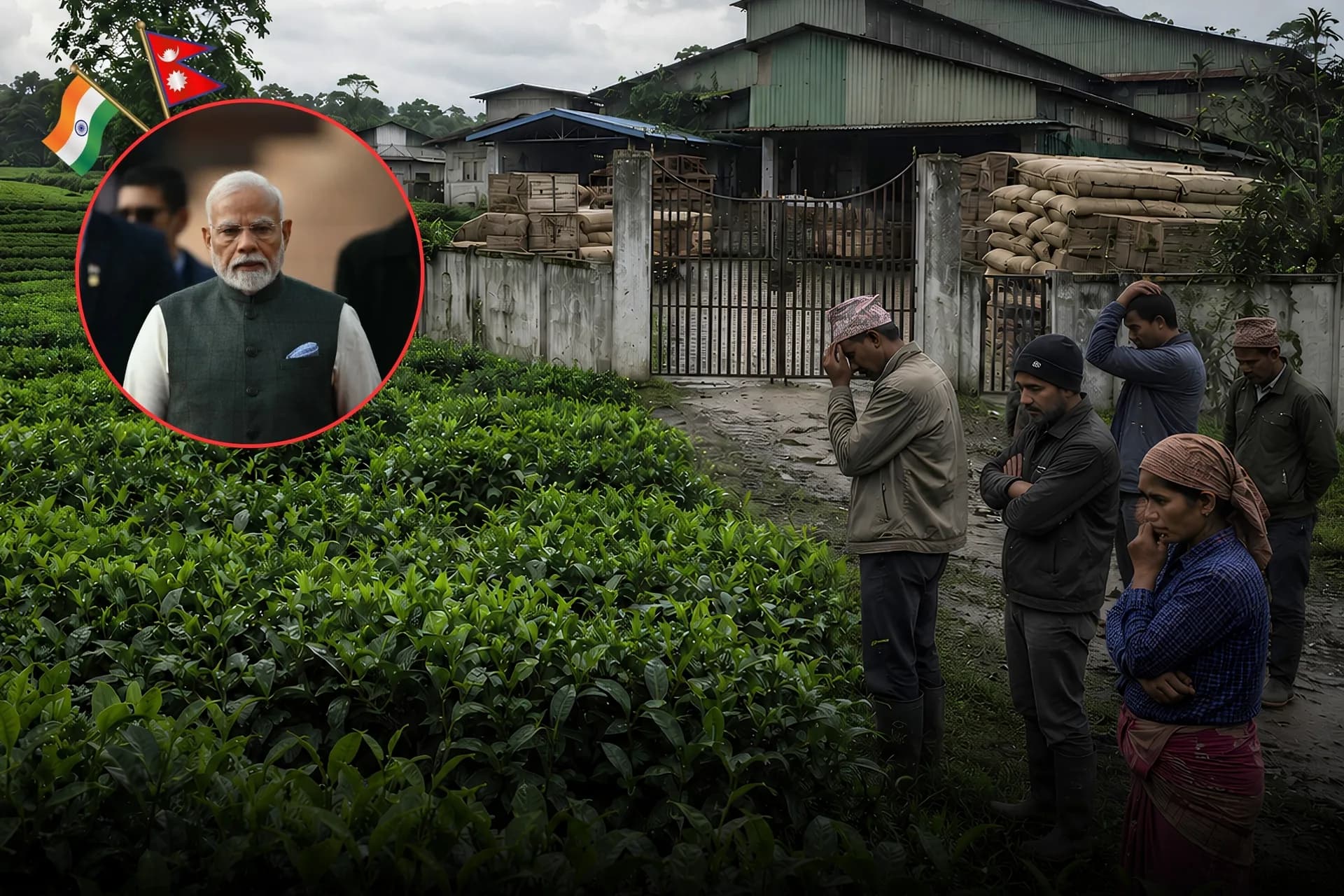
Tea producers in Jhapa have suspended operations at all local tea factories and estates, citing prolonged difficulties in exporting tea to India and a lack of progress in resolving the issue.
The decision was announced by the Nepal Tea Producers' Association, which stated that all 30 tea factories operating in the district, along with around two dozen tea estates, would remain closed starting Thursday.
Industry representatives say the shutdown follows more than six weeks of disruption in tea exports after new requirements introduced by India's tea regulatory authorities created obstacles for Nepali producers. Similar closures had already affected dozens of orthodox tea factories in neighboring Ilam earlier this month.
According to the association, the closure is expected to affect approximately 60,000 workers in Jhapa, one of Nepal's most important tea-producing regions. The district has more than 10,000 hectares of land under commercial tea cultivation.
Tea entrepreneurs argue that recently introduced export procedures have made it increasingly difficult to send Nepali tea to the Indian market. They say repeated requests for government intervention and diplomatic efforts have yet to produce a solution.
The tea sector remains one of Nepal's significant agricultural industries. Producers estimate that annual transactions involving orthodox and CTC tea amount to between Rs 12 Arba and Rs 14 Arba, with exports to India accounting for more than Rs 5 Arba each year.
Industry leaders also note that tea exports contribute valuable foreign currency earnings and generate approximately Rs 1 Arba in tax revenue annually.
While producers have explored alternative markets, they say export opportunities remain limited. Bangladesh has shown interest in importing Nepali tea, but industry representatives argue that tariff-related challenges have made large-scale exports commercially difficult.
Tea business operators have expressed concern that continued disruptions could affect farmers, workers, processors, and exporters across the country. They have called on authorities to engage with their Indian counterparts and seek a long-term solution that allows the smooth movement of Nepali tea into international markets.
The association has already submitted a memorandum through local authorities, urging the government to take immediate action to address the growing crisis facing Nepal's tea industry.
Published Jun 18 in Nepal