
Nag Panchami: Significance, Traditions And Why Is It Celebrated In Nepal?
· 3 min read
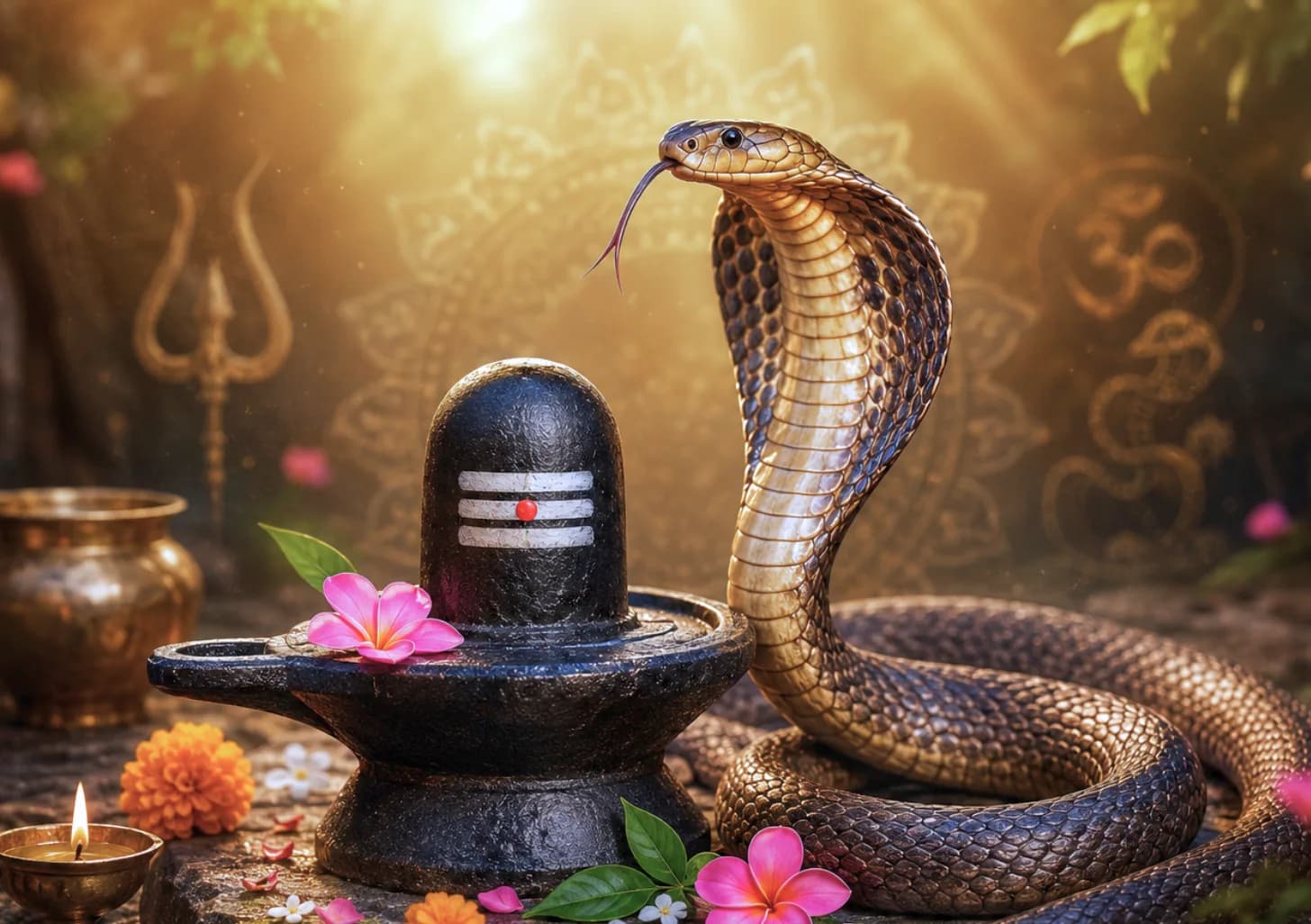
Nag Panchami is an important Hindu festival dedicated to the worship of Nagas, or snake deities. Celebrated on the fifth day of the bright half of the lunar month of Shravan, the festival holds deep religious and cultural importance in Nepal. On this day, families perform traditional rituals, visit Nag temples and sacred ponds, and pray for protection, peace and prosperity.
Why Is Nag Panchami Celebrated?
Nag Panchami is celebrated to honour Nag deities, which hold an important place in Hindu religious traditions. Snakes are connected with several Hindu gods and goddesses and are viewed as powerful symbols of protection and nature.
According to traditional belief, worshipping Nag deities on Nag Panchami protects families from snakes, scorpions and other dangers. People also pray for protection from fire, lightning and natural threats.

The festival also reflects the close relationship between people and nature. Snakes play an important role in the ecosystem by controlling populations of rats and other animals. Traditional beliefs encourage people to respect snakes rather than harm them unnecessarily.
Traditional Nag Panchami Rituals
Nag Panchami begins early in the morning. Devotees bathe, clean their homes and prepare for worship. Lamps, a kalash and Lord Ganesha are traditionally worshipped before the Nag ritual begins.
A picture of a Nag is then placed on the main door of the house, traditionally using cow dung. Devotees offer items such as curd, durva grass, kusha grass, vermilion and sandalwood while praying to the Nag deity.
According to Hindu scriptures, eight Nagas are traditionally worshipped on this occasion: Ananta, Vasuki, Padma, Mahapadma, Takshaka, Kulir, Karkata and Shankha. Devotees also recite the Nag Stotra during worship.
Some people observe a fast throughout the day. After sunset, they worship the Nag deity with flowers, fruits, milk and prasad before ending their fast.
Cultural Importance In Nepal
Nag Panchami is celebrated across Nepal, but some religious sites attract especially large numbers of devotees. Nagpokhari and Taudaha in Kathmandu and Siddhapokhari in Bhaktapur are among the well known places where people gather for worship.
The festival is also connected with traditional beliefs surrounding land and house construction. Some families worship the Nag deity before or during construction to seek protection and avoid problems believed to be connected with Nag dosha.
In astrology, Nag Panchami is considered an important day for people who believe they are affected by Kalsarpa Yoga, which is associated with the positions of Rahu and Ketu in a horoscope.
A Festival Of Faith And Respect For Nature
Nag Panchami is more than a day of religious worship. It represents centuries of tradition, respect for nature and the cultural importance given to snakes in Hindu society.
For families across Nepal, the festival remains a day of prayer, devotion and community gatherings. Through rituals passed down across generations, Nag Panchami continues to connect religious faith with respect for nature and cultural heritage.
Published Aug 17 in Society