
National Cadet Corps Bill Set for House Passage, Proposing Military-Led Training for Young Students and Citizens
Nepal’s House of Representatives is scheduled to consider the National Cadet Corps Bill, 2083, which proposes military-led training for students and a framework to train and mobilize citizens as volunteers for national service.
· 3 min read
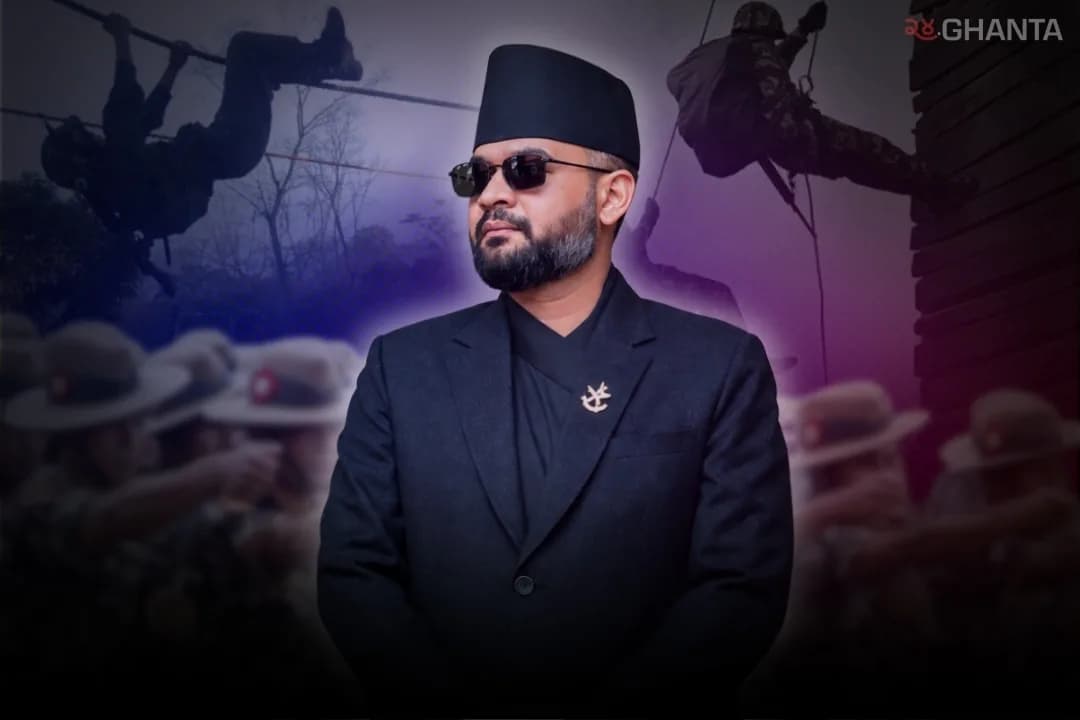
KATHMANDU: Nepal’s National Cadet Corps Bill, 2083 is scheduled for consideration and passage in the House of Representatives on Monday, September 21, as Parliament moves forward with legislation to replace the existing National Cadet Corps Act, 2027.
The bill was registered in the Federal Parliament on June 30, 2026 (Asar 16, 2083) under the Defense Ministry. It has already gone through committee-level review, with the State Affairs and Good Governance Committee unanimously approving its report on September 17.

If passed by the House, the bill will move to the National Assembly. It will only acquire legal status after completing the parliamentary process in both chambers and receiving presidential authentication.
What Is the Bill About?
The proposed law seeks to replace the existing National Cadet Corps Act, 2027 with a new legal framework designed to promote:
Patriotism among students
National service
National unity
Discipline and ethical conduct
Training of citizens for national needs
Volunteer service by trained individuals
The government has said the legislation is intended to provide a legal framework for preparing citizens to serve the country when required.
Military-Led Training for Students
One of the central provisions of the proposed legislation is the training of students in the 13-to-21 age group.
Under the proposal, selected students would receive training from Nepali Army officers.
The original proposal described the program as a way to develop discipline, national unity, public-service values and preparedness among students.
The bill does not mean that students completing the training would automatically become members of the military.
Who Will Receive Training?
The proposed framework allows the National Cadet Corps to provide training to students and, when considered necessary, other citizens as well.
The government would have the authority to determine the groups requiring training based on national needs.
Those who complete the training could subsequently be mobilized as volunteers for national service when required.
Military Service Will Not Automatically Become Mandatory
An important provision added during the parliamentary committee process is that receiving National Cadet Corps training alone would not force a person to join military service.
The committee also added a provision requiring information about the deployment of trained students and other individuals as volunteers to be presented to both houses of Parliament.
This provision changes an important aspect of the government's original proposal, according to reporting on the committee's amendments.
Why Is the Government Replacing the Existing Law?
The government has argued that the existing National Cadet Corps Act, 2027 needs to be replaced with a framework suited to current national requirements.
The proposal refers to Article 51 of Nepal's Constitution, which includes a state policy of making citizens ready and capable of serving the nation according to national needs.
The new legislation is intended to provide a clearer legal basis for that policy.
Bill Has Already Passed Committee Stage
The State Affairs and Good Governance Committee formed a subcommittee to study the legislation and conduct detailed discussions.
On September 17, 2026, the committee unanimously approved the subcommittee's report.
The approved amendments are now part of the parliamentary process. Parliament's official records also list approved consolidated amendments to the National Cadet Corps Bill.
What Happens After the House Vote?
The House of Representatives is scheduled to consider the bill on September 21.
According to the parliamentary agenda, Law, Justice and Parliamentary Affairs Minister Sovita Gautam, representing Prime Minister and Defense Minister Balendra Shah, will present the proposal to pass the bill.
If the House passes it, the bill will be sent to the National Assembly for consideration.
The legislation would then require approval through the remaining parliamentary process and presidential authentication before becoming law.
Published 13 hours ago in Politics