
National ID Server Problem Disrupts Services Across 16 Government Agencies As Outdated System Causes Repeated Delays
A technical problem in Nepal’s National ID Management Information System has disrupted verification services across 16 government agencies, including the Department of Passports.
· 5 min read
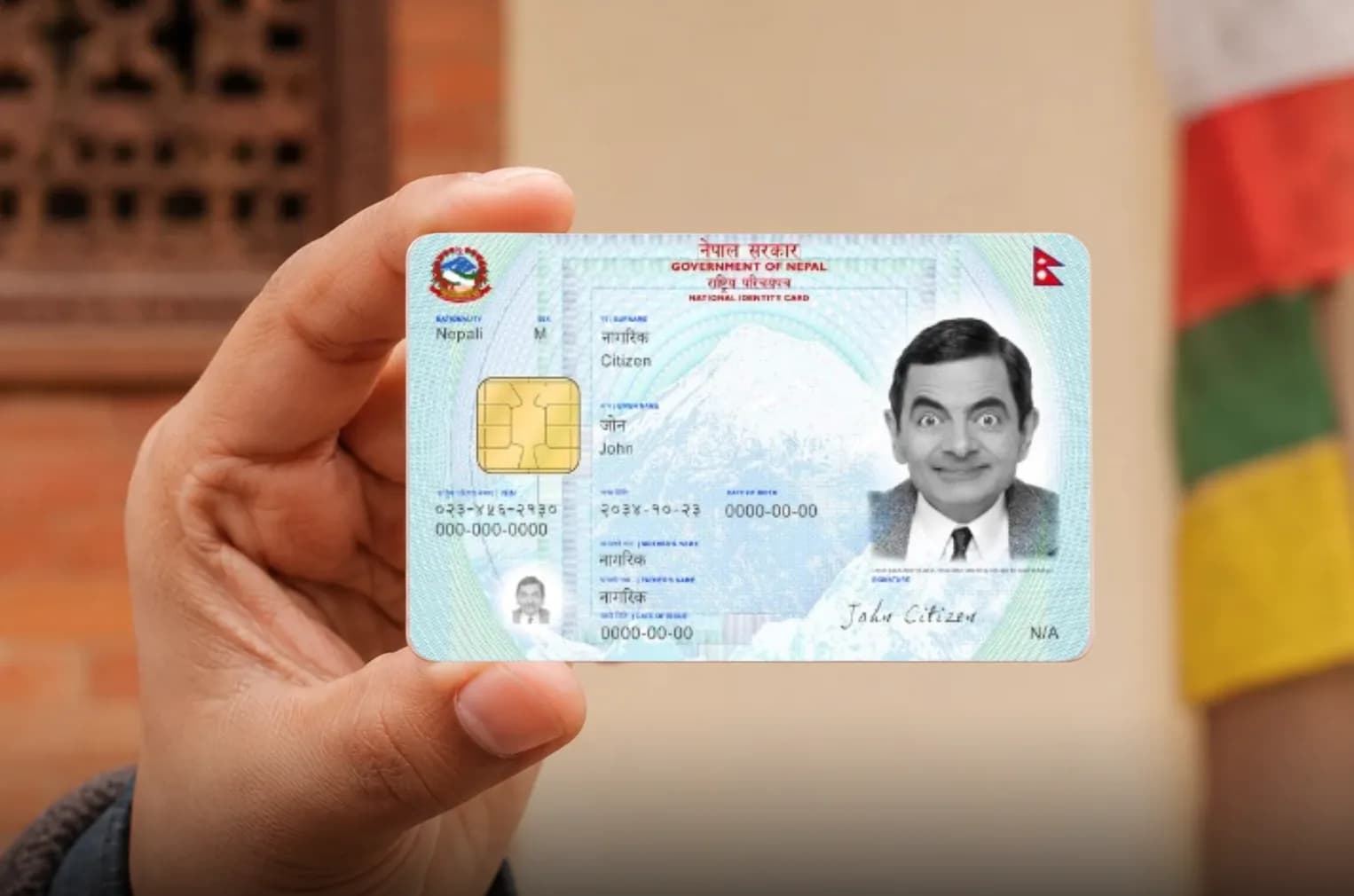
A technical problem in Nepal’s National ID Management Information System, known as NIDMIS, has affected services across 16 government agencies, including passport services, leaving thousands of people facing long delays.
At the Department of Passports in Kathmandu, many applicants have been waiting for days because officials are unable to verify their National ID numbers through the system.
Some applicants who paid Rs 12,000 for urgent passport service, which is expected to provide a passport within 24 to 48 hours, said they had already been waiting for more than a week.

The delays have created additional financial and mental pressure for people who travelled to Kathmandu from different districts for passport related work.
16 Government Agencies Affected
The problem is not limited to passport services.
National ID verification is connected with several government agencies and public services. Technical problems in the system have affected verification work across 16 agencies.
Affected institutions include the Department of Passports, government bodies related to education and sports, labour and transport services, the Medical Education Commission, Department of Transport Management, Department of Information Technology, Inland Revenue Department, Department of Immigration and agencies responsible for land records.
The Health Insurance Board, Social Security Fund, Credit Information Centre, National Personnel Records office, Nepal Rastra Bank, Pension Management Office and Office of the Company Registrar have also been affected.
Because National ID verification is becoming an important part of many government services, problems in the central system can directly affect several public offices at the same time.
Temporary Alternative Suggested
The Department of National ID and Civil Registration has asked relevant agencies to help applicants using a temporary verification method until the online system becomes fully functional.
The department said agencies could use verified confirmation pages generated through NIDMIS when providing services to individuals whose details cannot be immediately verified online.
The request was made after the Department of Passports informed the National ID department about the growing service problems.
However, passport officials said they had not yet received confirmation that the technical problem had been fully solved.
The Department of Passports has continued contacting the National ID department and asking for a faster solution because the number of affected applicants is increasing.
System Capacity Has Dropped Sharply
Officials have linked the latest problem to the limited capacity of the National ID system.
Information Technology Director Ram Thapa said the system previously had the capacity to handle around 13,000 operations per day.
Its performance has now dropped to around 1,000 to 1,500, creating serious problems for services that depend on National ID verification.
According to Thapa, the system has been operating since 2018 and its capacity was not expanded on time despite the growing number of users and services connected to it.
He said officials had informed the government several times about the need to increase the system’s capacity.
The system is currently being updated, and officials expect the present problem to be solved within three to four days.
Similar Problems Reported Before
Technical problems with the National ID system have also affected the public on previous occasions.
In the final week of Ashadh, hundreds of people who had travelled to Narayanhiti for National ID related services were affected after the system developed problems.
Many applicants reportedly waited in long lines before being informed that the server was not working.
Another major problem was reported in late Baisakh when National ID services were affected for around two weeks.
The situation led to frustration among applicants, and some people gathered at the department to protest.
The department later issued a public notice apologising for the inconvenience and said technical problems in the National Identity Management Information System had affected verification of newly issued National ID numbers.
Old System Faces Growing Pressure
The latest disruption has raised questions about whether the existing National ID infrastructure is capable of supporting the growing number of government services connected to it.
As more public services require National ID verification, the system has to process a much larger number of requests than when it was first introduced.
Officials say the failure to increase capacity in time has contributed to the current situation.
The Department of National ID and Civil Registration operates under Nepal’s Ministry of Home Affairs.
Department officials have held discussions with the ministry about the technical problems, but a permanent solution has not yet been announced.
The Home Ministry has said it is aware of the issue and that the department is working to restore normal services as soon as possible.
Public Faces Financial And Mental Pressure
For citizens, however, the server problem has become more than a technical issue.
People travelling from outside Kathmandu are spending money on transport, accommodation and food while waiting for services that were expected to be completed within a short period.
For passport applicants preparing to travel abroad, delays can also affect work, study and other planned travel processes.
With National ID verification now connected to many government agencies, a failure in the central system can affect thousands of people across different public services.
Officials say the system upgrade is in progress and the immediate technical problem could be resolved within three to four days.
Until the system returns to full capacity, affected agencies have been asked to use available alternative verification documents where possible to reduce difficulties for the public.
Published Aug 7 in Nepal