
Nepal Proposes Major Aviation Reform with Rs 15.2 Million Compensation for Domestic Plane Crash Victims
Parliament Receives Long-Awaited Bill to Strengthen Passenger Rights, Airline Accountability, and Insurance Coverage
· 4 min read
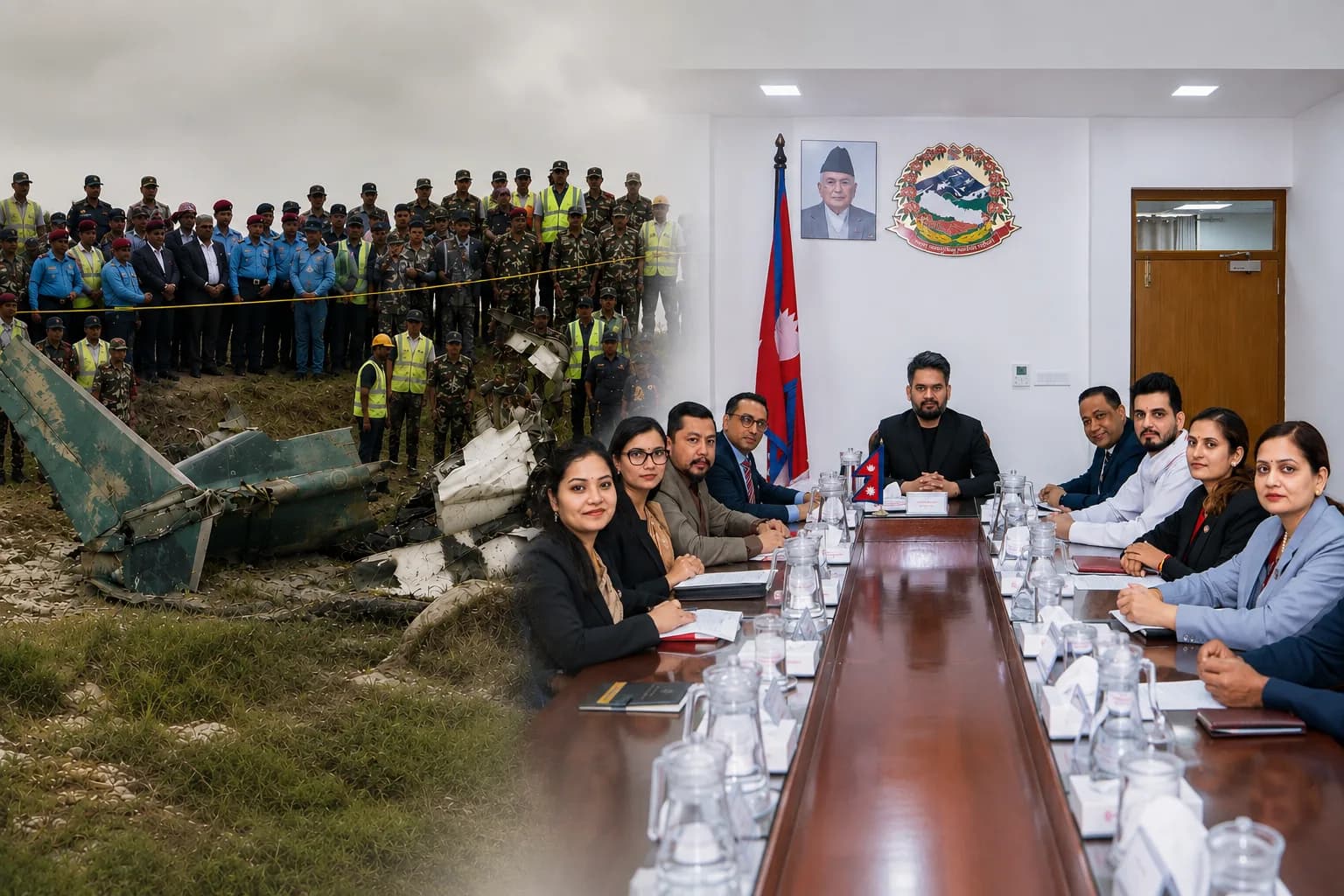
Nepal has taken a significant step toward improving aviation safety and passenger protection by registering a new aviation liability bill in the National Assembly. The proposed law aims to increase compensation for victims of domestic plane crashes, expand passenger rights, and bring Nepal's aviation regulations closer to international standards.
If approved, the bill will replace decades-old compensation provisions and introduce stronger legal responsibilities for domestic airlines. It also addresses compensation for flight delays, cancellations, lost baggage, damaged cargo, and harm caused to third parties, making it one of the most comprehensive aviation reforms proposed in recent years.

Compensation to Increase Nearly Fivefold
One of the biggest changes in the proposed legislation is the sharp increase in compensation for victims of domestic air accidents.
Under the current law, the family of a passenger who dies in a domestic plane crash is entitled to around Rs 3 million in compensation. The new bill proposes increasing that amount to approximately Rs 15.2 million, bringing Nepal much closer to international compensation standards.
The government says the increase reflects the need for better financial security for victims' families while ensuring airlines maintain adequate insurance coverage.
Immediate Funeral Assistance
The proposed law also requires airlines to provide Rs 500,000 immediately to the victim's family for funeral and last rites expenses if the full compensation cannot be paid right away.
This provision is intended to provide immediate financial support during one of the most difficult moments for affected families.
Medical Expenses Fully Covered
Passengers who suffer injuries or permanent disabilities in an aircraft accident will also receive stronger legal protection.
The bill requires airlines to:
Cover all necessary medical treatment expenses.
Pay compensation of up to Rs 15.2 million, depending on the circumstances.
This marks a major improvement over the current legal framework.
Better Protection for Delays and Cancellations
The proposed legislation extends passenger rights beyond accidents.
Airlines will be required to notify passengers at least three hours before departure if a scheduled flight is expected to be cancelled or significantly delayed.
Passengers may also become eligible for compensation or other assistance when airlines fail to operate flights as scheduled due to reasons within their control.
However, compensation will not apply when disruptions are caused by:
Bad weather
Natural disasters
Air traffic control restrictions
Security-related decisions made by authorities
Compensation for Lost Baggage and Cargo
The bill also introduces clearer rules for baggage and cargo compensation.
If checked baggage is lost, damaged, or destroyed, airlines will be responsible for paying compensation based on the weight of the luggage, with a maximum limit defined under the proposed law.
Similarly, airlines will be required to compensate customers if cargo is lost or damaged during transportation.
Third-Party Damage Also Covered
The legislation expands airline responsibility beyond passengers.
If an aircraft accident causes injury, death, or property damage to people on the ground, airlines will also be legally required to compensate affected third parties.
This provision strengthens public protection and increases airline accountability.
Six Years in the Making
Work on the legislation began in 2020, when the Ministry of Culture, Tourism and Civil Aviation formed a committee to draft new aviation liability laws.
Although Nepal ratified the Montreal Convention 1999 in 2018, allowing international passengers to receive significantly higher compensation, domestic aviation compensation remained unchanged for years.
Following several major air accidents, including the US-Bangla Airlines crash at Tribhuvan International Airport in 2018, pressure increased to reform Nepal's domestic aviation laws.
After multiple rounds of consultation and policy discussions, the bill has finally been registered in Parliament.
Insurance Will Cover Compensation
The proposed law requires airlines to maintain insurance covering:
Passenger deaths and injuries
Permanent disabilities
Lost or damaged baggage
Cargo losses
Third-party injuries
Damage to public and private property
Victims or their families will generally have 90 days to submit compensation claims for death or injury, while claims related to baggage, cargo, and cancelled flights must typically be filed within 30 days.
A Major Step Toward Safer Aviation
If passed by Parliament, the new aviation liability law will become one of Nepal's most important aviation reforms in recent years. By significantly increasing compensation, strengthening passenger rights, and requiring better insurance coverage, the legislation aims to improve public confidence in domestic air travel while ensuring airlines meet higher standards of accountability and responsibility.
Published Aug 4 in Nepal