
No Dark Glasses, No Casual Dress? Nepal Parliament Moves Toward Stricter Rules
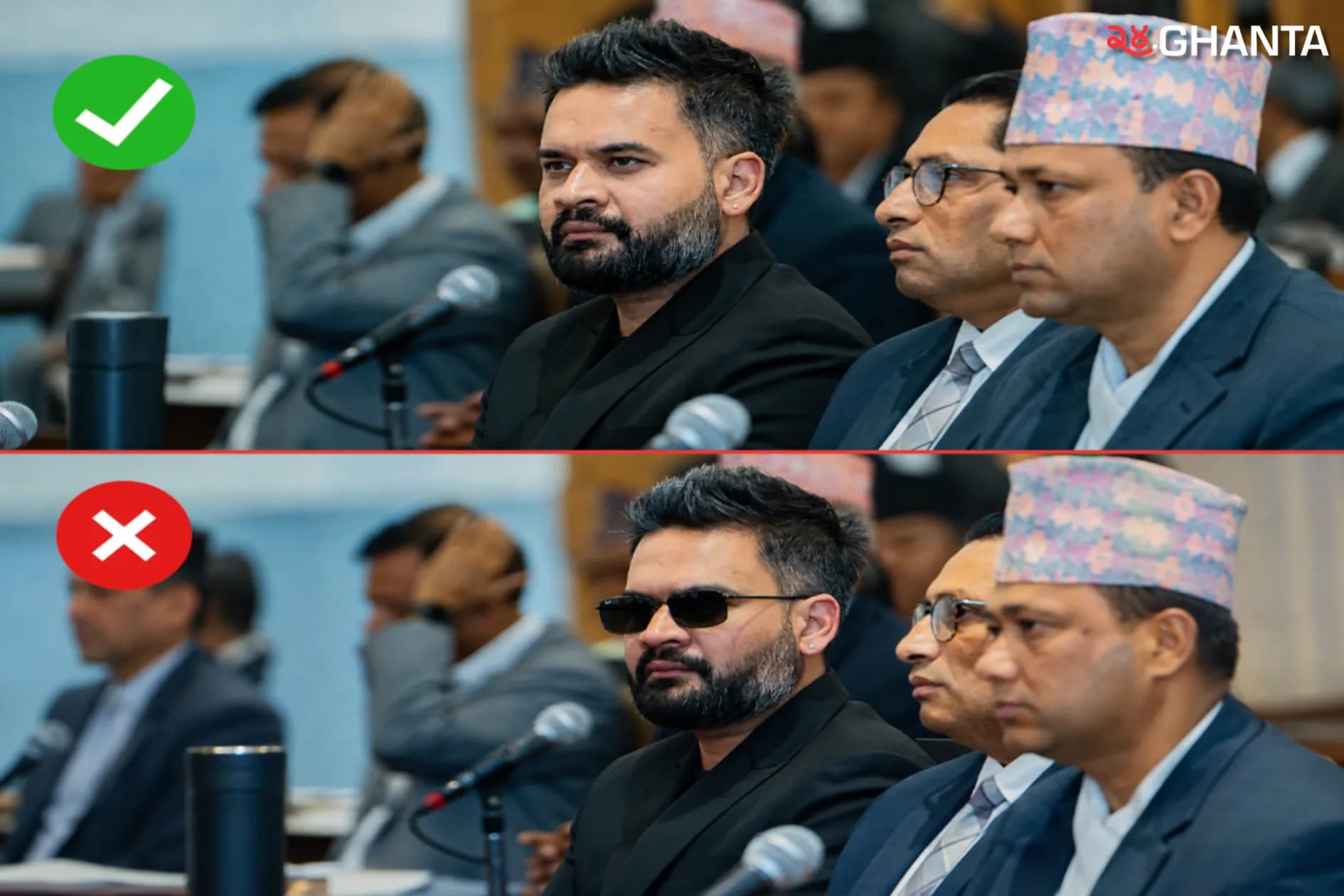
House of Representatives Speaker Dol Prasad Aryal is moving to tighten parliamentary discipline, with lawmakers expected to follow formal or culturally appropriate dress standards, display the official parliamentary emblem and avoid unnecessarily leaving the chamber while meetings are underway. A further reported proposal would restrict dark sunglasses inside the chamber without a medical justification, as Parliament seeks to make proceedings more disciplined and professional.
· 4 min read
Parliament Prepares Tougher Rules
House of Representatives Speaker Dol Prasad Aryal is pushing stricter conduct and dress standards for lawmakers in Nepal’s federal Parliament in Kathmandu from Shrawan 2083, including requirements for appropriate formal or cultural clothing and the parliamentary emblem, while members are also being told not to unnecessarily enter and leave the chamber during proceedings. The changes are being pursued to protect parliamentary dignity, improve discipline and make lawmakers’ conduct more professional, following repeated concerns over dress, movement inside the chamber and behaviour during meetings.
Coat And Parliamentary Emblem Expected
Aryal told a meeting of the House of Representatives’ Business Advisory Committee that lawmakers who do not wear a coat or recognised cultural attire, along with the required parliamentary emblem, could be prevented from using the rostrum.

He complained that some lawmakers remove their coats and hang them on their chairs while others attend proceedings without either a coat or the official emblem. The Speaker said Parliament cannot allow members to appear in whatever clothing they choose if the institution’s dignity is to be maintained.
What Existing Rules Say
Nepal’s House rules already require lawmakers to appear in dignified attire, while allowing the Speaker to determine appropriate parliamentary dress after consultation with the Business Advisory Committee.
Cultural and traditional clothing remains acceptable, meaning the proposed enforcement is not limited to Western-style suits. Aryal’s current push is therefore largely about stricter enforcement and clearer standards, rather than introducing parliamentary dress requirements from scratch.
Dark Sunglasses Could Face Restrictions
A further proposed measure reported around the new discipline drive would restrict lawmakers from wearing dark sunglasses inside the chamber without a genuine medical reason. Under the reported arrangement, members who medically require tinted glasses would need to provide supporting medical documentation.
This part should currently be described as a proposed or reported rule, rather than an already-enforced parliamentary regulation, because the published sources I could independently verify clearly establish the dress, emblem and movement measures but do not yet provide the same official detail for a medical-exemption system for sunglasses.
Balen’s Signature Glasses Draw Attention
The discussion is particularly notable because Prime Minister Balendra Shah regularly wears dark sunglasses during parliamentary and other public appearances.
Shah attended the May 11 joint sitting of Parliament in a black coat, dark sunglasses and white Goldstar shoes. The report noted that sunglasses have become a consistent feature of his public appearances, including parliamentary sessions, ceremonies and official photographs.
Leaving The Chamber Also Under Scrutiny
The Speaker’s plan goes beyond clothing. Aryal has instructed party chief whips and whips to discourage lawmakers from repeatedly moving in and out of the meeting hall while proceedings are underway.
Prime Minister’s Walkout Became A Flashpoint
The issue of lawmakers leaving during proceedings gained particular attention after Prime Minister Shah got up about 45 minutes into President Ram Chandra Paudel’s May 11 address presenting the government’s policies and programmes.
Shah did not leave the Parliament complex but moved into a room designated for the prime minister while the President continued reading the government’s programme. The incident prompted criticism and later became part of the broader debate over parliamentary conduct.
Attendance Records Could Become Public
Aryal is also planning another transparency measure: publishing lawmakers’ daily attendance records.
During the Business Advisory Committee discussion, he said daily attendance details would soon be made public and also encouraged lawmakers to use their official government email accounts. Together, the measures indicate that the Speaker’s reform effort extends beyond clothing to attendance, conduct and institutional professionalism.
New Parliament Building Still Not Ready
Although tighter enforcement has been linked to Parliament’s eventual move into the permanent complex at Singha Durbar, the new Federal Parliament complex has not yet been fully completed.
As of July 24, the Kathmandu Post reported that the Rs 5.67 billion project remained unfinished nearly seven years after construction began, with neither the responsible ministry nor the Federal Parliament Secretariat able to provide a definite completion date. Parliament is currently operating through temporary and improvised arrangements within the complex.
Why The Rules Matter
Aryal’s argument is that Parliament is not simply a place where lawmakers debate and vote, it is also a national institution whose members are expected to maintain dignity, discipline and professional conduct.
If the tougher standards are fully implemented, lawmakers could face clearer limits on how they dress, when they move around during proceedings and how they conduct themselves inside the chamber, marking an effort to establish a more structured parliamentary culture.
What Happens Next
The most firmly documented changes involve formal or cultural attire, coats, parliamentary emblems, reduced movement during meetings and publication of attendance records. How far the proposed restrictions on dark sunglasses go—and exactly what medical documentation will be required—will become clearer if the Speaker or Parliament Secretariat issues a formal directive.
For now, one message from the Speaker is clear: lawmakers are being asked to treat parliamentary proceedings with greater formality and discipline.
Published Aug 6 in Politics