
People Mocked This Movie, Then Paid Millions to Watch It
Chinese animated film Niu Lai has turned from an almost ignored theatrical release into one of China's most unusual viral box-office stories after its crude animation and unconventional storytelling became a social-media sensation. Made over about five years by director Xin Yumeng and his mother Sun Lifang, the film's weaknesses unexpectedly became its biggest marketing tool as audiences began buying tickets out of curiosity.
· 6 min read
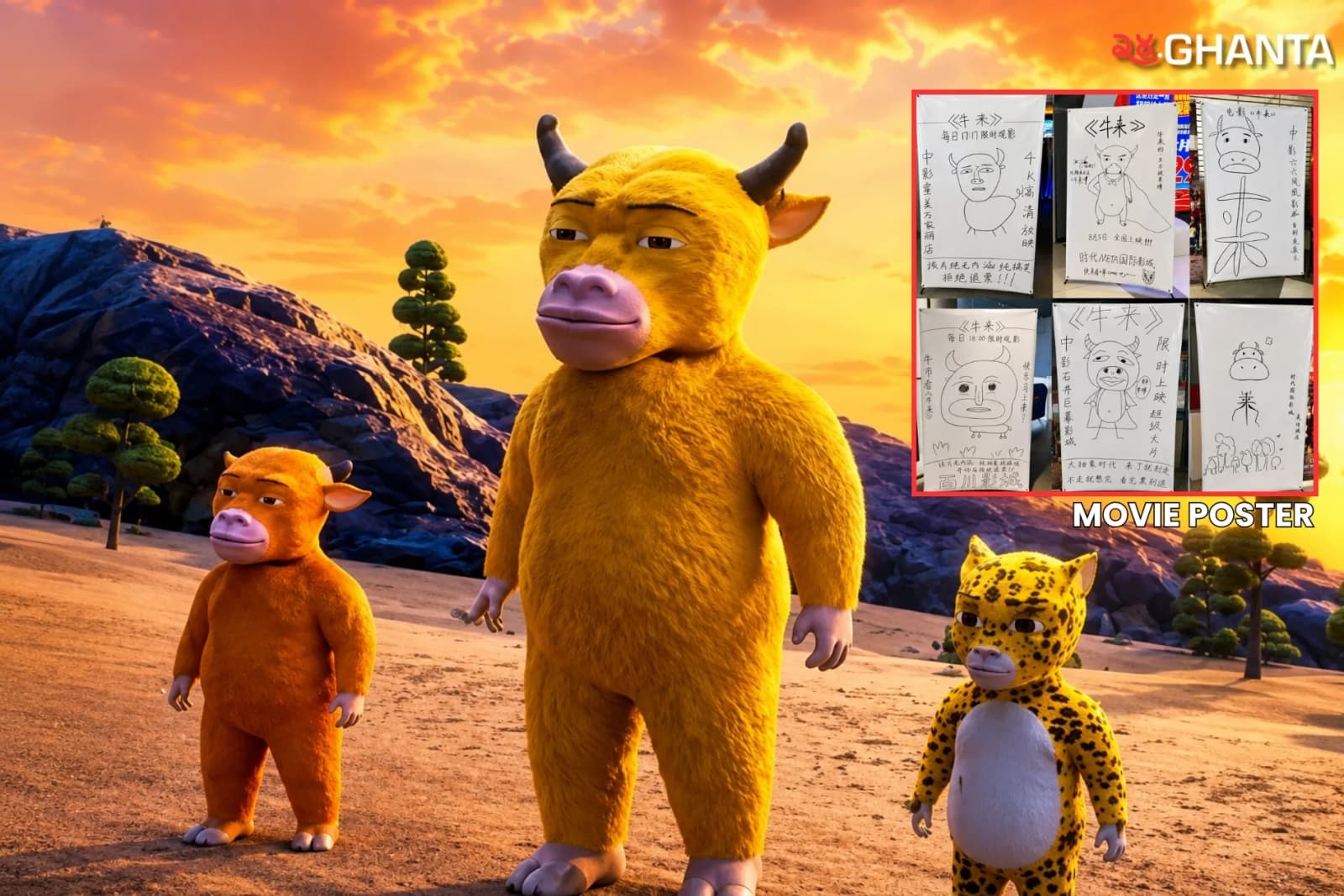
BEIJING, CHINA | AUGUST 19, 2026 — Chinese animated film Niu Lai, created over roughly five years by director Xin Yumeng and his mother Sun Lifang, has become an unexpected box-office phenomenon in China after its August 5 release, as social media users turned its crude animation and unusual storytelling into a viral attraction. Initially watched by very few people, the film suddenly attracted audiences curious to experience what many online users were describing as an extraordinarily rough production, transforming ridicule into free publicity and rapidly increasing demand for screenings.
A Film Almost Nobody Was Watching
Niu Lai, which has been translated into English as The Cow Is Coming or The Ox Comes, did not begin its theatrical run like a potential hit.
The film arrived with almost no major promotional campaign, little public awareness and extremely limited audience interest.

Reports say it collected only around 7,700 yuan during its first 10 days, with fewer than 300 tickets sold.
For most films, numbers that small would suggest that their theatrical run was effectively over.
For Niu Lai, however, they were only the beginning.
Then the Internet Discovered It
Clips and images from Niu Lai began circulating on Chinese social media, where users focused on the film's unusual character models, basic animation and confusing presentation.
Instead of simply convincing people to avoid the film, the criticism created curiosity.
People began sharing jokes and memes about it, while others reportedly bought cinema tickets specifically to discover whether the movie really was as unusual as people online claimed.
The film effectively received something its creators had never been able to afford: a massive viral marketing campaign generated by the audience itself.
From Thousands of Yuan to Millions
As online attention increased, the film's theatrical performance changed dramatically.
Its box-office earnings climbed from only a few thousand yuan into the millions, turning an almost invisible release into a widely discussed summer film.
Current totals have continued changing quickly as the viral trend develops, with reports placing its cumulative earnings well into the tens of millions of yuan.
The extraordinary turnaround has led some Chinese internet users to describe Niu Lai as a “dark horse” of the summer movie season.
Made by a Mother and Son
The story behind the movie has become almost as important as the film itself.
According to reports, Niu Lai was created primarily by Xin Yumeng and his mother, Sun Lifang, who worked on the project for approximately five years.
Unlike major animated productions involving large teams of animators, artists, writers, voice actors and technical specialists, Niu Lai was essentially a tiny family production.
Its animation therefore looks dramatically different from the polished computer animation audiences have become accustomed to seeing in modern cinemas.
Its Biggest Weakness Became Its Biggest Strength
Normally, weak animation and negative online reviews would hurt a movie.
Niu Lai experienced almost the opposite.
The more people criticised its visuals, the more curious other viewers became.
Some audiences began treating a trip to see Niu Lai less like watching a conventional animated film and more like participating in an internet phenomenon.
The question changed from “Is this movie good?” to “Is it really as strange as everyone says?”
That curiosity helped transform criticism into ticket sales.
Some Viewers See Something Genuine Behind It
Not every reaction has been purely negative.
Some viewers have defended the film precisely because it does not resemble a professionally polished studio production.
They have described its rough visual style as “hand-crafted” and expressed admiration for the amount of work required for two people to complete an animated feature over several years.
In an entertainment industry increasingly influenced by advanced digital tools and artificial intelligence, some audiences have also found something appealing about watching an obviously imperfect project created on such a small scale.
The Name ‘Niu Lai’ Became Part of the Joke
The film's title has also contributed to its unusual online popularity.
“Niu” (牛) means cow or bull in Chinese, and online users began jokingly connecting the film with hopes for a bull market in China's stock market.
This gave audiences another meme around which to share the movie.
The jokes may have little to do with the actual story, but they demonstrate how Niu Lai evolved beyond the film itself and became an internet event.
Cinemas Respond to the Unexpected Demand
The viral attention also changed how cinemas treated the movie.
A film that initially struggled to attract viewers began receiving additional screenings as public curiosity increased.
Online accounts from viewers describe cinemas adding sessions as people began buying tickets, demonstrating how quickly internet attention can influence theatrical demand.
The turnaround is particularly remarkable because Niu Lai entered cinemas with only a fraction of the marketing resources available to mainstream releases.
Success Has Also Created Criticism
The phenomenon has sparked a wider debate over whether cinemas should encourage the trend.
Some Chinese commentary has questioned whether increasing screenings for a technically poor production could push aside higher-quality films simply because Niu Lai became an internet joke.
Critics worry that cinemas responding primarily to viral attention could reward novelty over filmmaking quality and potentially affect audiences' expectations of theatrical releases.
Supporters see the situation differently: if people genuinely want to pay to watch the film, they argue, cinemas are simply responding to audience demand.
Is It Really Competing With Blockbusters?
Some international headlines have suggested Niu Lai is “rivalling” major Hollywood and Chinese blockbusters.
That description needs context.
Niu Lai has become extraordinary relative to where it started and the tiny scale of its production, rather than because it has suddenly become China's highest-grossing film.
Its significance lies in the transformation: a virtually unknown movie selling only a few hundred tickets suddenly became a nationally discussed theatrical attraction.
When Bad Reviews Become Free Advertising
Niu Lai provides an unusual example of how social media can completely change a film's commercial future.
Traditionally, overwhelmingly negative attention could destroy a movie's chances at the box office.
In the social-media era, however, being unusual enough to become a meme can sometimes create its own audience.
People do not necessarily have to believe a film is excellent to pay to see it. Sometimes they simply want to understand why everyone else is talking about it.
China’s Most Unlikely Summer Movie Story
Whether Niu Lai is remembered as a genuinely charming independent experiment, an example of “so bad it's good” entertainment or simply a temporary internet joke remains to be seen.
But its journey has already demonstrated something unusual about modern entertainment: even criticism can become incredibly effective advertising when enough people become curious.
A film created by a mother and son over five years, released with almost no public attention and initially watched by only a few hundred people managed to turn its imperfections into its greatest commercial advantage.
For Niu Lai, becoming one of the internet's most mocked movies may have been exactly what turned it into a hit.
Published Aug 19 in Entertainment