
US Court Strikes Down Trump Administration’s Immigrant Visa Freeze on 75 Countries, Including Nepal
A US federal court has struck down the Trump administration’s policy suspending immigrant visa processing for citizens of 75 countries, including Nepal, ruling that the policy was unlawful.
· 3 min read
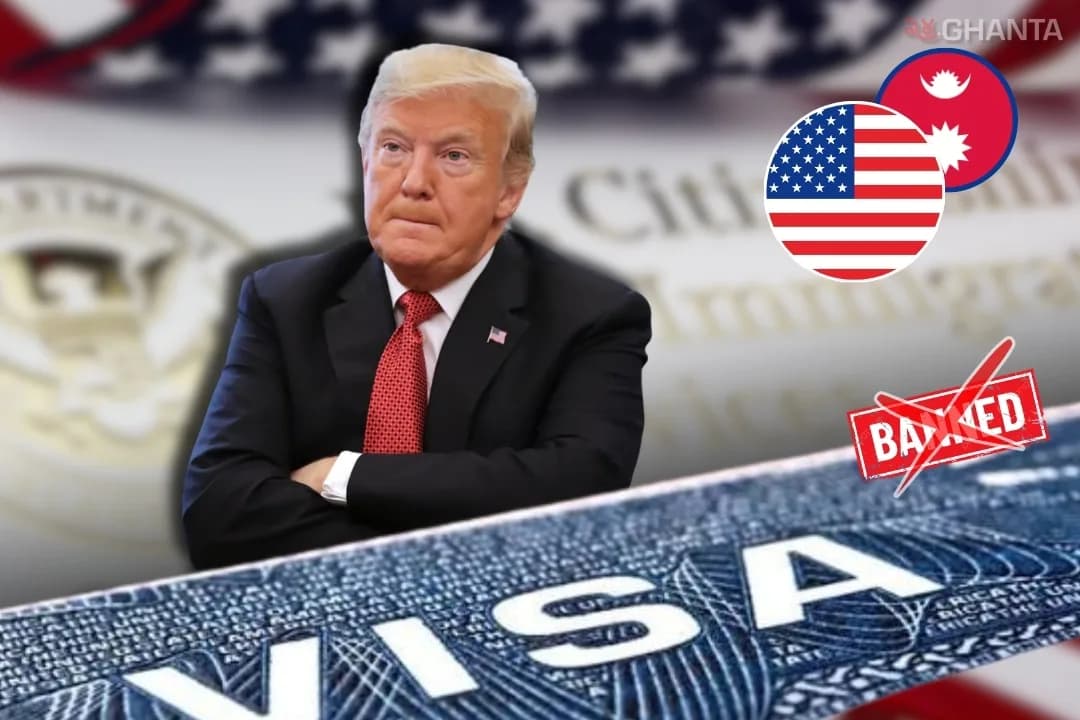
Kathmandu, August 23, 2026: A US federal court has struck down the Trump administration’s policy that suspended the issuance of immigrant visas to citizens of 75 countries, including Nepal, ruling that the policy was unlawful.
US District Judge Jeanette Vargas of the federal court in Manhattan ruled against the policy and found that US Secretary of State **Marco Rubio did not have the legal authority to implement it in the manner it was applied.
The ruling could provide relief to applicants from Nepal and dozens of other countries who were affected by the suspension, although it does not automatically reverse visa refusals made on other legal grounds.

Policy Had Targeted 75 Countries
The US State Department introduced the policy in January, suspending immigrant visa processing for citizens of 75 countries.
The countries affected included nations across:
South Asia
Africa
The Middle East
The Caribbean
Latin America
The Balkans
Central and Southeast Asia
Nepal was among the countries included in the list.
The administration had argued that a significant proportion of immigrants from the targeted countries could become dependent on government assistance and public benefits.
Court Says Individual Applicants Must Be Assessed
Judge Vargas found that visa decisions could not simply be determined based on an applicant's nationality.
According to the ruling, authorities are required to consider individual circumstances, including factors such as:
Financial situation
Age
Health
Skills
Family circumstances
The court found that the policy effectively instructed officials to deny visas based on the applicant's country even when applicants provided evidence that they could financially support themselves.
The judge described the result as one where the outcome had effectively been predetermined.
Court Finds Conflict With US Immigration Law
The ruling also found that the policy conflicted with a 1965 US law prohibiting discrimination in visa issuance based on nationality.
The court further concluded that the policy exceeded limits placed on the Secretary of State's authority over individual consular decisions.
However, the judge did not reject every aspect of the administration's legal position.
The court found that because the policy was not a formal rule, the administration was not required to subject it to public comment before implementation.
Not Every Visa Refusal Will Be Reversed
The ruling does not automatically overturn all immigrant visa refusals involving applicants from the 75 countries.
If a visa was denied on other independent legal grounds in addition to the disputed policy, that refusal may remain valid.
As a result, it is not yet clear how many individual visa decisions will ultimately be affected by the ruling.
Why the Trump Administration Defended the Policy
The administration relied partly on a 2018 US Supreme Court decision involving travel restrictions imposed during Trump's first presidency.
However, Judge Vargas said the current case was different.
The earlier case dealt with the president's authority to determine who could enter the United States, while the current dispute concerns the separate question of whether the government can issue or deny an immigrant visa based on the disputed policy.
Families and Workers Were Among Those Affected
US citizens were among those who brought the case, saying the policy prevented their relatives in countries including Ghana, Jamaica, Guatemala and Ethiopia from obtaining immigrant visas.
The case also involved five Colombian citizens who had applied for employment-based immigrant visas. One of them reportedly received a denial explicitly connected to the policy.
Administration Can Appeal
Judge Vargas has given both sides until September 11 to submit proposals on how the remaining proceedings should move forward.
The Trump administration can also appeal the ruling, meaning the legal dispute over the policy may continue.
Published Aug 23 in World