
From Reels to Real Careers: TU Launches a Diploma in Digital Content Creation
Tribhuvan University has introduced a one-year postgraduate diploma in Digital Content Creation, allowing graduates from any academic background to develop professional skills in digital media, social media management and artificial intelligence. The programme offers 25 seats in its first batch, with a reported course fee of Rs. 85,000 and an application deadline of December 30, 2026.
· 4 min read
Kathmandu, November 27, 2026
Content Creation Enters University Classrooms
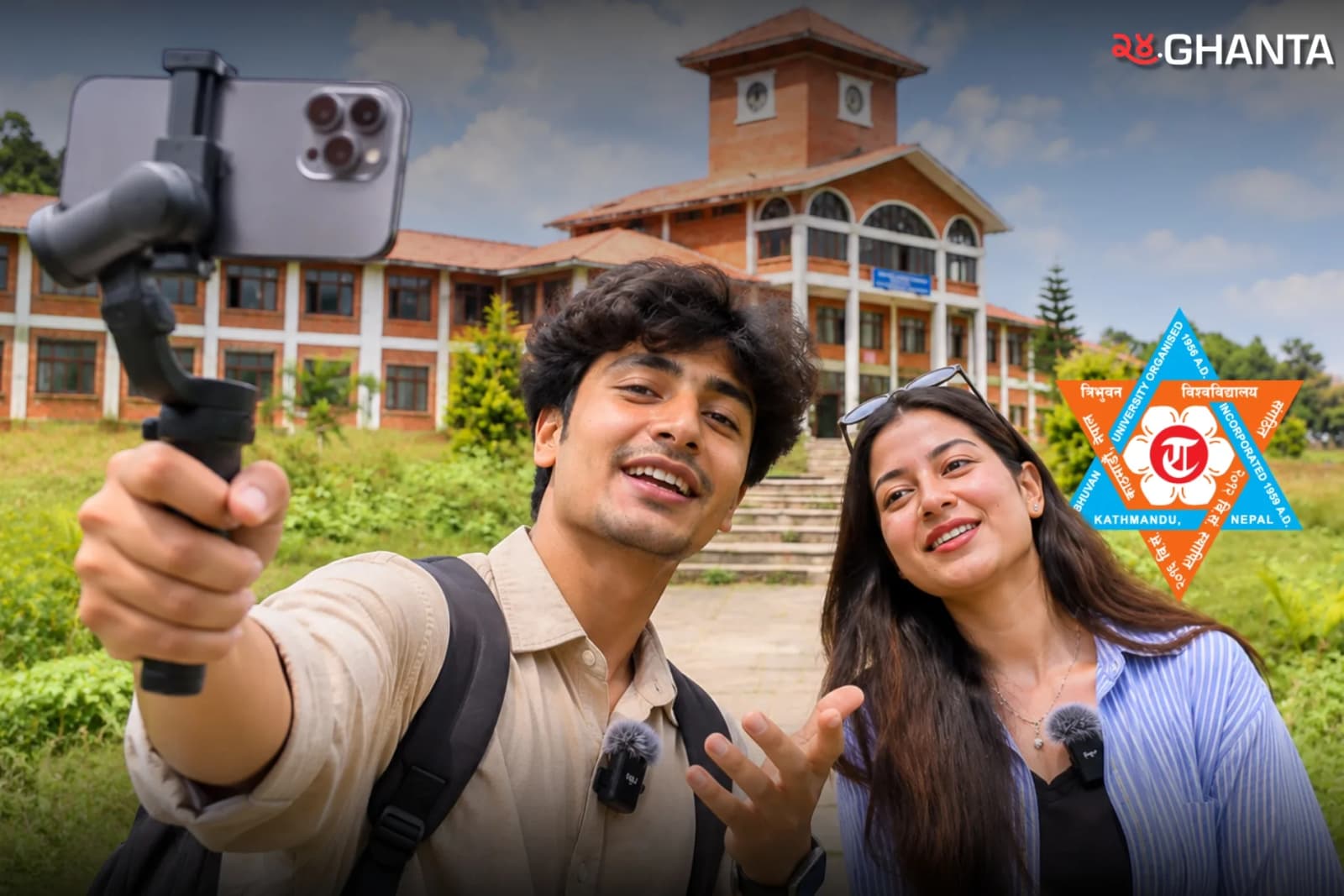
Tribhuvan University (TU), through its Central Department of Journalism and Mass Communication in Balkhu, Kathmandu, has introduced a one-year postgraduate diploma in Digital Content Creation. Applications opened on November 26, 2026, with the programme designed to prepare a new generation of digital professionals by combining creative storytelling, modern technology, artificial intelligence and practical media skills.
Open to Graduates From Any Field
Students do not need a journalism background to pursue the course. Anyone who has completed a bachelor's degree in any discipline and studied at least one English subject is eligible to apply. This opens opportunities for graduates from management, science, humanities, information technology and other academic backgrounds.

Course Fee and Available Seats
The total course fee is reportedly set at Rs. 85,000, with 25 students to be admitted in the first batch. According to reports, a minimum of 10 students will be required to begin classes, while the entrance application fee is set at Rs. 2,500.
What Will Students Learn?
The programme is reportedly divided into two semesters, covering 44 credit hours with an emphasis on both academic knowledge and practical training. Students will learn how to create, manage and distribute digital content across different platforms.
The reported areas of study include:
Visual communication and artificial intelligence
Digital photography and graphic design
Social media communication
Multimedia storytelling
Infographics and data storytelling
Documentary production
Media ethics and fact-checking
Deepfakes and misinformation
Digital media research
Content production and management
Designed for Working Professionals
According to reports, classes will be conducted in person during evening hours, making the programme accessible to individuals who are already employed. Students must maintain at least 80 percent attendance to qualify for their final examinations.
Career Opportunities Beyond Journalism
The programme aims to prepare graduates for a wide range of careers in the growing digital economy. Potential career opportunities include multimedia journalism, social media management, digital marketing, public relations, fact-checking, vlogging, podcasting, documentary production, technical writing and AI-based content creation.
The skills could also help graduates establish their own digital businesses, work independently as freelancers or build careers on international digital platforms.
How and When to Apply
Interested graduates can submit their applications online through TU's official entrance examination portal between November 26 and December 30, 2026.
According to reports, the entrance examination is expected to take place in the first week of Magh, followed by the publication of results in the second week and the commencement of classes in the third week.
Programme at a Glance
Particulars | Details |
|---|---|
University | Tribhuvan University |
Programme | PG Diploma in Digital Content Creation |
Duration | One Year |
Semesters | Two |
Credit Hours | 44 |
Total Course Fee (Reported) | Rs. 85,000 |
Application Fee (Reported) | Rs. 2,500 |
Available Seats | 25 |
Minimum Attendance | 80% |
Eligibility | Bachelor's Degree With At Least One English Subject |
Applications Open | November 26, 2026 |
Application Deadline | December 30, 2026 |
Class Schedule (Reported) | Evening |
Why This Matters for Nepal
As social media, artificial intelligence and digital platforms continue to change how people communicate, learn and earn, the demand for skilled digital professionals is growing.
TU's new programme represents a step towards connecting traditional higher education with the modern digital economy. It could help young Nepalis turn their creative interests into professional careers while encouraging responsible, accurate and ethical content creation.
Can Content Creation Become a Mainstream Career?
For years, many Nepali content creators have developed their skills through personal experience, online tutorials, and independent learning. With Nepal's oldest university now introducing formal education in this field, content creation is gaining recognition as a professional career path.
But can formal education help Nepal produce globally competitive digital creators and turn creativity into sustainable employment?
Published Yesterday in Technology