
Nepal Has 300+ School Curriculums, But How Many Actually Reach Classrooms?
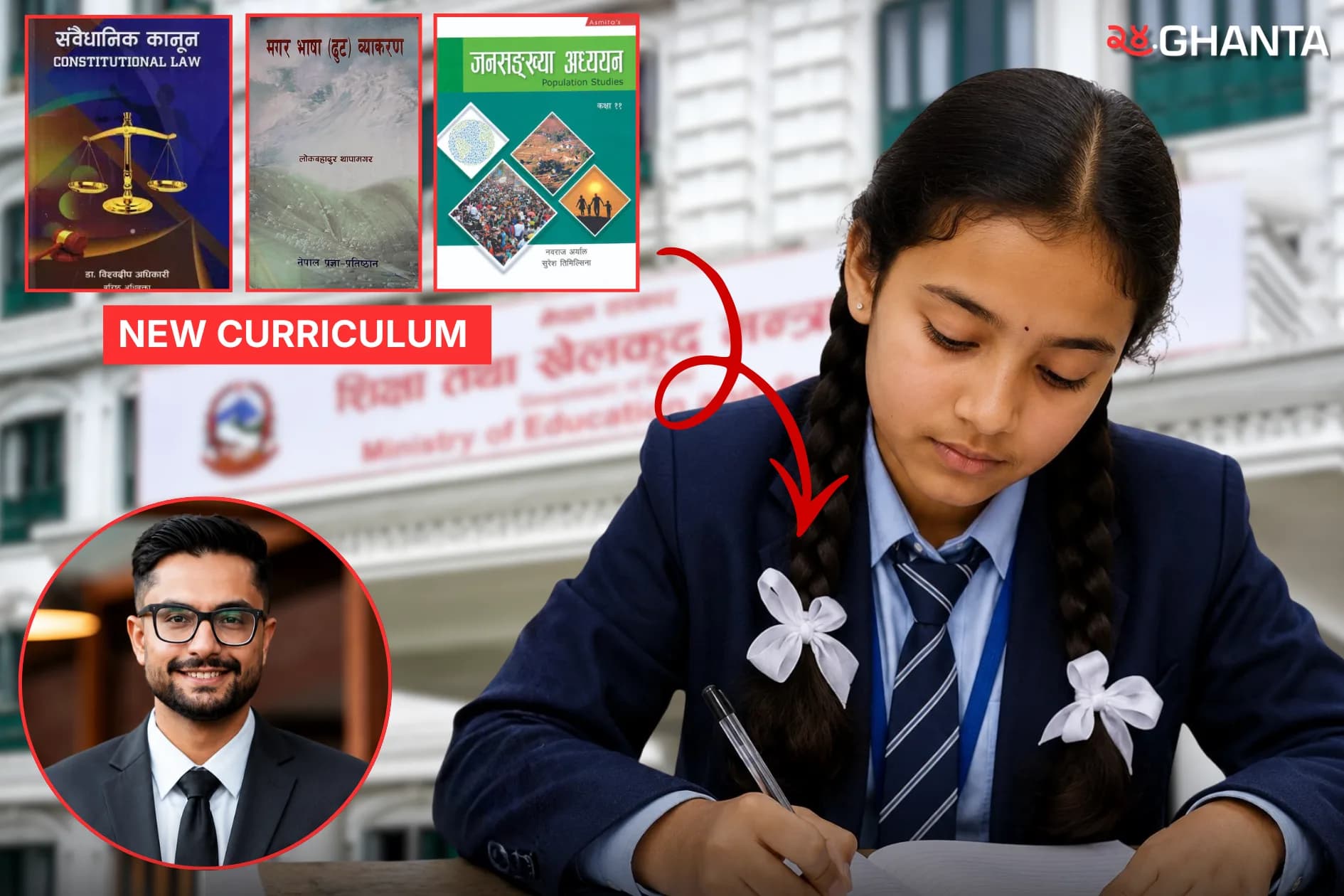
Nepal is preparing eight new curriculum packages for Classes 6–12, covering mother languages, Population Studies, Tantra Shastra and law-related education, with the proposals awaiting final approval from the Ministry of Education and Sports. The expansion pushes the number of school-level curriculums developed beyond 300, but shortages of students and qualified teachers mean some government-developed curriculums still never make it into actual classrooms.
· 3 min read
What Nepal Is Preparing
Nepal’s Curriculum Development Centre (CDC) is planning eight new or revised curriculum packages for students from Classes 6 to 12, and the National Curriculum Development and Evaluation Council has recommended them to the Ministry of Education and Sports for final approval. The move, reported in Kathmandu in August 2026, is intended to broaden students’ subject choices, preserve mother languages and expand specialised study areas, but it comes as the government faces a bigger question: whether all the curriculums it develops can actually be implemented in schools.
Mother Languages Get More Space
For Classes 6 to 8, the proposals include mother-language curriculums for Awadhi and Magar Dhut. The move adds to Nepal’s broader effort to provide school materials in indigenous and mother languages, with the CDC already maintaining resources for numerous languages and communities.

The CDC’s existing e-library includes Awadhi learning materials, while Magar-language education has also been promoted through local governments and community initiatives in different parts of Nepal.
Population Studies And Tantra Shastra
Students in Classes 9 and 10 could receive curriculum options in Population Studies and Tantra Shastra if the proposals receive final approval.
Tantra Shastra is particularly unusual compared with mainstream school subjects. Historical accounts of Nepal’s education system note that Tantra Shastra formed part of learning traditions during earlier periods, meaning its inclusion would connect a traditional knowledge field with the modern school curriculum.
Law Education For Classes 11–12
At the higher secondary level, the curriculum package covers specialised areas of law, including Constitutional Law, Civil and Criminal Law and Justice, Procedural Law, Legal Drafting and Jurisprudence, and the Nepali Legal System.
However, some law subjects are not entirely new to Nepal’s higher-secondary structure. Previous Grade 11–12 optional-subject frameworks already included subjects such as Constitutional Law, Procedural Law, Civil and Criminal Law and Justice, Legal Drafting and the Nepalese Legal System. The current development should therefore be understood partly as curriculum development or revision rather than the first-ever appearance of all these subjects in schools.
More Than 300 Curriculums Developed
With the latest additions, the number of curriculums developed for Nepal’s Classes 1–12 has crossed 300.
The Curriculum Development Centre is the government body responsible for developing school curricula, textbooks and instructional materials, as well as reviewing, updating and evaluating curriculum-related resources.
Developed Doesn't Always Mean Taught
The bigger challenge, however, comes after a curriculum is prepared.
Not every curriculum developed by the government ultimately reaches students. Some specialised subjects attract too few students to make regular classes practical, while other schools struggle to find teachers with the qualifications needed to teach them.
Teacher availability is already a wider challenge in Nepal’s school system, particularly when schools need specialised instructors or have very small student populations.
The Public Spending Question
This implementation gap also raises questions about how effectively public money spent on curriculum development is being used.
Preparing a curriculum requires experts, consultations, research, drafting, review and government resources. If a subject is developed but schools lack students, teachers or supporting materials to teach it, the curriculum can remain largely on paper instead of producing an educational benefit.
What Happens Next?
The eight proposed curriculums still need final approval from the Ministry of Education and Sports. Approval would clear the way for further implementation, but whether students actually get to study these subjects will ultimately depend on school demand, teacher availability, learning materials and schools’ capacity to offer them.
The latest proposals therefore highlight two different sides of Nepal’s education system: the growing diversity of subjects available on paper and the continuing challenge of turning those curriculums into functioning classrooms.
Published Aug 4 in Politics