
Nepal’s Driving Lessons Could Soon Enter The Virtual World Under New National Transport Policy
Nepal’s new National Transport Policy 2083 opens the way for modern technology to be used in driver training, including plans for virtual and simulator-based learning that could allow new drivers to practice difficult road situations in a controlled environment. The wider policy replaces the 22-year-old National Transport Policy 2058 and aims to make Nepal’s transport system safer, greener, more organized and more technology-friendly.
· 4 min read
Kathmandu, Nepal | August 25, 2026
Nepal Begins A New Transport Era
The Government of Nepal has approved the National Transport Policy 2083 for the country’s transport sector, replacing the National Transport Policy 2058 that had been in place for more than two decades. Approved by the Cabinet in July 2026, the policy aims to modernize transportation across Nepal by using new technology, improving road safety, supporting cleaner transport and responding to growing problems such as road accidents, rapid urban growth and changing transport needs.
Driving Training Could Become More High Tech
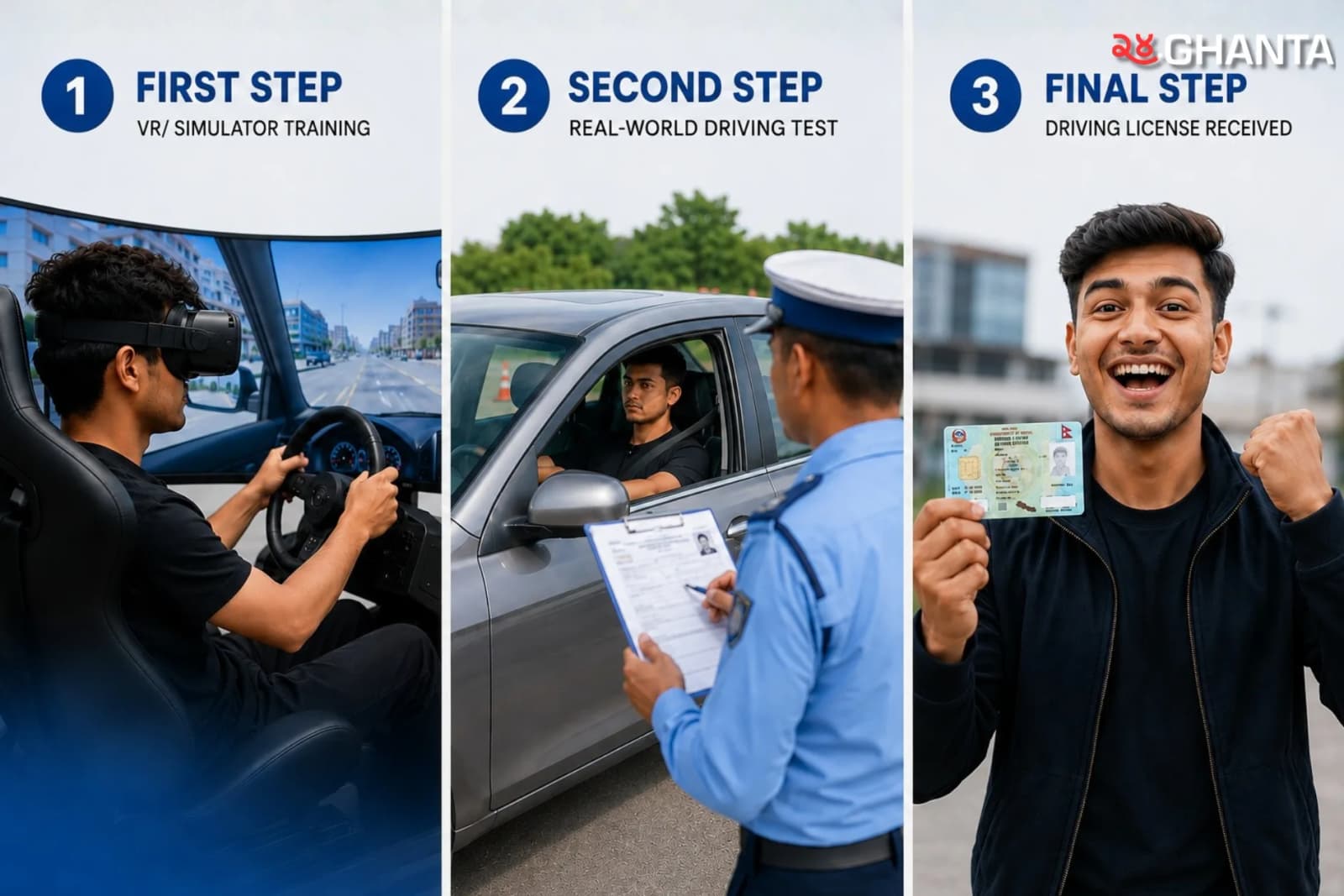
One of the most interesting parts of Nepal’s transport modernization plan is the move toward technology based driver training. Virtual reality and driving simulators could allow learner drivers to experience realistic road situations in a controlled setting before dealing with the same risks on an actual road.

Learners Could Practice Dangerous Situations Safely
Simulator based training can recreate situations that are difficult or dangerous to practice during normal driving lessons. Learners could experience changing traffic conditions, sudden hazards and emergency situations without putting themselves, instructors or other road users at real risk.
The idea is not to replace real road driving completely, but to give new drivers another way to build skills and understand road risks before facing them in real traffic.
Pilot Development Is Being Planned
According to reports surrounding the policy’s implementation, a VR and driving simulator pilot is targeted for development within the next two years. However, this should currently be understood as a development target rather than meaning VR lessons are already available at Nepal’s driving schools.
Important details such as where the pilot would begin, how many learners would take part, what equipment would be used and whether simulator training would eventually become part of the driving licence process still require further implementation decisions.
New Policy Replaces a 22-Year-Old System
The National Transport Policy 2083 replaces the National Transport Policy 2058, which had guided Nepal’s transport sector for more than two decades. The government says a new framework was needed because Nepal now faces very different challenges, including rapid urban growth, increasing use of technology, road safety problems and the need for cleaner forms of transportation.
Road Safety Is A Major Focus
The new policy puts stronger attention on reducing transport risks. It includes plans for road safety audits on risky road sections and improvements at accident-prone locations, often called black spots.
This means the government’s modernization effort goes beyond teaching drivers. It also aims to make roads and the wider transport system safer.
Digital Transport Is Also Part Of The Plan
The policy has a much wider technology focus. It supports modern systems such as integrated ticketing, digital payments and smart parking, particularly in urban areas. It also gives priority to electric vehicles and greener transport as Nepal works toward a more modern transport network.
What Changes For Drivers Right Now?
For now, Nepali learner drivers should not expect VR headsets to immediately replace traditional driving lessons. The National Transport Policy provides the direction for modernization, but individual programs will still need development, rules, funding, technology and implementation before people can use them widely.
If the simulator plan moves forward successfully, however, future learners could receive part of their training in a virtual environment before taking their skills onto Nepal’s real roads.
Why This Could Matter
Nepal continues to face serious road safety challenges, and driver behavior is only one part of that problem. Better roads, enforcement, vehicle safety, and public awareness are also important.
Still, giving new drivers a safe place to experience difficult situations before encountering them on a real road could become a useful addition to traditional training. The larger goal of the new policy is clear: use better technology, stronger safety systems and modern transport planning to make travel safer and more organized in Nepal.
Published Aug 25 in Technology