
Supreme Court Faces Rare Tension Over Rejected Writ Petitions
Nepal’s Supreme Court saw rare internal tension after Acting Chief Justice Sapana Pradhan Malla ordered court officials to register rejected writ petitions linked to the Chief Justice recommendation process.
· 3 min read
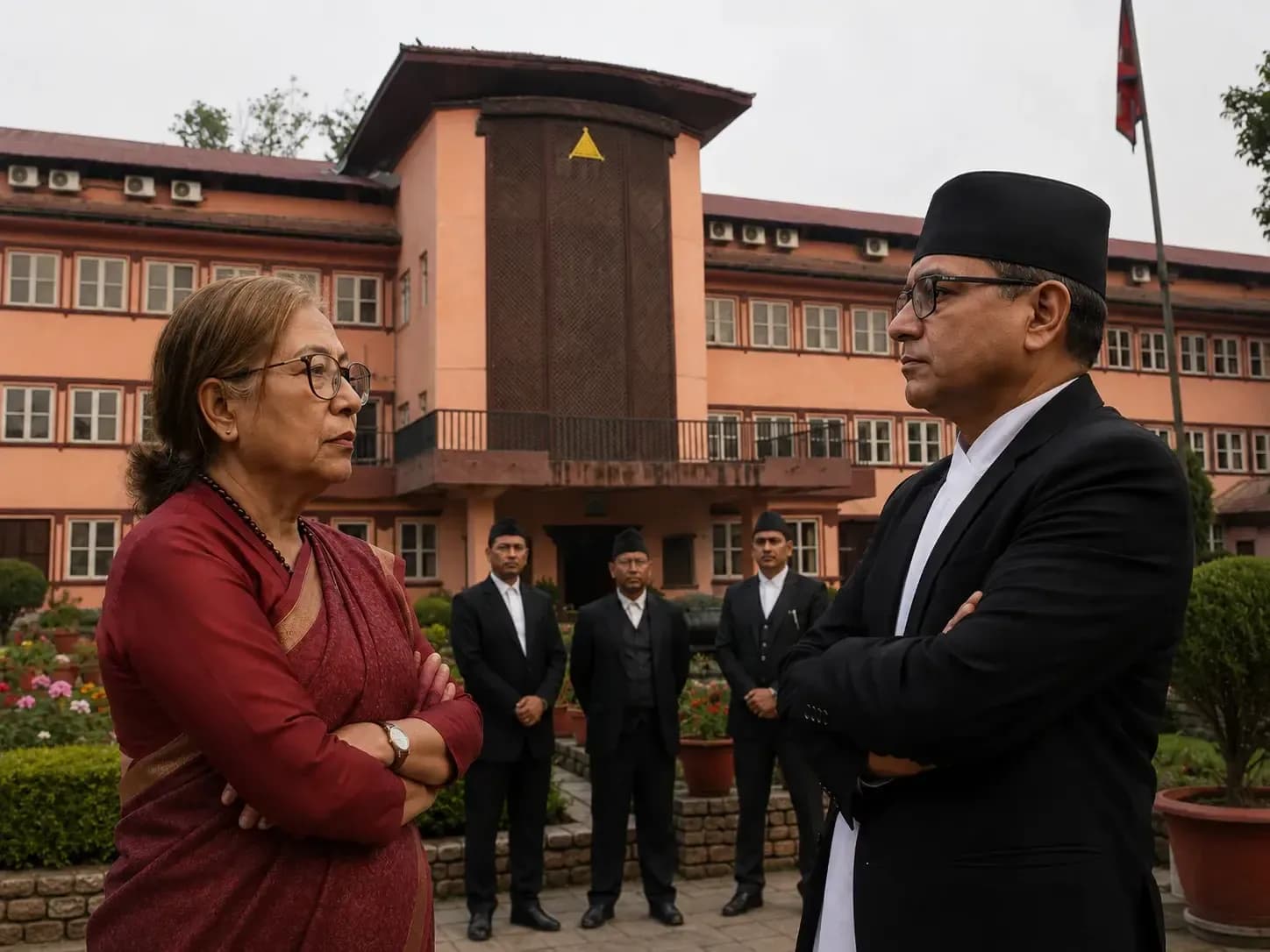
A rare and tense situation has unfolded inside Nepal’s Supreme Court after Acting Chief Justice Sapana Pradhan Malla issued a written order to the court administration to register writ petitions and other applications that had earlier not been accepted.
The order came after dissatisfaction grew over the non-registration of petitions related to the Chief Justice recommendation process. According to reports, the Acting Chief Justice instructed the court administration to move ahead with the normal judicial process and register the petitions without further delay.
The directive was addressed to senior court administration officials, including Chief Registrar Bimal Paudel, Registrar Man Bahadur Karki, and staff members working in the writ registration section. The order stated that blocking the registration of petitions had obstructed the judicial process.

Order Given To Register Petitions And Set Hearing
Acting Chief Justice Malla reportedly directed officials to register the writ petitions and other applications by Monday afternoon. She also ordered that the petitions be listed for hearing on Tuesday, Jestha 5.
This is being seen as an unusual development because the head of the judiciary had to issue a written instruction to her own court administration to carry out regular court work. Normally, the registration of petitions and listing of cases are part of the routine process inside the court system.
However, the situation became tense after the administration allegedly did not register the petitions. Reports suggest that after the written order was issued, several administrative staff members left their offices, adding more confusion inside the Supreme Court.
Why The Dispute Matters
The issue is connected to the ongoing debate around the Chief Justice recommendation process. Writ petitions are legal requests filed before the court when people believe that a decision, process, or action needs judicial review.
If such petitions are not registered, petitioners cannot move forward with their case. That is why the Acting Chief Justice’s order called the obstruction of registration a serious matter for the judicial process.
The incident has raised questions about internal coordination inside the Supreme Court and the role of court administration in allowing citizens and lawyers to access justice.
Lawyers Also Preparing Protest
Following the development, lawyers were also reportedly preparing protest programs. Their concern is that the court administration should not stop the normal legal process, especially when the issue involves important constitutional and judicial matters.
The tension has now placed the Supreme Court under public attention. The coming hearing and the court administration’s response to the order will be closely watched.
Conclusion
The Supreme Court is facing a rare internal dispute after Acting Chief Justice Sapana Pradhan Malla ordered officials to register rejected writ petitions linked to the Chief Justice recommendation process. The situation has created serious concern about access to justice, court procedure, and the smooth functioning of Nepal’s judiciary.
Published May 18 in Politics