
UNICEF Warns 9.9 Million Children in Nepal Face Unhealthy Air Pollution as Climate Risks Threaten Their Future
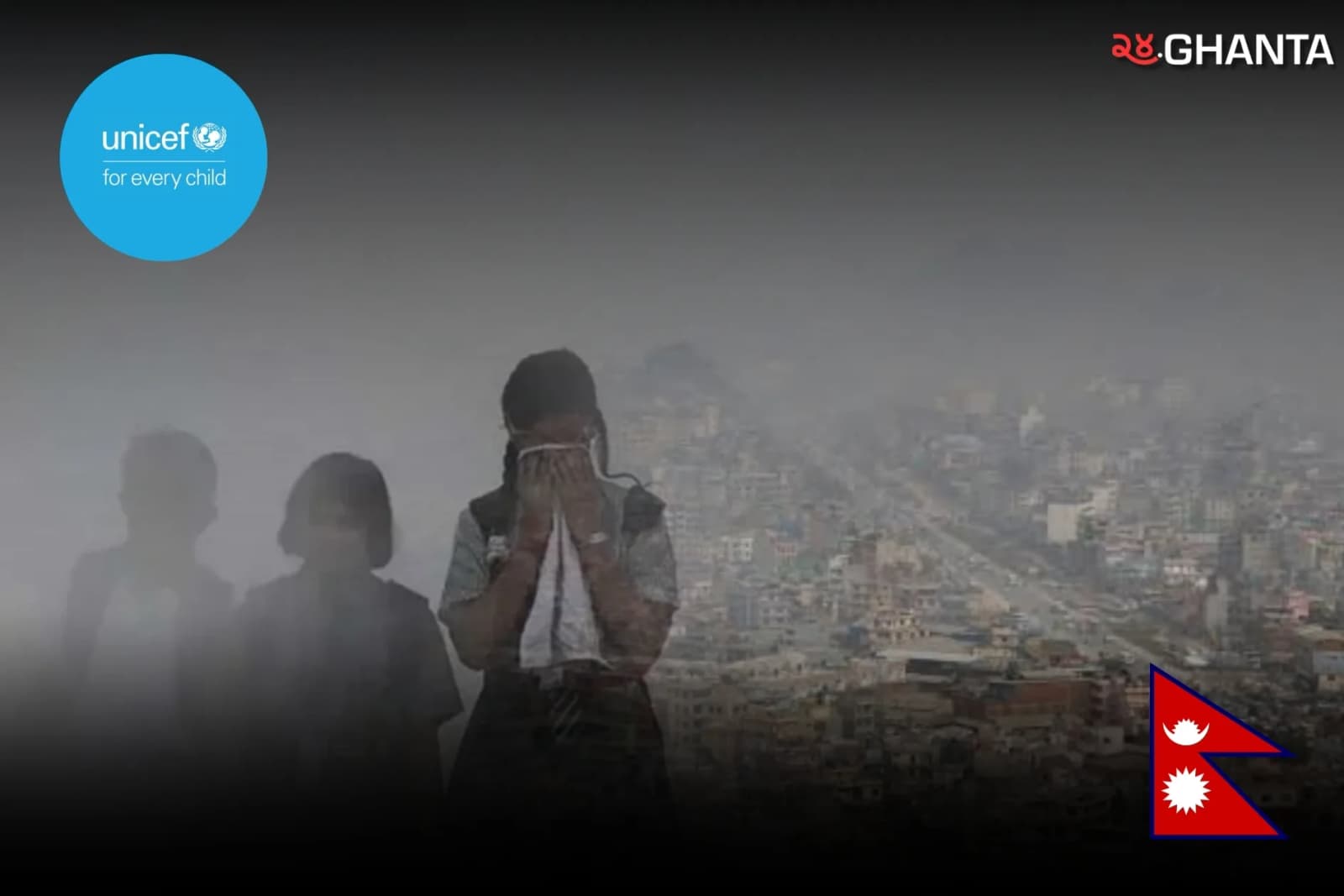
A new UNICEF report released on November 5, 2026, reveals that millions of children in Nepal are exposed to serious environmental and climate threats, including 9.9 million facing unhealthy air pollution, 7.3 million exposed to drought and 5.7 million exposed to extreme hot days. UNICEF warns that these overlapping risks threaten children's health, education and future opportunities, calling for stronger child-focused climate policies and investments.
· 4 min read
Kathmandu, November 5, 2026
UNICEF Nepal released a new report on Thursday, warning that millions of children across Nepal are exposed to serious climate and environmental threats, including air pollution, drought, extreme heat and landslides. The report, titled "Growing Up in a Climate Hotspot," examines how these hazards are affecting children's health, education, nutrition and safety, and calls for urgent government action and investment to protect children from increasing climate risks.
Millions of Children Exposed to Climate and Environmental Hazards
The report estimates that 9.9 million children are exposed to unhealthy levels of air pollution, making it one of the most widespread environmental threats facing children in Nepal. Another 7.3 million children live in areas exposed to drought, 5.7 million face extreme hot days, and 2.9 million are exposed to rainfall-triggered landslides.

UNICEF further estimates that 2.4 million children face multiple high-intensity climate hazards, leaving them vulnerable to several threats at once and making recovery from disasters more difficult.
Climate Risks Are Threatening Children's Health and Education
Beyond immediate dangers, the report warns that climate-related hazards are putting additional pressure on essential services, including healthcare, drinking water, sanitation and education. Floods can damage schools and interrupt learning, while drought and rising temperatures can affect food production, nutrition and children's physical well-being.
According to the report, only 47.5% of Nepal's population has access to safely managed drinking water, while approximately one in four children under five is affected by stunting. These existing challenges make it harder for families to withstand climate-related emergencies.
Poor and Marginalized Children Face Greater Risks
UNICEF highlights that the climate crisis does not affect all children equally. Children from low-income families, girls, children with disabilities, historically marginalized communities and those living in remote or disaster-prone areas face greater challenges because they often have fewer resources to prepare for disasters and recover afterward.
Climate-related shocks can also increase the risks of child labour, child marriage, displacement and disease outbreaks, particularly among families already experiencing economic hardship. The report notes that 22% of Nepal's children live in multidimensional poverty, leaving many vulnerable to additional difficulties caused by environmental disasters.
UNICEF Calls for Stronger Government Action
UNICEF has urged the Government of Nepal to place children's safety, health and rights at the centre of national climate policies and investments. Its recommendations include strengthening disaster preparedness, building climate-resilient schools and healthcare facilities, improving access to safe drinking water and ensuring vulnerable communities receive adequate protection.
UNICEF Representative to Nepal Alice Akunga warned that children are among those suffering the greatest consequences of climate change, despite contributing very little to the problem. She emphasized the need to prioritize children in climate adaptation, financing and disaster response.
Nepal Strengthens Its Commitment Ahead of COP31
The findings come as Nepal prepares to participate in COP31, the upcoming international climate conference in Türkiye. On October 29, 2026, Nepal formally endorsed the Declaration on Children, Youth and Climate Action during the National Climate Summit.
The declaration is intended to encourage governments to include children's rights and young people's perspectives in climate decisions. UNICEF says Nepal's endorsement represents an important opportunity to turn climate commitments into practical measures that protect children.
Children Must Have a Voice in Climate Decisions
The report also emphasizes that children and young people should not be treated only as victims of climate change. They should have opportunities to participate in developing solutions and influencing decisions that affect their futures.
UNICEF Nepal Youth Advocate for Climate Action Jayanti Bam highlighted that when disasters damage schools, children lose more than physical classrooms. Their education, daily routines, friendships and sense of security can also be affected.
A Warning for Nepal's Future Generation
The report concludes that climate change is already affecting childhood in Nepal, rather than remaining a distant threat. Without stronger investment in education, healthcare, disaster preparedness and social protection, millions of children could face long-term consequences, including learning losses, poorer health, displacement and continued poverty.
The findings raise an important question for Nepal: Is the country doing enough to protect its children from the growing climate crisis?
UNICEF Nepal. (2026, November). Growing up in a climate hotspot: The risks shaping the lives and futures of Nepal's children. United Nations Children's Fund. https://www.unicef.org/nepal/reports/growing-climate-hotspot
Published 1 hour ago in Nepal