
Will Social Media News Pages and Influencers Now Have to Follow the Same Rules as Journalists in Nepal?
The Nepal government has decided to recommend an ordinance that would bring social media news pages, digital journalists, influencers and content creators engaged in journalism under the Press Council's code of conduct. Personal opinions, criticism, satire, memes and entertainment content would remain exempt when they do not involve journalism, while the proposed changes await presidential issuance before taking legal effect.
· 3 min read
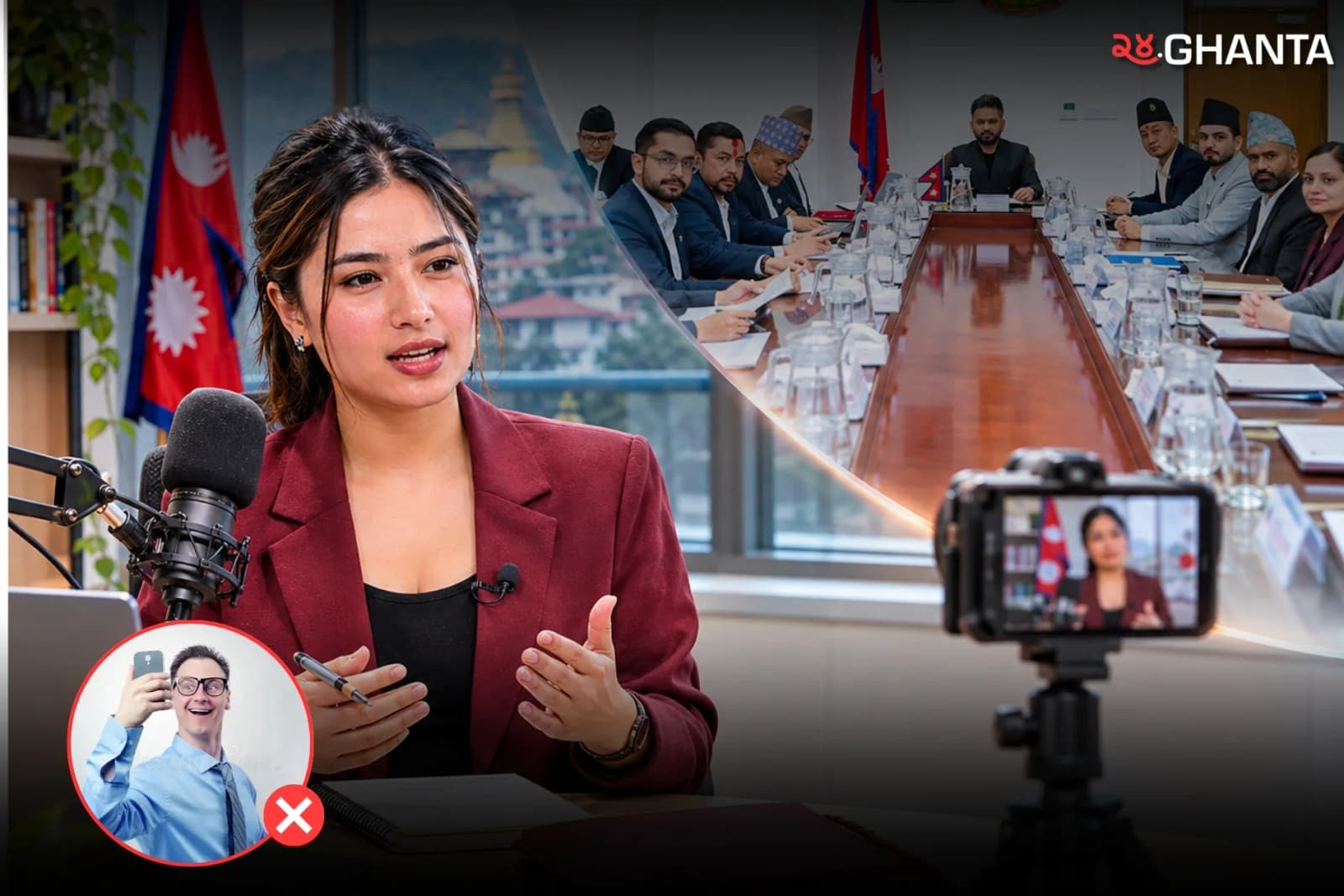
Kathmandu, November 5, 2026
The Nepal government decided during a Cabinet meeting on Tuesday, November 3, to recommend an ordinance expanding the authority of Press Council Nepal over social media news pages, digital media outlets, influencers, and content creators engaged in journalism. The proposed amendment to the Press Council Act, 2048 BS, aims to strengthen accountability as news increasingly reaches the public through Facebook, YouTube, TikTok, Instagram and other online platforms.
Who Will Come Under the New Rules?
The proposed Press Council (First Amendment) Ordinance, 2083 would apply the journalistic code of conduct to individuals and organizations that produce or distribute journalistic content through digital platforms. This includes news-focused social media pages, channels, independent journalists, presenters, influencers and content creators who carry out journalism, regardless of their professional titles.

What Content Will Remain Exempt?
The ordinance distinguishes journalism from personal expression and entertainment. Personal opinions, experiences, reactions, commentary, criticism, satire, comedy, art, literature and entertainment content will not automatically fall under journalistic regulations. Meme pages and personal accounts that do not engage in journalism will therefore remain outside the proposed framework.
News Pages Will Have Editorial Responsibility
Under the proposed changes, media organizations will be responsible for journalistic material published through social media accounts under their editorial control. This responsibility will cover news reports, headlines, photographs, videos, thumbnails, captions and live broadcasts. News agencies will also be required to correct inaccurate or misleading material and inform the outlets that received it.
Press Council Could Investigate Violations
The ordinance would strengthen the Council's authority to receive complaints, investigate possible breaches and order corrections, clarifications or apologies. The Council could also begin an investigation without receiving a formal complaint if it identifies a possible violation of journalistic standards. People or organizations facing action would be entitled to an opportunity to respond.
Why Is the Government Introducing These Changes?
Nepal's existing Press Council legislation was introduced before social media became a major channel for news distribution. The government seeks to update the framework to reflect modern digital journalism and make news publishers accountable regardless of whether their content appears on a website, television channel or social media platform.
Concerns Over the Proposed Ordinance
The move has also raised questions about consultation and press freedom. Representatives of the Federation of Nepali Journalists have expressed concern about the lack of consultation over the amendment. Meanwhile, Press Council Chairman Umesh Shrestha has explained that the changes are intended to regulate journalistic activities rather than restrict ordinary personal social media posts.
When Will the New Rules Take Effect?
The Cabinet has decided to recommend the ordinance to President Ram Chandra Paudel for issuance. Under Article 114 of Nepal's Constitution, an ordinance can be issued when the relevant conditions are met while the Federal Parliament is not in session. The proposed amendments will acquire legal force once the President issues the ordinance, subject to the constitutional procedures governing ordinances.
What Does This Mean for Social Media Users?
The central distinction is the nature of the content, not the name of the account. A creator regularly producing journalistic reports may fall within the Press Council's authority, while someone posting personal views, comedy or entertainment content would generally remain outside these particular journalistic rules.
The proposal could reshape accountability in Nepal's rapidly growing digital news sector while raising an important public question: Where should the line be drawn between journalism and freedom of expression online?
Published 1 hour ago in Nepal