
Why Gundruk Became a Survival Food in Nepal: The Traditional Way of Preserving Vegetables
Before refrigerators became common, Nepali families used fermentation and drying to preserve seasonal leafy vegetables. Gundruk became one of Nepal’s most important traditional preserved foods and remains a popular part of Nepali cuisine today.
· 4 min read
Why Gundruk Became a Survival Food in Nepal
Gundruk is one of Nepal’s best-known traditional foods, but its history is about more than taste. For generations, Nepali communities developed ways to preserve seasonal vegetables when fresh produce was not available throughout the year. Gundruk became one of the simplest and most useful examples of this traditional food-preservation knowledge.
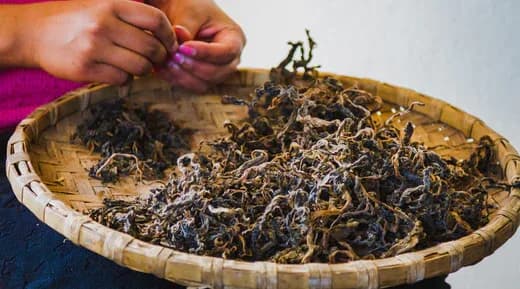
Made mainly from leafy vegetables such as mustard greens, radish leaves and cauliflower leaves, gundruk is produced through natural fermentation followed by drying. The process allows vegetables that might otherwise spoil to be preserved and stored for later use. This was particularly useful in rural communities where access to refrigeration and modern food-storage facilities was limited.
How Was Gundruk Traditionally Made?
The traditional process begins with fresh leafy vegetables. The leaves are generally wilted and then packed tightly into a container or pit, where they undergo fermentation. After fermentation, the vegetables are removed and dried, producing the characteristic dried form of gundruk.

The exact preparation method can vary between households and regions. Traditional knowledge about fermentation, drying and storage was often passed from one generation to another. This allowed communities to make use of seasonal vegetables long after the harvesting period had ended.
Why Was Gundruk Important in Traditional Nepal?
Fresh vegetables are seasonal, and in many parts of rural Nepal, getting fresh produce throughout the year was not always easy. Gundruk provided a practical solution.
Instead of allowing surplus leafy vegetables to spoil after harvest, families could preserve them for later consumption. During colder months or periods when fresh vegetables were scarce, dried gundruk could be taken from storage and prepared as a soup or other dish.
This made gundruk an important part of traditional household food management. It helped reduce waste while extending the useful life of seasonal vegetables.
Gundruk and Nepal’s Food Culture
Over time, gundruk became much more than a preservation technique. It became an established part of Nepali cuisine and is now widely recognized as a traditional Nepali food.
Gundruk soup is particularly popular and can be prepared with ingredients such as tomatoes, garlic, onions, chillies and other local spices. Different communities and households have their own ways of preparing it, giving the dish considerable regional and family variation.
Its distinctive sour and earthy taste has also made gundruk popular among Nepalis living outside the country, helping carry this traditional food culture to new generations.
Gundruk Shows Traditional Food Knowledge
The story of gundruk demonstrates how earlier generations used local resources and practical knowledge to deal with seasonal changes. Without modern refrigeration, communities relied on techniques such as drying, fermenting, smoking and salting to make food last longer.
Gundruk is a particularly interesting example because it combines fermentation and drying. What may appear to be a simple traditional food today represents generations of knowledge about seasonal vegetables, preservation and food preparation.
Is Gundruk Still Popular Today?
Yes. Gundruk remains a familiar ingredient in Nepali households and restaurants. Although modern refrigeration and food-storage systems have changed the way people preserve vegetables, gundruk continues to be prepared and eaten across Nepal.
For many people, it is also connected to memories of home, family and traditional cooking. Its continued popularity shows that traditional foods can survive even after the practical problems that originally shaped them have changed.
Gundruk: From Preservation Method to Cultural Heritage
Gundruk's story is not simply about a fermented vegetable. It reflects how Nepali communities adapted to their environment and made careful use of available food resources.
Before refrigerators and modern food supply chains, preserving seasonal vegetables was an important part of household life. Gundruk provided a practical way to keep leafy vegetables for later use, while eventually becoming a distinctive part of Nepal's culinary identity.
Today, gundruk represents both traditional food preservation and Nepal's living food heritage. Its continued presence on Nepali dining tables connects modern generations with the resourcefulness and food traditions of earlier communities.
Published Aug 25 in Timeless Nepal