
Will Gen-Z Protesters Finally Walk Free? Government Starts Case Review
The government is reviewing criminal cases against people arrested or imprisoned over the Gen-Z movement, with possible withdrawal for those prosecuted primarily for participating in the protests while serious criminal offences are expected to remain outside the relief process. The final decision has not yet been made and will depend on the committee's examination and recommendations.
· 4 min read
KATHMANDU, August 14, 2026
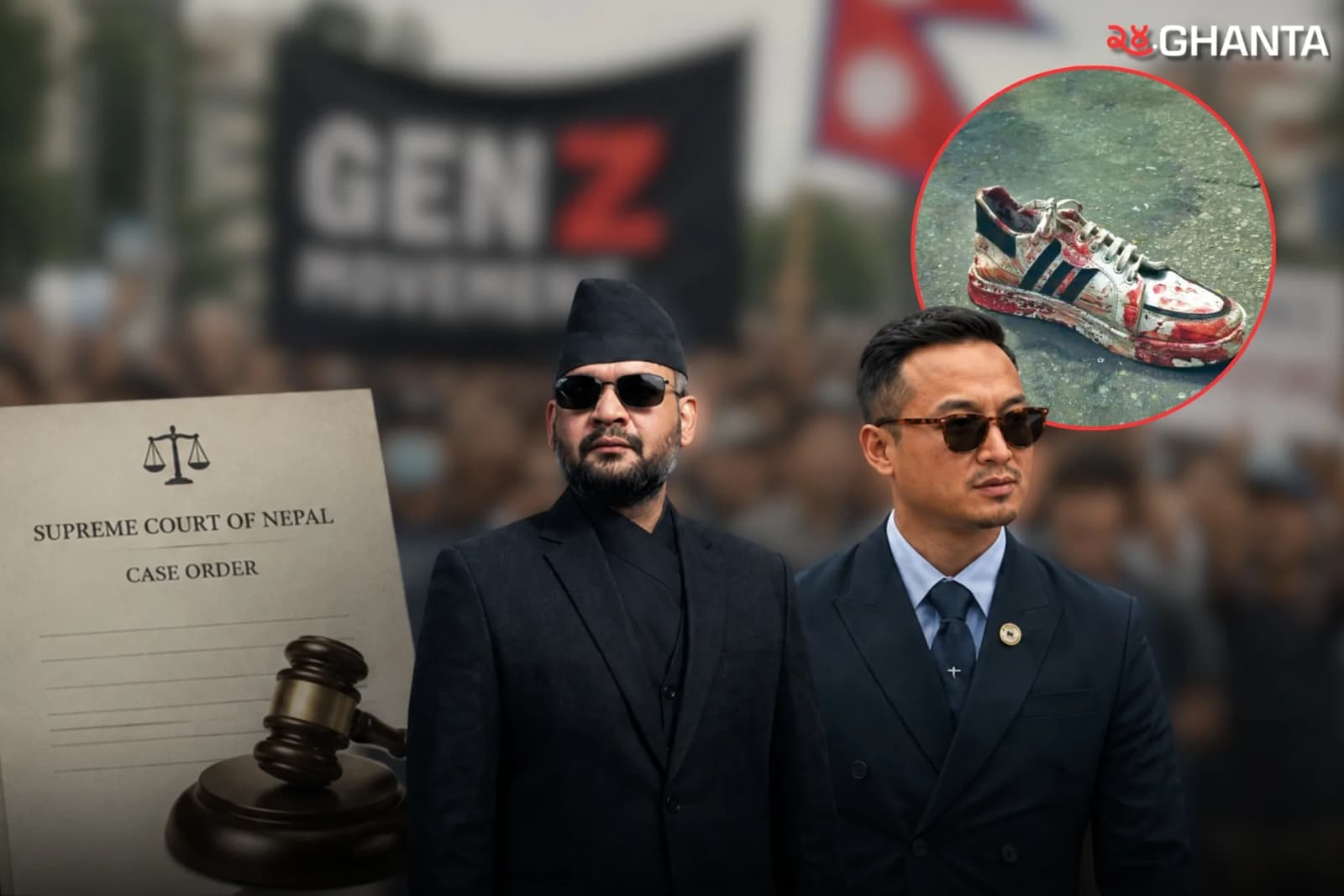
The Nepal government is preparing to review and potentially withdraw criminal cases against people arrested or imprisoned in connection with the Gen-Z movement, Home Minister Sudan Gurung told the House of Representatives' Law, Justice and Human Rights Committee in Kathmandu. The process is being pursued under existing case-withdrawal procedures and follows the political agreement between the government and Gen-Z representatives, with authorities arguing that people prosecuted merely for participating in the movement should not remain imprisoned, while those accused of serious crimes will not automatically qualify for relief.
Government Begins Case Review
The Home Ministry has moved forward with a committee to examine criminal cases in which the Government of Nepal is the plaintiff.

According to Gurung, the process is being carried out under the Criminal Case Withdrawal Directive, 2063, and the government intends to distinguish protesters from individuals accused of taking advantage of the unrest to commit criminal acts.
The initiative had been signalled earlier. When Sudan Gurung assumed office as Home Minister on June 9, one of his first decisions was to initiate a task force to determine which criminal cases connected to the movement could legally be withdrawn.
Not Everyone Will Have Their Case Withdrawn
The government is not proposing a blanket withdrawal of every case connected with the protests.
Gurung said relief is being considered for people who may have been prosecuted simply because they participated in the movement, but serious or heinous criminal offences would be treated differently.
Law Minister Sovita Gautam similarly explained that the committee must determine whether an individual genuinely participated in the Gen-Z movement or used the unrest as an opportunity to commit wrongdoing.
This distinction will be central to deciding who may eventually qualify for case withdrawal.
Why the Government Says It Is Acting
The government is linking the review to the political settlement reached with representatives of the Gen-Z movement.
The government and Gen-Z representatives reached a 10-point political agreement in December 2025, and the Cabinet subsequently approved the agreement and decided that it would be published in the Nepal Gazette and implemented by the relevant ministries.
Reports on the agreement said it included provisions dealing with criminal cases arising from participation in the movement.
Gautam told lawmakers that the agreement should be treated as a political document intended to help move society away from conflict rather than simply as an agreement between two groups.
Pressure Had Been Growing for Their Release
Calls to withdraw protest-related cases have continued for months.
In May, the Gen-Z Movement Case Resolution Pressure Group in Kaski demanded the withdrawal of cases it described as political in nature and the unconditional release of detained protesters. The group argued that continuing cases against people for their participation in the movement conflicted with the political changes that followed it.
The same demand later appeared during demonstrations outside an RSP provincial convention in Pokhara.
Hearings Were Already Put on Hold
The government's latest move follows an important legal step taken in July.
The Office of the Attorney General instructed government attorney offices to facilitate the postponement of hearings in cases linked to the Bhadra 23–24 Gen-Z movement events while the government reviewed whether the criminal cases could legally be withdrawn.
That means the current discussion is part of a wider process already underway rather than an entirely new proposal.
Lawmakers Say 27 People Remain in Jail
During the parliamentary committee discussion, RSP lawmaker Rachana Khatiwada Chhetri said 27 people were still imprisoned under different charges after participating in the Gen-Z movement and demanded that authorities clarify the offences and speed up the process.
Other RSP lawmakers also urged the government to ensure that people are not kept behind bars simply because they took part in the protests.
MP Manish Khanal raised a different concern, warning that the government should make a legally sound decision because withdrawn cases could potentially face future legal challenges or judicial interpretation.
Final Release Is Not Yet Guaranteed
Despite the government's preparations, the cases have not simply been cancelled and the prisoners have not automatically been ordered released.
Home Secretary Raj Kumar Shrestha told the parliamentary committee that the government can make decisions regarding withdrawal only after receiving the committee's report.
The committee's findings will therefore be crucial in separating cases involving participation in the political movement from cases involving independently punishable criminal conduct.
The Bigger Question
The government's challenge is now to draw a legally defensible line between political protest and criminal conduct.
For the detained youths and their families, the review could open a path toward release. For the government, however, withdrawing cases without carefully examining the alleged offences could create new legal disputes.
The final outcome will depend on who is found to have been prosecuted merely for participating in the Gen-Z movement, what offences each person faces and what the review committee recommends.
Published Aug 14 in Politics