
A Phone Call Before Dawn: The Man Who Warned Nepal as the Budhi Gandaki Flood Approached
As a devastating flood swept through Gorkha on October 11, local resident Sherap Gurung made urgent phone calls and used Facebook Live to warn communities living downstream of the Budhi Gandaki River. His actions formed part of a wider community warning effort that began before official alerts, highlighting the importance of local communication during natural disasters.
· 5 min read
Kathmandu, October 12, 2026
A Warning in the Darkness
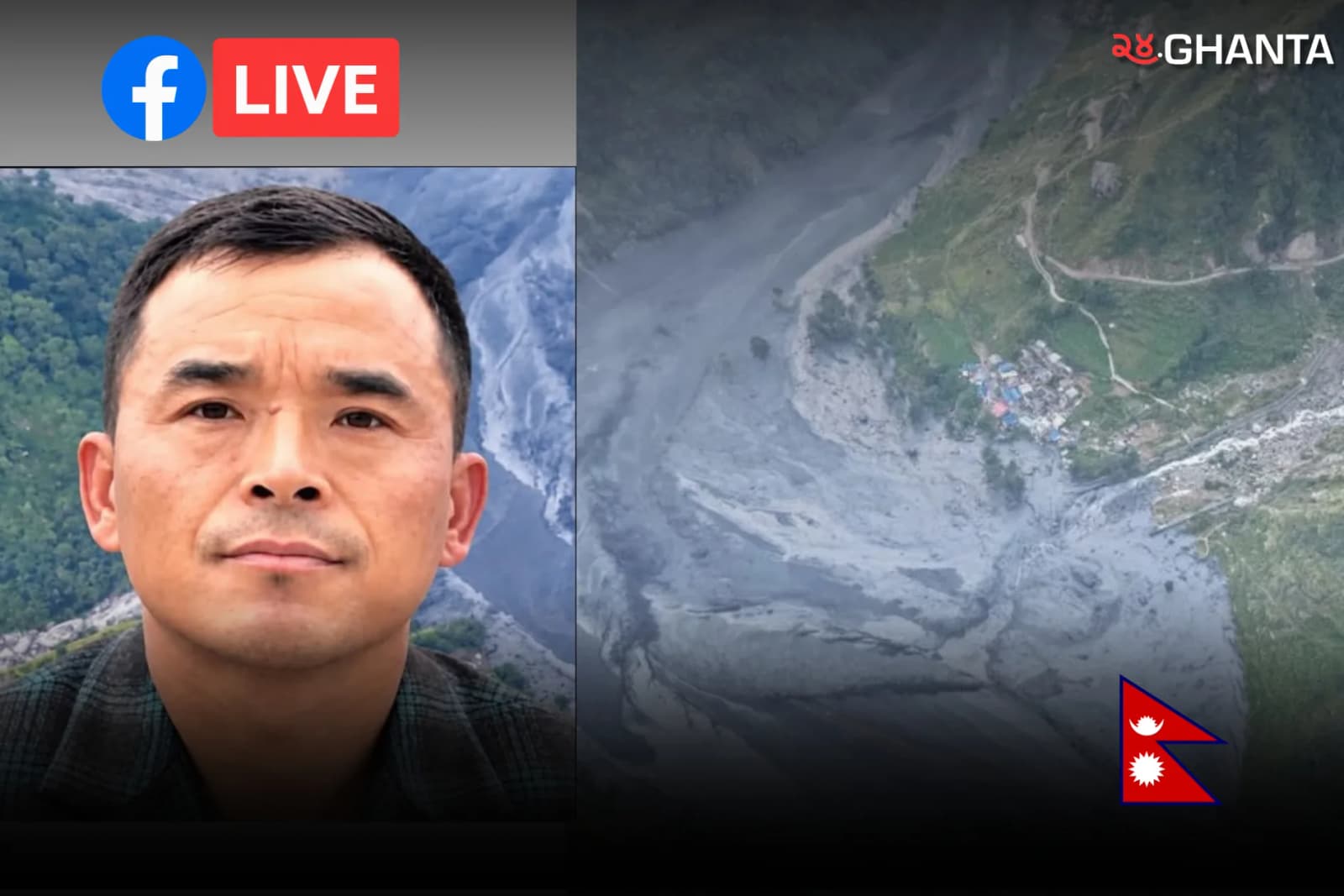
At around 4 a.m. on Sunday, October 11, 2026, Sherap Gurung, a hotel owner from Lokpa in Chumnubri Rural Municipality–6, Gorkha, began warning communities downstream after hearing powerful rumbling sounds and feeling the ground shake near Syari Khola. Fearing a landslide and a possible flood, he moved his family to safety before contacting people in nearby settlements. His phone calls and later Facebook Live broadcast helped spread information as muddy floodwaters rushed toward the Budhi Gandaki River.
The Sound That Made Him Act
The morning began with an unfamiliar roar coming from the mountains. The noise grew louder, and the ground trembled.

Sherap initially could not identify the danger. Suspecting a landslide, he moved his family to a safer location. Rather than focusing only on his own safety, he began contacting friends and acquaintances in Philim, Jagat, Machhikhola and other settlements along the river.
He wanted them to know that something dangerous was happening upstream. Those receiving the calls could then warn their neighbors, allowing information to travel from one community to another.
Facebook Live Became Another Warning
After daylight, Sherap returned briefly to his hotel, where tourists had been staying. From Lokpa, he could see the swollen Syari Khola carrying mud, rocks and debris.
He used Facebook Live to show the flood and repeatedly urged people near the Budhi Gandaki River to remain alert and move toward safer ground.
But the broadcast did not last long. Electricity and internet connections failed, leaving Sherap and other residents with limited communication.
His warnings had already reached people through phone calls and social media, although the number of people who evacuated specifically because of his messages has not been independently established.
Villagers Warned Each Other Before Official Alerts
Sherap was not the only resident trying to spread the warning.
Additional reports indicate that community members began contacting one another around 4:45 a.m. In Jagatbagar, resident Suna Gurung received an urgent call about the flood and helped alert others before moving into the forest for safety.
At approximately 4:52 a.m., another resident, Bishal Ghale, broadcast a Facebook Live warning, urging people downstream toward Arughat to evacuate.
The local police post at Arughat issued a warning at approximately 5:30 a.m., while government mass SMS alerts followed around 6:40 a.m.
The timeline has raised important questions about why official emergency warnings were slower than some local communication networks.
A Flood That Destroyed More Than Homes
The disaster caused widespread damage along the Budhi Gandaki corridor. Houses, suspension bridges, road connections, electricity infrastructure and hydropower facilities were damaged or swept away.
Initial assessments suggest that a landslide temporarily blocked an upstream waterway, and the sudden release of accumulated water may have caused the destructive flood. The exact sequence still requires technical investigation.
The destruction also affected the Manaslu trekking area, leaving residents and tourists stranded after important walking routes and bridges became inaccessible.
Rescue Operations Continue as Five Remain Missing
Initial rescue reports on Sunday recorded 49 people brought to safety. By Sunday evening, the rescue count had increased to 82, including nine foreign nationals.
On Monday, October 12, reports indicated that authorities had rescued 96 people, including nine foreigners, while five villagers remained unaccounted for.
More than 100 foreign trekkers were also reported stranded at different locations because of damaged routes.
The Nepal Army, police and disaster response teams continued rescue and relief operations. No confirmed deaths had been reported in the latest updates reviewed for this newsletter.
The Bigger Question: Why Did Locals Have to Warn Each Other?
The disaster has highlighted the importance of community knowledge and early-warning systems in Nepal's Himalayan regions.
According to reports, the Department of Hydrology and Meteorology's Flood Forecasting Division received initial information around 6 a.m. and subsequently sent approximately 200,000 warning text messages in two rounds.
While these official alerts helped inform downstream communities, local residents had already begun sharing warnings through direct phone calls and social media.
In remote areas where roads are limited and electricity or mobile networks can fail, a strong disaster warning system must connect information from residents, local governments, monitoring stations and emergency agencies as quickly as possible.
One Man's Actions, A Lesson for Nepal
Sherap Gurung was not a professional rescuer or emergency official. He was a resident and hotel owner who recognized possible danger, protected those around him and warned others.
His actions were part of a broader community response that helped people understand the approaching threat before it reached their settlements.
His story is not proof that one person saved a particular number of lives. It is a reminder that quick decisions and shared information can make a difference in the first minutes of a disaster.
As families in Gorkha face damaged homes, broken bridges and uncertainty over missing residents, this flood has offered Nepal an important lesson: better technology and faster official warnings are essential, but communities themselves remain a critical part of disaster preparedness.
Sometimes, the first step toward saving a life is simply making a phone call.
Published 1 hour ago in Nepal