
Buried Without Names, But Not Without Hope
Chitwan authorities have buried 199 unidentified bodies and human remains recovered after the Bhotekoshi flood, while preserving DNA samples and identifying records for future verification. Families still searching for missing relatives may be able to confirm identities through DNA matching and later receive the remains for final rites.
· 2 min read
CHITWAN, NEPAL | AUGUST 31, 2026
Unidentified Flood Victims Buried In Chitwan
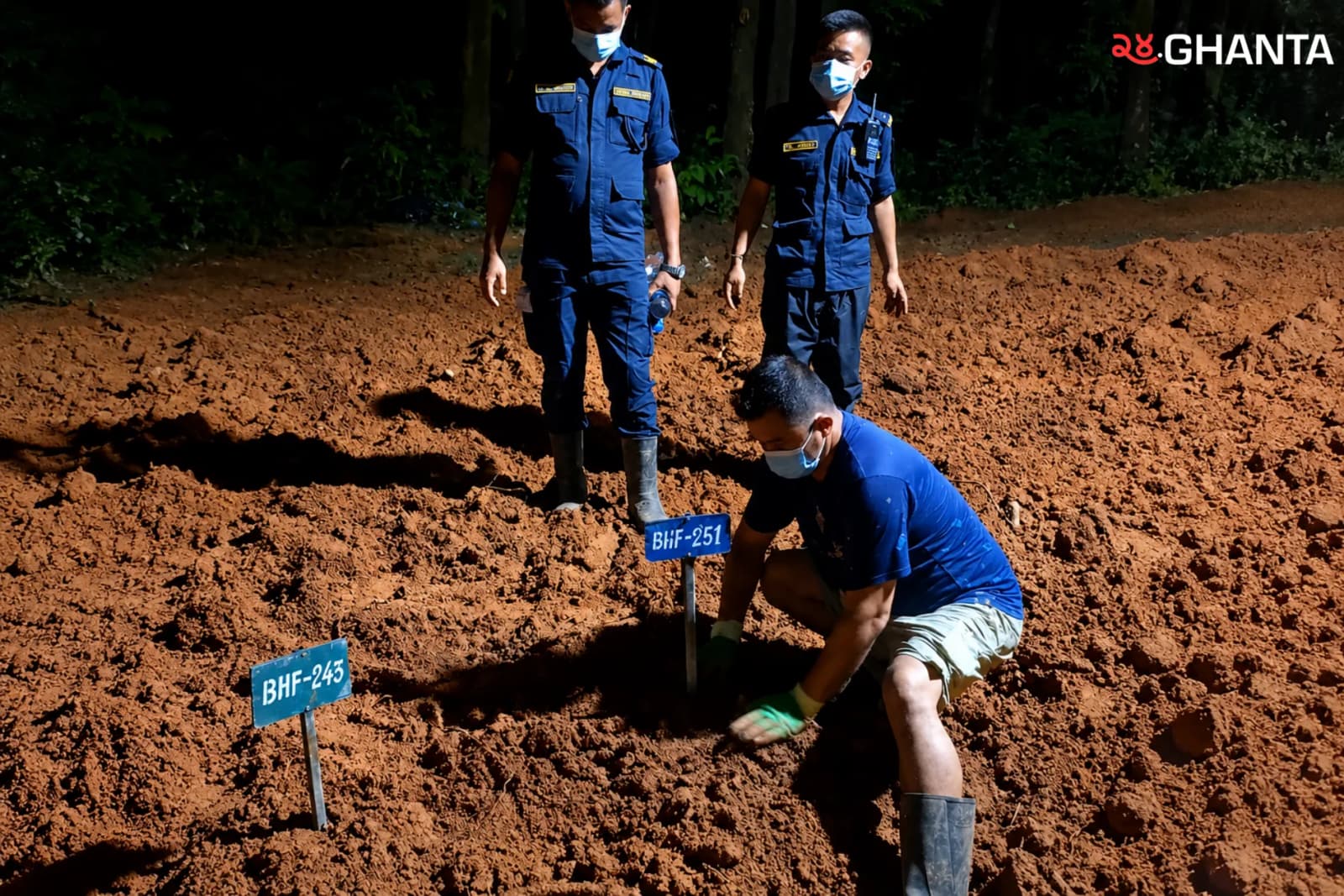
Authorities in Chitwan have buried 199 unidentified bodies, and human remains recovered after the Bhotekoshi flood that struck Rasuwa on August 26. The remains were found downstream in different parts of Chitwan and were buried in the Devghat forest area after officials recorded important details and collected DNA samples, as keeping decomposing remains for an extended period could create health, storage, and environmental concerns.
Hundreds Recovered After The Disaster
So far, 272 bodies and human remains have been recovered in Chitwan following the disaster. Twelve victims have been identified and returned to their families, while 199 unidentified bodies and remains have already been buried.

The burials were carried out in separate stages, with 96 bodies and remains buried on Saturday and another 103 on Sunday.
DNA Records Could Help Identify Victims Later
Before burial, authorities collected DNA samples and documented physical and identifying details linked to each body or set of remains. These records are expected to play an important role for families who are still searching for relatives who disappeared during the flood.
If DNA provided by a family matches one of the preserved samples, officials can confirm the victim's identity even after burial.
Families May Still Recover The Remains
Burial does not mean the search for an identity has ended. If a future DNA match confirms who a victim is, authorities can locate the burial record, recover the remains and hand them over to the family so they can perform their own final rites.
This process gives families another possible path toward answers, especially when visual identification is no longer possible.
Why Burial Became Necessary
Officials had to manage the unidentified bodies as decomposition continued and available facilities could not safely hold them indefinitely. The burial process was therefore carried out while preserving evidence that could still help establish identities later.
The aim was to balance public health and proper management of the remains with the need to keep open the possibility of future identification.
The Search For Names Is Not Over
Behind every unidentified body may be a family still waiting for someone who never came home. Preserving DNA and detailed records means those buried have not simply disappeared into a number.
For families continuing their search, there is still hope that science may provide the answer they have been waiting for, allowing a missing person to finally be given a name and a proper farewell.
Published Aug 31 in Nepal