
Nepal Returns to UN Human Rights Council With 173 Votes, But What Comes Next?
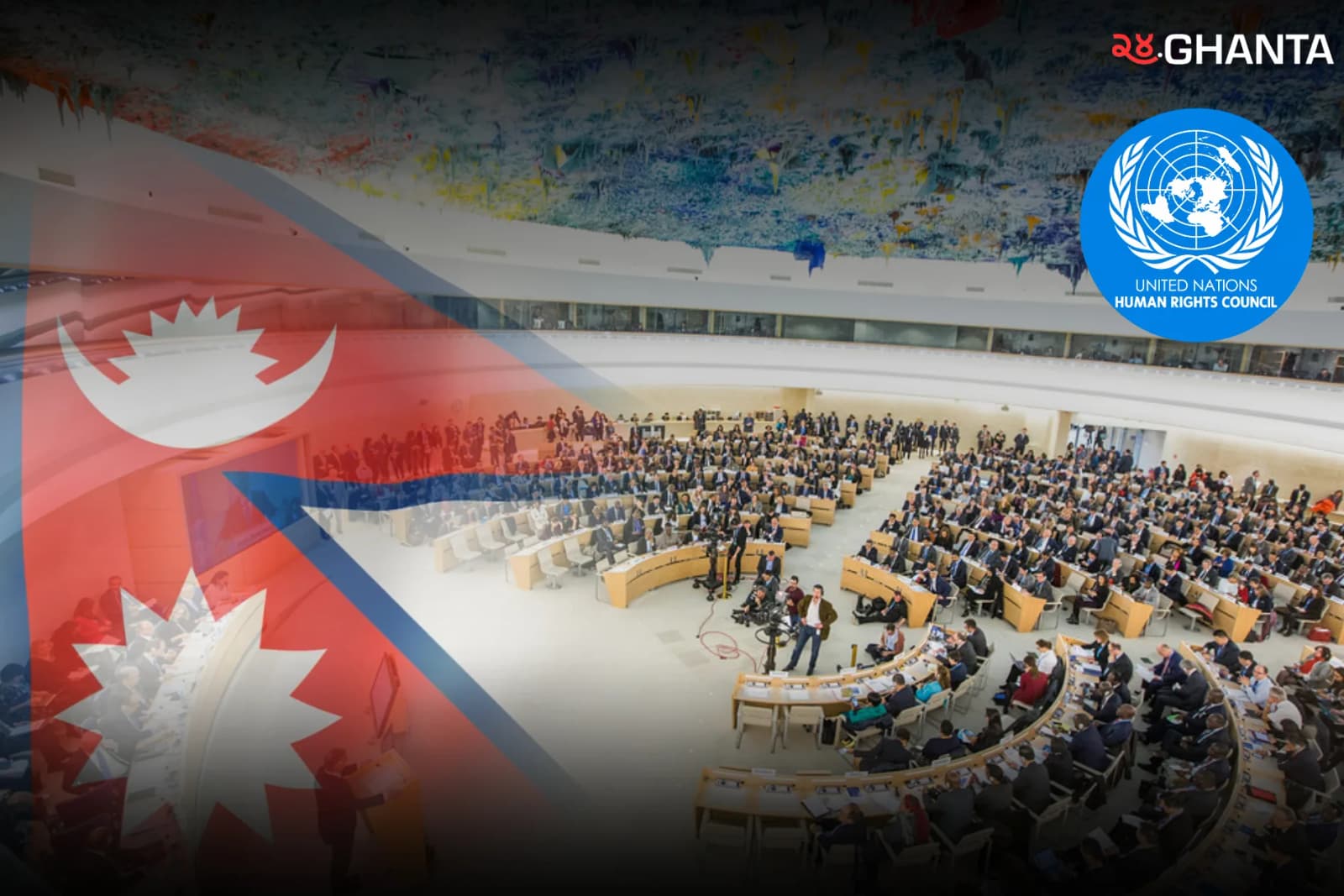
Nepal has been elected to the United Nations Human Rights Council for the 2027–2029 term, securing 173 votes and tying with Kuwait for the highest vote count in the Asia-Pacific group. This will mark Nepal's third term on the Council, giving the country another opportunity to contribute to global human rights discussions while taking on greater responsibility to uphold human rights standards.
· 3 min read
Kathmandu, October 14, 2026
Nepal Secures Third Term
Nepal has been elected to the United Nations Human Rights Council (UNHRC) for a three-year term beginning January 1, 2027, following an election held at the United Nations General Assembly in New York on October 13. Nepal secured 173 votes, tying with Kuwait for the highest vote count among the elected Asia-Pacific countries. The election will allow Nepal to participate in international discussions and decisions aimed at promoting human rights, equality and justice worldwide.
Strong Support From UN Members
Four countries were elected from the Asia-Pacific group. Nepal and Kuwait each received 173 votes, followed by Jordan with 171 and Japan with 166. A total of 15 countries were elected to the 47-member Council for the 2027–2029 term.

However, the election was uncontested, as each regional group nominated the same number of candidates as the available seats. International human rights organizations criticized the lack of competition, arguing that competitive elections would allow countries to make more meaningful choices about Council membership.
Nepal's Previous Role in the Council
This will be Nepal's third term on the Human Rights Council. The country previously served two consecutive terms from 2018 to 2020 and from 2021 to 2023.
Following the election, Nepal's Permanent Mission to the United Nations in New York thanked member states for their trust and support. The mission reaffirmed Nepal's commitment to human rights, international law and cooperation among nations.
Nepal also expressed its willingness to work with other countries to protect human dignity, promote inclusion, strengthen social justice and support fair development for all.
What Does the Human Rights Council Do?
Established in 2006, the United Nations Human Rights Council is based in Geneva, Switzerland, and consists of 47 member countries.
The Council works to promote and protect human rights worldwide. It reviews human rights conditions in different countries, discusses reported violations, appoints independent experts and recommends improvements.
Through its Universal Periodic Review process, the Council also examines the human rights records of all United Nations member states.
What Does This Mean for Nepal?
Nepal's election will provide another opportunity to strengthen its participation in global human rights discussions and cooperate with other countries on protecting fundamental freedoms.
At the same time, membership will bring greater responsibility. Nepal will be expected to support international human rights standards and demonstrate progress in protecting rights within the country.
As Nepal prepares to begin its third term on January 1, 2027, the important question will be how the country turns its international commitments into meaningful action for people at home and around the world.
Published 1 hour ago in Nepal