
For Children Who Lost Their Parents in the Floods, Pasang Lama Steps Forward to Help Build a Safer Future
After contributing to Nepal’s flood-relief efforts, Pasang Lama has announced an initiative to help children who lost their parents in the disaster find safe, long-term support through suitable families, individuals or organizations and the proper legal process. Lama is not personally adopting the children; he says his role is to help connect them with appropriate care while documenting the process publicly for transparency.
· 4 min read
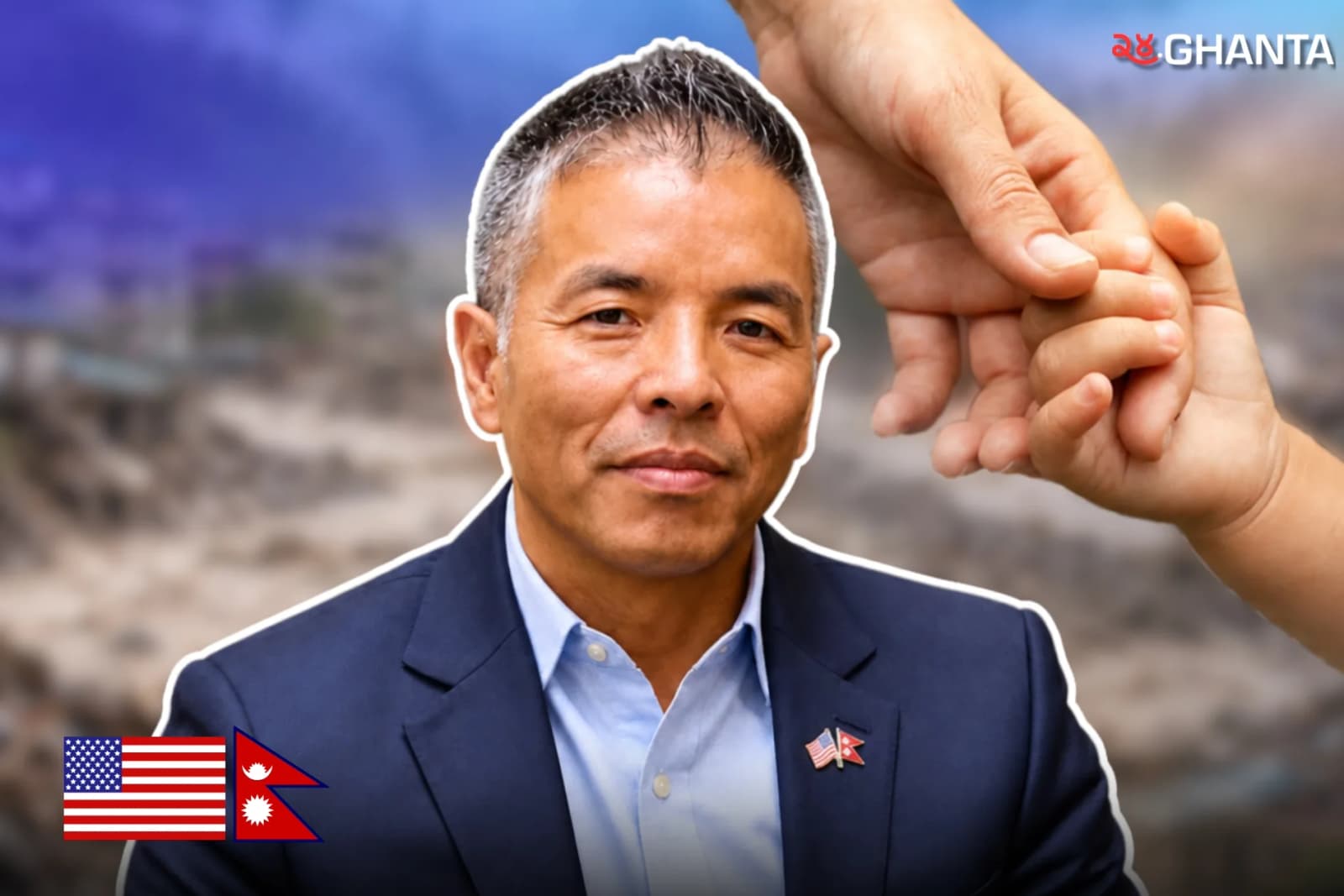
A New Mission After the Flood
Pasang Lama, who has already contributed to relief efforts following Nepal’s devastating Bhote Koshi floods, has expressed an initiative to help children who lost their parents in the disaster access safe and appropriate long-term care. In Nepal, as flood-hit communities begin looking beyond immediate rescue and relief, Lama says he wants to help connect affected children with suitable families, responsible individuals, trusted organizations or other proper care options through the correct legal process, because the needs of these children could continue long after the emergency ends.
He Is Not Personally Adopting the Children
One important point is clear: Lama is not saying that he will personally adopt or take custody of the children.
Instead, his stated intention is to help connect children in need with appropriate people, families or organizations that may be able to provide care and long-term support.

Any such process must prioritize the child’s safety, rights and best interests and follow Nepal’s proper legal and child-protection procedures.
From Immediate Relief to Long-Term Responsibility
Lama’s latest initiative follows his involvement in the broader flood-relief effort.
Lama Group recently contributed NPR 1 Crore 7 Thousand to the Prime Minister’s Disaster Relief Fund for communities affected by the Bhote Koshi floods. The contribution was handed over on behalf of the group by Pasang Lama, with the group describing the donation as only the beginning of its assistance.
The group has also indicated that it intends to continue supporting flood-affected communities.
What Happens After the Rescue Teams Leave?
Food, medicine, clothing and shelter are critical during the first days of a disaster. But for a child who has lost one or both parents, the consequences can last for years.
Who will make sure the child is safe? Who will help them continue their education? Who will provide emotional support, stability and a secure home? And how can authorities ensure that vulnerable children do not fall into unsafe situations?
Lama’s initiative brings attention to those questions at a time when much of the country is still focused on immediate recovery.
An Initiative, Not a Completed Placement Program
At this stage, the effort should be understood as an initiative and expression of support.
There is no indication that children have already been matched or placed with new families or organizations under Lama’s initiative.
His role, as he has described it, is to help connect children with proper care through the correct process if such support is needed.
Transparency Will Be Part of the Process
Lama has also said that everything done to help the children will be documented and shared publicly for transparency.
At the same time, he has emphasized that the children’s privacy and safety will be protected.
That balance is important. Public accountability can help people understand how support is being provided, while children affected by tragedy must not lose their dignity or privacy in the process.
Children Need More Than Temporary Relief
The floods have taken homes, livelihoods and loved ones from communities across affected areas.
For children who have lost their parents, rebuilding life may be especially difficult. Immediate assistance can help them survive today, but long-term care, education, emotional support, protection and a stable environment can shape what their future looks like.
That is why the effort should not simply be about finding someone willing to take responsibility for a child. It should be about finding the right, safe and legally appropriate support for each child.
Turning Compassion Into Responsibility
There is something deeply painful about imagining a child surviving a disaster only to discover that the people who once represented home may never return.
Nepal’s recovery will therefore be measured by more than rebuilt roads, bridges and houses. It will also be measured by how the country protects those left most vulnerable by the disaster.
Pasang Lama’s initiative carries a simple message: surviving the flood should not mean a child has to face the future alone.
If families, organizations, authorities and communities can work together responsibly, children who have already lost so much may still have the chance to grow up with safety, care and hope.
Published Sep 6 in Nepal