
Mustang Hit By 7 Earthquakes In 24 Hours As Homes Crack Across Lo Manthang, Tourism Remains Open
Seven earthquakes in 24 hours damaged homes across Lo Manthang, leaving some uninhabitable. No human or livestock loss was reported, while Upper Mustang tourism, roads, trails, hotels and lodges remain open.
· 5 min read
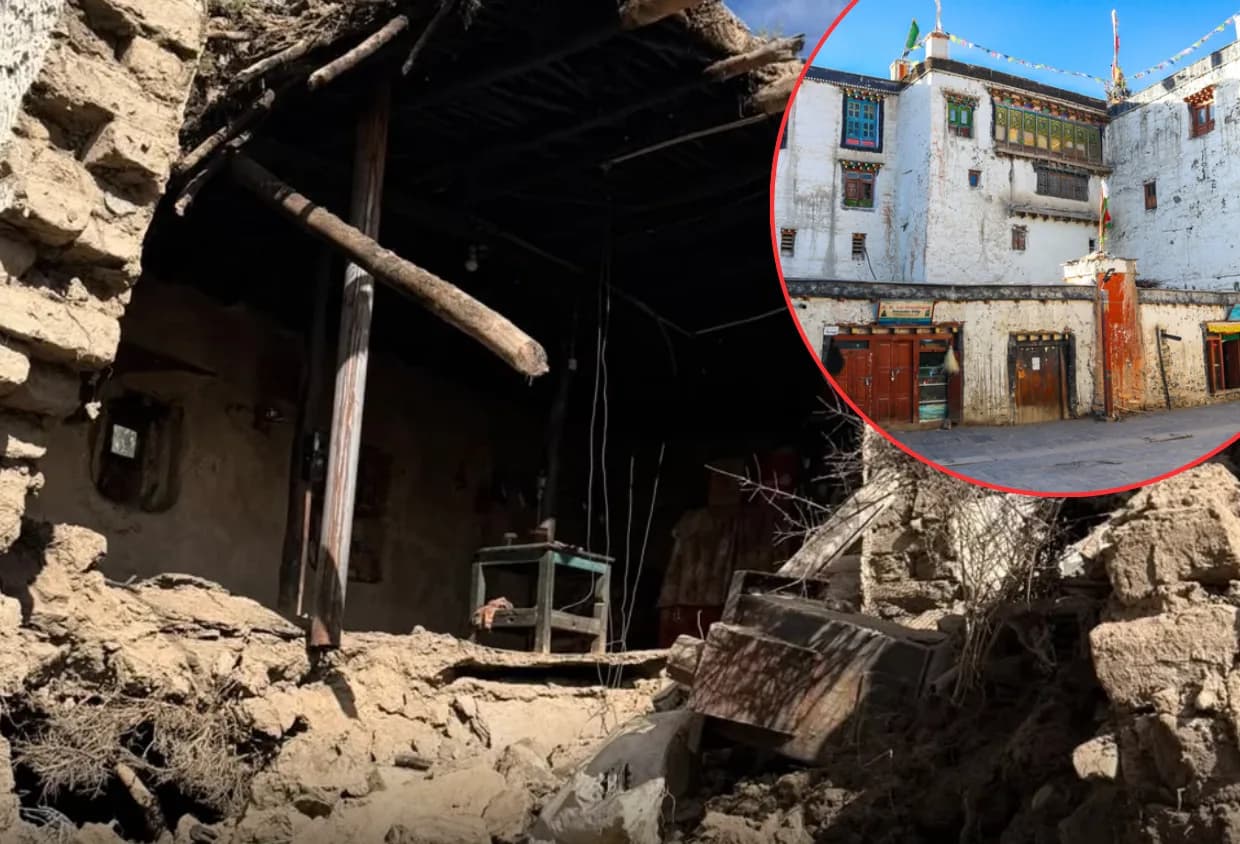
Seven earthquakes have been felt in Lo Manthang, Upper Mustang, within 24 hours, causing cracks and damage to homes and historic structures and forcing some residents to stay outside due to fear of further tremors.
Local officials say a large number of houses have developed cracks, with an estimated 20 to 30 percent becoming completely uninhabitable and around half suffering greater damage or facing high risk. Despite the damage to buildings, authorities have confirmed that there has been no loss of human life or livestock.
Tourism activities in Upper Mustang and Lo Manthang also remain open. Roads, trekking trails, communication services, hotels and lodges are operating, while officials have advised visitors to remain cautious following the earthquakes and aftershocks.

Seven Earthquakes Felt Within 24 Hours
Lo Manthang, a historic settlement in northern Mustang, experienced seven earthquakes within a period of 24 hours, according to local reports.
Among them was a 5.3 magnitude earthquake centered in Lo Manthang that struck at around 9:33 PM on Tuesday. Smaller tremors were also reported afterward, including on Wednesday morning.
The repeated shaking has created fear among local residents, particularly because many homes and historic structures in Lo Manthang are traditionally built using mud and stone.
Residents reported feeling strong tremors, and many left their houses and remained outdoors because of concerns about possible further earthquakes.
Cracks Reported In Most Houses
Lo Manthang Rural Municipality Chairman Tashi Nurbu Gurung said the repeated earthquakes have caused significant damage across the municipality.
According to Gurung, cracks have appeared in most houses, affecting both older and newer buildings.
Lo Manthang is known for its centuries old mud structures and traditional architecture. This has increased concerns about the safety of buildings if further strong tremors occur.
Local authorities estimate that around 20 to 30 percent of houses have become completely uninhabitable. Around 50 percent are estimated to have suffered greater damage or face a high level of risk.
Gurung warned that continued earthquakes could cause further damage to structures that have already developed cracks.
House And Monastery Damaged
Police have also confirmed damage to individual structures following the 5.3 magnitude earthquake.
A house in Phuwa village of Lo Manthang Rural Municipality Ward 3 suffered damage when parts of its roof and walls collapsed.
The house was built using stone and mud and was empty when the damage occurred, meaning no one was injured.
The outer wall of Chode Gumba in Lo Manthang Ward 5 was also damaged. Other local reports said a few monasteries in the region suffered minor damage.
The damage to traditional structures has raised additional concerns because many buildings in the historic settlement were constructed using materials that may be more vulnerable to repeated shaking.
No Human Or Livestock Loss Reported
Despite widespread cracks and damage to buildings, authorities have confirmed that no human deaths or livestock losses have been reported.
The absence of casualties has provided some relief to residents and officials as teams continue to determine the full scale of property damage.
Authorities are particularly concerned about buildings that remain standing but have developed serious cracks, as further tremors could increase the risk of collapse.
Residents have therefore been advised to remain alert and avoid unsafe structures.
Teams Deployed For Damage Assessment
Lo Manthang Rural Municipality has started a detailed assessment to determine the exact scale of the damage.
Chief Administrative Officer Newton Lamsal said representatives, municipal employees, technicians and security personnel have been sent to different wards to inspect affected buildings and collect information.
Teams from Nepal Police and the Armed Police Force have also been deployed as part of the assessment.
Officials are visiting communities and inspecting damaged structures to determine which buildings remain safe and which require immediate attention.
The rural municipality has also informed the District Administration Office as well as the provincial and federal governments about the situation.
A complete assessment is expected to provide a clearer picture of the number of damaged and unsafe homes.
Upper Mustang Tourism Remains Open
Despite the earthquakes and damage to residential and historic structures, tourism activities in Upper Mustang and Lo Manthang remain open.
Mustang officials have said key tourism infrastructure and services have not been disrupted.
Roads and trekking trails remain operational, while communication facilities are also working. Tourist hotels and lodges continue to provide services to visitors.
Officials have also indicated that major tourist sites have not suffered damage that would require tourism activities in the region to close.
Upper Mustang, including Lo Manthang, is one of Nepal's well known destinations for its Himalayan landscape, Tibetan influenced culture, ancient monasteries and historic settlements.
Tourists Asked To Remain Cautious
Authorities have said there is currently no need for visitors to panic or cancel travel solely because tourism remains operational.
However, tourists planning to visit Upper Mustang have been advised to remain cautious and stay aware of their surroundings because further tremors remain possible.
Extra care may be necessary around older mud and stone buildings, damaged homes, monasteries and other structures that have developed cracks.
Visitors should also follow instructions from local authorities and tourism operators as damage assessments continue.
For now, Upper Mustang and Lo Manthang continue to welcome tourists, while authorities focus on assessing damaged homes and monitoring the situation following the repeated earthquakes.
Published Sep 10 in Nepal