
Rasuwa Flood: 165 Bodies Recovered, 826 Still Missing As Search Enters Second Day
Nepal's Rasuwa flood disaster has left 165 bodies recovered and 826 people missing as of around 8:15 AM Thursday, including 85 security personnel and 579 tourists, while 104 people have been rescued. Search operations continue across the Bhotekoshi-Trishuli-Narayani corridor as authorities work to locate the missing and scientists investigate a major glacial collapse and debris flow believed to have triggered the disaster.
· 4 min read
KATHMANDU, NEPAL | AUGUST 27, 2026
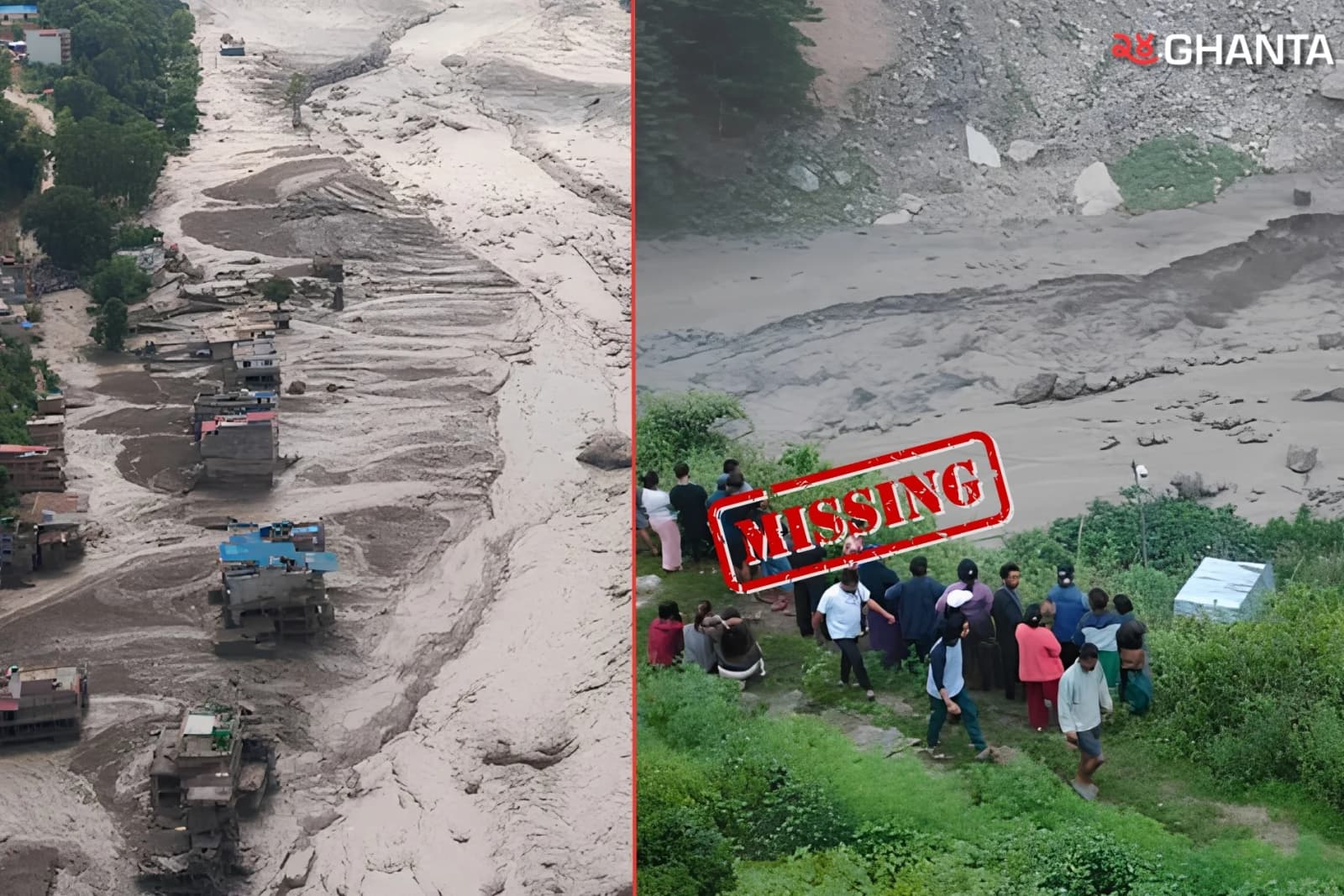
Nepal is facing a rapidly growing humanitarian crisis after Wednesday morning’s catastrophic flood swept from the Tibet border area through Rasuwa and the Bhotekoshi-Trishuli river system, leaving 165 bodies recovered and 826 people still reported missing as of around 8:15 AM Thursday. The disaster appears to have originated from a major glacial collapse and debris flow upstream, which created a destructive surge of water, mud, rocks and debris that travelled downstream through settlements and infrastructure across several districts.
165 Bodies Recovered
The National Emergency Operation Centre under the Ministry of Home Affairs reported that 165 bodies had been recovered by around 8:15 AM Thursday, showing how sharply the human toll increased overnight.

The bodies were recovered far beyond Rasuwa itself as the flood travelled downstream through the river system. Authorities reported 64 bodies from the Narayani River area in Chitwan, 27 from Dhading, 26 from Nawalparasi East, 20 from Gorkha, 12 from Nuwakot, nine from Tanahun, two from Rasuwa and five from Nawalparasi West.
Some of the recovered bodies are in severely damaged condition, making identification difficult.
826 People Still Missing
Authorities say 826 people remain missing or out of contact, making the search operation one of the biggest challenges following the disaster.
The missing include 85 security personnel — 44 Nepal Army personnel, 28 Nepal Police personnel and 13 Armed Police Force personnel.
Authorities have also listed 161 people from Rasuwa and one from Nuwakot among those missing.
Because communication networks, roads and other infrastructure have been badly disrupted, the number of people listed as missing or out of contact may continue to change as authorities verify information.
579 Tourists Out Of Contact
Tourists make up a significant proportion of those authorities have been unable to contact.
Government figures show 579 tourists are out of contact, including 113 Nepali tourists and 466 foreign nationals.
Foreign governments have also been trying to establish contact with their citizens following the disaster. The missing foreign visitors include nationals from countries such as India, the United States, Australia, the United Kingdom, Canada and several other nations.
104 People Rescued
Despite extremely difficult conditions, authorities have confirmed the safe rescue of 104 flood-affected people.
Of those rescued, 43 are from Rasuwa, 58 from Nuwakot and three from Dhading.
Search, rescue and relief operations remain active, with security agencies and helicopters being deployed to areas that have become difficult to reach by road.
What Triggered The Disaster?
Initial information on Wednesday suggested that an earthquake may have triggered an avalanche or landslide upstream. However, newer scientific analysis has changed that assessment.
The US Geological Survey said the seismic signal detected at 8:37 AM was not an earthquake but was generated by a major glacial collapse and debris flow.
Nepal's Flood Forecasting Division has separately reported preliminary evidence that debris blocked the river upstream in Tibet, temporarily creating a lake before the blockage failed and released a massive surge downstream.
The exact sequence and physical mechanisms behind the disaster will require further scientific investigation, but current evidence points toward a major ice-rock/glacial collapse and subsequent debris-filled flood, rather than an ordinary rainfall-driven flood.
Flood Travelled Far Beyond Rasuwa
Although the disaster began in the northern border region, its effects travelled through the Bhotekoshi, Trishuli and Narayani river systems.
This helps explain why bodies have been recovered in districts far downstream from Rasuwa, including Chitwan, Dhading, Nawalparasi and Tanahun.
The flood also damaged settlements, roads, bridges, hydropower infrastructure, communication systems and other facilities along the river corridor.
Figures Are Still Changing
The scale of the disaster has made casualty verification particularly difficult.
For example, Nepal Police reported 162 recovered bodies at 5 AM Thursday, while the National Emergency Operation Centre's later update put the figure at 165 by around 8:15 AM.
Similarly, missing-person figures have changed substantially as authorities, tourism agencies, security forces and local governments consolidate their records.
For this reason, figures published earlier in the disaster should not automatically be treated as contradictions; many represent information available at different times.
Authorities Urge Public To Follow Verified Information
With hundreds of families still waiting for information about missing relatives, the Ministry of Home Affairs has urged the public to rely on information released through official authorities.
Search and recovery operations remain underway, and the confirmed toll could change as teams reach isolated areas and authorities verify missing-person records.
Published Aug 27 in Nepal