
Nepal Proposes Menstrual Leave for Female Civil Servants Under New Federal Bill
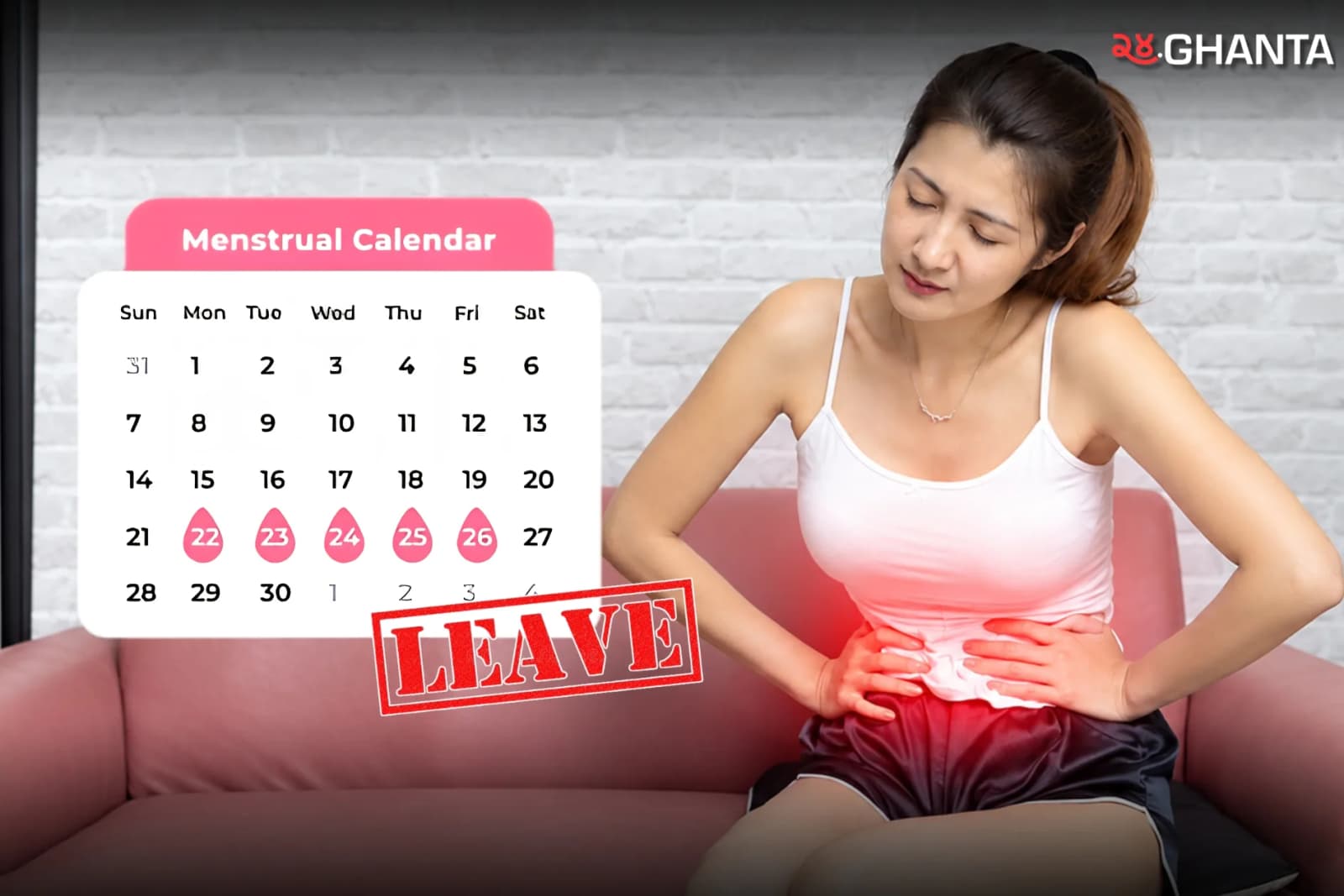
The Government of Nepal has introduced the Federal Civil Service Bill, 2083, proposing menstrual leave for female civil servants as part of broader reforms to government employment. The bill provides for nine categories of employee leave, although the exact duration, eligibility requirements and payment conditions for menstrual leave have not yet been confirmed.
· 3 min read
KATHMANDU, OCTOBER 1, 2026
New Civil Service Bill Brings Menstrual Leave Into Focus
The Government of Nepal registered the Federal Civil Service Bill, 2083, in Parliament on Thursday, October 1, proposing changes to employment conditions for federal civil servants across the country. Minister Pratibha Rawal brought the legislation to Parliament following Cabinet approval on September 29. The bill seeks to update Nepal’s civil service framework, with nine categories of employee leave proposed under Section 125 and menstrual leave identified in reports as one of the proposed changes.
What Does the Bill Say About Employee Leave?
Section 125 of the proposed legislation provides for nine categories of leave for civil servants. Existing civil service arrangements include casual, festival, home, sick, maternity, maternity care, funeral, study and extraordinary leave.

How Many Days of Menstrual Leave Are Proposed?
The Bill does not specify the duration of menstrual leave or confirm whether it would be paid.
It also does not establish the eligibility requirements, application procedures, or supporting documents that employees might need.
These details are important because the proposed benefit cannot be treated as an existing entitlement until the legislation is enacted and its applicable conditions are established.
Detailed Leave Rules Could Follow Through Regulations
Section 148 of the proposed bill authorizes the government to formulate regulations for implementing the legislation, including matters relating to civil servants’ leave and unpaid leave.
This means that detailed administrative arrangements may be addressed through regulations after the bill becomes law. However, the final legislation will determine which matters can be established through those regulations.
What Does the Bill Propose for Unpaid Leave?
Section 126 addresses unpaid leave, including provisions for employees whose spouses are posted to Nepali diplomatic missions abroad.
According to the explanatory document, eligible civil servants in such circumstances may receive unpaid leave for up to five years, subject to the applicable legal conditions.
This is separate from the reported menstrual leave proposal and should not be confused with paid employee leave.
Why Has the Menstrual Leave Proposal Attracted Attention?
A dedicated menstrual leave provision could provide additional workplace flexibility for employees who experience menstrual pain or other symptoms that affect their ability to work.
Its inclusion in federal civil service legislation would also bring menstrual health into discussions about government employment conditions. However, the extent of any new benefit will depend on the final wording of the law.
When Could the Proposed Leave Become Available?
The Federal Civil Service Bill must complete the parliamentary process before becoming law. Parliament may amend its provisions during consideration, and additional regulations may be required for implementation.
Until the legislative process is completed, menstrual leave under the proposed bill should not be described as an existing statutory entitlement.
What Should Civil Servants Watch for Next?
The main questions are whether menstrual leave is expressly included in the final legislation, how many days employees will receive, whether the leave will be paid and what conditions will apply.
The final text of the bill and any subsequent regulations will be essential for understanding how the proposed leave arrangements will work in practice.
Published 1 hour ago in Nepal