
Nepal's New Waste Bill Proposes Fines for Littering and Damaging Public Dustbins
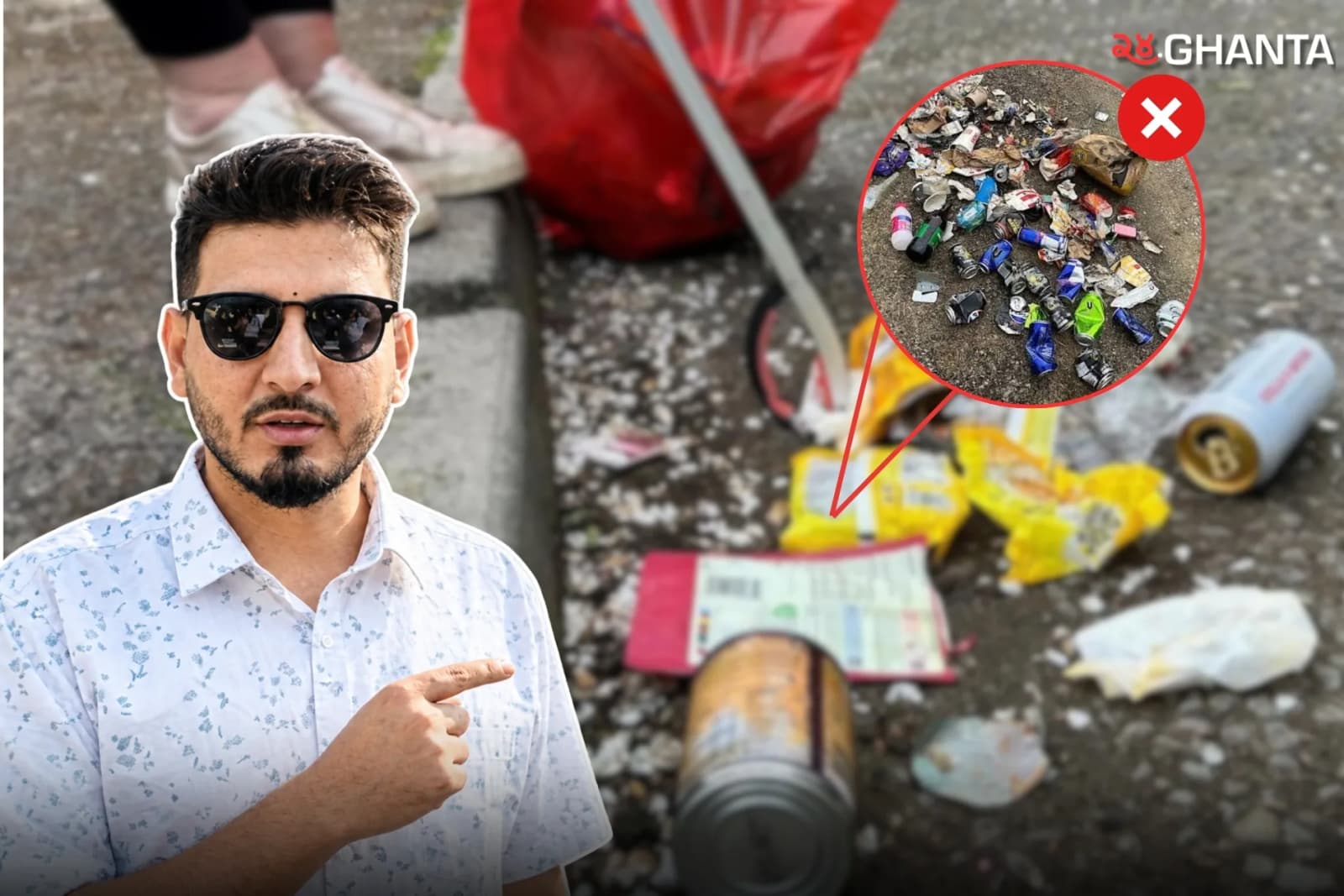
Nepal’s proposed Waste Management Bill, 2083 seeks tougher rules for public waste disposal, including fines that can reach Rs 15,000 for repeated improper disposal of waste and Rs 15,000 to Rs 50,000 for damaging or removing public dustbins. It also proposes requiring local governments to install covered public bins that separate biodegradable, non-biodegradable and hazardous waste.
· 3 min read
Kathmandu, September 23, 2026
Infrastructure Development Minister Sunil Lamsal has brought forward the Waste Management Bill, 2083, in the House of Representatives, proposing new rules, responsibilities and penalties for managing waste across Nepal. The bill aims to reduce harm to public health and the environment, clearly divide waste-management responsibilities among the three levels of government, improve public waste disposal and encourage waste to be processed and reused as a resource.
Public Littering Could Bring Fines
The proposed bill introduces penalties for people who fail to properly dispose of waste while using public places.

The penalty would increase for repeated violations, eventually reaching Rs 15,000 for repeat offenders.
The proposal is designed to make individuals responsible for properly disposing of the waste they generate instead of leaving it on roads, parks and other public spaces.
Damaging Public Dustbins Could Cost Rs 50,000
Public dustbins would also receive legal protection under the proposed legislation.
Anyone who damages, breaks, removes or otherwise harms public dustbins could face a proposed fine ranging from Rs 15,000 to Rs 50,000.
The bill also contains provisions intended to hold offenders responsible for losses caused by damage to waste-management infrastructure.
Separate Bins for Three Types of Waste
The bill proposes making local governments responsible for providing covered public dustbins at designated public locations.
Waste would be separated into three main categories:
Biodegradable waste — waste that can naturally decompose.
Non-biodegradable waste — materials that do not easily decompose.
Hazardous waste — waste that can pose risks to people or the environment.
This separation is intended to make collection, recycling, processing and safe disposal easier.
Local Governments Would Get a Deadline
Where the required public dustbins are not already available, the bill proposes giving local governments a specific period after the law comes into force to install them.
This requirement is important because the bill does not place responsibility only on citizens. Local governments would also have legal duties to provide the infrastructure needed for proper waste disposal.
Waste Could Be Treated as a Resource
The bill takes a broader approach than simply imposing fines.
It seeks to promote a circular economy, where useful materials are recovered, processed and reused instead of all waste being treated as something that must simply be dumped.
The proposed framework is intended to reduce the amount of waste requiring final disposal while creating opportunities to reuse materials that still have economic value.
Three Levels of Government Would Share Responsibility
Another major purpose of the legislation is to clarify the roles of the federal government, provincial governments and local governments.
Their responsibilities would cover different stages of waste management, including generation, collection, transportation, processing and final disposal.
The government says clearer responsibilities and stronger coordination are needed to build a cleaner and healthier environment.
These Fines Are Not Law Yet
The penalties should not be reported as fines that currently apply.
The Waste Management Bill, 2083 remains a bill before Parliament, meaning its provisions can still change during the legislative process before becoming law.
Published 15 hours ago in Nepal