
Trump Administration Proposes Removing 60-Day Grace Period for H-1B Visa Holders After Job Loss
The Trump administration has proposed removing the 60-day grace period that allows H-1B and certain other temporary work visa holders to find new employment or a sponsor after losing their jobs in the United States.
· 3 min read
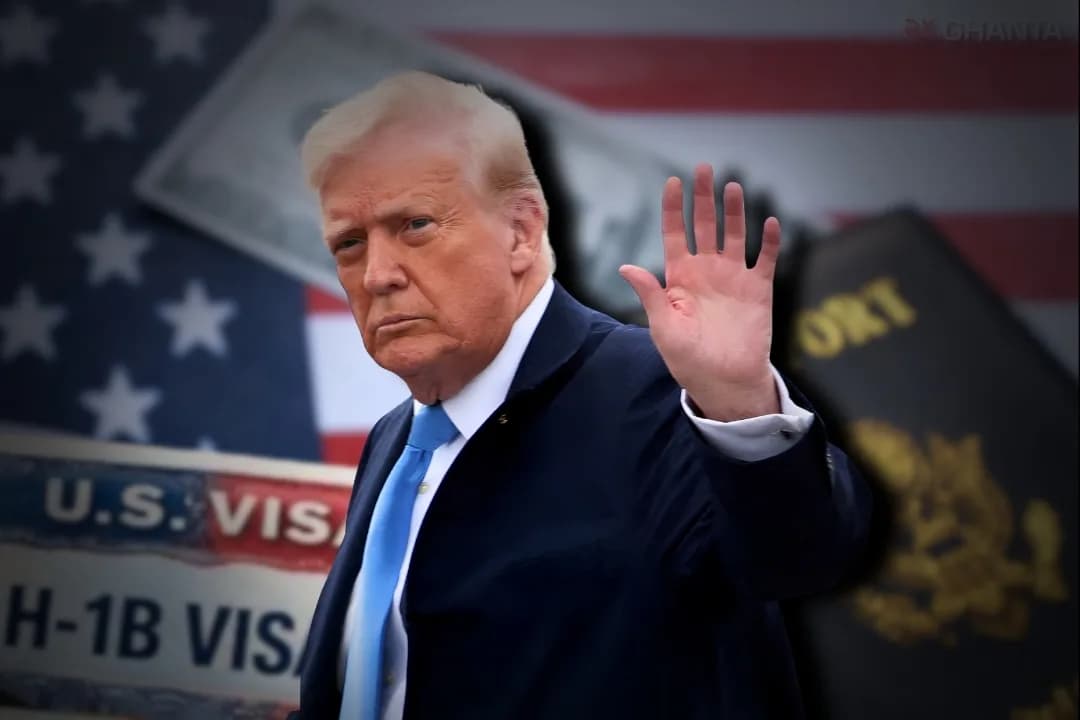
The Trump administration has proposed removing the 60-day grace period currently available to H-1B and certain other temporary work visa holders after they lose their jobs in the United States.
Under the proposed rule published by the US Department of Homeland Security (DHS) in the Federal Register, affected workers could lose the time currently available to search for a new employer or sponsor after their employment ends.
The proposal could significantly increase pressure on foreign workers who suddenly lose their jobs, particularly those working in industries that rely heavily on H-1B talent.

What Is The 60-Day H-1B Grace Period?
The current system allows eligible H-1B workers who lose their employment to remain in the United States for up to 60 days, or until the end of their authorised validity period, whichever comes first.
During this period, workers can potentially find a new employer, have their status transferred and continue their careers in the US without immediately having to leave the country.
The proposed change would significantly reduce that flexibility.
Job Loss Could Mean Much Less Time To Find A New Sponsor
If the proposal is implemented, H-1B workers could face much tighter immigration consequences after their employment ends.
Instead of having up to two months to search for another opportunity, affected workers could be required to leave the United States much sooner if they do not secure another lawful status or employer.
For workers supporting families in the US, the change could also create additional pressure because finding a new employer, completing immigration paperwork and arranging a departure can take time.
Major US Tech Companies Could Be Affected
The Department of Homeland Security acknowledged that the proposed change could affect companies that rely heavily on foreign workers.
Large technology companies and other businesses have historically relied on H-1B workers to fill specialised positions, particularly in areas such as technology, engineering and other highly skilled professions.
DHS has argued that employers could instead seek to fill affected positions with US workers.
However, businesses that depend on specialised foreign talent could face challenges if workers have to leave the country before another employer can complete the necessary immigration process.
Another Immigration Restriction Under Trump
The proposal comes as President Donald Trump’s administration continues efforts to tighten US immigration policies.
Since returning to office in January 2025, the administration has pursued measures affecting both legal and illegal immigration.
The administration has also taken steps involving visa fees and additional screening and training requirements, creating further uncertainty for foreign workers and prospective immigrants.
What Could Happen If The Rule Takes Effect?
The proposal is not the same as an immediate change in the law. It is a proposed regulation and would have to go through the required federal rulemaking process before any final changes take effect.
If eventually implemented, the change could mean:
H-1B workers have less time after losing employment.
Workers could face greater pressure to secure a new sponsor quickly.
Those unable to obtain another lawful status could have to leave the United States sooner.
Companies relying heavily on foreign skilled workers could face additional recruitment and staffing challenges.
Foreign workers could face greater uncertainty following unexpected layoffs or job losses.
A Major Change For Foreign Skilled Workers
For many H-1B workers, the 60-day period provides an important safety net when employment suddenly ends.
Removing or significantly limiting that window could turn a job loss into an immediate immigration crisis, leaving affected workers with far less time to find another sponsor or make arrangements to leave the United States.
The proposal is therefore likely to receive close attention from foreign workers, US employers and immigration advocates as the rulemaking process moves forward.
Published Sep 11 in World