
Can a Widow Lose Her Property for Remarrying? Nepal's Supreme Court Says No
Nepal's Supreme Court struck down Section 214(2) of the National Civil Code on May 4, 2026, ending a rule that required widows with children to give up their partition share if they remarried. The Court found the provision discriminatory and inconsistent with constitutional guarantees of dignity, equality, and property rights. Widows can now remarry without losing their own legally received partition share solely because of their new marriage, while children's separate property rights remain protected.
· 6 min read
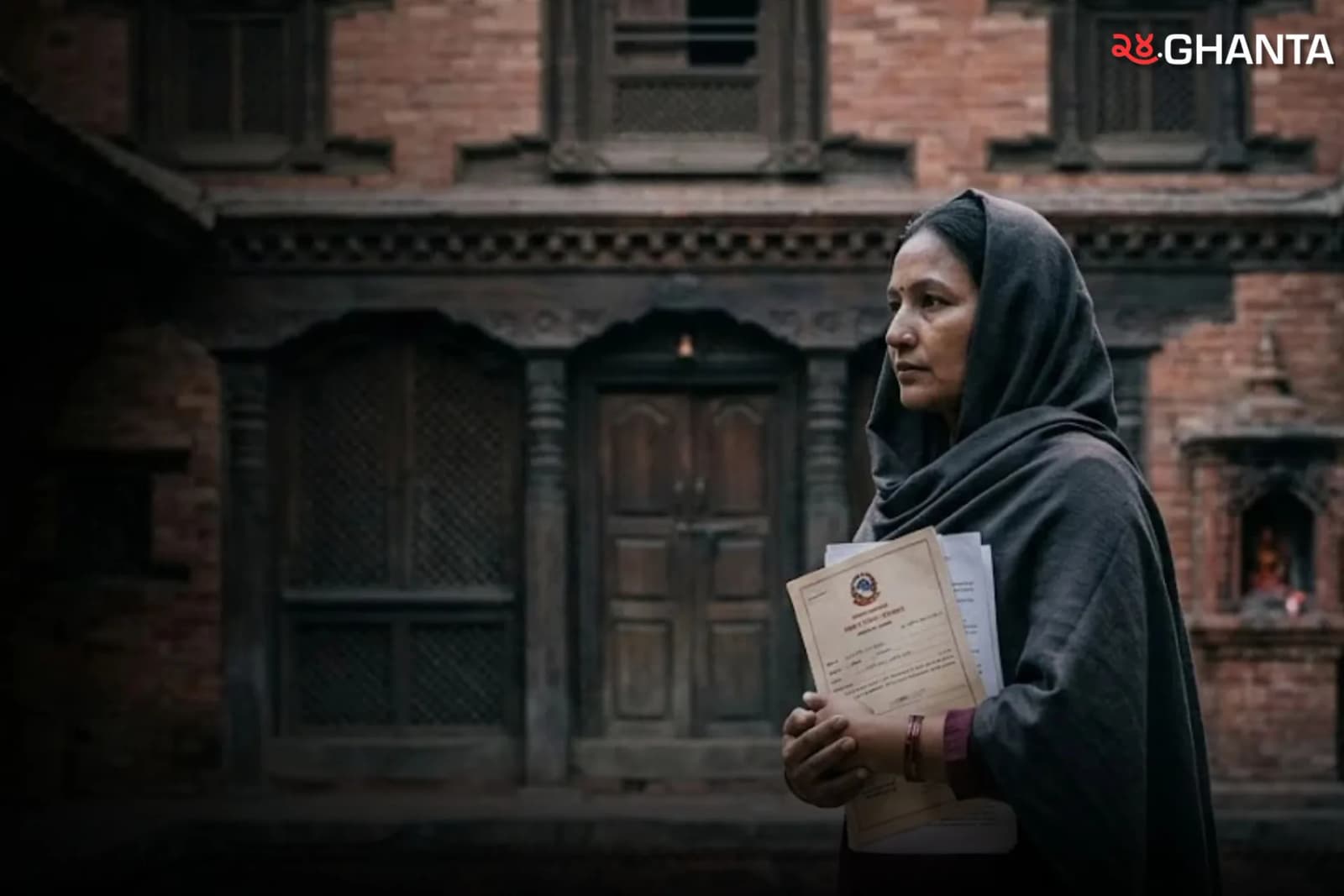
For years, a widow in Nepal could lose property she had legally received from her deceased husband's family if she remarried and had children from that marriage. The Supreme Court has now struck down this rule, protecting women's right to keep their property and rebuild their lives.
A Woman Shouldn't Have to Choose Between Love and Her Home
Imagine a woman who loses her husband. Along with the pain of losing someone she loves, she faces the responsibility of caring for her family and finding a way to move forward. Years later, she decides to marry again. She hopes to find companionship, happiness, and a new beginning.
But under an old Nepalese law, that decision could come at a serious financial cost. If she had children with her deceased husband, remarrying meant she had to give up the property she had already legally received as her share from that marriage.

That rule has now been struck down.
On May 4, 2026 (Baisakh 21, 2083), Nepal's Supreme Court declared the provision unconstitutional.
The decision means that a widow cannot lose her legally received share of property simply because she chooses to remarry. The ruling was delivered in May, while its detailed reasoning received renewed attention after the full judgment was published and reported in October.
What Did the Law Say Before the Court's Decision?
The old provision was Section 214(2) of the National Civil Code, 2017.
It stated that if a widow remarried, property she had received as her partition share would pass to her children from her deceased husband's side.
If she had no children from that marriage, she could keep the property.
To understand this, consider a simple example. A woman loses her husband and legally receives a share of the family property. She has two children from that marriage. Under the old rule, if she decided to marry someone else, her share of property would go to those children.
However, if she had no children from her first marriage, she could retain the same property after remarrying.
This created a situation where a widow's ability to keep property she already owned depended on whether she had children and whether she married again. The law did not directly ban remarriage. But it could make the decision financially difficult.
That is the provision the Supreme Court canceled on May 4, 2026.
Why Did the Supreme Court Cancel the Rule?
Women's rights advocates challenged the law, arguing that it unfairly treated widows and widowers.
The petitioners included senior advocate Meera Dhungana, Lily H. Basnyat (Thapa), advocate Manisha Paudel, and Pushpa Paudel.
Their concern was simple: Why should a woman risk losing her property for remarrying when a man in the same situation does not face the same requirement? The case was heard by a five member Constitutional Bench led by then Acting Chief Justice Sapana Pradhan Malla.
The Supreme Court found that the provision was discriminatory because it treated women differently based on their gender and marital status.
The judges examined the law in relation to constitutional rights, including:
Article 16: Everyone's right to live with dignity.
Article 18: Everyone's right to equality.
Article 25: The right to own and manage property.
Article 38: Women's rights, including equality in property and family matters.
The Court concluded that once someone legally receives property as their share, a change in marital status alone should not take away that ownership. The judges also explained that the old rule could make widows financially vulnerable and discourage them from remarrying.
In simple terms, the Court ruled that choosing to marry again is not a valid reason to take away a widow's legally owned property.
What About Children's Rights?
This is one of the most important parts of the ruling.
The government defended the old provision by arguing that it was intended to protect children financially if their widowed mother remarried. However, the Supreme Court found that protecting children should not require taking away their mother's legally owned share of property simply because she marries again.
The judges emphasized that both parents have responsibilities toward their children.
Does this mean children will lose their inheritance rights? No.
Children will continue to have the property and inheritance rights provided by Nepal's laws.
What has changed is that a widow's remarriage alone can no longer be used under Section 214(2) to transfer her own legally received partition share to her children.
For example, if a mother and her children each have their own lawful shares of family property, the mother's decision to remarry will not automatically take away her share. The children's separate rights will remain protected.
What Does the Ruling Mean Now?
The Supreme Court declared Section 214(2) unconstitutional and invalid from its inception.
This means the canceled rule can no longer serve as a legal reason to take away property a widow has lawfully received as her share simply because she remarries.
Here is the difference:
Before the ruling: A widow with children from her deceased husband was required under Section 214(2) to give up her partition share to those children if she remarried.
After the ruling: That requirement has been struck down. A widow can remarry without losing her own lawful partition share solely because of that decision.
However, the ruling does not mean every widow automatically receives all her deceased husband's property. Other family members, including children, may still have their own lawful shares. Inheritance, joint ownership, and existing property disputes will continue to depend on the relevant laws and circumstances.
Likewise, the ruling does not automatically return property transferred in every past case. Individual disputes may still require legal proceedings.
The main protection is clear: Remarriage alone cannot cancel a widow's established ownership of her partition share.
More Than Property, This Is About the Freedom to Begin Again
For many women, property is more than land, a house, or money. It can mean having a secure place to live, supporting their children, and knowing they have something to depend on during difficult times.
Losing a husband can already change someone's life in ways they never expected. Some women must manage grief, family responsibilities, financial uncertainty, and social pressure all at once. If they eventually choose to marry again, that decision should not force them to surrender property that already belongs to them.
The Supreme Court's ruling removes a legal restriction that placed this burden specifically on widows.
It does not promise that every widow will be free from financial hardship or family disputes. But it gives stronger legal protection to their property rights and freedom of choice.
A woman may lose her husband, but she should not have to lose her home, her financial independence, or her right to begin again simply because she chooses to remarry.
Sources and References
Supreme Court Constitutional Bench Writ No. 076-WC-0036, Full Judgment
National Civil Code, 2017 Section 214
Constitution of Nepal Articles 16, 18, 25, and 38
Supreme Court Strikes Down Property Return Rule for Widows Remarrying
Supreme Court Cancels Property Return Provision
How the Provision Requiring Widows to Return Property Was Abolished
Supreme Court Scraps Provision Requiring Widows to Return Property
Published 13 hours ago in Researched Article