24 Ghanta

Author

Binita Khatri (Law student)

Binita Khatri (Law student) writes for 24 Ghanta Nepal.

Recent Stories

A flood survivor walks through the devastation as families provide DNA samples to help identify missing loved ones
Researched Article

After Nepal’s Deadly Floods: How Nepali and Foreign Victims Are Identified and How Families Can Get Their Loved Ones Back

Nepali and foreign victims who cannot be recognized after the Bhote Koshi flood may still be identified through photographs, fingerprints, dental information, personal records and DNA. Even when unidentified remains are temporarily buried, documented reference numbers, forensic evidence and recorded burial locations can allow authorities to identify and return them to families later. For foreign victims, formal identification is followed by ID verification, embassy coordination and repatriation so their remains can be returned home.

Sep 316 MIN READ
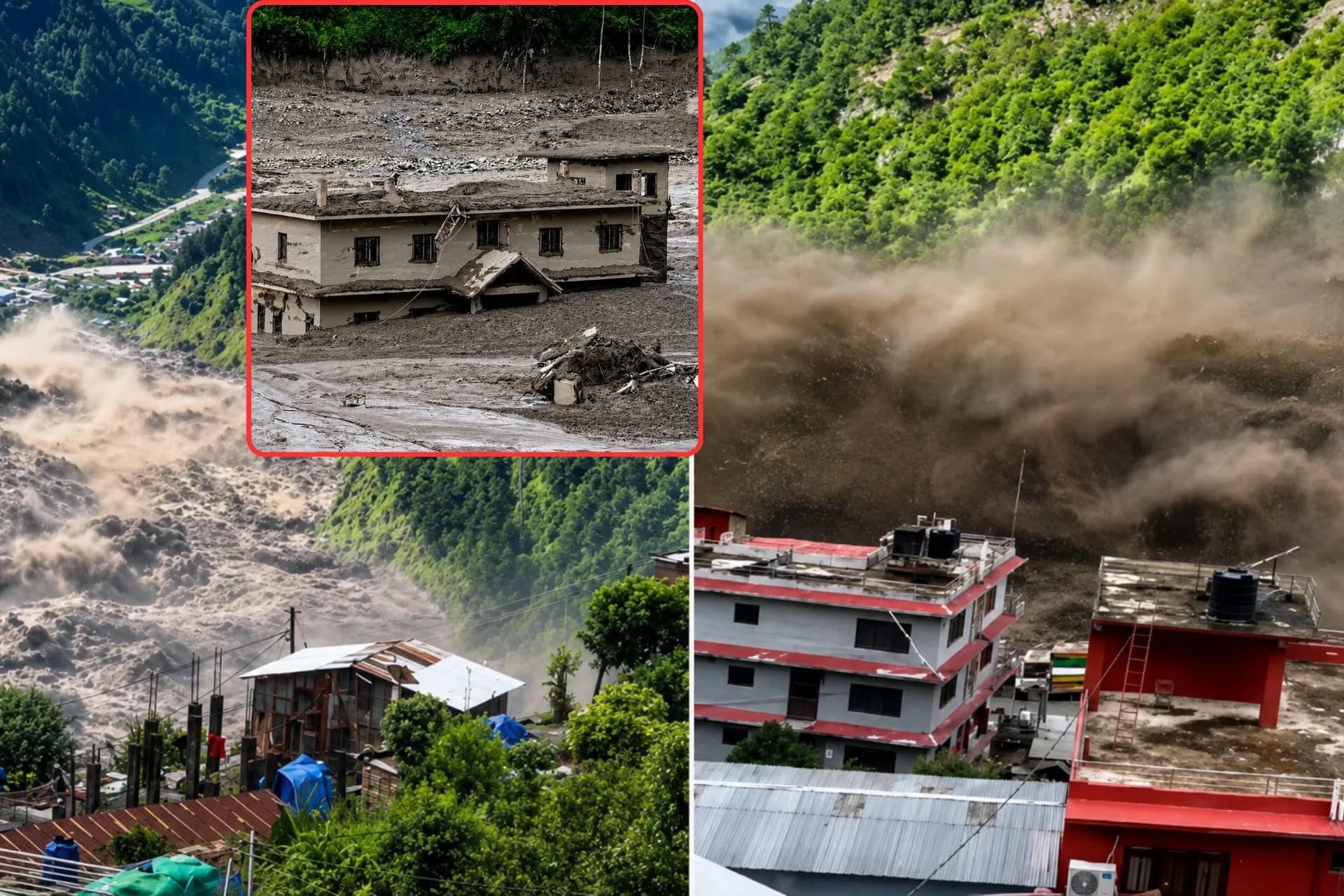
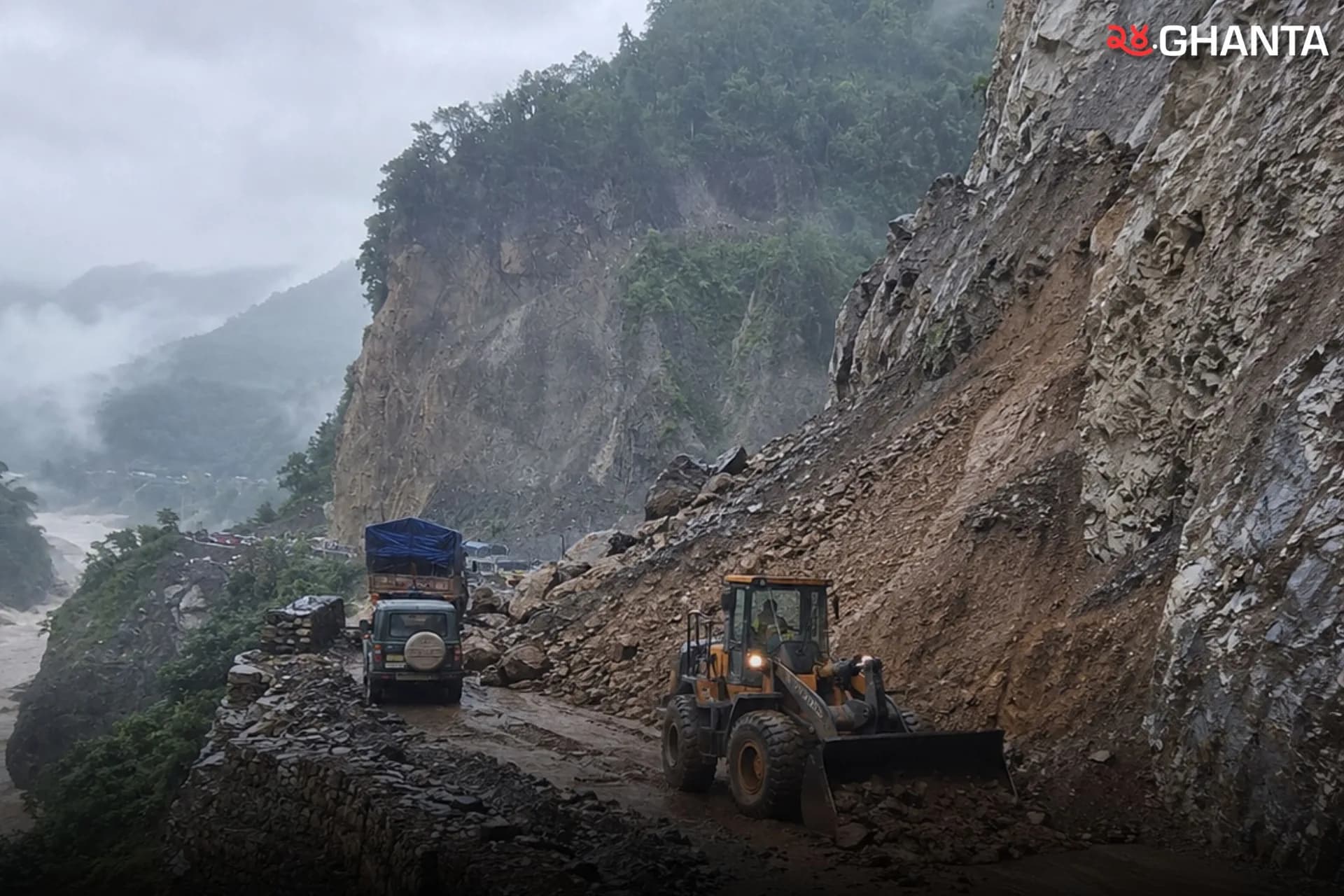
A massive surge of mud, rocks, and debris rushes through a mountain valley toward settlements and homes in its path.
Researched Article

Before the Flood Arrived: What Did Nepal Know And When?

Nepal's official timeline shows that authorities began receiving information about the devastating Rasuwa flood around 9 AM, with mass SMS warnings following shortly afterward. While communities farther downstream potentially had more time to react, those near the Tibet border faced a much shorter warning window. The key unanswered question is whether information from upstream could have reached Nepal earlier and provided more time to save lives.

Aug 289 MIN READ
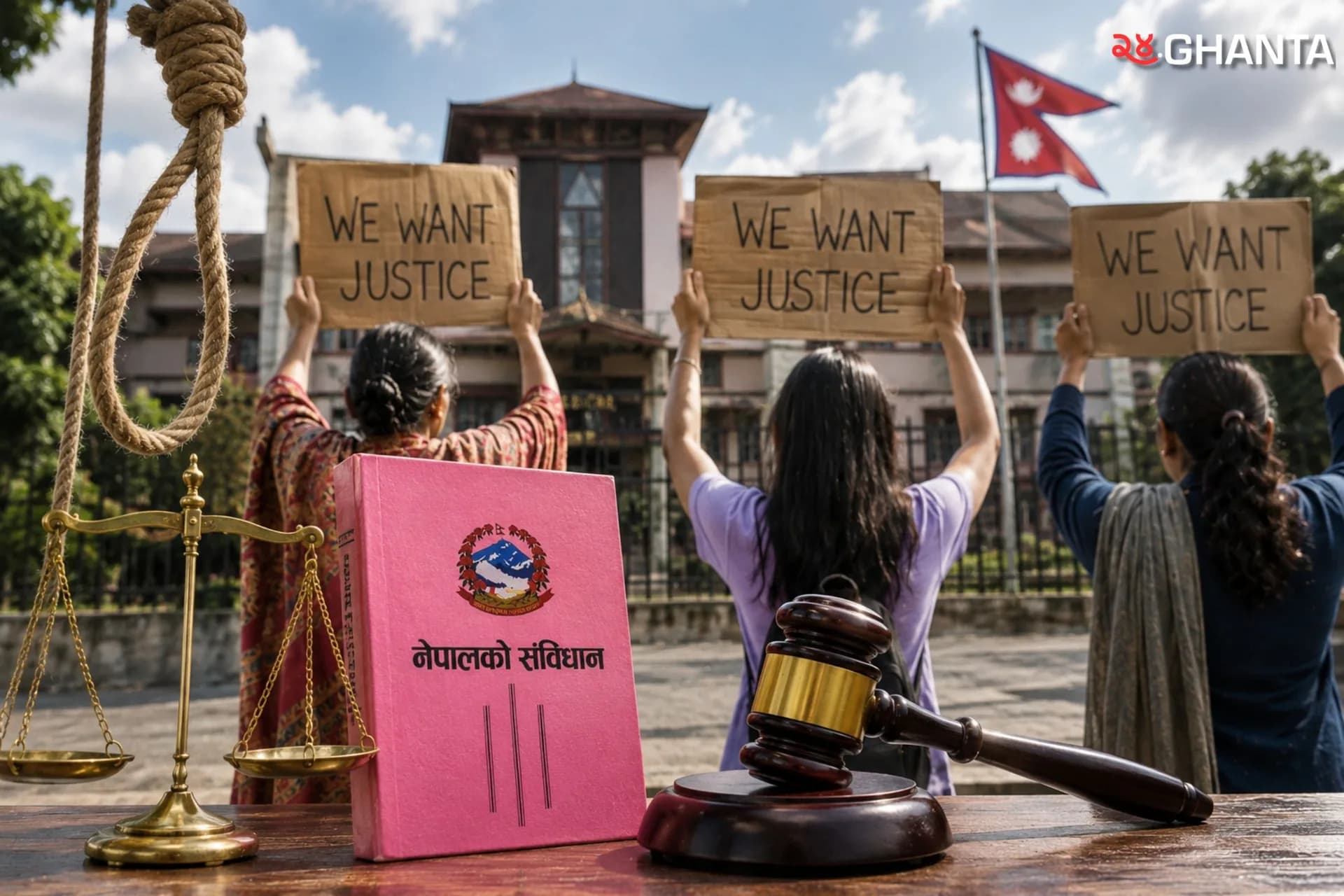
A worried user, leaked chats, and a broken digital lock visually represent the fear and risk of private conversations being exposed without permission
Researched Article

Someone Leaked Your Private Chats? Here’s What Nepal’s Law Actually Says

Nepal’s Privacy Act protects private chats, emails, electronic data and private digital conversations from certain unauthorized access, disclosure and recording. Sharing or publishing a private conversation without authorization can raise legal issues, while hacking or accessing computer data without permission may also trigger the Electronic Transactions Act. However, every screenshot or leaked message is not automatically the same offense the way it was obtained, consent, content and how it was used all matter.

Aug 217 MIN READ
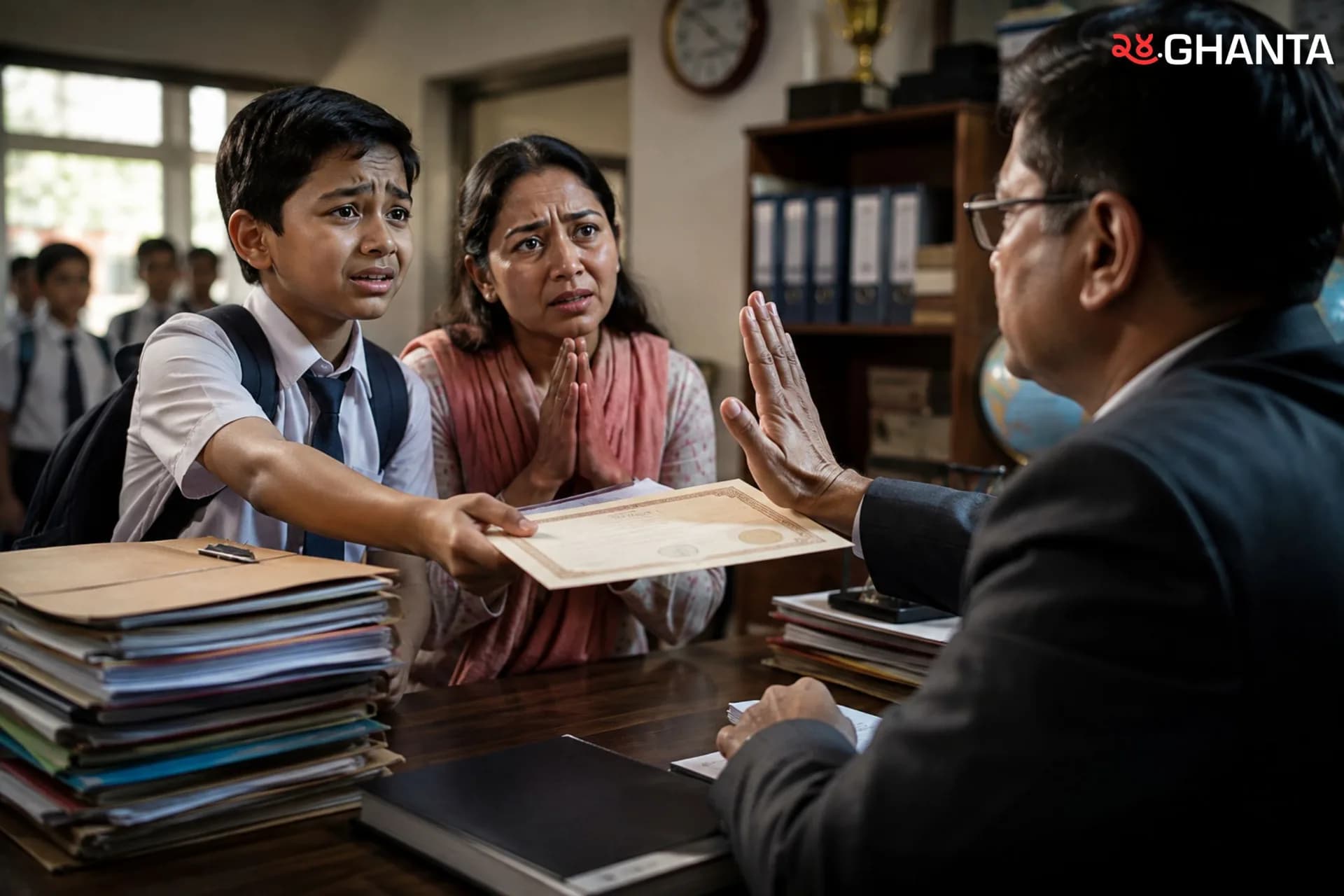
A student and parent challenge a school for refusing to release a Transfer Certificate.
Researched Article

School Won’t Give Your Certificate? School Rules Nepali Students & Parents Should Know

Nepal’s education laws give students specific protections when schools delay or refuse Transfer Certificates, especially for children who have not completed basic education. But the rules also allow schools to require certain dues before issuing a TC, so the answer depends on the student’s grade, certificate type, and situation. Parents can also challenge certain refusals, and schools may face fines for violating specific legal provisions.

Aug 198 MIN READ
A tenant faces an unexpected eviction notice while the law, rental agreement, and legal protections determine whether the landlord’s action is valid
Researched Article

Landlord Says “Leave Tomorrow”? Here’s What Nepal’s Law Says About Evicting a Tenant

A landlord cannot legally force a tenant to leave overnight without following Nepal’s rental laws. The National Civil Code, 2074 provides rules on rental agreements, eviction, repairs, and the rights and responsibilities of both landlords and tenants. Understanding these protections can help renters and property owners avoid disputes and know what the law actually allows.

Aug 1210 MIN READ
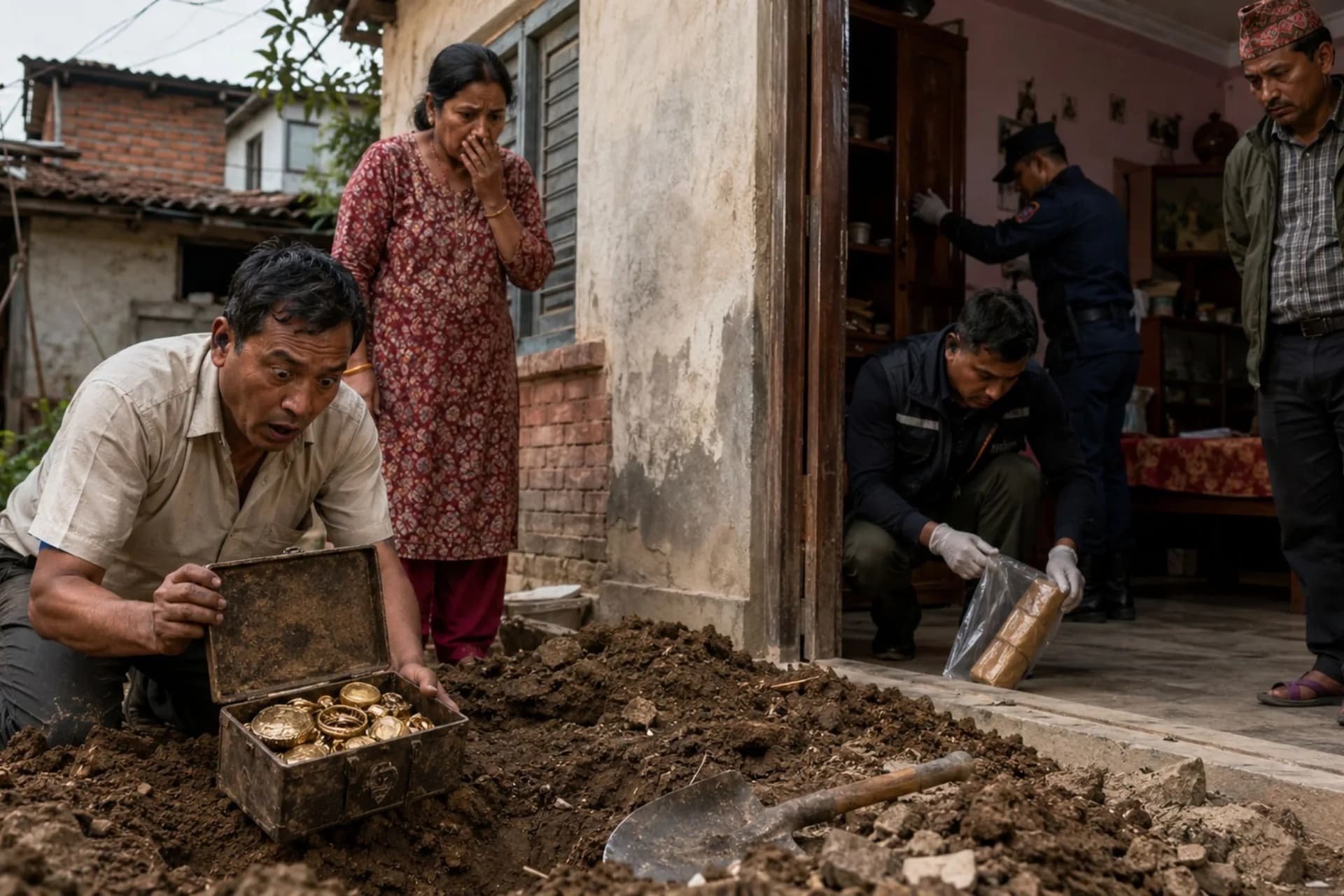
Owning the land doesn’t always mean you own everything found on it or are automatically responsible for everything discovered there.
Researched Article

Found Gold Under Your Land? It May Not Be Yours. Found Illegal Items? You Could Still Face Trouble. Here’s What Nepal's Law Says

Nepal’s law treats valuable discoveries and illegal items found on private property differently because ownership, possession, and responsibility are separate legal concepts. While minerals and archaeological objects may come under government protection, a person is not automatically guilty simply because illegal items are found on their property.

Aug 76 MIN READ