
The Caffeine Generation: Are Young People Drinking Coffee for Energy or Just to Feel Normal?
Coffee and energy drinks help people stay awake, but too much caffeine can affect sleep and cause dependence. Regular use may reduce sleep quality, while stopping suddenly can cause headaches and tiredness. The article explains caffeine’s effects, risks for teenagers, and ways to enjoy coffee without harming sleep.
· 9 min read
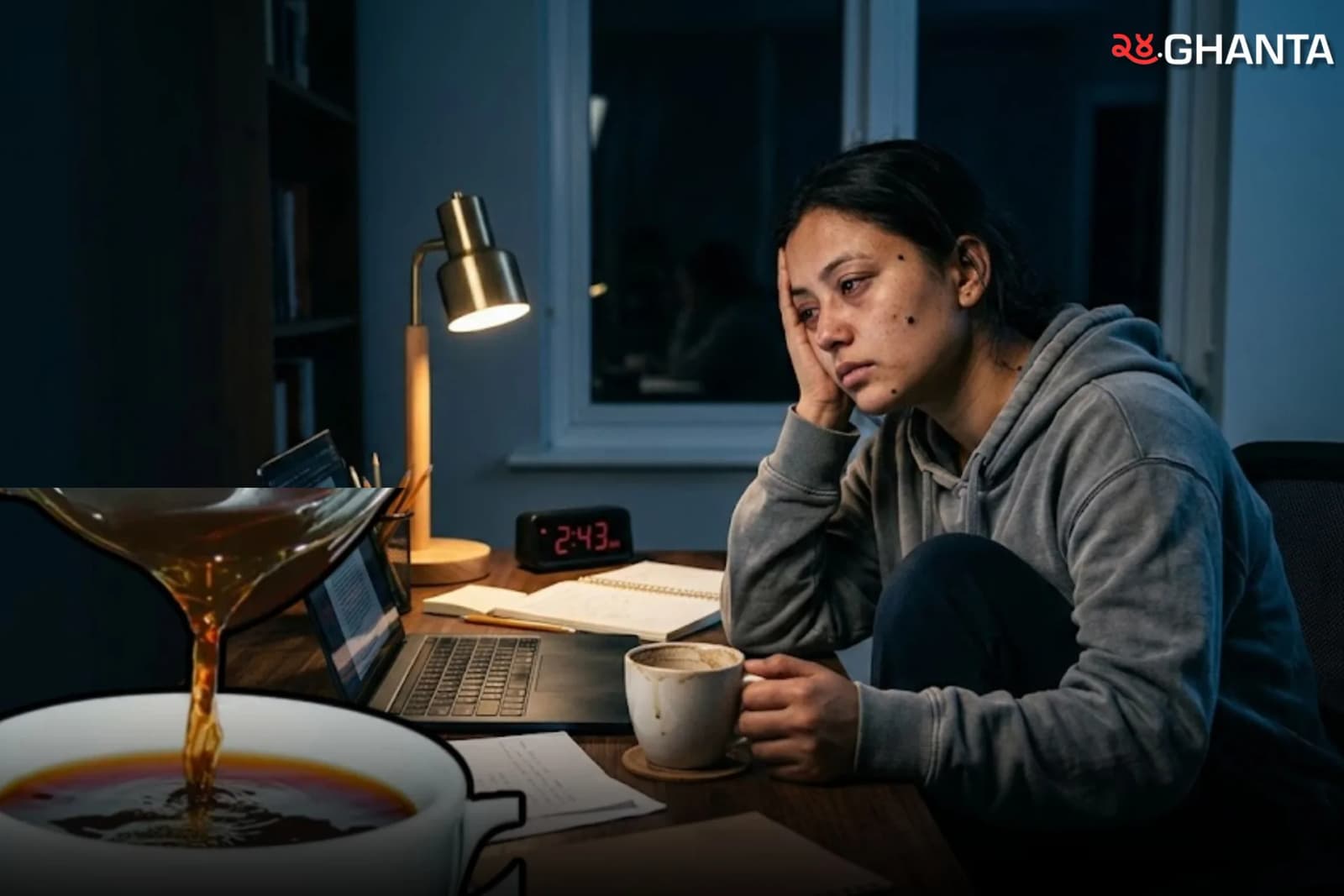
One cup to wake up. Another to stay focused. An energy drink to finish the day. Caffeine may help young people push through busy schedules, but could it also be keeping them trapped in a cycle of tiredness?
One More Coffee, One More Sleepless Night
The alarm rings at 7 a.m. You reach for your phone, check the time, and wish you could sleep for another hour. But classes are starting, assignments are waiting, or work begins soon. So you make yourself a cup of coffee.
By afternoon, the energy starts fading. Another coffee sounds tempting. Later that night, you still have things to finish, and an energy drink promises to keep you awake a little longer.

When you finally lie down, sleep does not come easily. The next morning, the same tired feeling returns. It is a routine many students and young professionals may recognize. Coffee is no longer just something to enjoy. Sometimes, it becomes something people feel they need to get through the day.
But what happens when the drink we use to fight tiredness becomes one of the reasons we are not sleeping enough?
Your Brain Feels Awake, but Your Body Still Needs Rest
Caffeine is one of the world's most widely consumed stimulants. It is found in coffee, tea, energy drinks, certain soft drinks, chocolate, and even some medications.
When we stay awake, a chemical called adenosine builds up in the brain and helps make us feel sleepy. Caffeine temporarily blocks its effects, making us feel more alert.
That explains why a cup of coffee can make an exhausting morning feel easier.
But there is a catch: caffeine does not erase tiredness or replace lost sleep. It mainly makes us feel less sleepy for a while.
According to the U.S. Food and Drug Administration (FDA), most healthy adults can generally consume up to 400 milligrams of caffeine per day without it being associated with dangerous negative effects.
However, 400 milligrams is not a daily goal or a guarantee of safety for everyone. Some people experience anxiety, headaches, or sleep problems at much lower amounts.
The Coffee You Drink Today Could Affect Tonight's Sleep
One of the most overlooked effects of caffeine is how long it can interfere with sleep.
You might drink coffee at 3 p.m., feel perfectly normal by dinner, and assume the caffeine has worn off. But its effects can last much longer than the initial feeling of alertness.
A major 2023 scientific review published in Sleep Medicine Reviews analyzed 24 studies examining how caffeine affects sleep.
The findings were striking. Across the studies, caffeine consumption reduced total sleep time by an average of 45 minutes. It also increased the time people took to fall asleep by approximately nine minutes and reduced the amount of deep sleep.
Researchers estimated that a typical cup of coffee containing around 107 milligrams of caffeine would need to be consumed approximately 8.8 hours before bedtime to avoid reducing total sleep time under the conditions they studied.
That does not mean every afternoon coffee will cost someone 45 minutes of sleep. The effect depends on the amount consumed, timing, and individual sensitivity.
Still, the research points to a familiar problem: someone drinks coffee because they did not sleep enough, then caffeine makes their next night's sleep more difficult.
And the cycle continues.
When Missing Your Daily Coffee Gives You a Headache
Have you ever skipped your regular coffee and felt unusually tired, irritated, or unable to concentrate?
It might not be just a bad morning.
Regular caffeine consumption can lead to physical dependence, meaning the body becomes accustomed to receiving caffeine.
A 2004 scientific review published in Psychopharmacology examined 57 experimental studies and nine surveys on caffeine withdrawal.
Researchers found that withdrawal symptoms often begin 12 to 24 hours after someone stops consuming caffeine. Symptoms can include headaches, fatigue, irritability, and difficulty concentrating. They generally last between two and nine days.
This helps explain why some regular coffee drinkers feel noticeably worse when they miss their usual cup.
However, physical dependence and addiction are not the same thing. A person can experience caffeine withdrawal without having a serious caffeine use disorder.
The important question is whether caffeine remains an enjoyable habit or has become something a person increasingly relies on to function.
Not All Caffeinated Drinks Are the Same
A small cup of tea and a large energy drink may both contain caffeine, but they can deliver very different amounts.
According to the American Academy of Pediatrics (AAP), some popular energy drinks contain considerably more caffeine than people might expect.
Drink | Caffeine |
Red Bull Original, 8.4 oz | 80 mg |
Monster Green OG, 16 oz | 160 mg |
Celsius Sparkling, 12 oz | 200 mg |
Bang Energy Sour Heads, 16 oz | 300 mg |
Reign Total Energy, 16 oz | 300 mg |
These figures refer to the specific products and serving sizes listed by the AAP. Ingredients and caffeine amounts may vary by market and formulation.
Some energy drinks also contain added sugar and other ingredients such as guarana, taurine, and ginseng.
For example, the AAP lists 54 grams of sugar in a 16-ounce Monster Green OG and 27 grams in an 8.4-ounce Red Bull Original.
An energy drink may look like an ordinary flavored beverage, but its caffeine content can be substantial.
What Does Research Say About Energy Drinks and Young People?
A 2024 systematic review published in Public Health examined 57 studies involving children and young people up to age 21.
Researchers found that energy drink consumption was associated with several concerning outcomes, including shorter sleep, poorer sleep quality, psychological distress, and lower academic performance.
The review also identified associations with other health and behavioral concerns.
But there is an important difference between finding a connection and proving a cause. The researchers emphasized that more long-term studies are needed to establish whether energy drinks directly cause these outcomes.
In other words, the evidence provides reasons for caution, but it does not mean every young person who drinks an energy drink will develop these problems.
Teenagers Have More to Lose Than a Good Night's Sleep
For teenagers, the concern is particularly important because their bodies and brains are still developing.
The American Academy of Pediatrics says avoiding caffeine is the best choice for children and teenagers.
Its 2025 guidance for parents explains that caffeine can contribute to a rapid or irregular heartbeat, increased blood pressure, anxiety, nausea, restlessness, and sleep loss.
The organization also reported that caffeine-related emergency department visits among U.S. middle and high school students nearly doubled between 2017 and 2023. U.S. poison control centers recorded a 24% increase in calls involving young people experiencing reactions to energy drinks in 2023.
These are U.S. figures, not statistics about Nepal.
The CDC's September 2026 guidance on adolescent sleep says teenagers generally need 8 to 10 hours of sleep each night.
Not getting enough sleep can affect concentration, emotional health, and safety.
For a student preparing for exams, staying awake for extra hours may feel productive. But sacrificing sleep repeatedly can make learning and concentrating harder the following day.
In Nepal, Is Caffeine Becoming Part of the Pressure to Keep Going?
In Nepal, drinking tea is a familiar part of daily life. Coffee is also an option for students, workers, and people meeting friends, while packaged energy drinks offer another source of caffeine.
For some, these drinks are simply enjoyable. For others, they may be a convenient response to an exhausting schedule.
Think about a college student balancing classes, assignments, and exam preparation. Or a young employee trying to stay focused after a long day.
A cup of coffee might help them feel alert for a while. But it cannot solve the underlying reasons they are tired.
There is an important reporting limitation here: the available international studies do not establish how common caffeine dependence is among young people in Nepal or whether it is increasing. Nepal-specific surveys and interviews would be needed to answer those questions.
Even without those figures, the research offers a useful reason for Nepali consumers to pay closer attention to caffeine content, serving sizes, and sleeping habits.
Nepal's Department of Food Technology and Quality Control (DFTQC) reported in October 2026 that 17 licensed industries were producing and selling energy drinks in Nepal. According to the department, laboratory tests and product labels showed that locally produced energy drinks contained less than 100 mg of caffeine per can, which it described as being within international safety standards.
However, the department also advised healthy adults not to consume more than two cans of up to 330 ml each per day. It warned that children, pregnant and postpartum women, and people sensitive to caffeine should avoid energy drinks.
How Do You Know When Coffee Is Becoming Too Much?
The warning signs are not always dramatic.
Sometimes, they are as ordinary as struggling to sleep after an afternoon coffee, feeling unusually anxious after an energy drink, or waking up tired despite spending enough time in bed.
For most healthy adults, the FDA's 400 milligram daily reference provides a general point of comparison, but individual limits can be lower.
A few simple habits can help:
Know what you are drinking. Check caffeine amounts and serving sizes rather than assuming every coffee or energy drink contains the same amount.
Pay attention to timing. Caffeine consumed later in the day may interfere with sleep even after the initial energy boost fades.
Reduce gradually if needed. Cutting back slowly can help people who experience withdrawal symptoms.
Do not use caffeine as a replacement for sleep. Rest, regular sleep schedules, and addressing the causes of persistent fatigue matter more than another energy boost.
Children and teenagers should follow the AAP's more cautious advice to avoid caffeine.
People who experience persistent insomnia, significant anxiety, or heart-related symptoms should seek medical advice. Severe symptoms after a large caffeine intake require urgent medical attention.
The Real Question Is Not About Coffee
Coffee is not the enemy.
For many adults, it is a small pleasure on a busy day. It brings people together, makes mornings more enjoyable, and can temporarily improve alertness.
The problem is when the need to stay awake begins to outweigh the need to rest.
A student drinking coffee before an exam is not automatically dependent on caffeine. Neither is an employee who enjoys a cup every morning.
But regularly sleeping too little, relying on caffeine to get through the day, and struggling to sleep again at night is a pattern worth recognizing.
Perhaps the conversation about caffeine should go beyond what is inside our cups.
It should also ask why so many people feel pressure to study longer, work later, and remain productive even when their bodies are asking for rest.
Because if coffee is what helps us survive another exhausting day, maybe the bigger question is why an ordinary day leaves us so exhausted in the first place.
Sources
1. U.S. Food and Drug Administration (FDA)
2. American Academy of Pediatrics (2025)
3. Centers for Disease Control and Prevention (2026)
4. Sleep Medicine Reviews (2023)
5. Public Health (2024)
6. Psychopharmacology (2004)
7. Journal of Clinical Sleep Medicine (2013)
8. Onlinekhabar (October 29, 2026)
Published 4 hours ago in Researched Article