
US And Venezuela Sign 100 Year Oil Deal Covering 17 Fields With 65 Billion Barrels
US And Venezuela Sign 100 Year Oil Deal Giving A US Led Company Rights To Operate 17 Oil Fields Holding About 65 Billion Barrels, With Up To $100 Billion Planned For Investment As The Agreement Faces Political And Economic Questions
· 5 min read
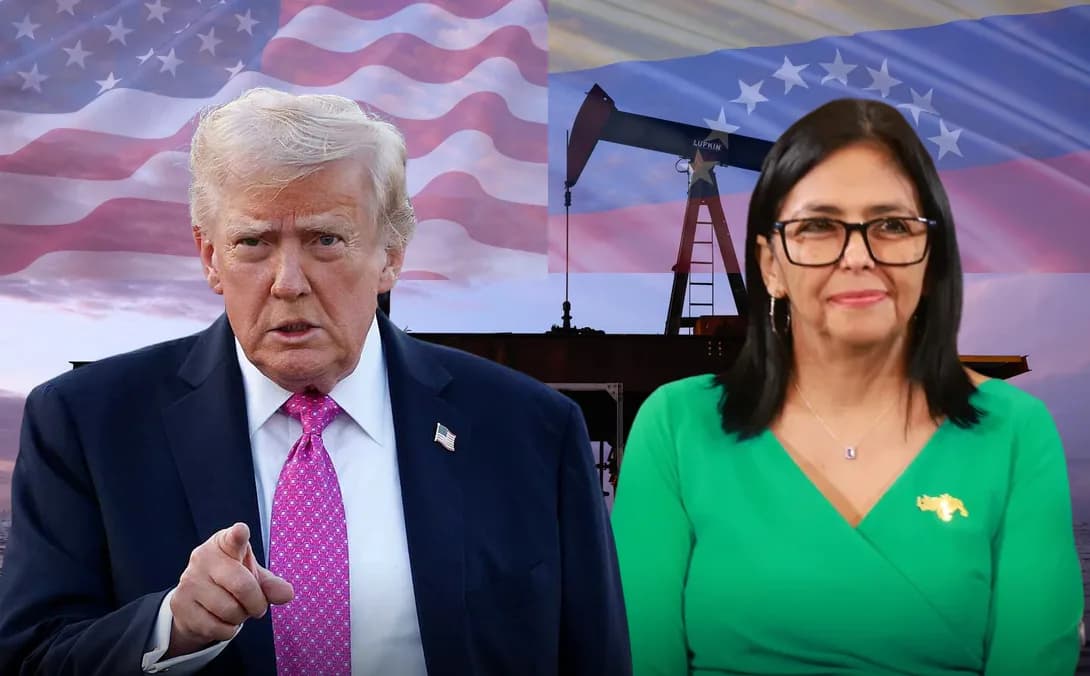
The United States and Venezuela have reached a major oil agreement that gives North American Blue Energy Partners, known as NABEP, 100 year rights to operate 17 oil fields in Venezuela containing about 65 billion barrels of proven crude oil reserves.
The agreement could bring up to $100 billion in investment to Venezuela’s struggling oil industry while giving the US government a major role in the company operating the fields. The deal has been welcomed by the governments involved, but it has also raised concerns among oil companies, political opponents and analysts over its terms and long term impact.
What Is Included In The Deal?
Under the agreement, Venezuela has granted NABEP 100 year concessions to operate 17 oil fields. The fields contain an estimated 65 billion barrels of proven oil reserves, representing more than one fifth of Venezuela’s roughly 304 billion barrels of proven reserves.

NABEP plans to invest up to $100 billion to repair oil infrastructure, increase production and develop the fields. Years of low investment and poor infrastructure have left many Venezuelan oil fields producing far below their potential.
The White House says the project could generate around $200 billion in royalty and tax payments for Venezuela during the first 25 years as production increases.
US Government Gets Major Role
The agreement gives the US government significant influence over NABEP.
The US Department of War’s Office of Strategic Capital will receive rights to a 35 percent stake in NABEP’s corporate parent. The US government will also have veto power over appointments to NABEP’s board, while most board members must be US citizens.
The US State Department will have the right to purchase 20 percent of the oil produced from NABEP operated fields at production cost. It will also receive the first opportunity to purchase the remaining production before it is sold elsewhere.
The arrangement gives Washington access to a major source of crude oil close to the United States without directly taking ownership of Venezuela’s underground oil reserves.
Trump Calls It A Historic Agreement
US President Donald Trump has described the agreement as the biggest oil deal in world history and says it will strengthen US energy security.
The Trump administration argues that expanding Venezuelan production could provide US refineries with a more secure supply of crude oil while supporting investment and jobs in both countries.
Venezuela has some of the world's largest proven oil reserves, but its production has fallen sharply from previous levels after years of low investment, political problems, sanctions and deterioration of oil infrastructure.
US Energy Secretary Chris Wright said this week that agreements with foreign energy companies could more than double Venezuela's current oil production over the next few years.
Venezuela Expects Major Investment
Venezuelan interim President Delcy Rodriguez has presented the agreement as an opportunity to rebuild the country’s most important industry while maintaining Venezuelan ownership of its natural resources.
Venezuelan officials say the country continues to own its petroleum resources despite giving NABEP long term rights to operate the fields.
The agreement comes as Venezuela tries to attract billions of dollars needed to repair wells, pipelines, electricity systems, storage facilities and other oil infrastructure.
The country produced more than 3 million barrels of oil per day around the beginning of this century, but output later fell dramatically. Production recovered to around 1.1 million barrels per day in 2025, still far below its previous levels.
Deal Faces Strong Criticism
Despite the promised investment, the agreement has raised serious concerns.
Some oil industry executives and advisers are questioning whether other companies will be able to compete fairly with NABEP because of the US government's involvement in the company and its special rights under the agreement.
Major international companies could also be cautious about investing billions of dollars in Venezuela without strong guarantees that contracts and operating conditions will remain stable in the future.
Analysts say Venezuela needs large amounts of foreign investment to rebuild its oil industry, meaning an agreement that discourages other investors could create problems for the country's wider recovery.
Political Questions Remain
The deal is also facing political questions over the US government's unusually direct role in a private oil company operating Venezuelan resources.
The agreement comes during a major political transition in Venezuela following the removal of former President Nicolas Maduro from power in January.
Opposition figures have questioned the legitimacy of major long term agreements being made before Venezuela completes its political transition and holds new elections.
The Trump administration says economic stability and recovery are important steps toward an eventual democratic transition in Venezuela.
Will The Deal Lower Oil Prices?
The agreement could eventually increase the amount of Venezuelan oil reaching international markets, but experts caution that significant increases in production will take time.
Much of Venezuela's oil infrastructure requires extensive repairs and new investment. Developing the fields will require improvements to wells, pipelines, power supplies, storage facilities and ports.
This means consumers should not expect the full impact of the 65 billion barrel agreement immediately.
If Venezuela successfully increases production over the coming years, however, the additional supply could strengthen US energy security and add more crude oil to the global market.
For both Washington and Caracas, the agreement represents a major change in their oil relationship. Whether it delivers the promised investment, production and economic benefits will depend on how quickly Venezuela's oil industry can be rebuilt and whether the deal can maintain political and investor support over the long term.
Published Sep 3 in World