
Why Do We Feel So Lonely When We’re More Connected Than Ever?
Loneliness can exist even when we are constantly connected through phones, social media, and crowded communities. Research suggests meaningful relationships depend less on how many people we contact and more on genuine interaction, presence, and a sense of belonging. Regular face to face activities, shared routines, and honest conversations can help turn everyday contact into deeper connections.
· 7 min read
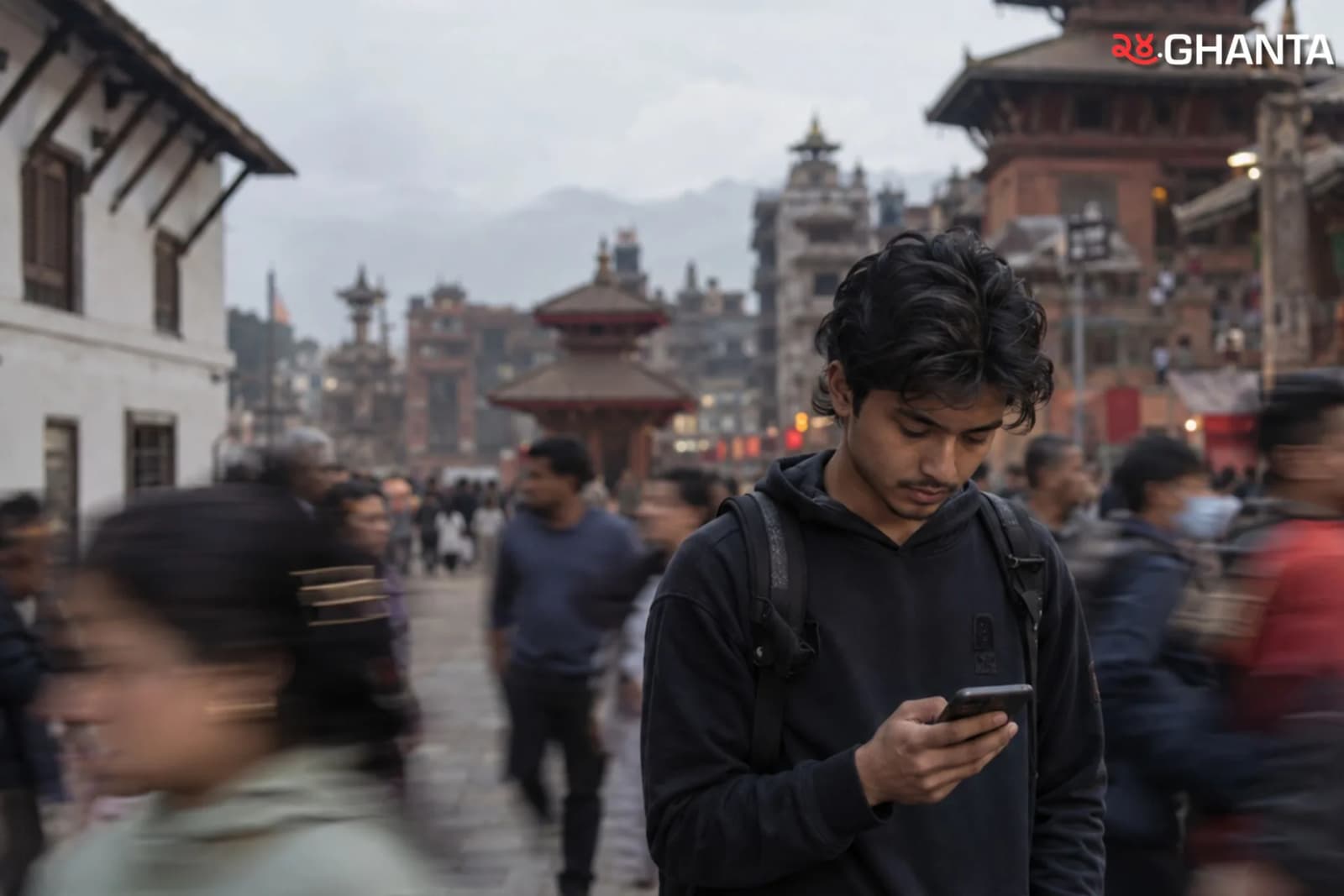
You can message someone on the other side of the world in seconds.
You can see what your old school friend ate for dinner, know where someone traveled last weekend and send ten reels to your best friend before breakfast.
Yet sometimes, when something actually goes wrong, you open your contacts and wonder:

Who can I really call?
That contradiction is becoming difficult to ignore. The World Health Organization estimates that about one in six people worldwide experiences loneliness, with young people reporting some of the highest rates.
Maybe We’re Confusing Contact With Connection
Loneliness does not simply mean being alone.
WHO defines it as the distressing feeling that comes from a gap between the social relationships we have and the relationships we want or need.
That explains why someone can have coworkers, classmates, family, followers and several active group chats and still feel lonely.
You might know a lot of people.
But how many people really know you?
WHO Director General Dr. Tedros Adhanom Ghebreyesus described this contradiction in 2025: “Even though we are more connected through technology and social media than ever before, many people still feel isolated and alone.”
So, Is Your Phone Making You Lonely?
Not necessarily.
And this is where the research becomes more interesting than simply saying, “social media is bad.”
A 2026 systematic review and meta analysis examined 59 studies involving 81,344 adolescents and young adults. It found only a small relationship between the amount of time spent on social media and loneliness.
The stronger association was with problematic social media use when the way someone uses social media becomes difficult to control or begins interfering with normal life.
So perhaps the better question is not:
“How many hours are you online?”
It is:
“What is being replaced online?”
A video call with your parents abroad can create genuine connections. A group chat can keep childhood friendships alive.
But scrolling while sitting beside the friend you have not seen for three months is something different.
We Can Reach Friends Faster but Are We Seeing Them Less?
One U.S. finding makes this contradiction especially striking.
Americans spent an average of about 60 minutes a day socializing with friends in person in 2003. By 2020, that had fallen to around 20 minutes.
Among 15 to 24 year olds, in person time with friends fell by nearly 70% over roughly the same period.
These are U.S. figures, so they should not be treated as Nepali statistics. But they show something worth thinking about:
Having more ways to communicate does not necessarily mean spending more time together.
Maybe you recognize the smaller version of this.
“We should meet soon.”
“Definitely.”
Then nobody chooses a day.
Three months later, the friendship is mostly birthday wishes and reels.
Nobody stopped caring.
Life just kept postponing the friendship.
A Crowded City Can Still Feel Lonely
Here is another surprising finding.
Researchers followed 756 people using a smartphone app and collected more than 16,000 real time assessments of their surroundings and feelings.
They found that feelings of loneliness were associated with overcrowding and higher population density.
So being surrounded by people does not automatically create belonging.
Interestingly, feeling socially included and having contact with nature were associated with lower feelings of loneliness.
That can make sense to anyone who has moved to a new city.
You can spend the entire day surrounded by traffic, coworkers, students, customers and strangers and still return to your room feeling like you did not really connect with anyone.
Starting Again Somewhere New Is Hard
Moving can make loneliness especially noticeable.
Maybe you came to Kathmandu for college.
Maybe you moved here for work.
Maybe you left Nepal entirely.
Back home, friendships often require little effort. Someone knows your family. Someone remembers what you were like at 15. Someone can appear at your house without arranging it a week in advance.
Then you move somewhere new and suddenly have to build all of that again.
WHO specifically identifies moving and other major life changes as factors that can contribute to loneliness.
But there is another side to this:
The student sitting beside you may also be new.
The coworker eating lunch alone may also be waiting for somebody to invite them.
Sometimes two people who want connection are sitting beside each other, both waiting for the other person to start.
Kathmandu May Already Be Showing One Way Back
Look at Kathmandu's growing running club culture.
A July 2026 Kathmandu Post report found that young people are joining running clubs for more than exercise.
Kabita Kharel, founder of Revive Fitness, told the Post that many young adults spend long hours working, studying and online. Running groups give them opportunities to meet people with similar interests, make friends and build a routine.
For some, the community eventually becomes as important as the exercise itself.
Friendship does not always begin with a deep conversation. Sometimes it starts with something as simple as, “Are you coming next Saturday?” You run together once, then again. Familiar faces turn into conversations, and conversations slowly turn into friendships. Connection often grows because people keep showing up.
You do not have to join a running club. Take a short hike, play football, join a cycling group, volunteer, take a class, or simply meet someone for tea. If you are new to a city, joining something regular can make it easier to build real relationships over time.
And sometimes, connection also needs a little honesty. When someone asks, “How are you?” maybe every once in a while, answer with something more real than “good.” You do not have to share everything, but letting someone see a little more of the real you can open the door to a deeper conversation.
So next time you and a friend say, “We should do something soon,” make the plan. Pick the trail. Get coffee. Join the run. Invite the new person. And when you finally meet, leave the phone in your pocket for a while.
We probably do not need hundreds more people knowing what we posted today.
We need a few more people who know how we are actually doing.
Connection Still Needs Us
Maybe loneliness today is not simply about having too few people around us. It may be about having fewer moments where we feel truly seen, heard, and understood.
Technology has made reaching people easier than ever, but meaningful connection still takes time, honesty, and presence. It takes showing up, making the plan, listening a little longer, and sometimes being brave enough to say how we are actually doing.
So the next time you think, “We should meet sometime,” do not leave it there.
Choose the day.
Because sometimes the answer to feeling more connected is not finding more people.
It is spending more real time with the people already within reach.
Sources & References
World Health Organization (WHO). Commission on Social Connection. 2025.
World Health Organization (WHO). Social Connection: Questions and Answers.
Social Psychiatry and Psychiatric Epidemiology. Systematic Review and Meta Analysis on Social Media Use and Loneliness Among Adolescents and Young Adults. 2026. PubMed PMID: 42479167.
Office of the U.S. Surgeon General. Our Epidemic of Loneliness and Isolation: The U.S. Surgeon General’s Advisory on the Healing Effects of Social Connection and Community. 2023.
Scientific Reports. Lonely in a Crowd: Investigating the Association Between Overcrowding, Social Inclusion, Nature and Loneliness Using Real-Time Smartphone Data. 2021.
World Health Organization (WHO). From Loneliness to Social Connection: Charting a Path to Healthier Societies. 2025.
The Kathmandu Post. Jony Nepal. “For Kathmandu’s Youths, Running Is About More Than Fitness.” July 21, 2026.
BBC Future. Matt Warren. “Why Do I Feel So Lonely Even Though I’m Surrounded by People?” January 8, 2025.
Published 2 hours ago in Researched Article