
Bought It Online, But Who Is Responsible? What Nepal’s E-Commerce Law Means for You
Nepal’s Electronic Commerce Act, 2081 (2025) gives online shoppers clearer rights when products differ from what sellers advertised. Buyers may return goods that do not match their description and can receive a refund if they do not want a replacement. The law also sets responsibilities for sellers and platforms covering product information, delivery, complaints, returns, and misleading practices.
· 8 min read
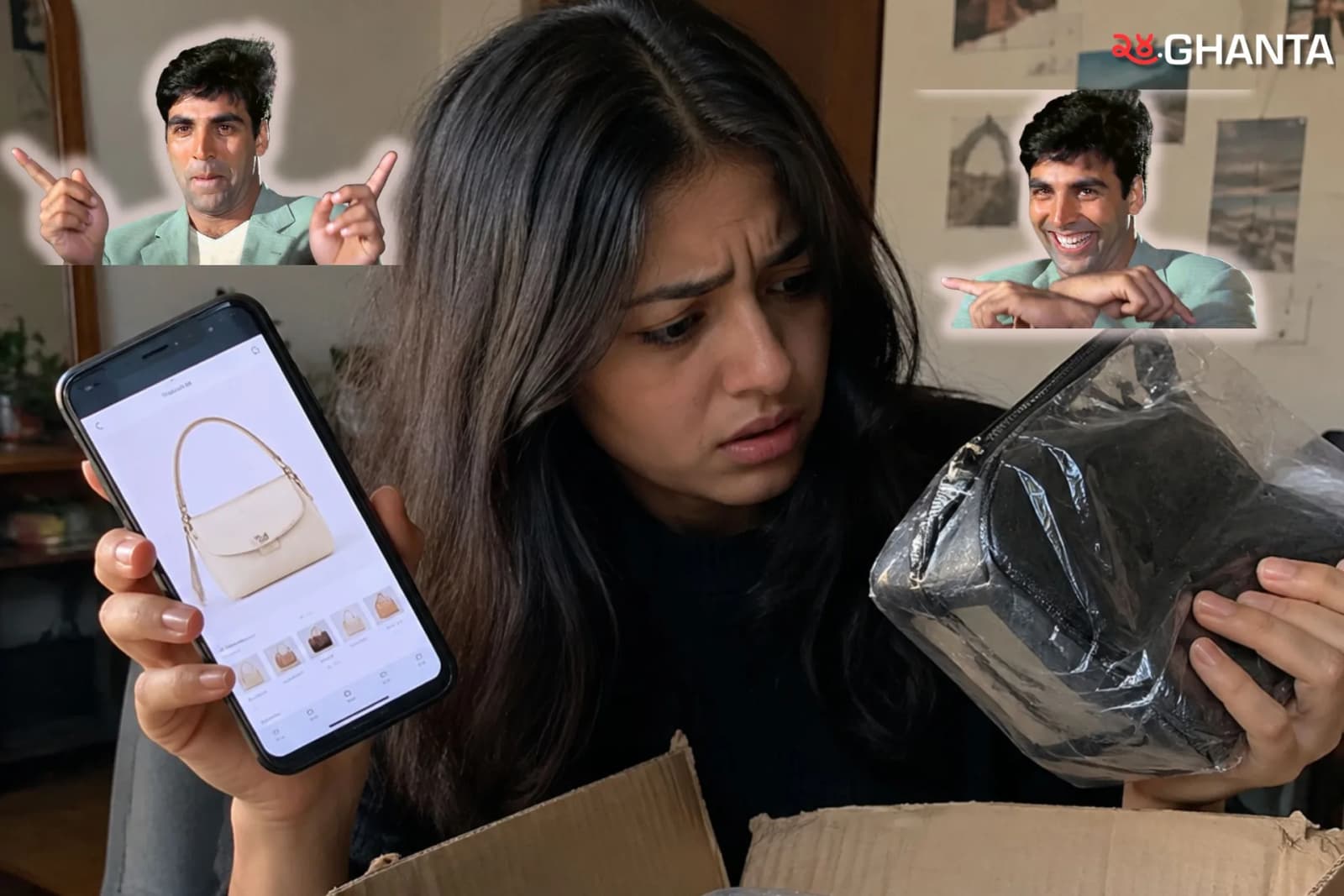
A new pair of shoes looked perfect in an online advertisement.
The pictures showed the exact color, design and quality you wanted. You placed the order, made the payment and waited for delivery.
But when the package arrived, something felt wrong.

The color was different.
The material did not look the same.
The product was not what was shown online.
You contact the seller hoping for a solution, but the reply is simple:
“No return. No refund.”
For many online shoppers in Nepal, this experience is not unfamiliar.
As online shopping platforms, social media sellers and digital marketplaces continue to grow, customers are increasingly buying products without physically seeing or touching them before payment. While this has made shopping easier, it has also created new challenges from misleading product images and fake reviews to delayed deliveries, unclear refund policies and difficulty identifying who is responsible when something goes wrong.
To bring more structure to Nepal’s growing digital marketplace, the government introduced the Electronic Commerce Act, 2081 (2025).
The Act, enacted on March 16, 2025, creates rules for businesses involved in online buying and selling and defines responsibilities for sellers, online platforms, delivery services and buyers. The law aims to make online transactions more transparent by requiring businesses to provide important information, protect consumer interests and create systems for handling complaints.
The Act applies throughout Nepal and also covers certain businesses outside Nepal that provide goods or services to customers in Nepal through electronic commerce.
But for an ordinary customer sitting at home and ordering something from a phone, the biggest question remains:
What happens when an online purchase goes wrong?
Before You Click “Buy Now,” Can You Know Who You Are Buying From?
When shopping online, many people make decisions based on two things: A picture and a price.
But before paying, customers often do not know:
Who is selling the product?
Is the business registered?
Is the displayed price the final price?
Can the product be returned?
Who should they contact if there is a problem?
To reduce this uncertainty, the Electronic Commerce Act requires businesses to provide clear information about themselves and their products.
Under Section 4, businesses conducting e-commerce must disclose important details on their platform, including their business name, address, registration information, PAN/VAT details, contact information and grievance handling details.
This means customers should not only look at the product but also check whether the seller provides enough information to identify the business behind the transaction.
What Information Should an Online Seller Provide Before Selling?
A product photo alone does not always tell the complete story.
A customer should know exactly what they are paying for.
According to Section 6 of the Electronic Commerce Act, businesses must disclose important information about goods and services offered online.
This includes product details such as:
Name, design, features and specifications
Product images and identifying details
Final price including taxes
Delivery charges
Delivery time
Payment methods
Warranty and guarantee conditions
Return conditions
Manufacturer or service provider details
Country of production for imported goods
Complaint and feedback mechanisms
Before paying, customers should not only ask:
“Do I like this product?”
They should also ask:
“Do I know exactly what I am buying?”
Saving screenshots of product pages, prices and return policies can help if a disagreement happens later.
Is Your Online Purchase Legally Valid?
Many people think an online order is just a message exchange or a simple payment.
However, the Electronic Commerce Act recognizes online transactions as valid agreements.
According to Section 7, transactions between buyers and businesses or sellers through electronic means are considered valid contracts, and both sides are responsible for fulfilling their obligations.
The agreement should include important conditions related to:
Delivery
Cancellation
Return
Exchange
Warranty
Guarantee
Refund
When you click “Buy Now,” you are not just placing an order. You are entering an agreement where both sides have responsibilities.
You Ordered One Thing Another Thing Arrived. What Are Your Options?
One of the biggest problems in online shopping is the gap between what customers see online and what arrives at their doorstep.
You order a black jacket. A blue one arrives. You purchase a phone after checking its features. A different model is delivered. You buy a product advertised as original. The delivered item raises questions about its authenticity.
In these situations, the issue is not simply that the customer changed their mind. The question is whether the product matches what was promised before purchase.
According to Section 10 of the Electronic Commerce Act, if goods or services purchased online do not match the description provided by the business, buyers may return them without using or damaging them. The business must accept the return, and if the buyer does not want a replacement, the payment including applicable taxes must be refunded.
“No Refund, No Return.” Does That End the Conversation?
Many online sellers display:
“No refund.”
“No exchange.”
But such statements do not automatically answer every consumer complaint.
The law requires businesses to clearly provide information about return conditions before purchase.
Under Sections 15 and 16, sellers and e-commerce businesses have responsibilities when products do not match displayed information, are defective or are delivered later than agreed.
However, this does not mean every product can be returned simply because a customer changes their mind.
There is an important difference between:
“I do not like this product anymore.”
and
“This product is not what was promised online.”
Your Package Is Late. Who Is Responsible: Seller or Courier?
Late delivery is another common frustration. A customer waits days or weeks and receives a reply: “The courier delayed it. Contact them.”
But according to Section 18, when delivery of goods or services is part of the agreement, the responsibility to deliver according to the agreed person, place and time remains with the business.
The business may hire a delivery service provider, but this does not automatically remove its responsibility toward the buyer.
The courier may carry the package, but the customer purchased it from the seller.
When an Online Platform Says, “We Only Connect Buyers and Sellers”
Many online marketplaces connect customers with sellers without directly manufacturing products.
This creates a common question:
If something goes wrong, who is responsible?
The Act recognizes different roles, including sellers, intermediary businesses and list-based e-commerce businesses.
But a platform cannot always avoid responsibility by saying:
“We did not make the product.”
According to Section 20, a business cannot avoid addressing complaints only because it did not manufacture, import or directly provide the goods or services sold through its platform.
The responsibility depends on the role the business plays in the transaction.
Can Fake Reviews and Misleading Ads Influence Buyers?
Online shoppers often depend on:
Reviews
Product photos
Descriptions
But fake reviews can create a false impression.
According to Section 15(c), list-based e-commerce businesses cannot create fake reviews, ratings or feedback by pretending to be customers.
Similarly, Section 16(f) prevents sellers from creating fake reviews by presenting themselves or others as fake customers.
The Act also prohibits unfair trade or commercial practices.
Under Section 19, sellers and businesses involved in e-commerce cannot engage in practices considered unfair under existing laws.
What Happens If a Business Violates These Rules?
The Act also includes penalties for certain violations.
Under Section 21, operating without required platforms, failing to disclose product information or violating certain responsibilities can be considered offences under the Act.
Depending on the violation, Section 22 allows fines ranging from Rs. 20,000 to Rs. 1 lakh.
For more serious violations covered under Section 23, penalties may include fines from Rs. 50,000 to Rs. 5 lakh, imprisonment from six months to three years, or both.
What If You Have a Complaint?
If something goes wrong with an online purchase, customers should keep evidence.
Save:
Product screenshots
Payment receipts
Order confirmations
Seller conversations
Delivery details
Photos/videos of received products
According to Section 28, complaints about violations of the Act can be submitted to the Director General or Inspection Officer with available information or evidence, including through electronic means.
Under Section 33, buyers can submit complaints to the business through electronic means, writing or in person. The business must register the complaint and provide a decision within 15 days.
Is Your Personal Information Safe While Shopping Online?
Online shopping requires customers to share personal details such as names, addresses and contact information.
According to Section 12, businesses must maintain confidentiality of personal information related to electronic commerce and cannot disclose or use it except as permitted by law.
Online Shopping Is Convenient. Knowing Your Rights Makes It Safer
Online shopping has changed how people in Nepal buy products and services.
With a few clicks, customers can order products from their phones, but digital convenience also brings new challenges.
Nepal’s Electronic Commerce Act, 2081 (2025) does not mean every online shopping problem will disappear instantly. However, it creates clearer responsibilities for businesses, sellers and platforms by setting rules on product information, contracts, returns, delivery, complaints, misleading practices and consumer protection.
Before clicking “Buy Now,” check the seller details, understand return conditions, save payment records and keep communication with sellers.
Because online shopping is not only about receiving a package.
It is also about knowing what was promised, who is responsible and what options buyers have when expectations are not met.
Sources
Nepal Law Commission Electronic Commerce Act, 2081 (2025)
Pioneer Law Associates E-Commerce Act, 2025 Analysis
Published 1 hour ago in Researched Article