24 Ghanta

Search

22 results for "Foreign Minister"

Over 800 Rare Nepali Documents Return Home After Decades in German Collection

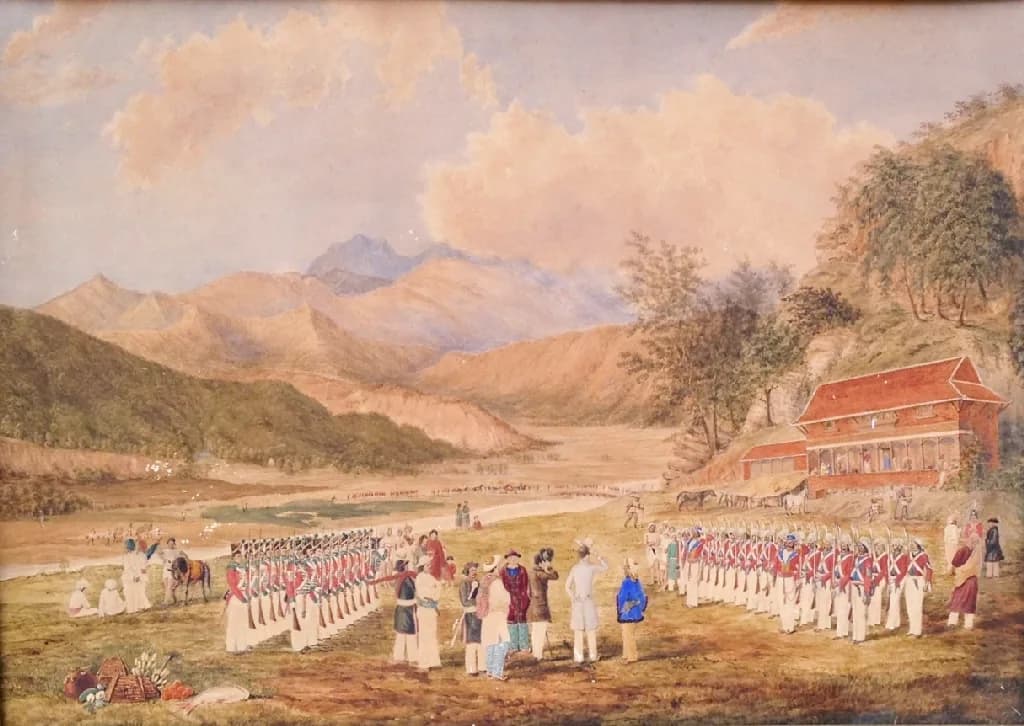
More than 800 historical Nepali manuscripts and documents dating from the 13th to the 20th century have been formally handed over to Nepal’s National Archives after decades in the private collection of German collector Josef Peter Rindfleisch. The archive includes centuries-old palm-leaf records, royal orders, legal documents, manuscripts and travel accounts that provide valuable evidence of Nepal’s political, legal, social and cultural history.

5 days ago

Centuries Of History Return Home

What Did Nepal Tell the World? Foreign Minister Briefs Parliament on UNGA Mission

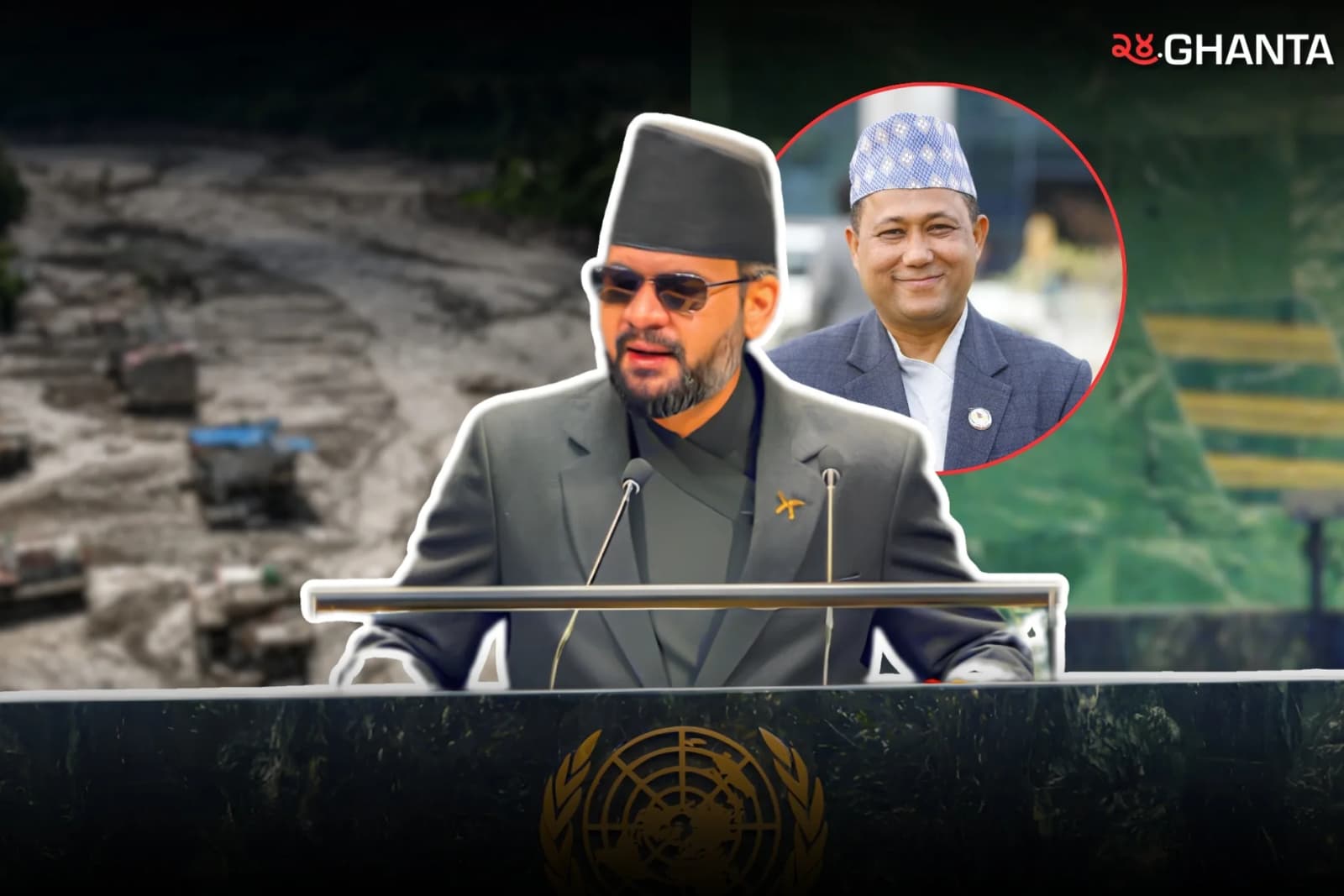
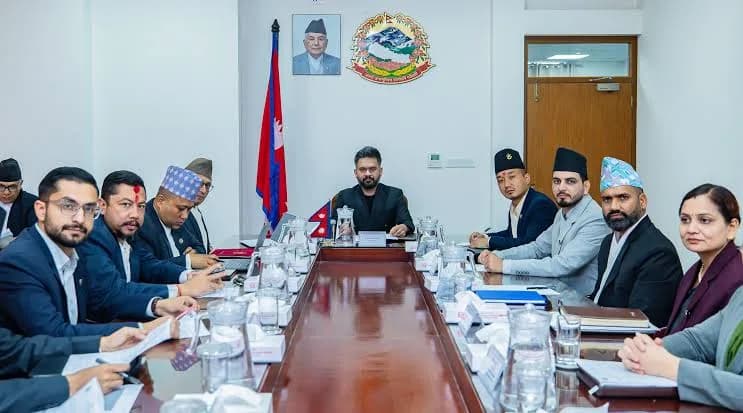
Foreign Minister Shisir Khanal briefed the House of Representatives on October 2 about Nepal’s participation in the 81st United Nations General Assembly, saying Prime Minister Balendra Shah’s address helped push Nepal’s call for climate justice at the global level. Nepal’s delegation also used meetings in New York to raise the country’s climate risks, recent disaster losses, reconstruction needs and other national priorities with international partners.

5 days ago
Nepal Takes Climate Case Global

From Bhote Koshi to New York: PM Shah Takes Nepal’s Climate Case to the UN

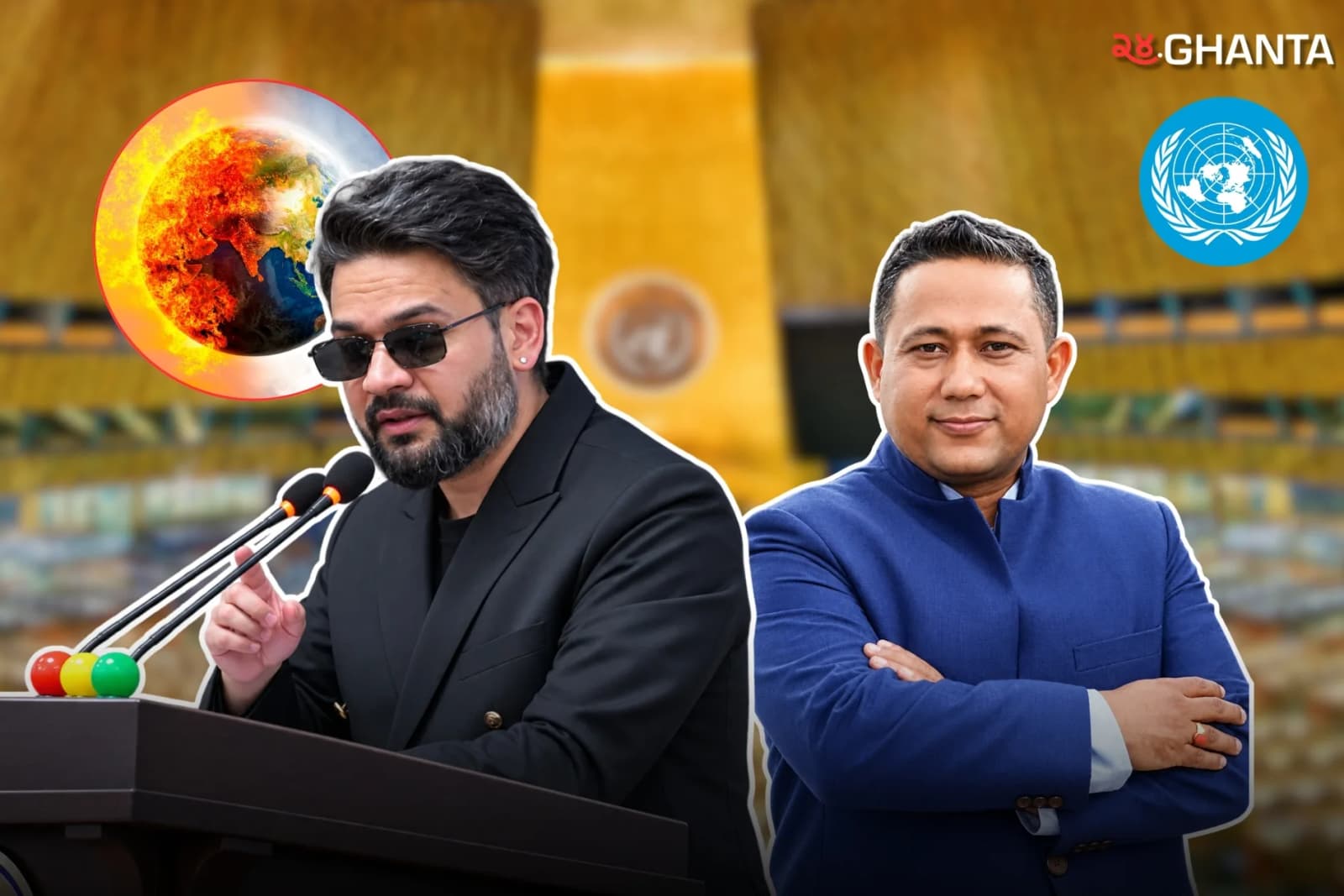
Prime Minister Balendra Shah is leaving for New York on September 22 to lead Nepal’s delegation to the 81st United Nations General Assembly, marking his first foreign trip since taking office in March. Shah will address the General Debate on September 24, where Nepal will highlight climate justice, climate-related losses and the need for stronger international support for vulnerable countries.

Sep 22
Shah Takes Nepal’s Climate Case

From Sagarmatha to the Sea: Nepal Will Take Its Climate Crisis to the United Nations

Nepal will host “Sagarmatha to the Sea: A Call to Action for a Climate-Resilient Future” on the sidelines of the 81st United Nations General Assembly in New York, highlighting the growing impact of climate change on the Himalayan region and vulnerable communities. The event will form part of Nepal’s wider international push for climate justice, Loss and Damage support, accessible climate finance and stronger support for climate-resilient development.

Sep 13
Nepal Takes Himalayas To UN

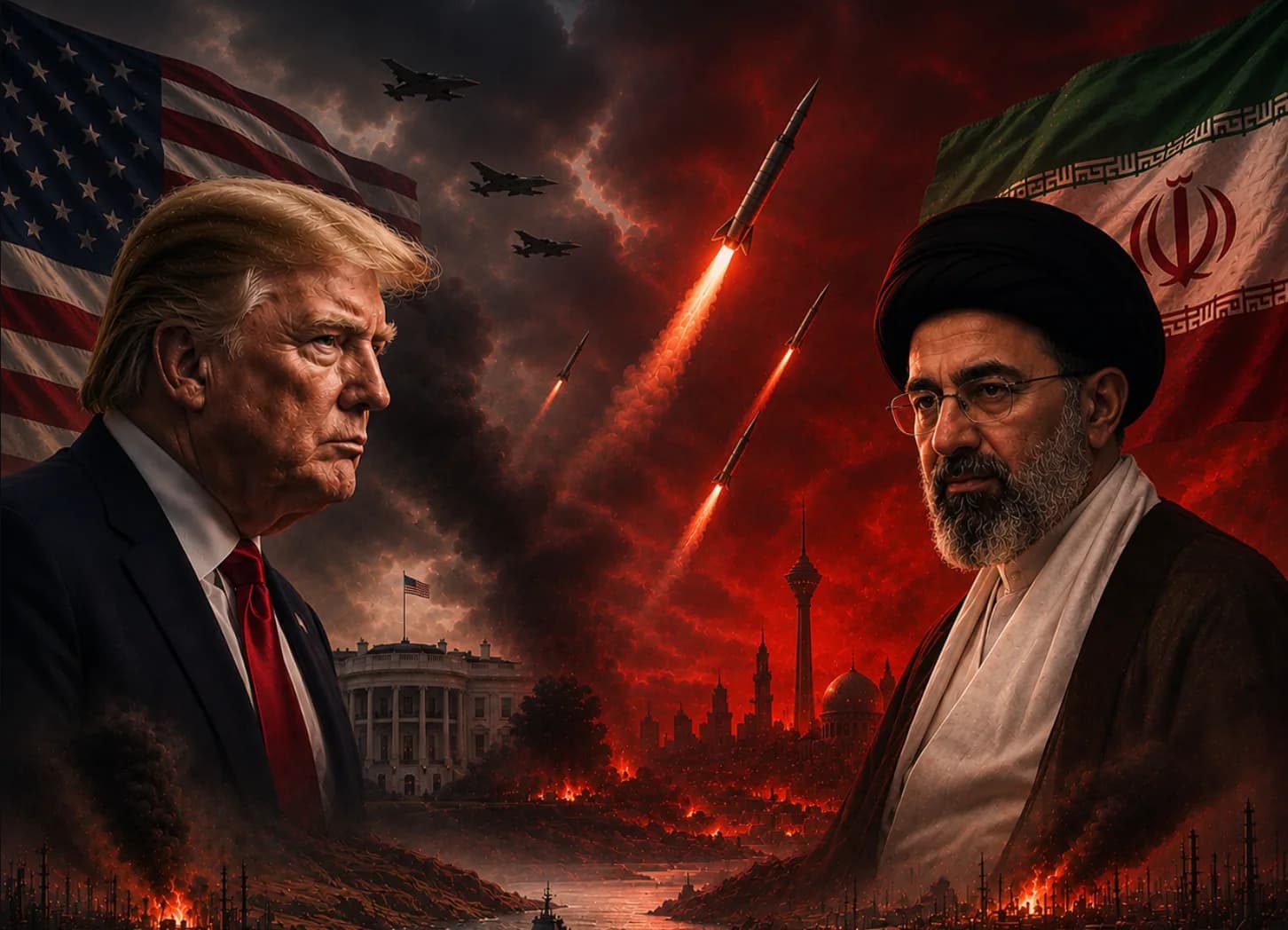
US Launches Airstrikes Across Iran After Strait Of Hormuz Ship Attacks

The United States has launched a new wave of large scale airstrikes across Iran after three commercial ships were attacked while passing through the Strait of Hormuz, sharply increasing tensions between Washington and Tehran and raising concerns over regional security and global energy supplies. According to the US Central Command (CENTCOM), the strikes were carried out after three commercial vessels with civilian crews came under attack while transiting the strategic waterway. The United States blamed Iran for the attacks and said the military operation was intended to protect freedom of navigation and hold Tehran accountable. Iranian officials have not confirmed or denied responsibility for the attacks on the ships. CENTCOM said US forces struck more than 80 military targets across Iran using precision weapons. The targets included air defense systems, command and control facilities, coastal radar installations, anti ship missile systems, missile related infrastructure, and more than 60 small boats linked to Iran's Islamic Revolutionary Guard Corps (IRGC). US officials described the operation as one of the largest military actions since the latest round of fighting began. Iranian state media reported explosions in several strategic locations, including Sirik, Bandar Abbas, Qeshm Island, and Kharg Island. Reports from Iranian media said several people were injured after debris struck parts of the Sirik commercial port. Iran's state broadcaster also claimed that many of the US strikes hit civilian areas, although the United States has not commented on that allegation. Iran strongly condemned the US operation. The Khatam al Anbiya Central Headquarters described the strikes as a blatant act of aggression and warned that Iran's armed forces would deliver what it called a strong response. The military also repeated that it would not accept outside interference in the Strait of Hormuz and said commercial shipping should use routes designated by Iran. Iranian Parliament Speaker Mohammad Bagher Ghalibaf accused Washington of violating previous understandings between the two countries and said Iran would not yield to pressure. Foreign Minister Abbas Araghchi also said Iran would not enter negotiations while facing military threats, adding that the United States should first respect earlier agreements before any future talks could move forward. The latest escalation has also affected economic relations. The United States announced that temporary relief from restrictions on Iranian oil exports would end on July 17, restoring tighter measures on Iran's oil trade. US officials said the decision was linked to the latest developments in the Strait of Hormuz and formed part of Washington's broader response to the crisis. Global energy markets reacted quickly to the renewed tensions. Crude oil prices rose by about 2.7 percent to around 72.40 dollars per barrel as investors weighed the possibility of further disruption in one of the world's most important energy shipping routes. The Strait of Hormuz carries a significant share of global oil exports, and any military confrontation in the area has the potential to affect fuel prices and international trade. As tensions continued to rise, Bahrain activated air raid sirens and advised residents to remain calm and move to safe locations as a precaution. Reports also indicated increased military activity across parts of the Gulf region, highlighting fears that the conflict could spread beyond the immediate area. The latest exchange comes despite previous diplomatic efforts aimed at reducing hostilities between the United States and Iran. Analysts say the renewed military action has placed those efforts under severe strain and warned that further retaliation by either side could increase the risk of a wider regional conflict. Governments and financial markets around the world are now closely watching for further military developments as well as any renewed diplomatic efforts to prevent another major escalation.

Jul 8
US Iran War

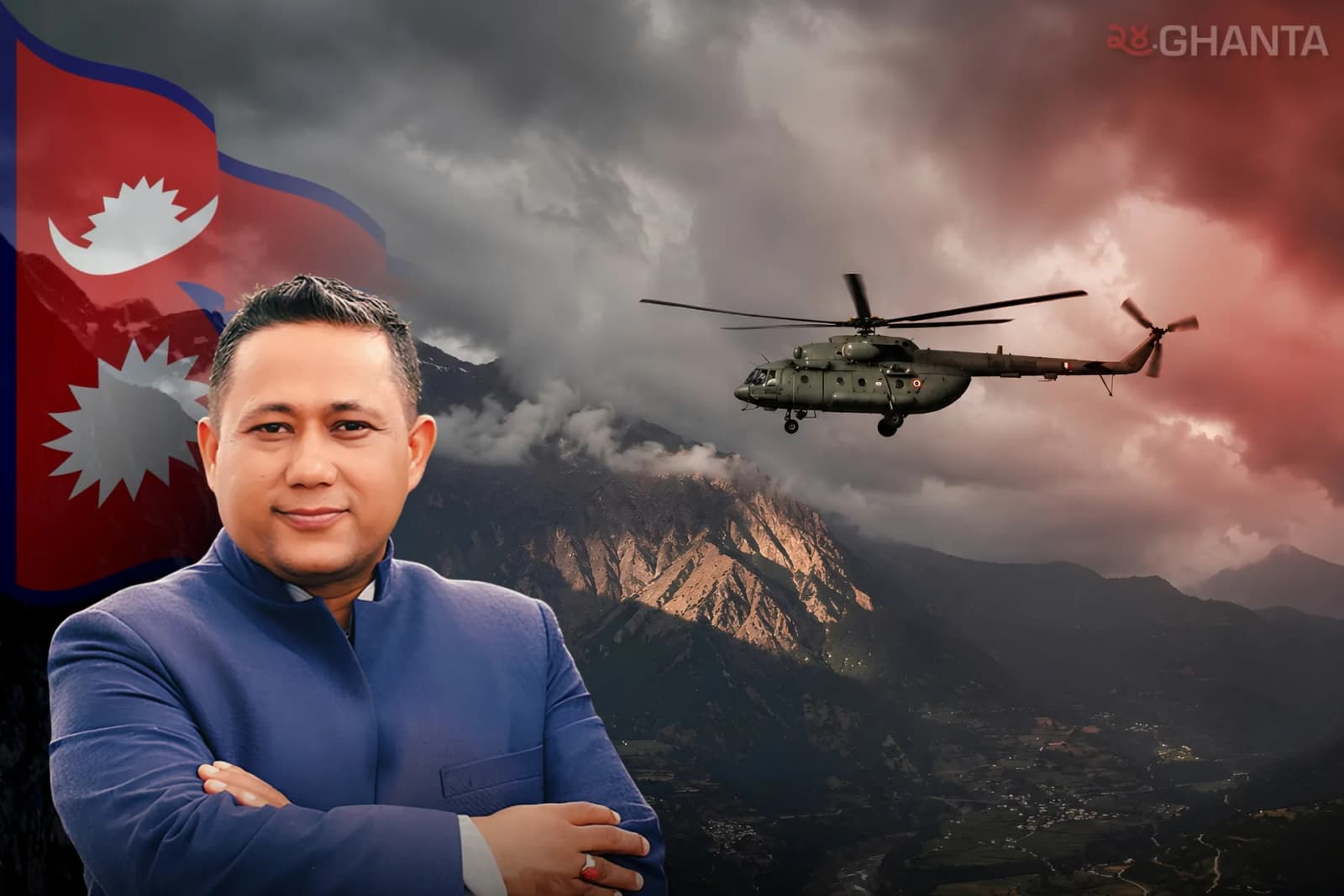
Indian Helicopter Airspace Entry Explained

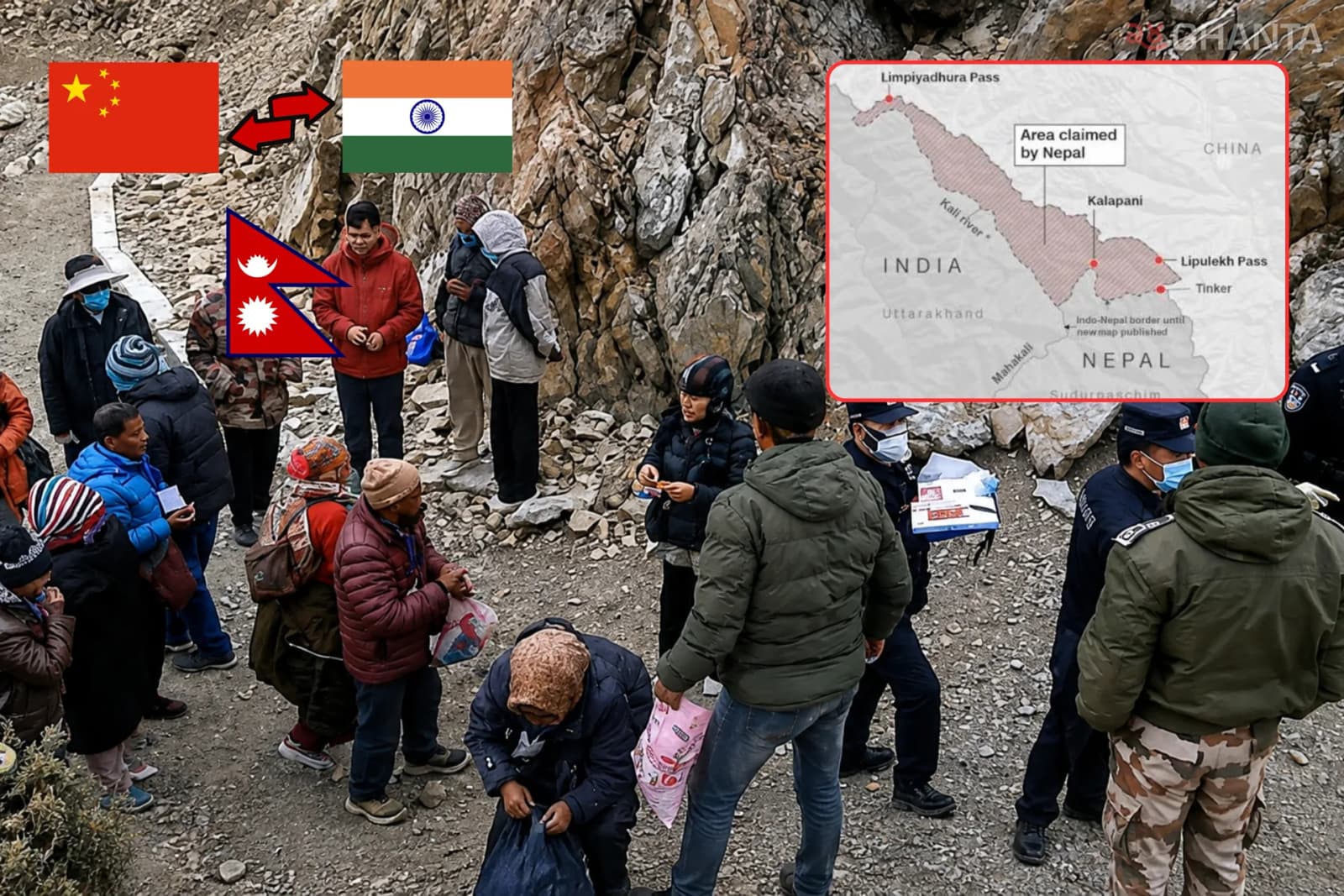
Foreign Minister Shishir Khanal said an Indian helicopter entered Nepali airspace in Darchula because of bad weather and poor visibility, not because of any planned or harmful intention. He added that Nepal is coordinating with India while continuing diplomatic efforts to resolve border issues in Susta, Kalapani, Limpiyadhura and Lipulekh.

Jul 1
Weather Pushed Helicopter Into Nepal

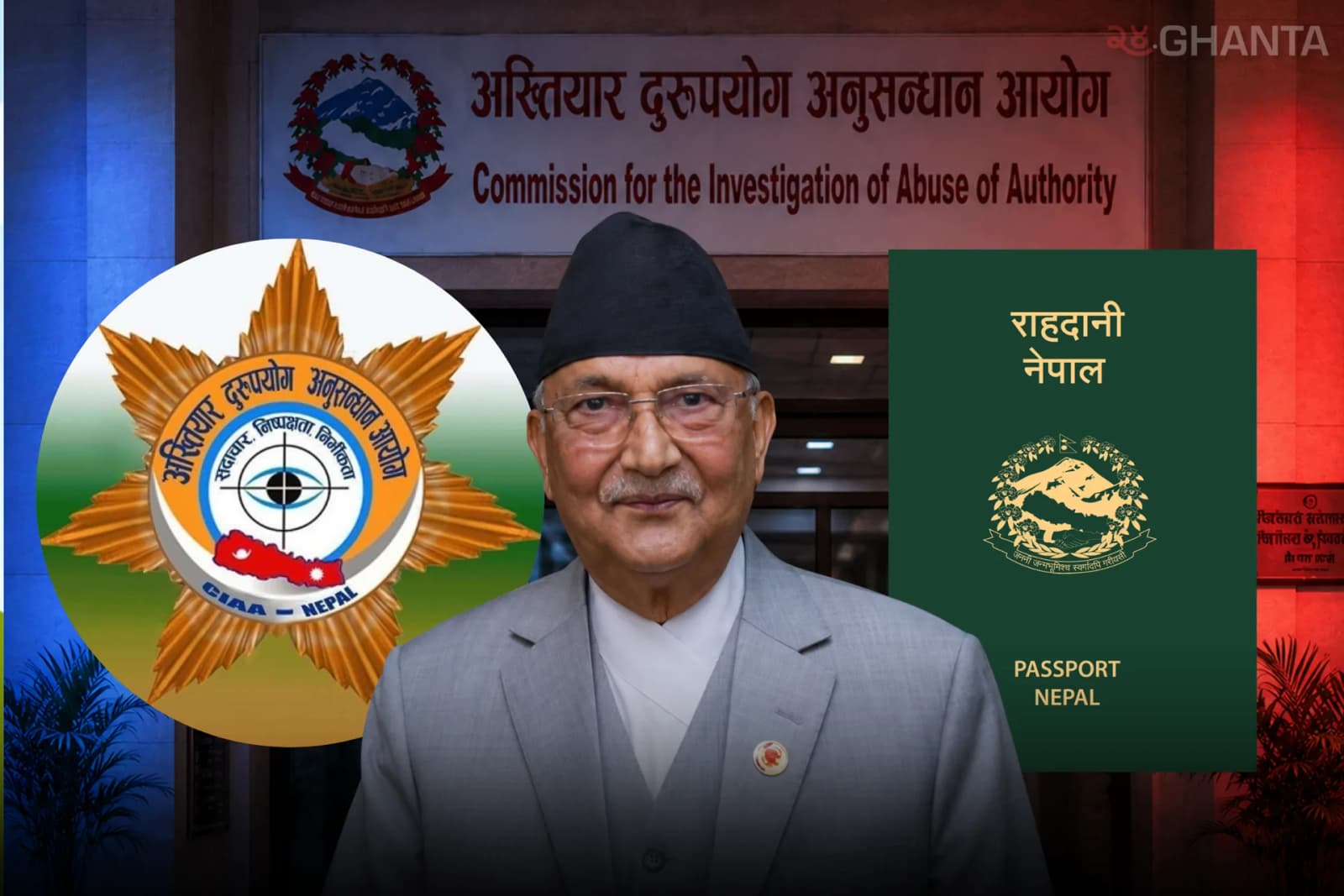
Former Prime Minister KP Sharma Oli Named In Statement Over Controversial Passport Tender Split

A statement given to Nepal's anti-corruption agency has linked former Prime Minister and UML chairman KP Sharma Oli to the controversial passport procurement process, with a Foreign Ministry official claiming he instructed authorities to split the tender into two packages. The allegation has surfaced as the CIAA pursues a corruption case over the passport contract, arguing that dividing the tender may have facilitated irregularities and caused financial losses to the state.

Jun 24
Oli Linked To Passport Tender

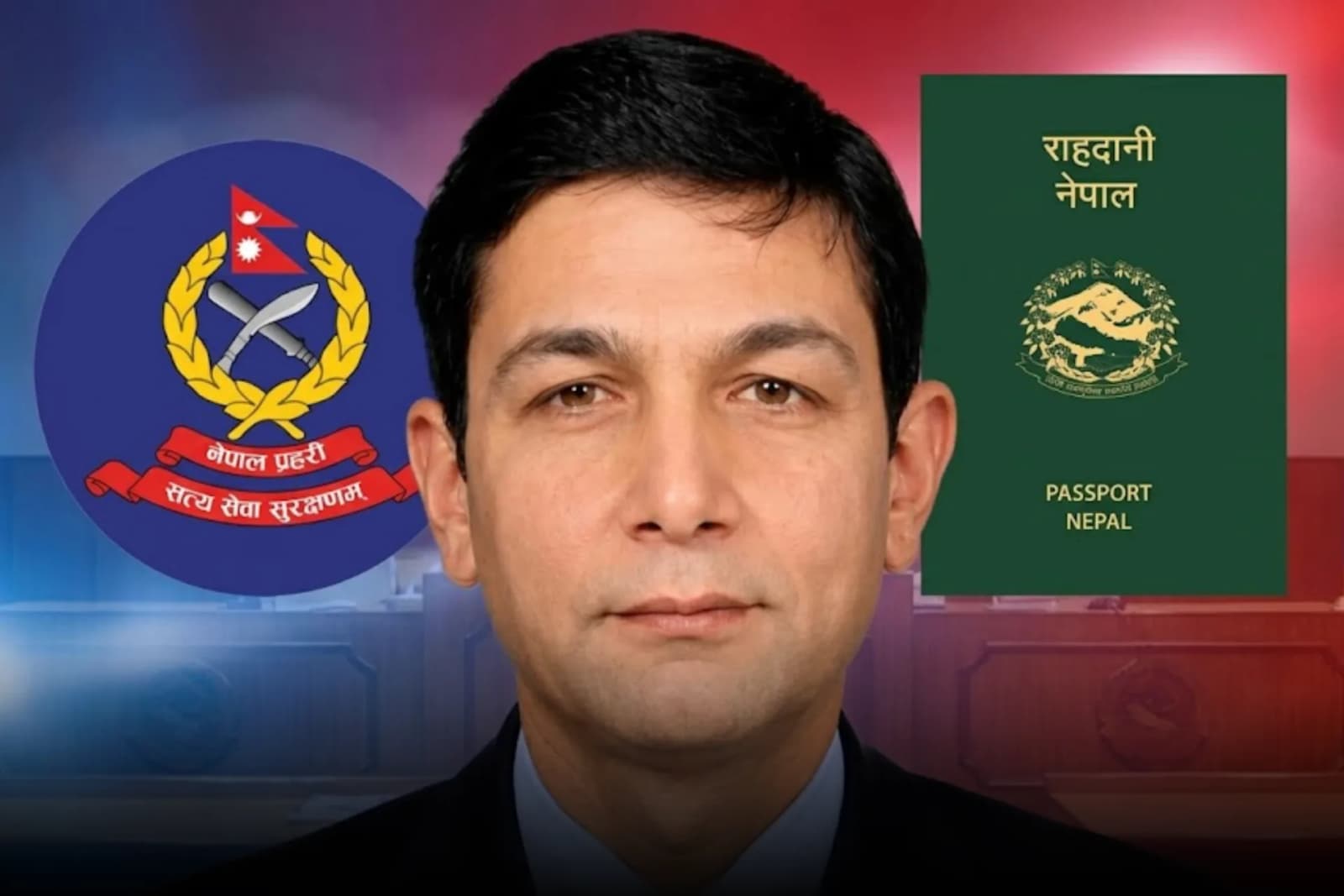
Passport Procurement Investigation Deepens As CIAA Detains Department Chief

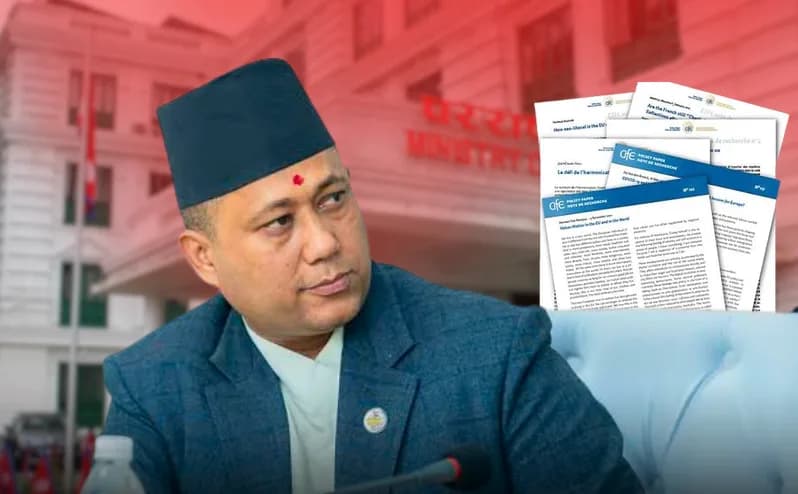
The Commission for the Investigation of Abuse of Authority (CIAA) has detained Passport Department Director General Tirtha Raj Aryal as part of an investigation into alleged irregularities in the e-passport procurement process. The case involves complaints over tender conditions, contract awards worth billions of rupees, and allegations that influential political and business figures attempted to influence the procurement process.

Jun 16
Passport Tender Probe Intensifies Further