
Someone Leaked Your Private Chats? Here’s What Nepal’s Law Actually Says
Nepal’s Privacy Act protects private chats, emails, electronic data and private digital conversations from certain unauthorized access, disclosure and recording. Sharing or publishing a private conversation without authorization can raise legal issues, while hacking or accessing computer data without permission may also trigger the Electronic Transactions Act. However, every screenshot or leaked message is not automatically the same offense the way it was obtained, consent, content and how it was used all matter.
· 7 min read
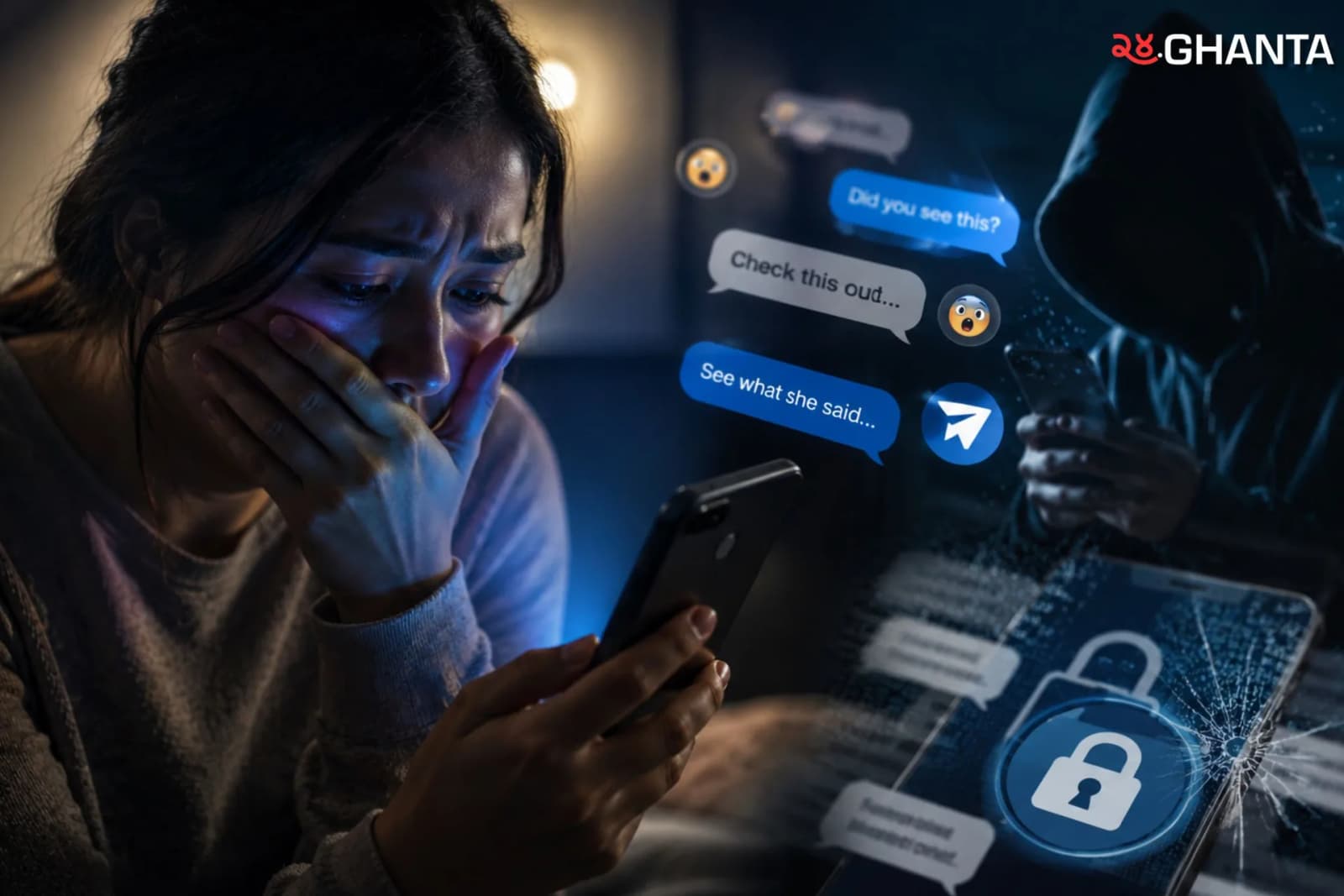
Most of us send private messages every day without thinking twice. We talk to friends on Messenger, send DMs on Instagram, chat on WhatsApp, and share personal information over email.
But what happens when a private conversation doesn’t stay private?
Maybe someone screenshots your messages and sends them to a group chat. Maybe they post your conversation on social media. Maybe someone goes through your phone without permission. Or perhaps a private call is recorded without your knowledge.

Nepal actually has laws that deal with many of these situations.
The main one is the Privacy Act, 2075 (2018), which protects private correspondence and electronic information. The Electronic Transactions Act, 2063 can also come into play when someone gains unauthorized access to computer data or publishes certain illegal material online.
But there’s an important distinction: not every screenshot, leaked chat, or recording is automatically the same offense. How someone got the information, whether they had authorization, and what they did with it can all matter.
Yes, Your Electronic Conversations Have Privacy Protection
Under Section 13(1) of the Privacy Act, 2075, every person has the right to maintain the privacy of their letters, correspondence, emails, and communications sent through electronic means.
In simple terms, the fact that a conversation happened online doesn’t automatically make it public information.
Emails and other electronic conversations can still be private communications protected by law.
Can Someone Read, Share, or Post Your Private Chats?
This is where Section 13(2) becomes particularly important.
It says another person’s protected correspondence or electronic communication cannot be accessed or handled without authorization in several ways.
The law specifically restricts unauthorized:
Reading
Viewing
Providing it to someone else
Publishing
Broadcasting
Otherwise making it public
So imagine you send someone a private message, and that conversation later ends up being shared with other people or posted publicly.
The legal issue isn’t simply that somebody “took a screenshot.” A screenshot is just a way of capturing what was on the screen.
The bigger questions are: Was the conversation private? Was there authorization to share it? And what did the person do with it afterward?
Those details can make a major difference.
“But they sent the message to me. Can’t I post it?”
Not necessarily.
Receiving a message and having permission to make that message public are not automatically the same thing.
Section 13(2) specifically addresses unauthorized sharing, publishing, broadcasting, and otherwise making another person’s protected correspondence public.
At the same time, Section 13(3) recognizes important exceptions.
For example, electronic correspondence may be made available with the consent of the person concerned. The law also allows access in connection with a criminal investigation when an authorized official orders it under existing law.
That’s why consent and authorization matter when looking at a real case.
Your Digital Information Is Protected Too
The Privacy Act goes beyond conversations.
Under Section 19(1), a person has the right to privacy over personal information, documents, correspondence, data, and certain other personal matters held electronically.
Think about how much personal information we now keep on our phones and computers.
Messages, documents, personal records, and other data can all exist digitally. Moving that information from paper to a phone or computer doesn’t automatically remove its privacy protection.
What If Someone Snoops Through Your Digital Information?
Imagine giving someone your phone for a quick call, only to discover that they went through your private information.
Or someone somehow gets access to electronic correspondence they weren’t supposed to see.
Section 19(2) becomes relevant to situations involving unauthorized access to electronic information.
It prohibits unauthorized obtaining of another person’s electronically held information or correspondence, breaching its privacy, or providing it to another person without authorization.
That means the law can be concerned with how someone obtained the information, not just what they did with it afterward.
Someone receiving a message because you intentionally sent it to them and someone improperly gaining access to your private electronic information are two very different situations.
What About Secretly Recording a Private Call?
The Privacy Act specifically addresses this too.
Under Section 19(3), a person generally cannot use a mechanical device to listen to or record an electronic conversation between two or more people unless the people concerned have given their consent or an authorized official has ordered it according to law.
There is also an important exception.
This restriction does not apply to speeches or statements made publicly.
So a private electronic conversation and a speech delivered publicly are not treated the same way under this section.
What If Someone Hacks In to Get Your Chats?
This is where another law may come into play: the Electronic Transactions Act, 2063.
Under Section 45, intentionally accessing computer programs, information, or data without authorization can be an offense.
And there’s another important detail.
The section can also apply when someone has permission to use a computer but intentionally goes beyond the authorization they were given to access information or data.
For example, having permission to use someone’s computer for one purpose doesn’t necessarily give you permission to dig through everything stored on it.
A violation of Section 45 can carry a fine of up to Rs. 2,00,000, imprisonment for up to three years, or both, depending on the seriousness of the offense.
Does Every Leaked Chat Mean Five Years in Prison?
No, and this is an important misconception to clear up.
You may have heard Section 47 of the Electronic Transactions Act mentioned in connection with online or “cyber” offenses.
Section 47 deals with specific types of illegal material published or displayed electronically. This includes material that is prohibited from publication under existing law and other categories specifically described in the section.
An offense that meets the requirements of Section 47(1) can carry a fine of up to Rs. 1,00,000, up to five years in prison, or both.
But that does not mean every leaked screenshot or private message posted online automatically becomes a Section 47 offense.
The circumstances and the content involved still matter.
When the main issue is the privacy of a personal electronic conversation, Sections 13 and 19 of the Privacy Act are generally the more direct provisions to look at first.
Reading, Sharing, Posting, Recording, and Hacking Aren’t the Same Thing
It’s easy to put all of these situations under the label of “leaking someone’s chats,” but legally, they can involve different questions.
Someone reading or viewing a private electronic conversation without authorization may raise issues under Section 13(2).
Giving that conversation to someone else or publishing it without authorization is also specifically addressed by Section 13(2).
Improperly obtaining electronically stored correspondence or breaching its privacy may involve Section 19(2).
Secretly listening to or recording an electronic conversation can involve Section 19(3), subject to its consent, legal authorization, and public-statement exceptions.
If someone intentionally gains unauthorized access to computer information or data to get the messages, Section 45 of the Electronic Transactions Act may also become relevant.
And if certain prohibited material is published electronically, Section 47 may apply if all of that section’s legal requirements are met.
So, What Should You Remember?
The biggest takeaway is simple:
Your private conversations don’t automatically become public property just because they happened on a phone or online.
Nepal’s Privacy Act specifically protects electronic communications and electronically stored personal information. It also restricts certain unauthorized reading, disclosure, publication, access, and recording.
But context matters.
Instead of asking only, “Did someone screenshot my chat?”, the more useful questions are:
Was the conversation private? How did they get it? Did they have authorization? Did they send it to someone else? Did they post it publicly? Did they secretly record the conversation? Did they gain unauthorized access to a computer to obtain it?
Those details can determine which law and which section may apply.
If you’re dealing with an actual privacy violation, the facts of your particular case can make a significant difference. Consider speaking with a qualified legal professional before deciding what legal action to take.
Legal References
Privacy Act, 2075 (2018): Sections 13(1)–(3), 19(1)–(3), 29, 30, and 31.
Electronic Transactions Act, 2063: Sections 45 and 47.
Primary Source: Nepal Law Commission, Government of Nepal.
Published Aug 21 in Researched Article