24 Ghanta

Search

17 results for "Flood Victims"

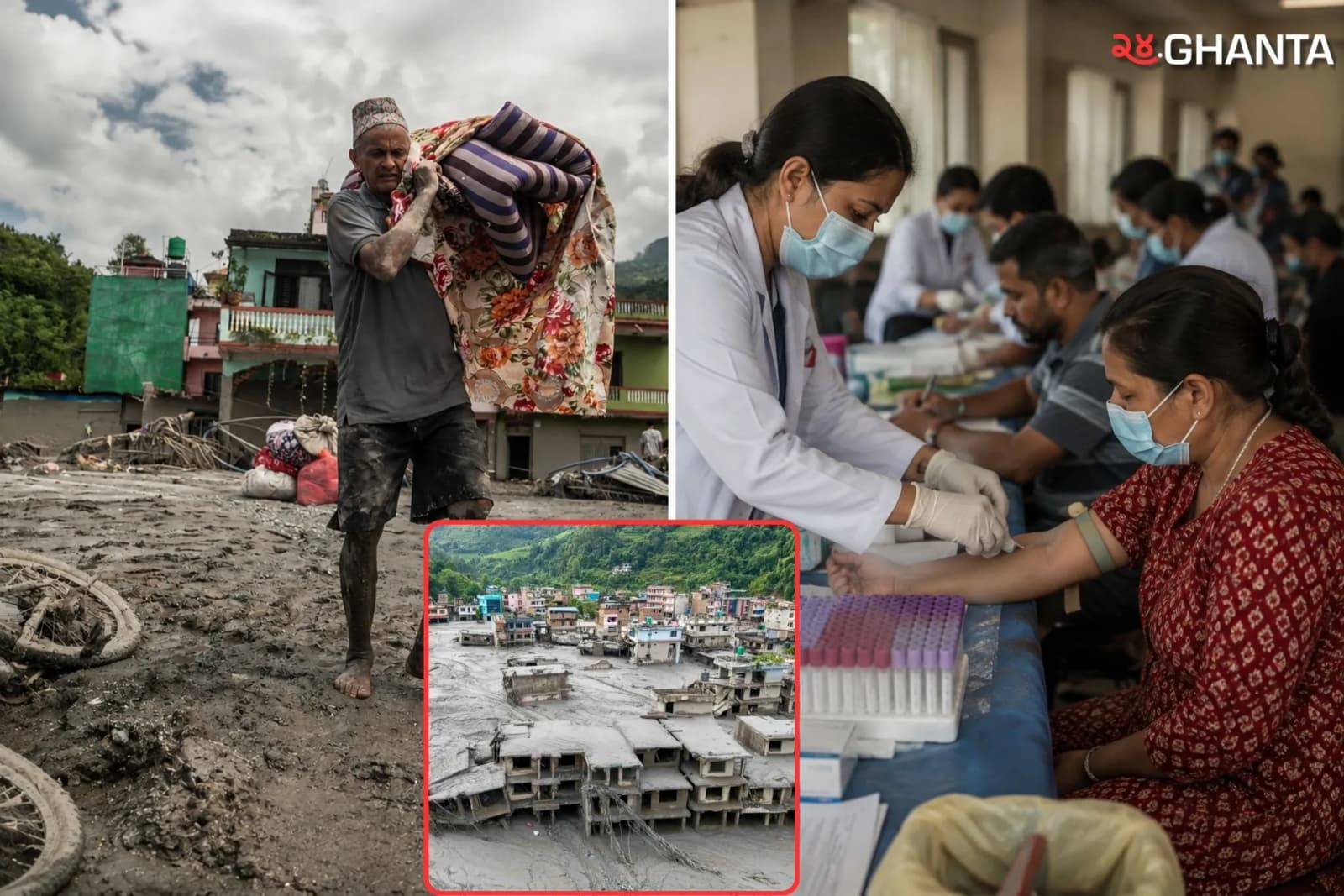
After Nepal’s Deadly Floods: How Nepali and Foreign Victims Are Identified and How Families Can Get Their Loved Ones Back

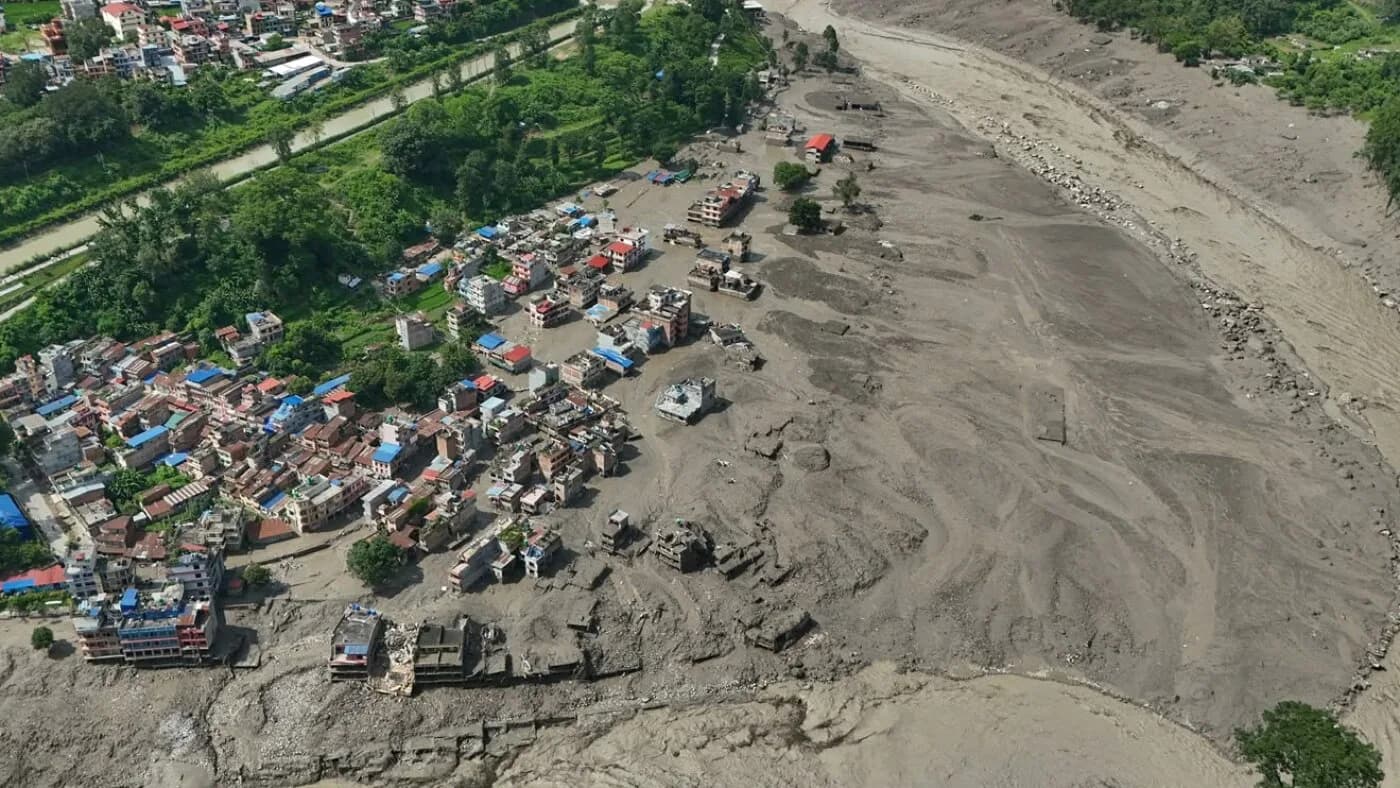
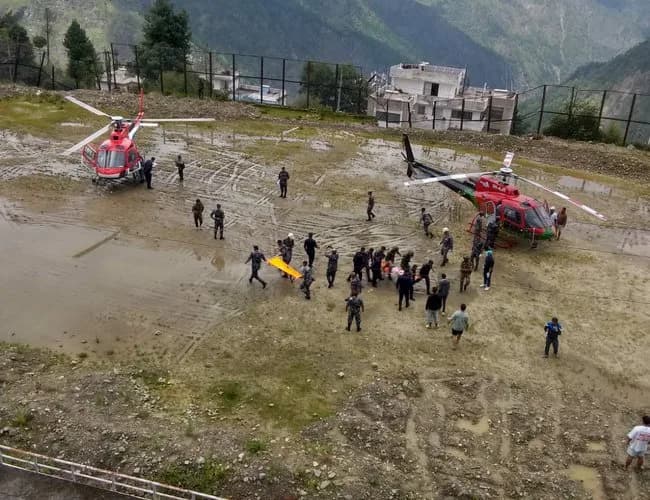
Nepali and foreign victims who cannot be recognized after the Bhote Koshi flood may still be identified through photographs, fingerprints, dental information, personal records and DNA. Even when unidentified remains are temporarily buried, documented reference numbers, forensic evidence and recorded burial locations can allow authorities to identify and return them to families later. For foreign victims, formal identification is followed by ID verification, embassy coordination and repatriation so their remains can be returned home.

Sep 3
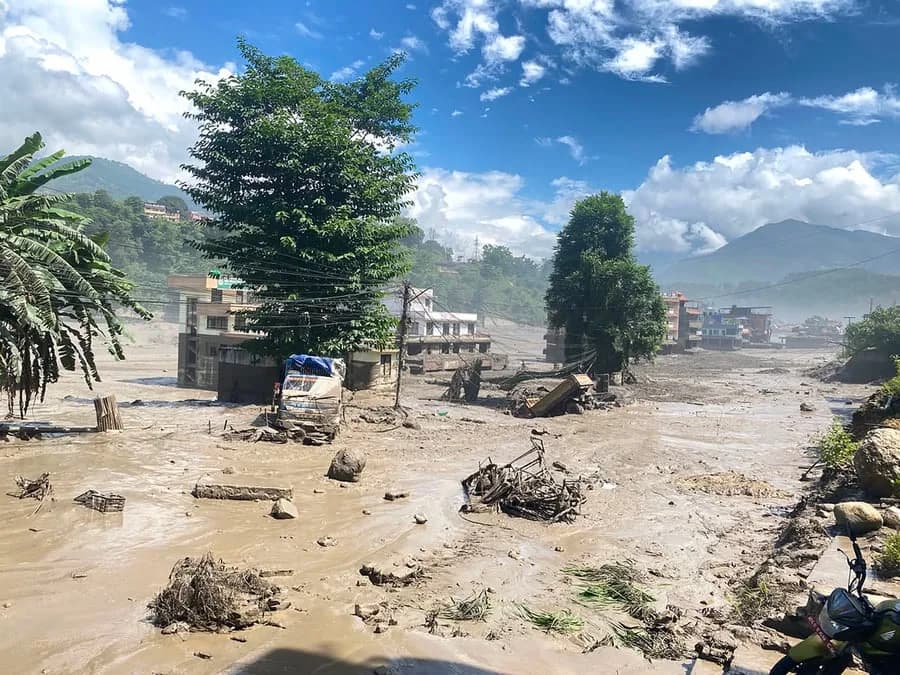
A flood survivor walks through the devastation as families provide DNA samples to help identify missing loved ones

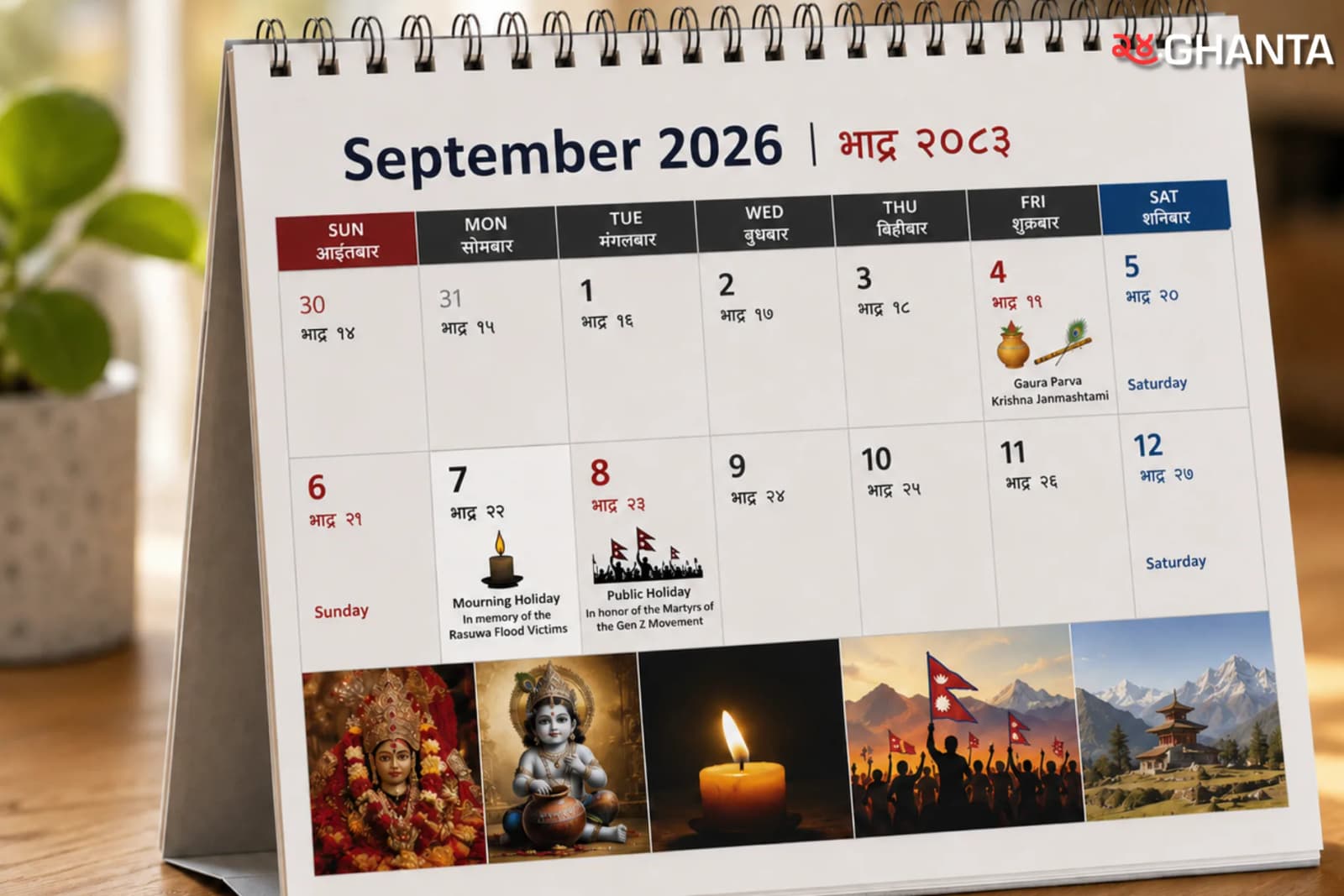
Nepal’s September 4–8 Calendar: Festivals, Weekend, Mourning and Remembrance

Nepal will observe five consecutive significant days from September 4 to 8, beginning with Krishna Janmashtami and Gaura Parva, followed by the regular weekend, a national mourning day for Rasuwa flood victims, and Gen Z Martyrs’ Day. September 7 is a national mourning day, not a public holiday, while September 8 has been declared a nationwide public holiday.

Sep 3
Four Days With Different Meanings

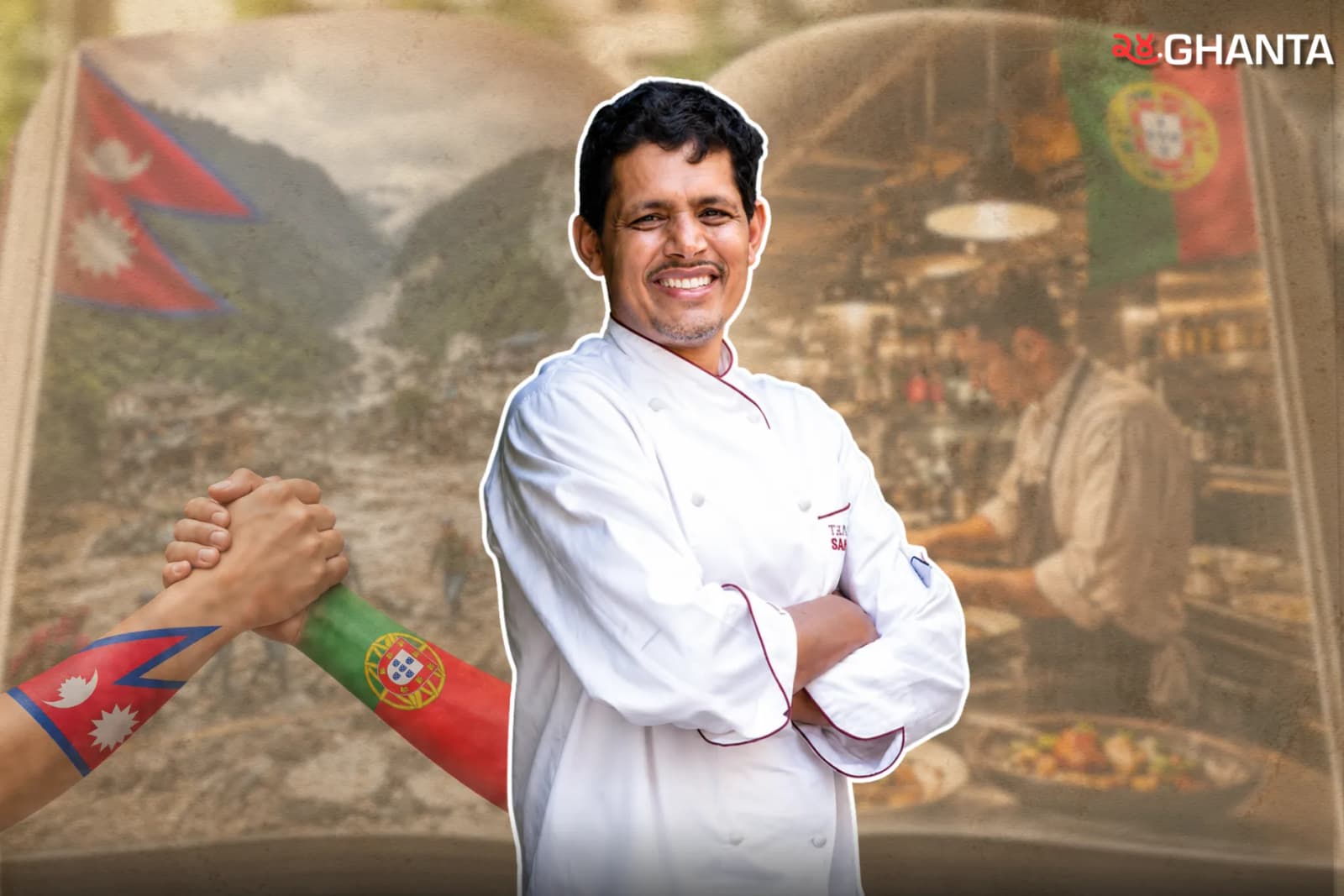
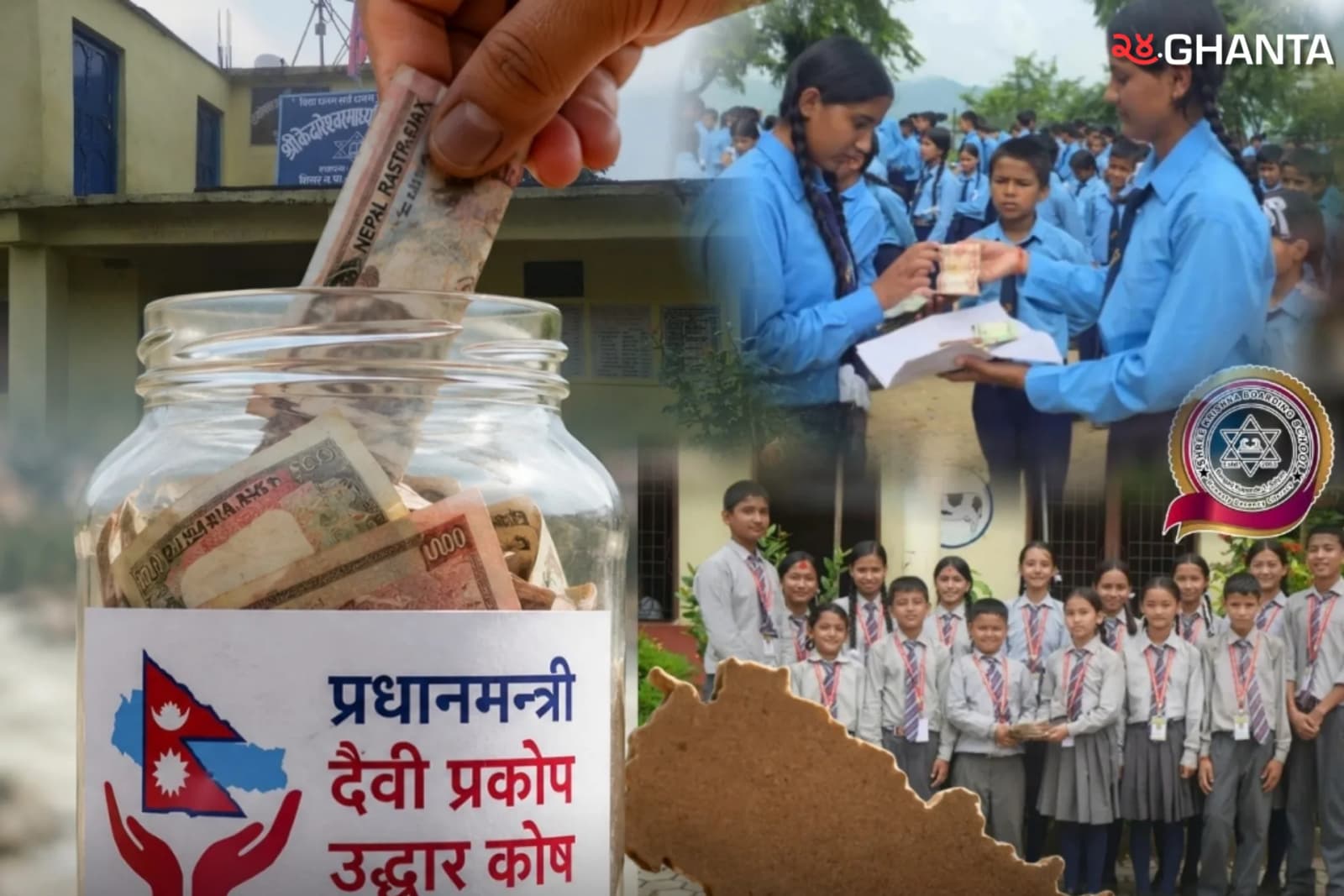
Four Restaurants, One Mission: Nepali Chef in Portugal Raises Funds for Rasuwa Flood Victims

After spending around three decades building his life and career in Portugal, Nepali chef Tanka Sapkota has turned the success of his four Lisbon restaurants into support for flood-affected families back home in Nepal. Through a charity dinner held on September 1, the initiative was expected to raise between €17,000 (around NPR 30.25 Lakh) and €25,000 (around NPR 44.49 Lakh) for the Prime Minister’s Disaster Relief Fund.

Sep 3
His Success Now Helps Home

Why Are Nepal’s Unidentified Flood Victims Being Buried, And Can Families Get Them Back?

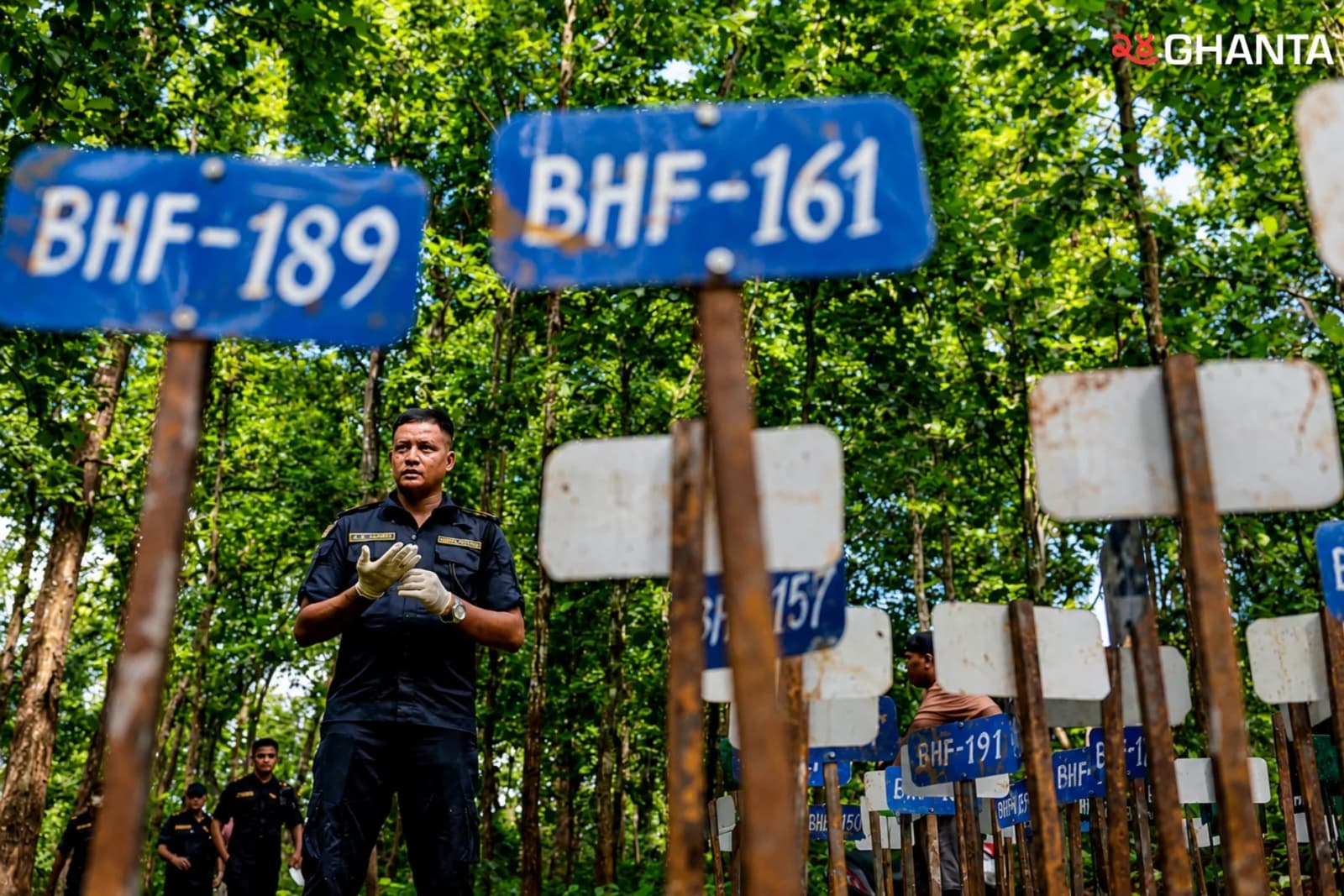
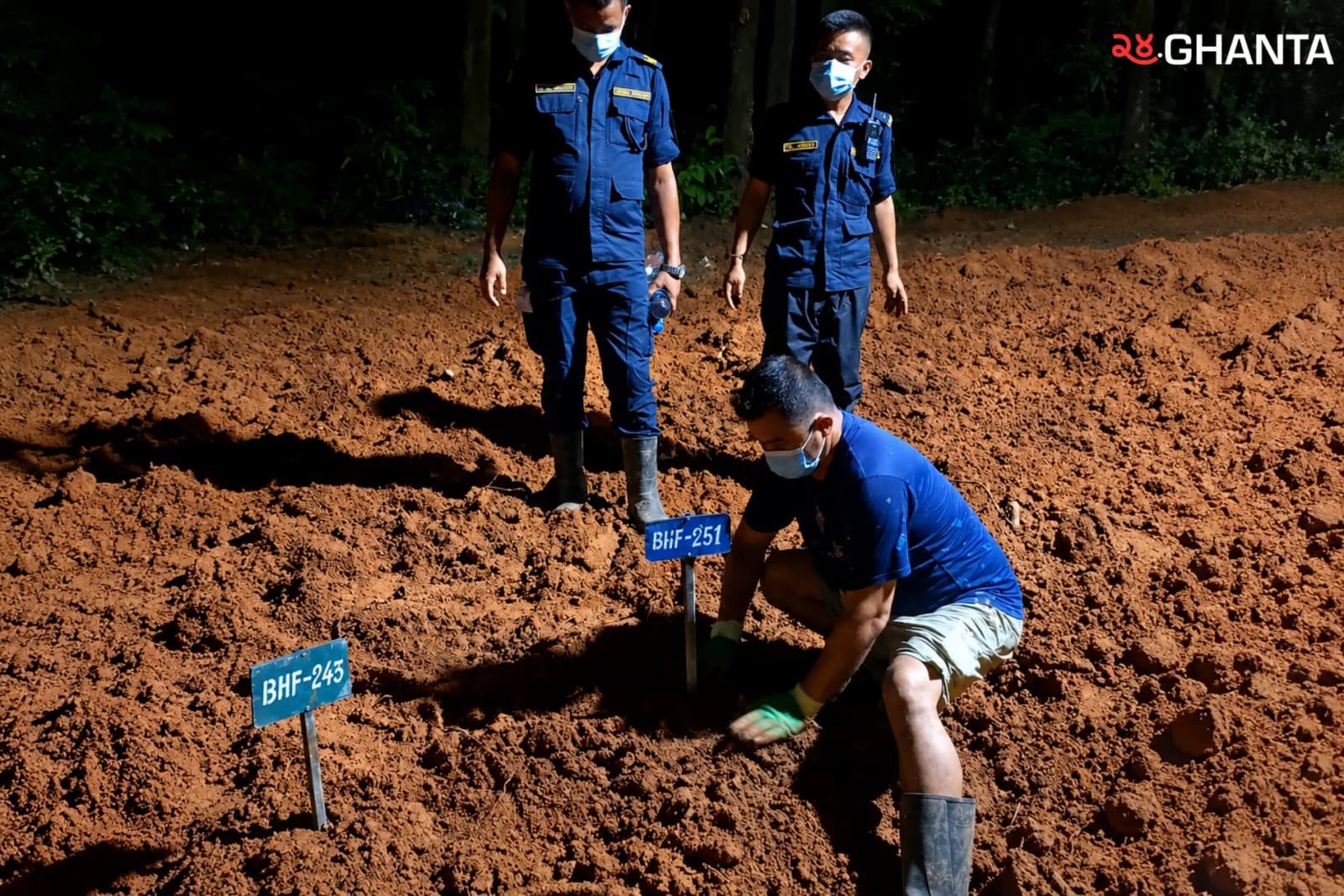
Unidentified victims recovered after the devastating Bhotekoshi flood are being temporarily buried after forensic evidence is collected because many bodies are rapidly decomposing and available mortuary space cannot accommodate the extraordinary number of remains. Each victim is documented through DNA and other identifying information, assigned a unique number, and placed at a recorded burial location so the remains can later be exhumed and returned to the family if their identity is established.

Sep 1
Buried Now, Identifiable Years Later

Buried Without Names, But Not Without Hope

Chitwan authorities have buried 199 unidentified bodies and human remains recovered after the Bhotekoshi flood, while preserving DNA samples and identifying records for future verification. Families still searching for missing relatives may be able to confirm identities through DNA matching and later receive the remains for final rites.

Aug 31
DNA May Still Reveal Identities