24 Ghanta

Search

29 results for "Export"

Nepal’s Trade Shift In FY 2082/83: Imports Rise In Value As Processed Oil And Agricultural Products Drive Export Growth

Nepal’s trade pattern in FY 2082/83 shows a major shift in both imports and exports. Import values increased for key goods, including silver, motorcycles, mobile phones, petroleum products, and industrial materials, while the top 10 export items grew 18 percent to Rs. 21,433 crore. Processed palm oil and cardamom emerged as the biggest drivers of export growth, highlighting changing consumer demand and Nepal’s evolving export structure.

Sep 30
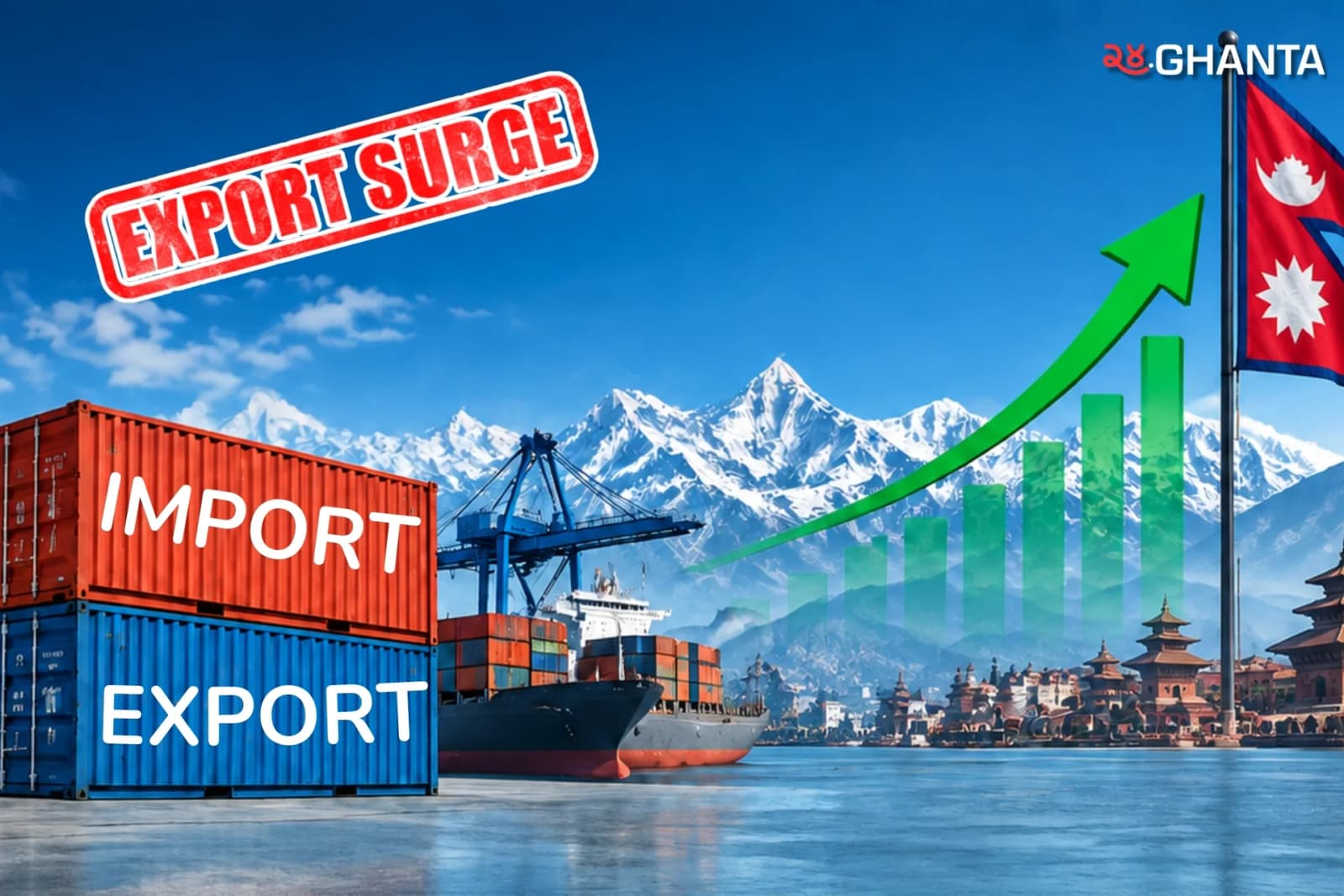
Nepal Trade Report FY 2082/83: Imports Rise While Exports Grow 18 Percent With Palm Oil And Cardamom Leading Growth

Six Months of Balen Government: How Much Has Actually Changed?

Prime Minister Balendra Shah’s government has completed six months in office, after beginning its term with a 100-point governance reform agenda covering administration, corruption control, public services, laws and the economy. At its first 100-day review, the government claimed 87.2% overall progress and said 70 of the 100 agenda items had been implemented, but six months into the term, several promised legal and institutional reforms remain unfinished.

Sep 28
Balen Government Completes Six Months

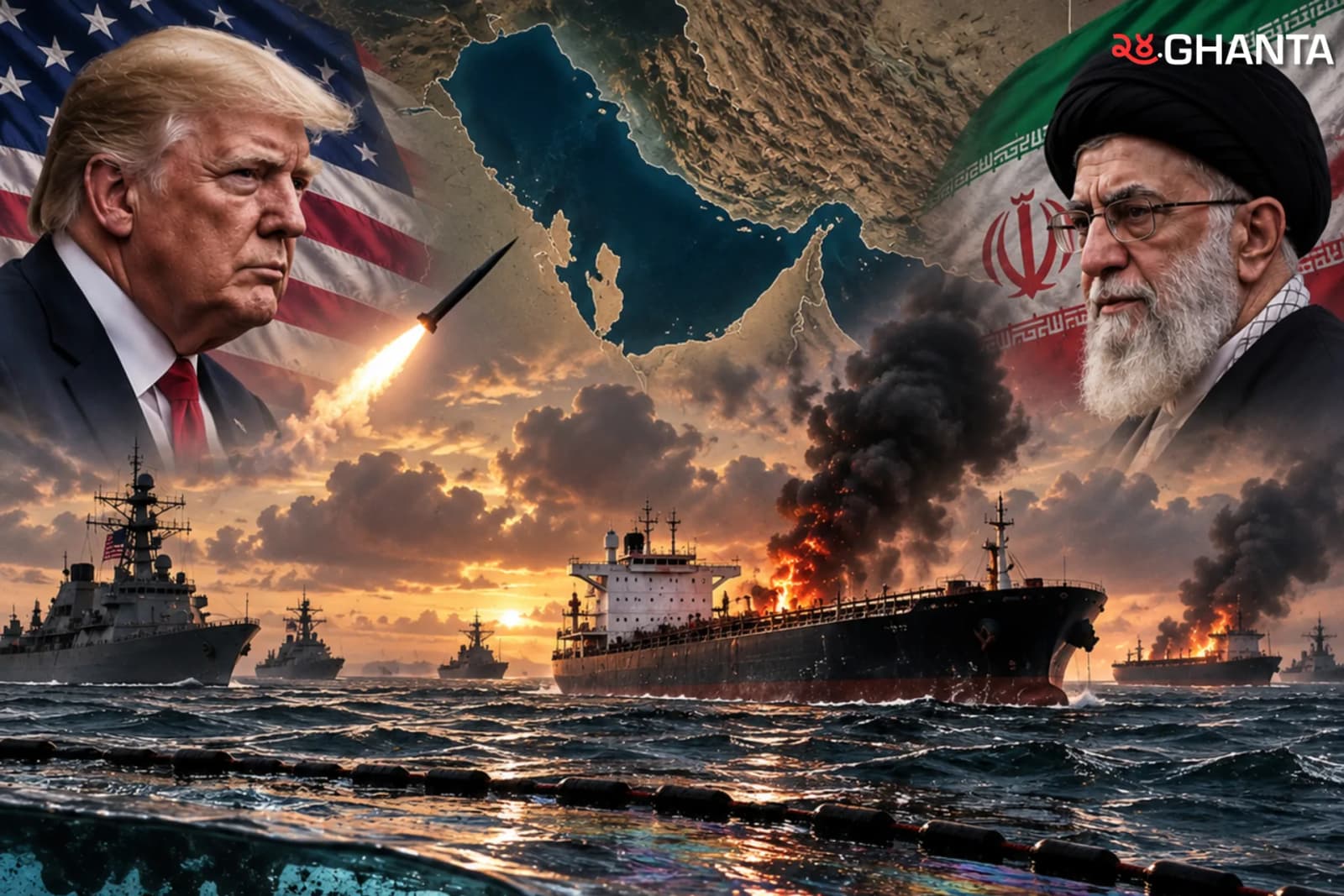
US-Iran War Moves Into The Strait Of Hormuz, Raising New Fears For Global Oil, Shipping And Marine Life

The US Iran war has expanded into the Strait of Hormuz, one of the world’s most important energy routes, as attacks on oil tankers increase risks to global shipping and oil supplies. The growing conflict also threatens the Persian Gulf’s marine ecosystems, fishing communities and desalination systems, raising fears that a major oil spill could turn the military crisis into a long term environmental disaster.

Sep 9
US Iran War: Hormuz Oil And Marine Crisis

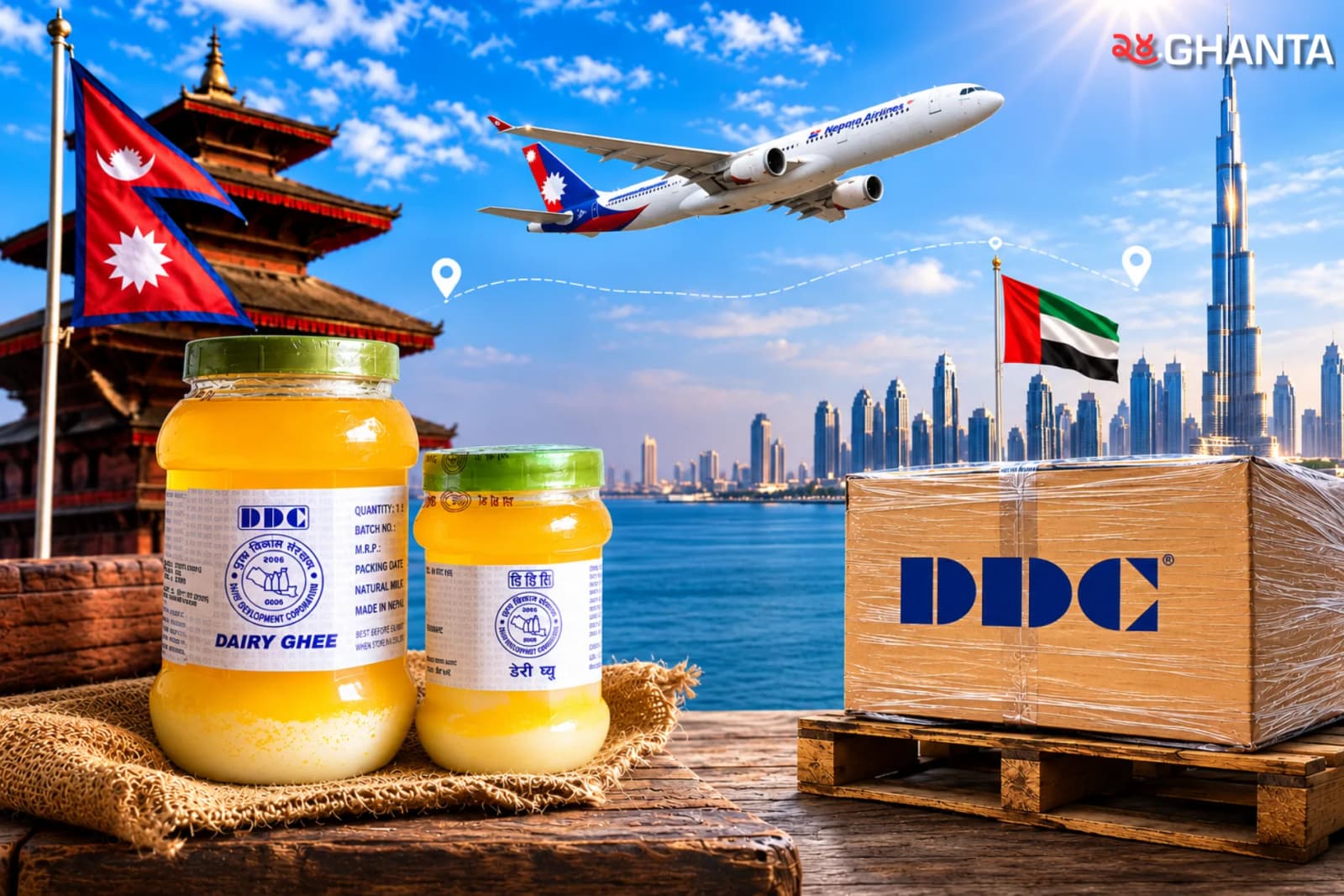
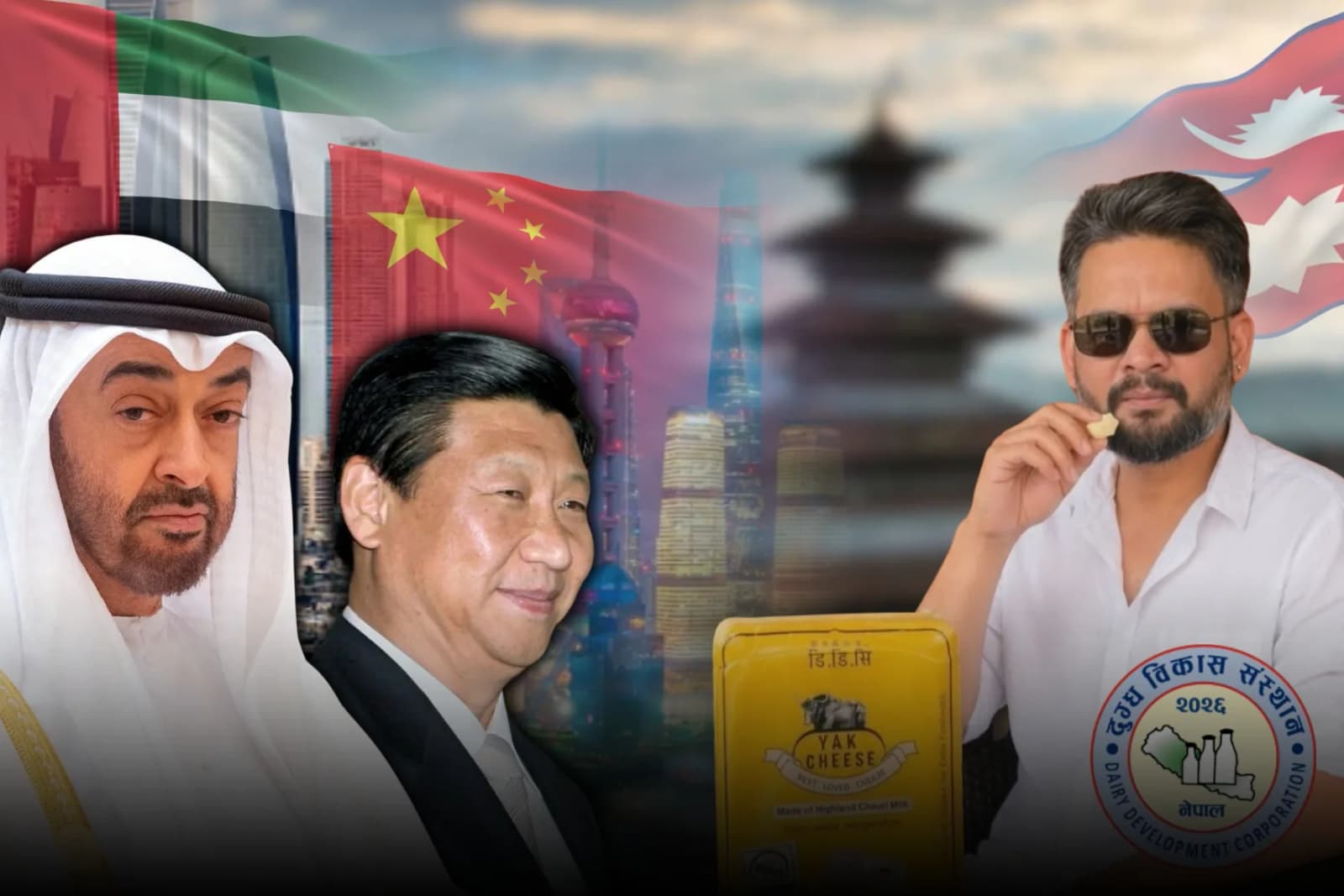
From Nepal To Dubai: DDC Sends Its Ghee Abroad For The First Time

Nepal's state-owned Dairy Development Corporation has started exporting DDC ghee to Dubai, marking its entry into the international market with an agreement to export at least 50,000 kg annually. DDC says it plans to expand exports across the Middle East and later reach markets including Japan, South Korea and Tibet, China, as it increases production and looks for new markets for Nepali dairy products.

Aug 21
DDC Takes Nepali Ghee Global

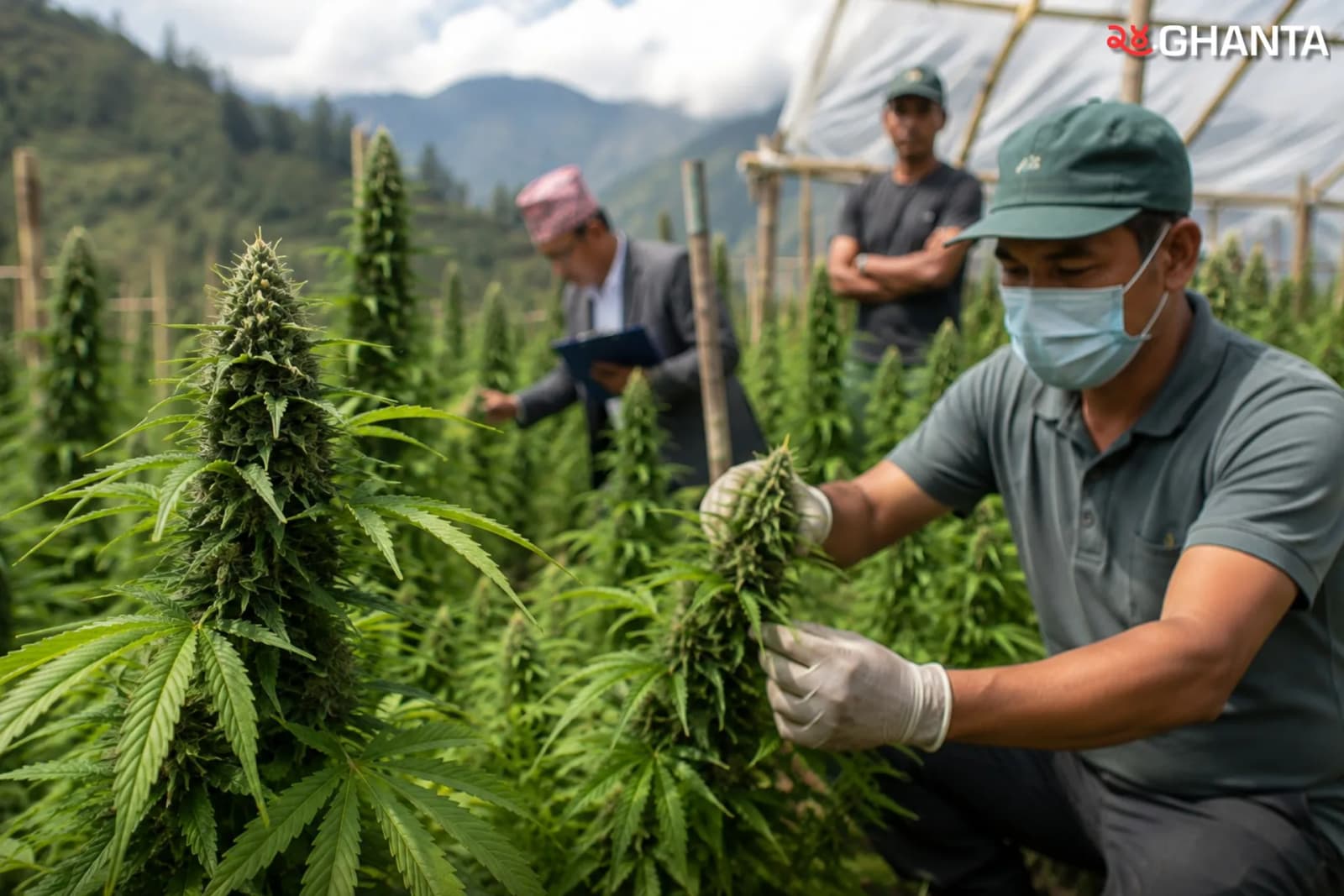
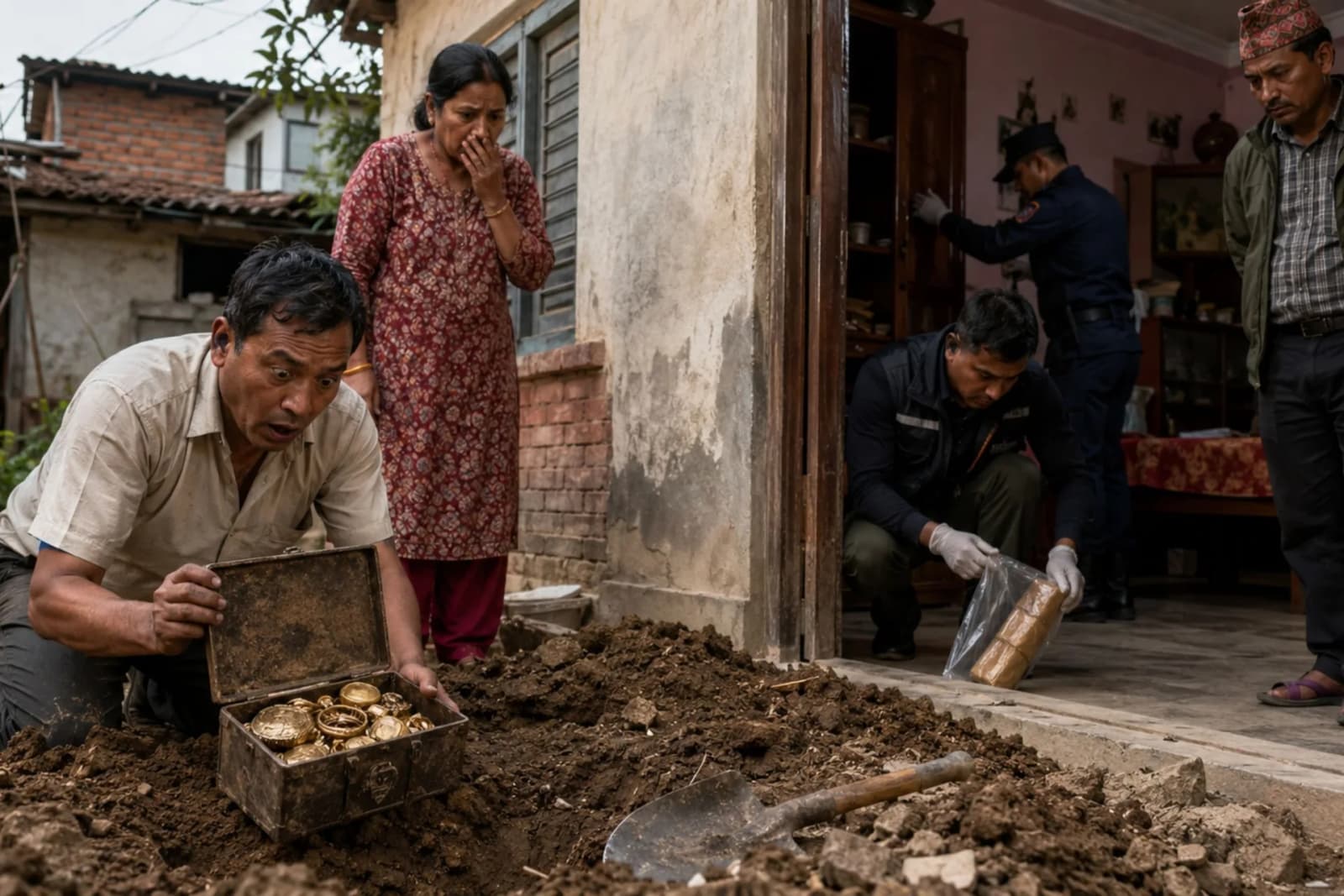
Ambulances Carrying Cannabis? Inside Koshi’s Growing Smuggling Network

Ambulances meant to rush patients to hospitals are repeatedly turning up in cannabis-smuggling cases across Koshi Province, with police recovering hundreds of kilograms from emergency vehicles around Dharan, Bhedetar, Morang and Sunsari. The cases expose a wider trafficking corridor running from cannabis-producing hill districts toward the Tarai and Nepal-India border, while increasingly creative smuggling methods are making enforcement more difficult.

Aug 7
Ambulances Fuel Koshi Cannabis Smuggling

Nepal’s Goldstar Is Stepping Into Japan. Could This Be The Global Breakthrough Nepali Manufacturing Has Been Waiting For?

Goldstar Stride Limited has partnered with Goldstar Japan Company Limited to expand the Goldstar footwear brand in Japan after Japanese representatives approved production standards at the company's manufacturing facilities. The agreement is expected to boost Nepal's exports, create jobs, strengthen Nepal–Japan economic ties, and showcase Nepali manufacturing in one of the world's most quality-conscious markets.

Jul 29
Goldstar Expands Nepali Footwear To Japan

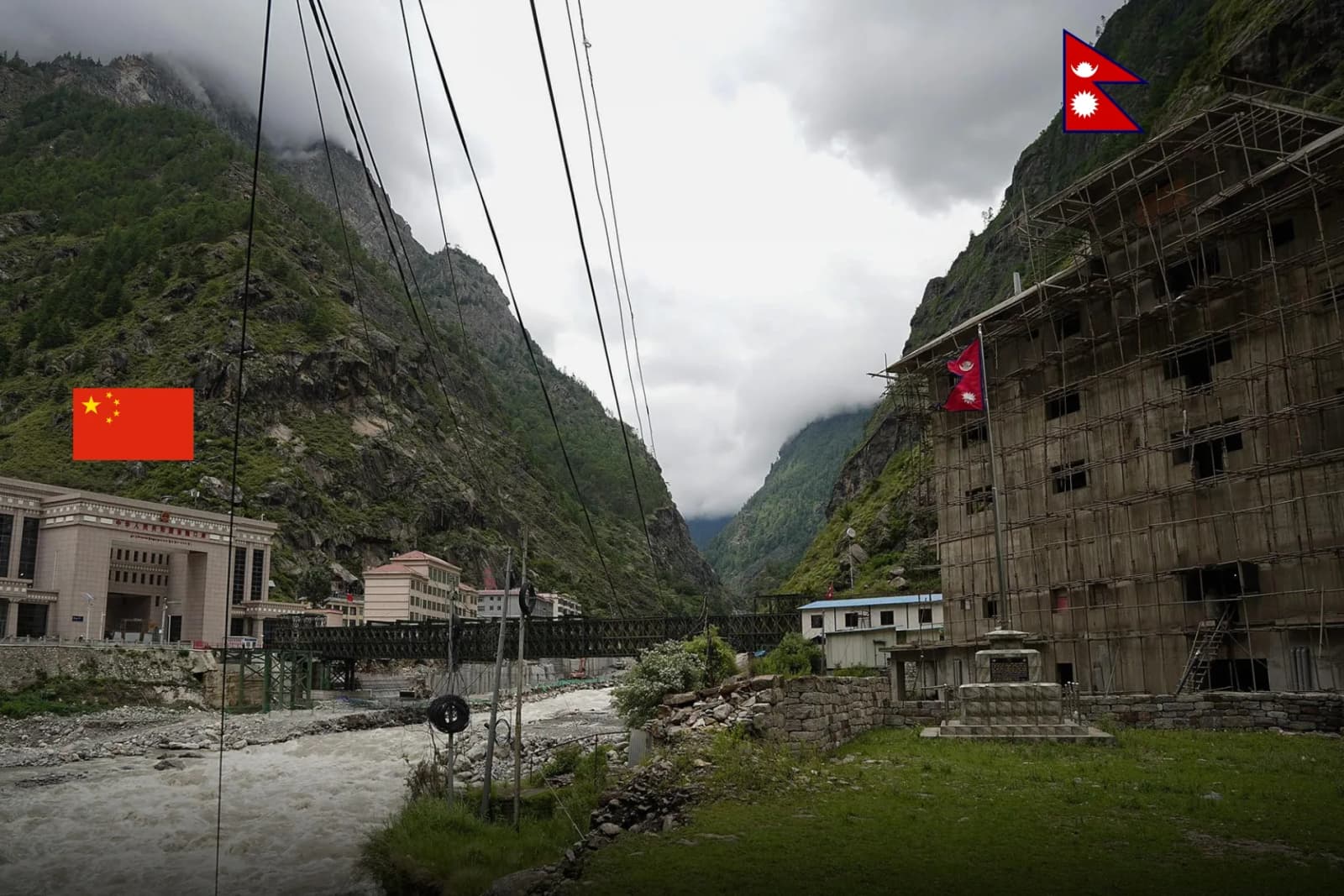
Ten Years Later, Why Is Nepal's Key China Border Customs Building Still Not Finished?

Nearly ten years after construction began, the Integrated Customs Building at the Rasuwagadhi Nepal–China border remains only 65% complete despite an original three-year deadline. The government has issued what it says will be the final extension, warning that the contractor could lose the project if construction is not completed within the next six to eight months.

Jul 28
Border Project Faces Final Deadline

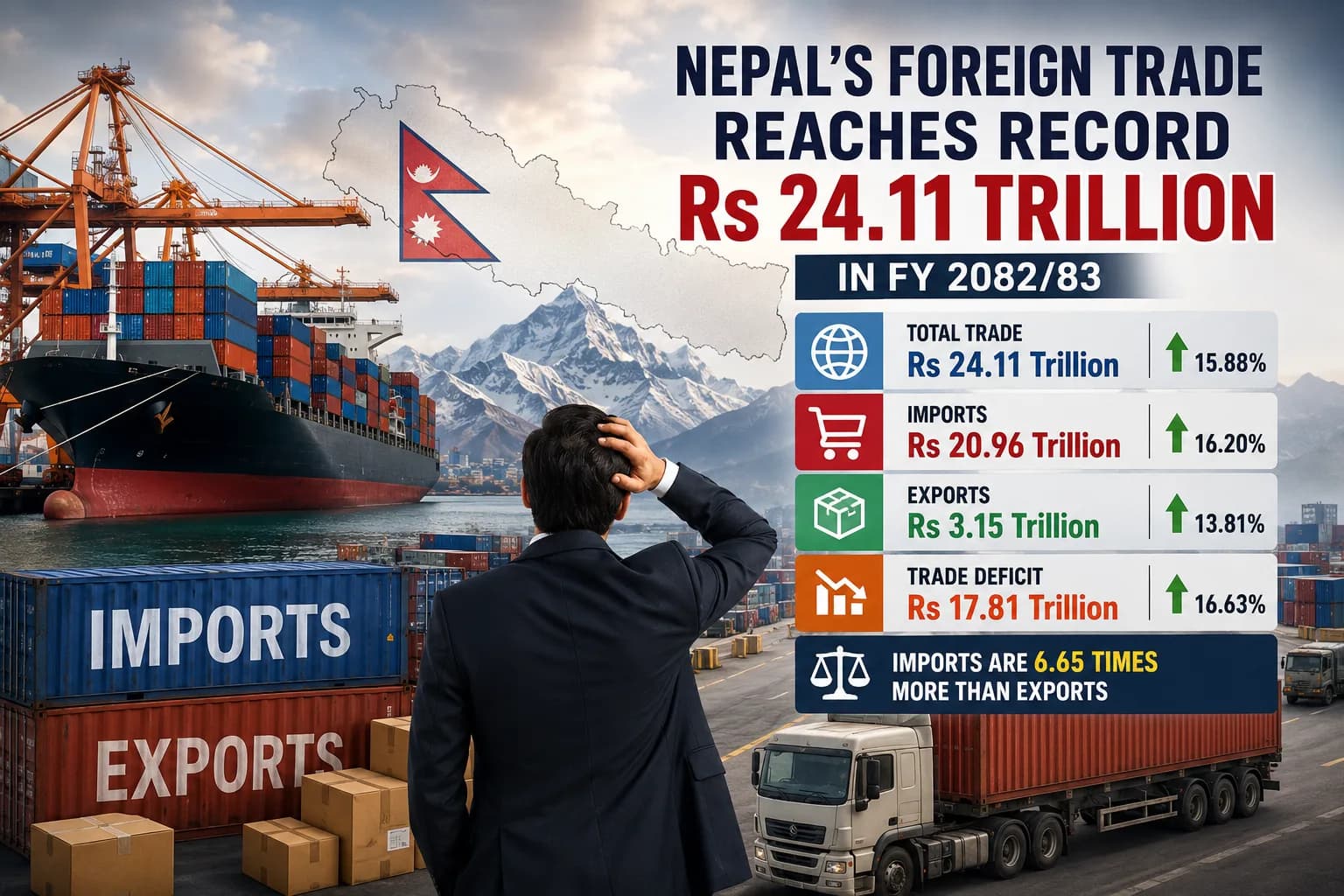
Nepal's Foreign Trade Reaches Record Rs 24.11 Trillion in FY 2082/83, But Rising Imports Push Trade Deficit to New High

Nepal's foreign trade reached its highest level ever during the fiscal year 2082/83 (2025/26), with total trade increasing by 15.88 percent to Rs 24.11 trillion, according to the latest annual data released by the Department of Customs. While both imports and exports recorded healthy growth, imports continued to rise at a faster pace, causing the country's trade deficit to widen further.

Jul 23
Nepal's Imports Cross Rs 20.96 Trillion

From Nepali Kitchens to Global Shelves: How Pickles Became a Rs 21 Crore Export

Nepal exported pickles worth Rs211.69 million during the first 11 months of the last fiscal year, reaching more than a dozen countries, with Italy, Australia and the United Kingdom emerging as the three largest markets. The growth is being driven by entrepreneurs who are converting traditional household recipes into branded businesses that create jobs, support local agriculture and introduce Nepali flavours to international consumers.

Jul 21
Nepali Pickles Win Global Markets

Nepal's Economy In Mid-2026: What The Latest NRB Macroeconomic Update Really Means

Nepal Rastra Bank's latest macroeconomic report paints a picture of an economy that is financially stable but still faces long-term structural challenges. Foreign exchange reserves have reached record levels, remittances continue to grow strongly and inflation remains relatively moderate. At the same time, imports continue to outpace exports, private sector lending remains weak and government capital spending has slowed. This feature explains the latest economic indicators—including inflation, foreign exchange reserves, trade, remittances, banking, interest rates, and government finances in simple language, helping readers understand what the numbers really mean for Nepal's economy and for everyday life.

Jul 15
Nepal's Economy In Mid-2026: What The Latest NRB Macroeconomic Update Really Means

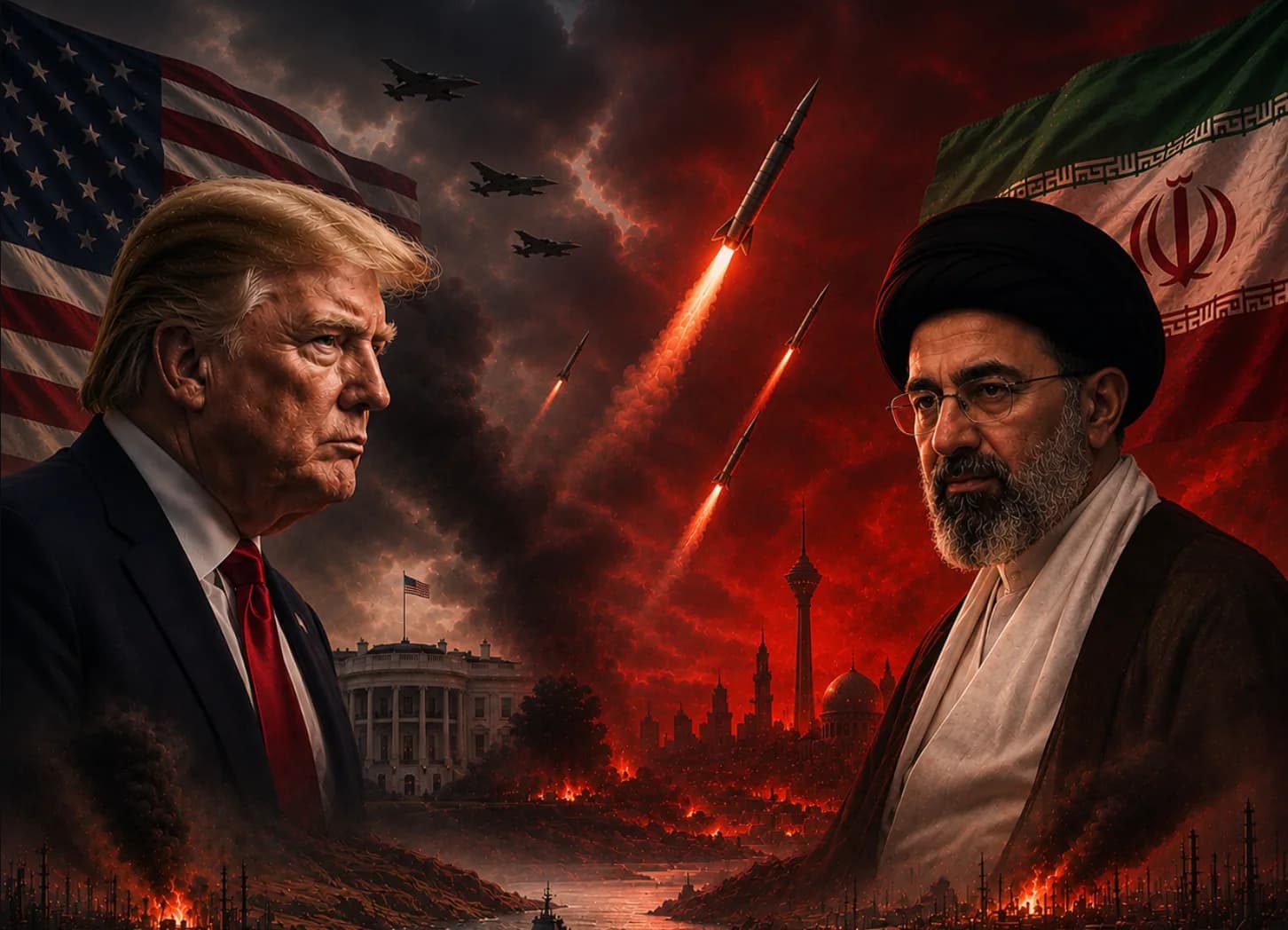
US Launches Airstrikes Across Iran After Strait Of Hormuz Ship Attacks

The United States has launched a new wave of large scale airstrikes across Iran after three commercial ships were attacked while passing through the Strait of Hormuz, sharply increasing tensions between Washington and Tehran and raising concerns over regional security and global energy supplies. According to the US Central Command (CENTCOM), the strikes were carried out after three commercial vessels with civilian crews came under attack while transiting the strategic waterway. The United States blamed Iran for the attacks and said the military operation was intended to protect freedom of navigation and hold Tehran accountable. Iranian officials have not confirmed or denied responsibility for the attacks on the ships. CENTCOM said US forces struck more than 80 military targets across Iran using precision weapons. The targets included air defense systems, command and control facilities, coastal radar installations, anti ship missile systems, missile related infrastructure, and more than 60 small boats linked to Iran's Islamic Revolutionary Guard Corps (IRGC). US officials described the operation as one of the largest military actions since the latest round of fighting began. Iranian state media reported explosions in several strategic locations, including Sirik, Bandar Abbas, Qeshm Island, and Kharg Island. Reports from Iranian media said several people were injured after debris struck parts of the Sirik commercial port. Iran's state broadcaster also claimed that many of the US strikes hit civilian areas, although the United States has not commented on that allegation. Iran strongly condemned the US operation. The Khatam al Anbiya Central Headquarters described the strikes as a blatant act of aggression and warned that Iran's armed forces would deliver what it called a strong response. The military also repeated that it would not accept outside interference in the Strait of Hormuz and said commercial shipping should use routes designated by Iran. Iranian Parliament Speaker Mohammad Bagher Ghalibaf accused Washington of violating previous understandings between the two countries and said Iran would not yield to pressure. Foreign Minister Abbas Araghchi also said Iran would not enter negotiations while facing military threats, adding that the United States should first respect earlier agreements before any future talks could move forward. The latest escalation has also affected economic relations. The United States announced that temporary relief from restrictions on Iranian oil exports would end on July 17, restoring tighter measures on Iran's oil trade. US officials said the decision was linked to the latest developments in the Strait of Hormuz and formed part of Washington's broader response to the crisis. Global energy markets reacted quickly to the renewed tensions. Crude oil prices rose by about 2.7 percent to around 72.40 dollars per barrel as investors weighed the possibility of further disruption in one of the world's most important energy shipping routes. The Strait of Hormuz carries a significant share of global oil exports, and any military confrontation in the area has the potential to affect fuel prices and international trade. As tensions continued to rise, Bahrain activated air raid sirens and advised residents to remain calm and move to safe locations as a precaution. Reports also indicated increased military activity across parts of the Gulf region, highlighting fears that the conflict could spread beyond the immediate area. The latest exchange comes despite previous diplomatic efforts aimed at reducing hostilities between the United States and Iran. Analysts say the renewed military action has placed those efforts under severe strain and warned that further retaliation by either side could increase the risk of a wider regional conflict. Governments and financial markets around the world are now closely watching for further military developments as well as any renewed diplomatic efforts to prevent another major escalation.

Jul 8
US Iran War

Anthropic Disables Fable 5 And Mythos 5 Worldwide Following US Government Directive

Anthropic has suspended global access to its Fable 5 and Mythos 5 AI models after receiving a US government export control directive citing national security concerns. The company said it is complying with the order but disputes the decision, arguing that the reported vulnerability does not justify removing the models from public use.

Jun 14
Fable 5 And Mythos 5 Disabled